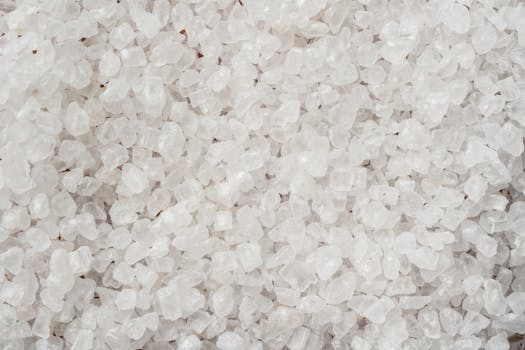
Salt flats are shallow basins where water evaporates and leaves crystals behind, and some are worked by people who harvest salt by hand using traditional methods. Artisanal salt is valued by cooks for its texture, mineral character and connection to a particular place. Visiting a working salt field can be a fascinating way to learn about food production and landscape, but it requires some preparation. Salt pans can be hot, bright and uneven underfoot, and production is closely tied to weather and tides. This guide explains how salt is made in these settings, how to plan a respectful visit and how to choose producers whose salt is worth buying.
How artisanal salt is made
Most artisanal salt is produced by evaporation. Seawater or mineral-rich brine is channelled into a series of shallow pans or ponds, where the sun and wind gradually concentrate it. As the water evaporates, salt crystallizes on the surface or bottom, and workers gather it at the right stage. Timing depends on temperature, humidity and wind, so harvests vary from year to year.
Methods differ between producers. Some rake the crystals by hand, while others use wooden or traditional tools. The shape of the crystals, their moisture content and their mineral profile are shaped by the local water source and the technique used. These differences are part of what makes certain salts distinctive to cooks.
Planning a visit
Many salt flats are working industrial or traditional sites, and access may be restricted. Check whether the site is open to visitors, whether guided tours are available and whether you need permission to walk on the pans. Some areas are protected for birds or other wildlife, and rules may limit where you can go.
Local tourism offices, producer cooperatives and museums can help you find accessible sites. Ask about the best times to visit, which typically depend on the production season and daylight. Harvesting is often concentrated in warmer months, but arrangements vary.
Staying safe on the flats
Salt pans can be physically demanding. Surfaces may be hot and reflective, which increases the risk of sunburn and heat exhaustion, so wear a hat, sunglasses and high-factor sunscreen. Carry water and take breaks in shade where available. Surfaces can also be uneven, wet or crusted, so wear sturdy closed shoes.
Brine and salt can be harsh on skin and footwear. Rinse your shoes and clothing after a visit, and avoid touching your eyes after handling salt. Keep children and pets supervised, and follow the instructions of producers and staff about which areas are safe.
Respecting the production site
Working salt fields depend on careful management of water, channels and pans. Do not walk on the pans or dykes unless you have been invited, and do not disturb channels or gates. Damaging a pan can affect a whole harvest, so follow the producer's guidance closely.
Photograph with consideration. Ask permission before photographing workers, and do not enter restricted areas for a better image. Keep litter off the site, and respect any wildlife habitats nearby, particularly birdlife that may use the flats for feeding or nesting.
Choosing and buying salt
When buying salt, look for producers who explain their method, origin and harvest season. Clear labelling about processing, additives and mineral content is a good sign. Be cautious of marketing that makes exaggerated health claims about salt, since evidence for many such claims is limited, and general dietary advice still applies.
Taste is personal, so try small samples where possible. Coarse, flaky and fine salts behave differently in cooking, so consider how you plan to use them. Ask the producer for advice on finishing versus seasoning, and store salt in a dry, sealed container.
Supporting local producers
Buying directly from producers or cooperatives can help keep more value in the community. Check that prices and wages are fair as far as you can judge, and ask how the harvest is shared among workers. Some salt flats also host seasonal markets or workshops, which can be a good way to learn about the work.
Consider the wider landscape as well. Salt flats often support local bird populations and traditional livelihoods, so choosing responsible producers helps preserve more than the product itself.
Practical tips
- Confirm whether the site is open to visitors and whether guided visits are available.
- Wear a hat, sunglasses and sunscreen, and carry plenty of water.
- Wear sturdy closed shoes and rinse them after walking on salt.
- Do not walk on pans or dykes unless invited, and avoid disturbing channels.
- Ask producers about their method, origin and harvest season before buying.
- Buy directly where possible and store salt in a sealed, dry container.
Salt flats offer a rare view of food being made by evaporation and patience. A respectful visit, careful preparation and thoughtful buying all help protect these working landscapes. Choose producers who are open about their methods, and enjoy the salt as part of a broader story about place and craft.