The Hook: A Whisper of Calm in a Bustling World
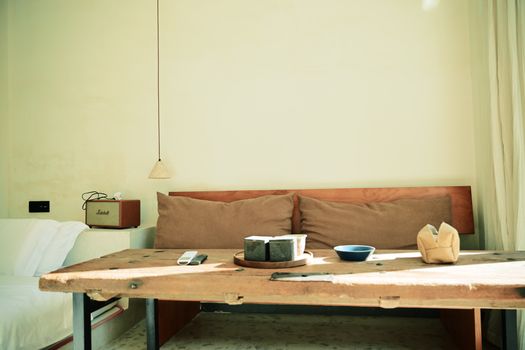
I stepped off the train in Kyoto, the humid air thick with the scent of incense and damp earth after a brief, sudden shower. The usual cacophony of a major station was muted, replaced by a gentle murmur of polite conversation and the distant, rhythmic clang of a tram. But it wasn't the sounds or smells that truly arrested me; it was the feeling. I’d booked a stay in a small, independently run guesthouse, and as I navigated the narrow, lantern-lit alleyways, I felt a sense of anticipation building. The door, a simple, unvarnished wood, slid open with a soft shhh. Inside, the air was cool and carried a faint, clean aroma of tatami and hinoki cypress. This wasn't the opulent grandeur I'd half-expected from traditional Japanese inns. Instead, it was a masterclass in quiet intentionality. A single ikebana arrangement, composed of just three perfect branches and a single, dew-kissed bloom, graced a low, dark wood table. The floor was a smooth, cool tatami. The light, filtering through a delicate shoji screen, was soft and diffused, casting gentle shadows. It was breathtakingly simple, yet profoundly impactful. This was my first, visceral encounter with the powerful, understated dialogue between Nordic minimalism and Asian design – a conversation that's now shaping global aesthetics.
The Unlikely Alliance: Where Fjords Meet Pagodas
It might seem an odd pairing at first glance: the cool, functional elegance of Scandinavia and the ancient, nuanced philosophies of East Asia. Yet, look closer, and the parallels are undeniable, even surprising. Both traditions, in their own ways, champion a philosophy of less is more. Nordic design, born from long, dark winters and a need for cozy, functional living, emphasizes hygge (coziness and contentment) and lagom (just the right amount, not too much, not too little). Think clean lines, natural materials, and an emphasis on light.
Asian design, particularly Japanese aesthetics like wabi-sabi (finding beauty in imperfection and transience) and the principles of Zen Buddhism, also venerates simplicity, naturalism, and a deep respect for craftsmanship. The shared DNA lies in a rejection of ostentation and a profound appreciation for the inherent beauty of materials and form.
This isn't just about aesthetics; it's about a way of life. Both cultures, in their modern iterations, are increasingly focused on mindful living, sustainability, and creating spaces that promote well-being.
H3: The Core Philosophies: Hygge Meets Wabi-Sabi
- Nordic Hygge: It's more than just candles; it's about creating an atmosphere of comfort, warmth, and contentment. This translates into soft lighting, natural textures (wool, wood, linen), and an overall sense of ease.
- Asian Wabi-Sabi: This philosophy embraces the beauty of the imperfect, the impermanent, and the incomplete. Think handcrafted ceramics with subtle flaws, weathered wood, and an appreciation for the patina of age.
- The Synergy: When these two meet, you get spaces that feel both deeply calming and incredibly inviting. The clean lines of Nordic design provide structure, while the organic imperfections of Asian aesthetics add soul and character.
The Visual Language: What to Look For
So, what does this fusion actually look like? It's a symphony of muted palettes, natural textures, and deliberate emptiness.
H3: Color Palettes: The Art of Understatement
Forget bold, jarring colors. This aesthetic leans heavily on a calm, earthy palette.
- Nordic Whites & Greys: Crisp whites, soft greys, and muted blues form the backbone, evoking snow-capped landscapes and clear skies.
- Asian Neutrals & Earth Tones: Think warm beiges, sandy browns, deep charcoals, and the occasional mossy green, drawing inspiration from natural landscapes and traditional materials.
- The Blend: Expect a harmonious interplay of these. A room might be primarily white and grey, punctuated by a charcoal accent wall or the warm undertones of a natural wood table.
H3: Materials: A Tactile Symphony
The choice of materials is paramount. It’s all about embracing the natural world.
- Wood: Unfinished or lightly treated woods like oak, birch, pine (Nordic), and bamboo, teak, and hinoki (Asian) are ubiquitous. The grain is celebrated, not hidden.
- Stone & Ceramic: Rough-hewn stone, polished concrete, and handcrafted ceramics with subtle imperfections add texture and a grounding element.
- Natural Fibers: Linen, wool, cotton, and jute are used for upholstery, rugs, and soft furnishings, adding warmth and a tactile richness.
- Pro-Tip: Look for furniture made from reclaimed wood or sustainably sourced materials. The story behind the material adds another layer of depth.
H3: Form & Function: Simplicity as a Statement
Both Nordic and Asian design prioritize functionality and clean lines.
- Minimalist Silhouettes: Furniture tends to be low-profile, with simple, uncluttered forms. Think sleek sofa frames, unadorned tables, and streamlined storage solutions.
- Intentionality: Every piece has a purpose. There’s no room for purely decorative clutter. If something is in the space, it serves a function, whether practical or meditative.
- The Power of Negative Space: This is crucial. Empty areas are as important as the objects within them. They allow the eye to rest and the mind to breathe.
Bringing the Aesthetic Home: Your Design Toolkit
Inspired? You don't need to fly to Scandinavia or Japan to capture this magic. Here's how to infuse your own space with Nordic-Asian minimalist charm.
H3: Decluttering with Purpose
This is the foundation. Be ruthless but mindful.
- The KonMari Method (with a twist): Spark joy, yes, but also ask: "Does this serve a purpose? Does it contribute to the calm I want to cultivate?"
- Designated Homes: Every item needs a place. Use simple, aesthetically pleasing storage solutions.
- Pro-Tip: Start with one drawer or one shelf. Small victories build momentum.
H3: Curating Your Objects
Less is more, but what you do have should be meaningful.
- Quality over Quantity: Invest in well-made pieces that you love.
- Natural Elements: Bring the outdoors in with plants, stones, or driftwood.
- Handcrafted Treasures: Seek out unique, handmade items that tell a story. A hand-thrown ceramic bowl, a piece of art from a local artisan.
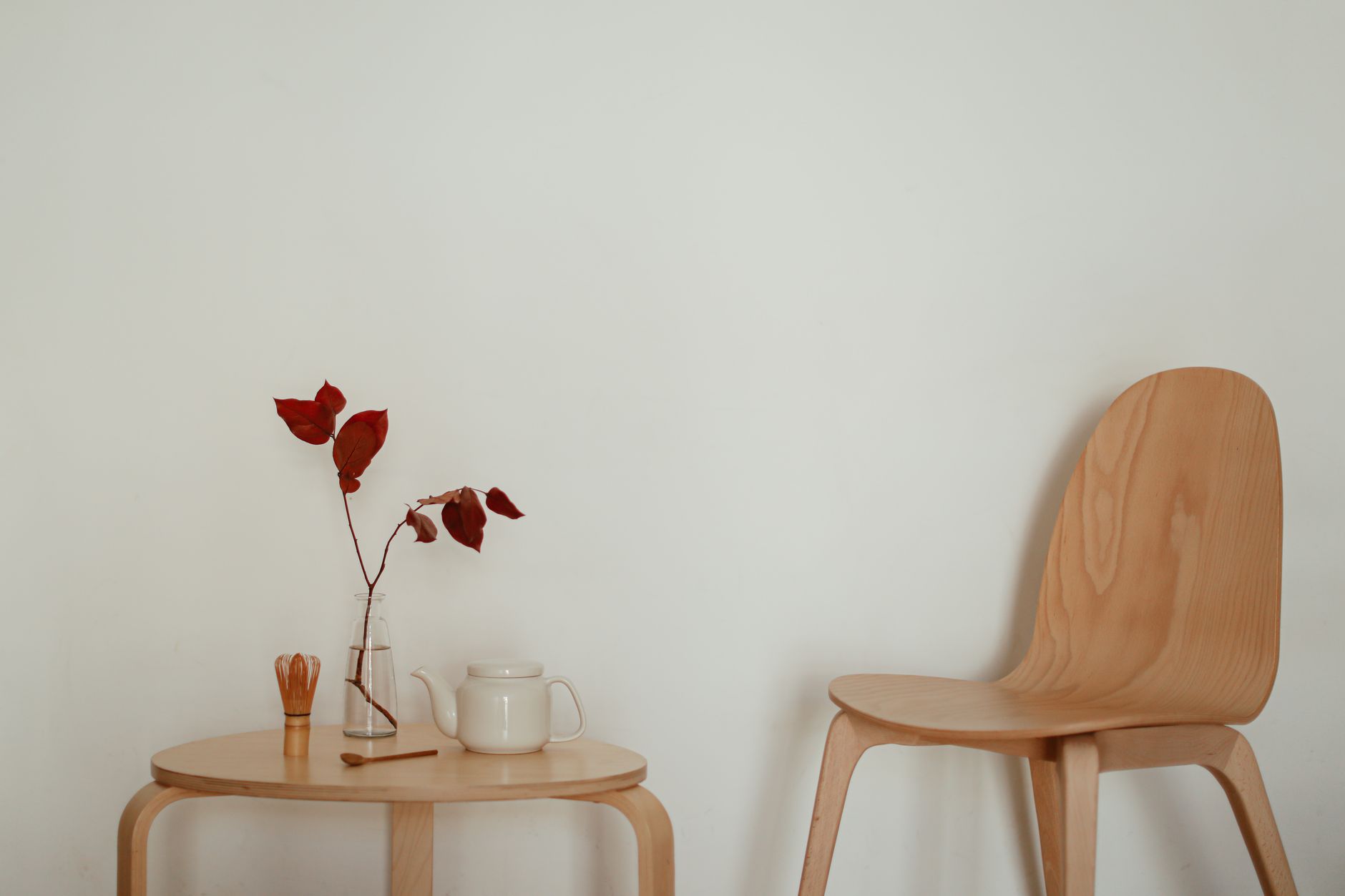
- The Ikebana Principle: Even a single, beautifully arranged stem can be a powerful focal point.
H3: Lighting: The Unsung Hero
Light is your most potent design tool.
- Layered Lighting: Combine ambient (overhead), task (reading lamps), and accent (spotlights) lighting.
- Warm Tones: Opt for bulbs with a warm, soft glow (around 2700K) to create a cozy atmosphere.
- Natural Light: Maximize natural light. Keep windows unobstructed.
- Pro-Tip: Use dimmers! They offer incredible control over mood and atmosphere.
H3: Furniture Choices: The Pillars of Your Space
Think about the silhouette and the material.
- Low-Profile Seating: Sofas and chairs that hug the floor create a sense of groundedness and openness.
- Natural Wood Accents: A simple wooden coffee table, a side table, or shelving can instantly add warmth.
- Multi-Functional Pieces: Ottomans with storage, nesting tables – smart solutions are key.
Experiencing the Fusion: Destinations to Inspire
If you're craving an immersive experience, these destinations offer a tangible taste of this design philosophy.
H3: Kyoto, Japan: The Embodiment of Wabi-Sabi
- What to See: Explore traditional machiya houses, serene Zen gardens (like Ryoan-ji), and artisanal craft shops.
- Pro-Tip: Visit Kinkaku-ji (Golden Pavilion) early in the morning for softer light and fewer crowds. The surrounding gardens are a masterclass in naturalistic design.
- Insider Tip: Look for local pottery studios in the Gion district. Many offer workshops where you can try your hand at traditional techniques.
H3: Copenhagen, Denmark: The Heart of Hygge
- What to See: Wander through the Nyhavn harbor, visit design museums, and explore independent boutiques showcasing Scandinavian furniture and homeware.
- Pro-Tip: Spend an afternoon in Tivoli Gardens. While it's a theme park, the architecture and landscaping beautifully blend playful elements with thoughtful design.
- Insider Tip: Seek out "hyggekrogs" (cozy cafes) tucked away on side streets. They are perfect for observing Danish design in its natural habitat.
H3: Seoul, South Korea: Modern Minimalism with a Traditional Soul
- What to See: Discover minimalist cafes in areas like Seongsu-dong, explore traditional hanok villages (like Bukchon), and visit contemporary art galleries.
- Pro-Tip: Explore the DMZ (Demilitarized Zone) – a stark reminder of history, but also a place of profound reflection and quiet.
- Insider Tip: Visit a traditional Korean tea house. The simplicity of the space, the focus on ritual, and the natural materials are incredibly inspiring.
Quick Facts: Planning Your Design Pilgrimage
| Aspect | Details | Estimated Cost ($) | Best Time to Visit | How to Get There |
| :---------------- | :-------------------------------------------------------------------------------------------------------- | :----------------- | :--------------------------------- | :----------------------------------------------------------------------------------------------------------------------------------------------------------------------------- |
| Kyoto, Japan | Focus: Wabi-sabi, Zen gardens, traditional crafts. Vibe: Serene, spiritual, historically rich. | $$$ | Spring (Mar-May), Autumn (Sep-Nov) | Fly into Kansai International Airport (KIX), then take the Haruka Express train to Kyoto Station. |
| Copenhagen, DK| Focus: Hygge, functional design, urban exploration. Vibe: Cozy, stylish, bike-friendly. | $$$$ | Summer (Jun-Aug) for best weather, | Fly into Copenhagen Airport (CPH). Excellent public transport (metro, train, bus) connects directly to the city center. |
| Seoul, South Korea | Focus: Modern minimalism, hanok villages, contemporary art. Vibe: Dynamic, creative, tech-savvy. | $$$ | Spring (Apr-May), Autumn (Sep-Oct) | Fly into Incheon International Airport (ICN), then take the AREX Express train or All Stop Train to Seoul Station. |
Note:
Costs are approximate and can vary greatly depending on travel style, accommodation, and activities.
The Future of Design: A Global Dialogue
This cross-pollination of Nordic minimalism and Asian design is more than just a fleeting trend; it’s a reflection of a global shift towards conscious living. As we navigate an increasingly complex world, the desire for spaces that promote peace, mindfulness, and connection to nature is growing.
The beauty of this aesthetic lies in its universality. It speaks to a fundamental human need for simplicity, for beauty in the everyday, and for a sanctuary from the noise. It’s about creating environments that nurture our well-being and encourage us to live more intentionally.
So, whether you're redecorating your living room or planning your next adventure, let the quiet wisdom of Nordic minimalism and the profound elegance of Asian design inspire you. It’s a journey towards a more beautiful, more balanced, and more mindful way of living.