The Hook: A Chisel, A Prayer, and 12th-Century Dust
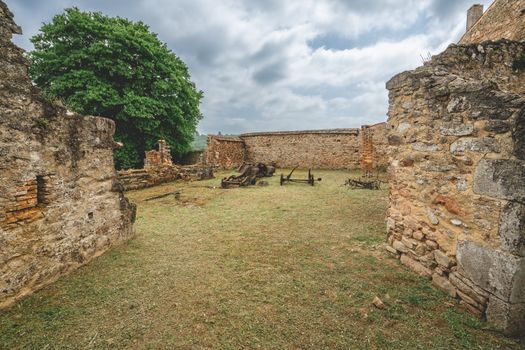
I stepped off the train in the Loire Valley, and the air didn't smell like the lavender-scented postcards promised. It smelled of damp limestone, woodsmoke, and a thousand years of secrets. My palms were already blistering, and I hadn't even picked up a trowel yet. I was at Guédelon, a site where they are building a medieval castle using only 13th-century techniques. No power tools. No shortcuts. Just us, the stone, and the relentless ticking of history.
As I swung a heavy iron mallet against a block of sandstone, the "clink" echoed across the forest clearing. In that moment, the 21st century vanished. I wasn't just a traveler; I was a guardian of a dying craft. This isn't your typical vacation. It’s better. It’s hard work, red wine at sunset, and the profound satisfaction of knowing a wall you helped build will stand for another five centuries.
If you’re tired of "consuming" destinations and want to start "contributing" to them, here are the definitive heritage restoration projects accepting volunteers worth considering right now.
---
1. The Experimental Archaeology of Guédelon (France)
Guédelon is the "Mona Lisa" of restoration projects, except you’re allowed to touch it. Located in the forests of Burgundy, this project started in 1997 with a wild idea: build a 13th-century castle from scratch using only the tools and materials available at the time.
The Experience
You won't be painting fences here. You’ll be working alongside master stonemasons, blacksmiths, and carpenters. You might spend your morning hauling water using a "squirrel cage" winch or learning how to mix authentic lime mortar that doesn't contain a drop of modern cement.
Pro-Tip:
Don't bring your fancy hiking boots. The mud in Burgundy is legendary and will claim them. Buy a pair of cheap, sturdy work boots locally and leave them as a donation when you depart.
---
2. The Saxon Soul of Transylvania (Romania)
In the rolling hills of Transylvania, the Mihai Eminescu Trust (MET)—famously patronized by King Charles III—is working to save the unique Saxon villages that were nearly lost during the communist era.
The Craft
This is about "Whole Village" restoration. You’ll work on fortified churches and traditional pastel-colored houses. The focus here is on traditional lime washes and hand-made roof tiles. The locals still use horse-drawn carts, and the "insider" language here revolves around provenance—ensuring every beam replaced is sourced from local oak forests.
Pro-Tip:
The hidden entrance to the best local brandy (Palinka) is usually a plain green door in the village of Viscri. If you see a small bunch of dried flowers hanging above a door, knock—you’re in for a treat.
---
3. The Society for the Protection of Ancient Buildings (UK)
If you fancy yourself a bit of a "Building Whisperer," the SPAB (Society for the Protection of Ancient Buildings) is your holy grail. Founded by William Morris in 1877, they advocate for "conservative repair" rather than "restoration."
The Work
Their "Working Parties" are legendary. You might find yourself at an old mill in Norfolk or a thatched cottage in the Cotswolds. You’ll learn the art of flint knapping or timber-frame repair. It is academic, rigorous, and incredibly social.
Pro-Tip:
SPAB volunteers are a witty bunch. Brush up on your architectural history before you arrive; knowing the difference between a mullion and a transom will earn you instant respect at the pub after work.
---
4. Adobe Conservation in the American Southwest (USA)
Heritage isn't just European castles. In New Mexico, Cornerstones Community Partnerships works to restore the historic adobe churches and structures that define the High Desert.
The Technique
Adobe is a living material. It breathes. You’ll be getting your hands (and feet) literally dirty, mixing mud, straw, and water to create bricks and plaster. There is something deeply meditative about smoothing a mud wall by hand under the blazing turquoise sky of the Southwest.
Pro-Tip:
Hydration is not a suggestion; it’s a requirement. Drink twice as much water as you think you need. Also, the "secret" to the best local red chile is a dash of Mexican chocolate—ask the grandmothers (Abuelas) supervising the site; they might just share their recipe.
---
5. The Ghost Villages of Abruzzo (Italy)
Italy is littered with borghi abbandonati (abandoned villages). Organizations like Legambiente run summer camps focused on restoring the dry-stone walls and cobblestone paths of these mountain hamlets.
The Vibe
This is high-altitude restoration. You’ll be working in the Apennines, often in villages with more cats than people. The work is physically demanding—moving heavy stones to rebuild terraced gardens—but the reward is lunch: handmade pasta, local pecorino, and views that look like a Renaissance painting.
Pro-Tip:
Visit the local forno (bakery) at 7 AM. The bread hasn't even hit the shelves yet, and the heat from the oven is the best way to wake up your sore muscles.
---
6. The Minka Houses of Gifu (Japan)
Traditional Japanese farmhouses, or Minka, are architectural marvels held together without a single nail. The Green Pheasant project and various local NPOs allow volunteers to help with the laborious process of thatching roofs (kayabuki).
The Aesthetic
This is where you learn the true meaning of Wabi-sabi—finding beauty in imperfection. You’ll be working with pampas grass and smoked bamboo. It’s quiet, disciplined, and deeply respectful of the environment.
Pro-Tip:
In Japan, how you hold your tools is as important as what you do with them. Watch the masters (Shokunin) for a full day before you try to show off. Silence is considered a sign of focus and respect on-site.
---
7. The Great Wall Conservation (China)
Forget the restored sections where tourists take selfies. Organizations like the China Foundation for Cultural Heritage Conservation occasionally take volunteers to help with "The Wild Wall"—the crumbling, overgrown sections that are being reclaimed by nature.
The Mission
This isn't about rebuilding; it’s about stabilization. You’ll be clearing invasive vegetation and documenting structural failures. It involves heavy hiking and a lot of grit.
Pro-Tip:
The "hidden" access points to the wild wall are often through private apple orchards. Always carry small bills (Yuan) to pay a "transit fee" to local farmers—it’s the polite way to navigate the rural landscape.
---
Quick Facts: Logistics & Budget
| Project Location | Estimated Cost (Weekly) | Best Time to Visit | Skill Level Required |
| :--- | :--- | :--- | :--- |
| Guédelon, France | $150 (Food/Admin) | May - September | Beginner to Pro |
| Transylvania, Romania | $200 - $400 (Full Board) | June - August | Beginner |
| SPAB, United Kingdom | $100 - $300 | Summer Months | Intermediate |
| New Mexico, USA | Free to $100 | Spring / Fall | Beginner |
| Abruzzo, Italy | $250 (Camp Fees) | July - August | Beginner |
| Gifu, Japan | $300 - $500 | Autumn | Intermediate |
| Wild Wall, China | $500+ (Guided/Org) | April / October | High (Physical) |
---
Why Heritage Restoration?
We live in a "disposable" age. We buy furniture that lasts three years and phones that last two. Heritage restoration is the antidote. When you spend a week painstakingly removing 1970s cement from a 15th-century stone wall because "the stone needs to breathe," you change. You start to view time differently.
You aren't just a tourist; you are a link in a chain that stretches back centuries and will continue long after you're gone. That is the definition of Authentic Travel.
---