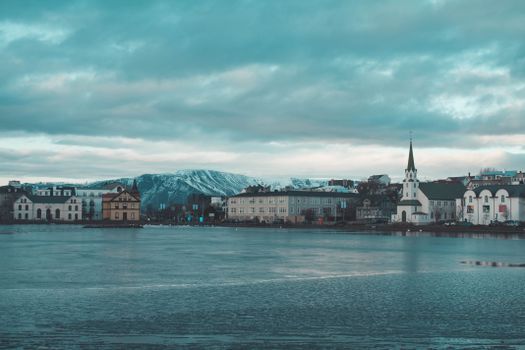
For travellers considering a trip to Reykjavik in November, this month marks the transition into Iceland's deep winter, offering a unique blend of dark skies perfect for aurora hunting and a city still buzzing with cultural life. You'll encounter cold, often windy weather, significantly reduced daylight, and a noticeable drop in tourist numbers compared to the peak summer months. This guide provides practical insights into what to expect and how to make the most of your November visit.
Reykjavik in November: Quick Facts
| Category | Details |
|---|---|
| Typical Temperatures | Approx. -1°C to 4°C (30°F to 39°F) |
| Average Daylight Hours | Approx. 5-8 hours (decreasing throughout the month) |
| Crowd Level | Moderate to Low (shoulder season) |
| Price Level | Moderate (generally lower than summer, higher than deep winter) |
| Main Attractions | Northern Lights, geothermal spas, winter landscapes, museums |
| What to Pack | Warm layers, waterproof/windproof outerwear, sturdy boots, hat, gloves, scarf |
Please note: All prices mentioned are approximate and in GBP (£). Always check current prices and availability on official websites before booking.
Weather and Daylight in Reykjavik in November
November in Reykjavik is characterised by its unpredictable and often challenging weather. Temperatures typically range from approximately -1°C to 4°C (30°F to 39°F). However, strong winds are common, making the "real feel" temperature significantly colder. You should be prepared for a mix of rain, sleet, and snow, sometimes all within the same day. The weather can change rapidly, so flexibility and appropriate gear are crucial.
Daylight hours are significantly reduced in November. At the beginning of the month, Reykjavik sees around 8 hours of daylight, which dwindles to approximately 5-6 hours by the end of November. This means late sunrises and early sunsets, creating long periods of darkness. While this limits daytime sightseeing, it greatly enhances the chances of witnessing the spectacular Northern Lights.
Pro tip: Always check the local weather forecast and road conditions (vegagerdin.is) daily, especially if planning excursions outside the city. Conditions can change rapidly, impacting travel plans.
Crowd Levels and Prices
Crowd Levels
November is part of Iceland's shoulder season, falling between the peak summer months and the quieter deep winter. This means you'll generally encounter fewer tourists in Reykjavik compared to July or August. Popular attractions and tour buses will still be active, but the queues are typically shorter, and the atmosphere is more relaxed. If you prefer to avoid the busiest times but still want access to most tours and services, November can be a good compromise.
Prices
Accommodation and flight prices to Reykjavik in November are usually more affordable than during the summer high season. However, they may be slightly higher than in January or February, which are considered off-peak. Tour prices generally remain consistent year-round, but you might find better deals on package holidays or accommodation if booked in advance. Expect to pay approx. £100-£200 per night for a mid-range hotel and approx. £50-£100 for a main course at a decent restaurant.
Events and Holidays in November
While November doesn't typically host major national holidays in Iceland, it often features cultural events and festivals. The most notable event that sometimes falls in early November is the Iceland Airwaves music festival, which draws international and local artists to venues across Reykjavik. Dates vary annually, so check the official festival website if this is of interest. Otherwise, the focus is on local arts, theatre, and music scenes, which continue throughout the darker months. Many museums and galleries also host temporary exhibitions.
What to Pack for Reykjavik in November
Packing correctly for Reykjavik in November is essential for a comfortable trip. Layers are your best friend due to the fluctuating temperatures and strong winds. Here's a breakdown:
- Base Layers: Thermal underwear (tops and bottoms) made of wool or synthetic material.
- Mid-Layers: Fleece jackets, wool sweaters, or down vests for insulation.
- Outerwear: A waterproof and windproof jacket and trousers are non-negotiable. Look for insulated options.
- Headwear: A warm hat that covers your ears is crucial.
- Gloves/Mitts: Waterproof and insulated gloves are highly recommended.
- Footwear: Sturdy, waterproof hiking boots with good grip are essential for walking on potentially icy or wet surfaces.
- Socks: Wool or thermal socks to keep your feet warm and dry.
- Accessories: A warm scarf or neck gaiter, sunglasses (for low sun and glare on snow), and a small waterproof backpack for day trips.
Don't forget a swimsuit for geothermal pools, even in cold weather!
Top Things to Do in Reykjavik in November
Despite the shorter days, November offers a wealth of unique experiences in and around Reykjavik, leaning into the winter charm.
1. Hunt for the Northern Lights
November is prime Northern Lights season. With long hours of darkness, your chances of witnessing the aurora borealis are significantly higher than in other months. Many guided tours depart from Reykjavik, taking you to dark sky locations away from city light pollution. These tours often provide hot drinks and expert guidance. You can also try to spot them from within the city at places like Grótta Lighthouse if the conditions are right.
Book tickets and tours: Northern Lights
Pro tip: Aurora sightings are dependent on clear skies and strong solar activity. Check the aurora forecast (e.g., vedur.is) and weather conditions daily to maximise your chances.
2. Relax in Geothermal Spas
Embrace the Icelandic tradition of geothermal bathing. The iconic Blue Lagoon is a popular choice, offering milky-blue waters rich in minerals. For a more local and contemporary experience, consider the Sky Lagoon, which boasts stunning ocean views and an invigorating 7-step ritual. There are also numerous public swimming pools in Reykjavik, such as Laugardalslaug, which are heated by geothermal energy and offer a glimpse into local life.
Book tickets and tours: Geothermal Spas
3. Explore the Golden Circle
The Golden Circle is a classic route that remains accessible and stunning in November, though the landscapes will be covered in snow or ice. This route includes three major stops: Þingvellir National Park (a UNESCO World Heritage site where tectonic plates meet), the powerful Gullfoss waterfall, and the Geysir geothermal area, home to the Strokkur geyser. Many tour operators offer day trips from Reykjavik, which is recommended due to potentially challenging road conditions.
Book tickets and tours: Golden Circle
4. Visit Hallgrímskirkja Church
Dominating the Reykjavik skyline, Hallgrímskirkja is an architectural marvel. Its unique design is inspired by basalt columns found in Icelandic nature. Take an elevator to the top of the tower for panoramic views of the city, mountains, and sea, which are particularly atmospheric under a winter sky. Entry to the church is free, but there's a small fee (approx. £8-£10) to access the tower.
Book tickets and tours: Hallgrímskirkja Church
5. Discover Perlan Museum and Observation Deck
Perlan, meaning "The Pearl," is a distinctive glass dome built atop hot water tanks. It houses a fantastic interactive museum focused on Icelandic nature, including a real ice cave experience and a planetarium showing aurora films. The 360-degree observation deck offers spectacular views of Reykjavik and its surroundings, providing a warm and sheltered alternative to outdoor viewing points.
Book tickets and tours: Perlan Museum
6. Wander Downtown Reykjavik
Spend time exploring the colourful streets of downtown Reykjavik. Laugavegur, the main shopping street, is lined with boutiques, cafes, and bars. Duck into a cosy cafe for a hot drink and traditional Icelandic pastry, or browse for unique souvenirs. The city centre is compact and walkable, and the festive lights start to appear towards the end of November, adding to the winter charm.
Book tickets and tours: Downtown Reykjavik
7. Indulge in Icelandic Cuisine
November is an excellent time to savour hearty Icelandic dishes. Try a traditional lamb soup (kjötsúpa), fresh fish and chips, or the famous Icelandic hot dog (pylsur) from Bæjarins Beztu Pylsur. For a more adventurous palate, consider fermented shark (hákarl) or rye bread ice cream. Many restaurants offer seasonal menus featuring locally sourced ingredients.
Book tickets and tours: Icelandic Cuisine
8. Explore Museums and Galleries
With shorter daylight hours, November is perfect for delving into Reykjavik's rich cultural scene. Options include the National Museum of Iceland (history and heritage), the Saga Museum (wax figures depicting sagas), the Reykjavik Art Museum (contemporary and modern art), or the quirky Icelandic Phallological Museum. These provide excellent indoor alternatives for colder or wetter days.
Book tickets and tours: Museums
Common Mistakes to Avoid in November
- Underestimating the cold: Many visitors underestimate how cold and windy it can get. Pack more layers than you think you'll need.
- Not booking tours in advance: While crowds are lower, popular tours (especially Northern Lights and Golden Circle) can still fill up, particularly on weekends.
- Ignoring weather and road conditions: Never assume roads will be clear. Always check forecasts and road reports before driving.
- Expecting long daylight hours: Be prepared for short days and plan your outdoor activities accordingly.
- Forgetting a swimsuit: Even in winter, the geothermal pools are a must-do.
Should You Go to Reykjavik in November?
A trip to Reykjavik in November is ideal for those who embrace winter conditions and are primarily interested in the Northern Lights. It suits travellers looking for a quieter experience than the summer rush, with the added benefit of potentially lower travel costs. If you enjoy dramatic winter landscapes, cosy cafes, and cultural exploration, November offers a truly authentic Icelandic experience.
However, if you prefer long daylight hours, mild weather, extensive hiking, or driving without the concern of icy roads, then a summer visit might be more suitable. November requires flexibility, preparedness for all types of weather, and an appreciation for the unique beauty of Iceland's winter.
Plan your trip
Ready to experience the magic of Reykjavik in November? Let Tripsora help you craft the perfect itinerary, tailored to your interests and the unique conditions of this captivating winter month. Start building your personalised adventure today on Tripsora.
Frequently asked questions
Is November a good time to see the Northern Lights in Reykjavik?
Yes, November is an excellent time to see the Northern Lights due to the long hours of darkness. Combined with clear skies and strong solar activity, your chances of a sighting are significantly increased.
What is the weather like in Reykjavik in November?
The weather in Reykjavik in November is typically cold, with temperatures ranging from approximately -1°C to 4°C. Expect a mix of rain, sleet, and snow, often accompanied by strong winds, making it feel colder.
How many hours of daylight does Reykjavik get in November?
Reykjavik experiences significantly reduced daylight in November, starting with around 8 hours at the beginning of the month and decreasing to approximately 5-6 hours by the end. Sunrises are late, and sunsets are early.
Are attractions and tours open in Reykjavik during November?
Most major attractions and tours, including the Golden Circle, geothermal spas, and museums, operate throughout November. Some summer-specific activities like extensive hiking might be limited due to weather, but winter-specific tours are in full swing.
Is Reykjavik crowded in November?
November is considered shoulder season in Reykjavik, so crowds are generally lower than during the peak summer months. You can expect a more relaxed atmosphere and shorter queues at popular sites, though tours still require advance booking.