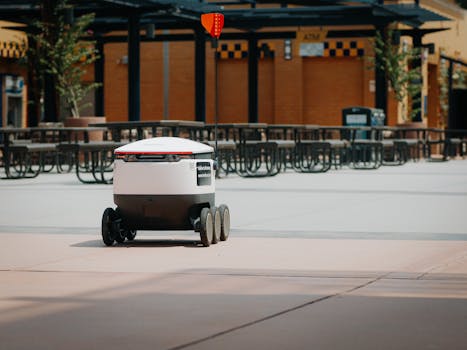
The year was 2019. I was sitting in a bustling, neon-lit ramen shop in Shibuya, Tokyo, eagerly awaiting my steaming bowl of tonkotsu. Suddenly, a sleek, white, multi-tiered contraption glided silently past my table, its digital eyes blinking softly. It wasn't a person, nor was it a toy. It was a robot, carrying a tray laden with food to a table across the room. My jaw dropped. I’d seen videos, read articles, but experiencing it firsthand was like stepping into a sci-fi movie. That moment, witnessing the seamless dance of technology and gastronomy, wasn't just a quirky dining experience; it was the spark that ignited a new obsession, a quest to explore the world of robot-served restaurants. And let me tell you, it changed my life forever.
Before that trip, I was a skeptic. Robots in restaurants? Surely, it’s just a gimmick, sacrificing the human touch for cold, impersonal efficiency. But what I discovered on my subsequent adventures was a vibrant, evolving landscape where technology wasn't replacing humanity but enhancing it, creating entirely new dimensions of dining. This isn't just about food; it's about experiencing the future, one perfectly delivered dish at a time.
My First Encounter: The Silent Servers of Shibuya
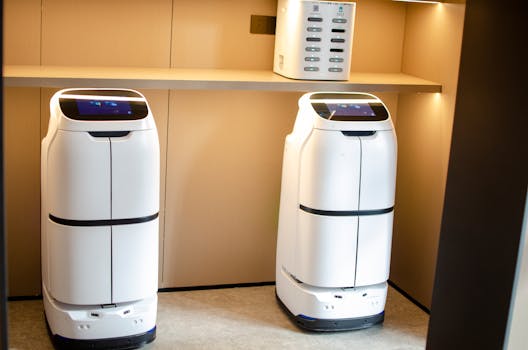
That ramen shop in Tokyo, "Ramen-Bot Central" (a name I affectionately gave it, though its real name was a much more traditional "Hakata Ippudo"), wasn't fully automated, but the sight of those delivery bots, often called "Servi" or "PuduBot" models, navigating the crowded aisles with an almost balletic grace, was mesmerizing. My own bowl was still brought by a human server, but the sheer novelty of watching these autonomous units deliver plates of gyoza and pitchers of beer was enough to captivate me.
The robots were incredibly polite, too. A gentle chime and a pre-recorded "Excuse me, coming through!" would emanate from them as they approached, and they'd patiently wait if a path was blocked. The human staff, far from being sidelined, seemed more relaxed and focused on customer interaction, taking orders and answering questions, while the robots handled the repetitive task of delivery. This wasn't the cold, dystopian future I'd imagined; it was an efficient, almost harmonious blend of man and machine. The ramen? Delicious, as always, but now served with a side of technological wonder. A typical meal there cost around ¥1200-1800 ($8-12 USD), making it an affordable peek into the future.
Beyond the Gimmick: Efficiency, Consistency, and the 'Wow' Factor
My initial skepticism quickly evaporated. I realized these robots weren't just a novelty; they offered tangible benefits. In a world grappling with labor shortages and the demand for faster service, robots are a game-changer. I soon found myself seeking out more advanced integrations.
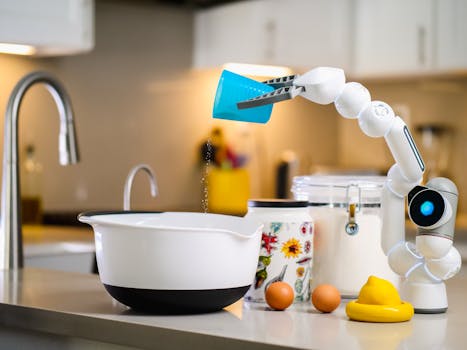
My next significant stop was "The AI Café" in Seoul, South Korea. Here, a robotic arm barista, named "Robo-Barista," meticulously crafted lattes and cappuccinos. You'd place your order on a digital kiosk, pay via card, and then watch in fascination as the arm ground beans, steamed milk, and poured intricate latte art with astonishing precision. Each cup was perfect, consistent, and delivered within minutes. It was a sensory delight – the whirring of the arm, the hiss of the steam, the sight of the perfectly frothed milk. The human staff were still present, overseeing the operation, cleaning, and helping customers with the kiosks, but the core task of coffee making was fully automated. A specialty coffee here cost about ₩5000-7000 ($3.50-5 USD), competitive with traditional cafes but with an unparalleled theatrical element. This experience showed me that robots could excel not just in delivery but in precision-based preparation, guaranteeing consistency that even the most experienced human barista might struggle to maintain across hundreds of cups a day.
The Human Touch (Yes, It Still Exists!)
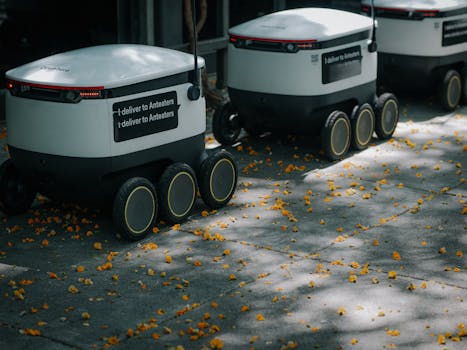
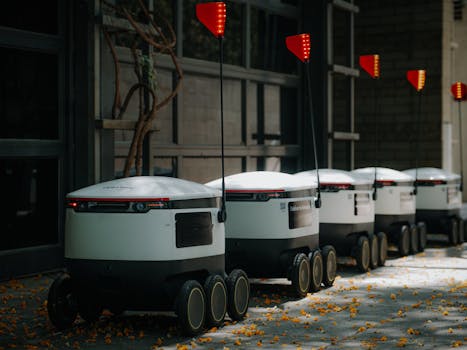
One of the biggest misconceptions about robot restaurants is that they eliminate human interaction. My travels proved this utterly false. In fact, in many places, robots enhance the human experience. At "Byte Bistro" in Palo Alto, California, a restaurant specializing in customizable bowls and salads, a fleet of delivery robots (similar to the ones in Tokyo) brought food from the kitchen to the tables. However, the front-of-house staff were more attentive than ever. Freed from the constant back-and-forth of food running, they could spend more time explaining menu options, recommending pairings, and ensuring guests were comfortable.
I had a wonderful conversation with a server named Sarah at Byte Bistro. She told me how the robots had transformed her job. "Before, I spent half my shift just walking," she laughed. "Now, I actually get to talk to people, make sure they're having a great time. It's less physically demanding, and I feel more connected to our guests." This insight was profound. Robots weren't taking jobs; they were re-defining them, allowing humans to focus on the inherently human aspects of hospitality – empathy, conversation, problem-solving. A customizable bowl at Byte Bistro typically ran $15-25 USD.
A Culinary Playground: Beyond Delivery Bots
The true "life-changing" moments came when I encountered restaurants where robots weren't just serving but actively creating the food. This is where the innovation truly shines.
- The Robotic Pizza Revolution: While some early robotic pizza concepts have pivoted, I was fortunate to visit a test kitchen where a robotic arm was assembling pizzas with an incredible speed and precision. From spreading the sauce to sprinkling cheese and placing toppings, it was a marvel of engineering. The consistency was astounding – every pizza looked identical, cooked to perfection. Imagine a future where your late-night pizza is made by a tireless, error-free robot, ensuring peak quality every single time.
- Sushi Bots & Noodle Masters: In some parts of Asia, specialized robots are used for tasks like forming perfect sushi rice balls or kneading and cutting noodles. While a human chef still handles the delicate fish slicing or broth preparation, the repetitive, precise tasks are automated, ensuring consistency and speeding up service during peak hours. I tried robot-formed sushi at a small spot in Osaka, and the rice texture was impeccable – perfectly formed, not too dense, not too loose. It allowed the human chef to focus on the artistry of the toppings.
These experiences showed me that robots aren't just about speed; they're about elevating consistency and freeing human chefs to innovate in areas that truly require human creativity and intuition. The potential for new culinary experiences, driven by robotic precision, is limitless.
Global Gastronomy, Robotic Style: My Top Picks & Tips
My journey took me to some incredible places. While specific restaurants can change quickly in this fast-evolving sector, here are a few types of experiences and general locations that consistently offer fantastic robot dining:
- The Delivery Bot Experience (e.g., Many Casual Eateries, US & Asia):
- What to Expect: Robots (like Servi or PuduBot) bringing food from kitchen to table. Human staff take orders and handle most interactions.
- Where to Find Them: Increasingly common in fast-casual chains, family restaurants, and even some fine dining establishments in tech-forward cities like San Francisco, Austin, Singapore, and across Japan and South Korea. Look for restaurants advertising "smart service" or "robot delivery."
- Pricing: Generally standard for the cuisine type, as the robots are an efficiency tool, not necessarily a premium charge. Expect $15-30 USD per person.
- Tip: Don't block their path! They're usually programmed to avoid obstacles, but a clear path helps them deliver efficiently.
- The Robotic Barista Cafe (e.g., Cafe X in San Francisco, various in Seoul):
- What to Expect: A robotic arm making your coffee. You order on a screen, watch the show, and pick up your perfect brew.
- Where to Find Them: Major tech hubs. Cafe X was a pioneer, and while their physical locations have shifted, the concept thrives in places like Seoul (e.g., "b;eat" cafes) and new startups emerging globally.
- Pricing: Comparable to specialty coffee shops, $4-7 USD per drink.
- Tip: Take a video! The precision and speed are incredibly Instagram-worthy.
- The Hybrid Automated Kitchen (e.g., Specific Noodle Bars in Shenzhen, China):
- What to Expect: A mix of human and robotic chefs, with robots handling repetitive or precision tasks like noodle cutting, stir-frying, or even simple assembly. Delivery bots might also be present.
- Where to Find Them: More common in highly competitive and tech-driven food markets, particularly in China and increasingly in Japan. These are often smaller, specialized eateries focusing on one or two dishes.
- Pricing: Often very affordable, as automation drives down labor costs. Expect $8-15 USD per person.
- Tip: Ask the human staff about the robots! They often have fascinating stories about how the technology has changed their work.
Practical Tips for Your Robotic Dining Adventure
Ready to dive into the future? Here's how to make the most of your robot restaurant experience:
- Do Your Research: Before you travel, search "robot restaurant [city name]" or "AI cafe [city name]". Food tech blogs and local news sites are great resources for finding the latest spots.
- Embrace the Novelty: Go in with an open mind. It's okay to be amazed, to take photos, and to laugh. This is a unique experience!
- Observe and Learn: Pay attention to how the robots operate and how the human staff interact with them. It offers a fascinating glimpse into the future of work.
- Don't Forget the Food: While the robots are the star, remember you're there to eat! Many of these establishments pride themselves on quality, so savor the flavors.
- Be Patient (Sometimes): While robots are efficient, sometimes there's a learning curve for the restaurant or a momentary glitch. Enjoy the show.
- Instagram It! These places are tailor-made for social media. Use hashtags like #RobotRestaurant #AIDining #FutureOfFood #FoodTech #RoboFood. Tag @Tripsora too!
- Interact (Respectfully): If a robot has a screen for interaction or a friendly chime, feel free to engage. Just remember they're machines and don't require human-level courtesy, but also avoid blocking their sensors or paths.
The Future is Now: My Life-Changing Perspective
My journey through robot restaurants wasn't just about eating; it was about witnessing a revolution. It changed my life forever by completely shattering my preconceived notions about technology's place in hospitality. I used to think automation meant a colder, less personal world. Instead, I found environments where efficiency freed humans to be more human, where precision led to consistent quality, and where the sheer wonder of innovation added an unforgettable layer to the dining experience.
This isn't just a trend; it's a fundamental shift. From ensuring hygienic food preparation to solving labor challenges and simply providing an incredibly fun and futuristic experience, robot-served restaurants are here to stay. They offer a tantalizing glimpse into a future where technology works in harmony with human creativity to create something truly special.
So, are you ready to embark on your own life-changing AI dining adventure? Trust me, once you've had your ramen delivered by a polite bot or your latte crafted by a robotic arm, you'll never look at dining out the same way again. The future of food is delicious, efficient, and surprisingly charming. Go forth and explore!