The Hook: A Symphony of Light and Speed
I stepped off the Narita Express, the crisp, cool air of Tokyo’s early morning a welcome contrast to the buzzing, almost electric energy that seemed to emanate from the very pavement. The station wasn't just a transit hub; it was a meticulously choreographed ballet of efficiency. Digital displays, impossibly sleek, shimmered with real-time updates, their vibrant colors a stark contrast to the muted tones of traditional Japanese design. The low hum of the train, a marvel of engineering itself, was quickly swallowed by the murmur of polite chatter and the almost silent glide of commuters on their way to revolutionize the world. This wasn't just advanced; it felt like a glimpse into a tomorrow that the West is still dreaming about.
The Rise of the Smart Metropolis: Asia's Urban Symphony
Asia isn't just building cities; it's crafting living, breathing organisms powered by data. Forget clunky traffic lights and outdated grids. Think interconnected, responsive urban landscapes where technology is woven into the very fabric of daily life.
Seoul: The Connected Capital
My first stop was Seoul, and it felt like stepping onto the set of a sci-fi film. The city boasts ubiquitous 5G coverage, meaning seamless connectivity is not a luxury, but a given. I watched as citizens effortlessly navigated their day, their smartphones acting as extensions of their minds, accessing information, managing their lives, and interacting with the city in ways that felt utterly natural.
- Smart Grids & Energy Efficiency: Seoul is a pioneer in smart grid technology, optimizing energy distribution and consumption. This isn't just about powering homes; it's about creating sustainable, resilient urban environments. I saw solar panels integrated into building facades and public transport shelters, a constant, quiet hum of renewable energy feeding the city.
- AI-Powered Public Services: From intelligent traffic management systems that reduce congestion to AI-driven waste management, Seoul is leveraging artificial intelligence to make city living smoother and more efficient. I even encountered an AI-powered information kiosk that spoke perfect English and could answer complex questions about local attractions with startling speed.
- Pro-Tip: Don't miss the Dongdaemun Design Plaza (DDP). Its futuristic, spaceship-like architecture is a testament to Seoul's design innovation, and the surrounding area buzzes with cutting-edge fashion and technology stores. Visit during the day to appreciate the complex curves, and at night to see it illuminated like a celestial body.
Singapore: The Garden City's Digital Bloom
Singapore, a nation that consistently punches above its weight, has transformed itself into a global hub for technological innovation and smart city solutions. It's a place where green spaces meet cutting-edge tech, creating a harmonious, futuristic environment.
- National Digital Identity: Singapore's Singpass system is a masterclass in secure, convenient digital identification, allowing citizens to access a vast array of government and private sector services online. This streamlines everything from healthcare appointments to financial transactions.
- Autonomous Vehicles & Smart Mobility: While still in testing phases, Singapore is actively exploring and piloting autonomous vehicle technology. Imagine a future where your commute is handled by a self-driving pod, optimizing routes and reducing emissions. I saw several test vehicles navigating quiet streets during my visit.
- Pro-Tip: Explore the Supertree Grove at Gardens by the Bay. These iconic vertical gardens are not only visually stunning but also incorporate sophisticated environmental technologies, showcasing Singapore's commitment to sustainability and innovation. The light and sound show at night is a must-see.
The High-Speed Revolution: Asia's Arteries of Innovation
The speed at which people and goods move across Asia is simply breathtaking. Forget the leisurely pace of traditional travel; here, it’s about hyper-connectivity and unparalleled efficiency.
China: The Bullet Train Empire
China's high-speed rail network is nothing short of astonishing. It’s the world’s largest and most advanced, connecting major cities with incredible speed and comfort. Riding the Fuxing Hao train from Shanghai to Beijing felt like gliding through the future. The journey, which once took days, is now a matter of hours.
- Technological Prowess: These trains aren't just fast; they are packed with technology. Onboard Wi-Fi is reliable, seats are ergonomically designed for comfort, and the entire system is managed with pinpoint precision. The ride is so smooth you can barely feel the 350 km/h speed.
- Economic Impact: This network has fundamentally reshaped China's economy, facilitating business travel, tourism, and the rapid movement of goods. It’s a critical piece of infrastructure that underpins the nation's economic might.
- Pro-Tip: Book your tickets in advance, especially during peak travel seasons. The app is user-friendly, but having your passport details ready is essential. Opt for a first-class ticket for an even more luxurious experience.
Japan: The Shinkansen Legacy
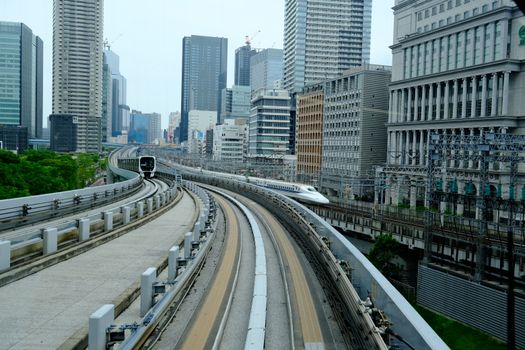
Japan's Shinkansen, the original "bullet train," remains an icon of reliability and punctuality. It’s a testament to Japanese engineering and a crucial part of the nation's infrastructure.
- Unwavering Punctuality: The Shinkansen is legendary for its on-time performance, often measured in seconds. This reliability is critical for business travelers and tourists alike.
- Safety and Comfort: Decades of refinement have resulted in a system that is incredibly safe and comfortable. The carriages are spacious, and the quietness of the ride is remarkable.
- Pro-Tip: If you’re planning extensive travel across Japan, consider purchasing a Japan Rail Pass. It offers incredible value and allows you to hop on most Shinkansen lines (with some exceptions).
The Digital Frontier: Asia's Embrace of 5G and AI
Asia is not just adopting new technologies; it's leading the charge in their implementation and innovation.
South Korea: 5G Pioneers
South Korea was one of the first countries to launch a nationwide 5G network, and the impact has been profound. This isn't just about faster downloads; it's about enabling a new wave of innovation across industries.
- Enhanced Connectivity: From augmented reality experiences in entertainment to remote surgery in healthcare, 5G is unlocking possibilities that were previously unimaginable. I experienced a VR gaming session that was so immersive, I forgot I was in a dedicated booth in Gangnam.
- AI Integration: South Korea is a powerhouse in AI research and development. Companies are rapidly integrating AI into everything from manufacturing to customer service, driving efficiency and creating new business models.
- Pro-Tip: Visit a 5G-enabled VR arcade or experience center. It’s the best way to truly understand the immediate impact of this next-generation technology on entertainment and interaction.
India: The Digital Leapfrog
India, with its massive population and rapidly growing digital economy, is experiencing a digital transformation unlike any other. The rapid adoption of mobile technology and the government’s push for digital services are creating a unique ecosystem.
- UPI (Unified Payments Interface): India's UPI is a game-changer. This real-time payment system has revolutionized how people transact, making digital payments accessible to millions, even in rural areas. I was amazed at how easily I could pay for street food with my phone.
- AI in Business: Indian tech companies are heavily investing in AI to solve complex problems, from optimizing logistics to personalizing customer experiences. The startup scene is vibrant and bursting with innovative AI applications.
- Pro-Tip: Explore a local market and observe the widespread use of UPI. It’s a tangible demonstration of India’s digital leapfrog, showcasing how technology is empowering everyday citizens.
The Future of Work and Innovation: Asia's Tech Hubs
Asia is home to some of the world's most dynamic innovation hubs, attracting talent and investment from across the globe.
Shenzhen: The Hardware Capital of the World
Shenzhen, China, has earned its moniker as the "Silicon Valley of Hardware." It's a city where ideas are prototyped, manufactured, and scaled with astonishing speed.
- Maker Culture: The city is teeming with electronics markets, co-working spaces, and rapid prototyping facilities. If you can dream it, you can likely build it here. I visited Huaqiangbei, a sprawling electronics market where you can find every conceivable component, and it felt like the engine room of global tech innovation.
- Startup Ecosystem: Shenzhen fosters a vibrant startup culture, with a strong emphasis on hardware innovation and rapid iteration. This environment is crucial for developing the next generation of consumer electronics and industrial technologies.
- Pro-Tip: Visit the Huaqiangbei Electronics Market, even if you're not looking to buy. It's an overwhelming, exhilarating sensory experience and a testament to Shenzhen's manufacturing prowess. Go with a local guide if possible to navigate the sheer scale.
Taipei: The Semiconductor Powerhouse
Taipei, Taiwan, is the undisputed king of semiconductor manufacturing, with companies like TSMC at the forefront of chip production.
- Cutting-Edge Chip Technology: The advanced manufacturing capabilities in Taipei are the backbone of the global tech industry, powering everything from smartphones to supercomputers.
- R&D Investment: There's a continuous and substantial investment in research and development, ensuring Taiwan remains at the cutting edge of chip design and fabrication.
- Pro-Tip: While direct factory tours are rare, visit the National Palace Museum to appreciate Taiwan's rich cultural heritage, which provides a fascinating backdrop to its technological achievements. The contrast between ancient artistry and modern innovation is striking.
The Green Tech Revolution: Asia's Commitment to Sustainability
While often lauded for its rapid technological advancement, Asia is also making significant strides in renewable energy and sustainable infrastructure.
China: Solar and Wind Dominance
China has emerged as the global leader in renewable energy deployment, particularly in solar and wind power.
- Massive Investments: The country has invested billions in solar panel manufacturing and wind turbine production, driving down costs globally and accelerating the transition to clean energy.
- Smart Grids for Renewables: China is developing advanced smart grids to effectively integrate these large-scale renewable energy sources, ensuring stability and reliability.
- Pro-Tip: While visiting a large-scale solar farm might be logistically challenging, observe the integration of solar panels on rooftops and public spaces throughout major cities like Shanghai and Beijing. It's a constant, visible reminder of their commitment.
Japan: Geothermal and Hydrogen Innovation
Japan, despite its limited landmass, is exploring innovative renewable energy solutions.
- Geothermal Energy: With its volcanic landscape, Japan has significant potential for geothermal energy, and is actively developing this resource.
- Hydrogen Economy: Japan is a global leader in research and development for a hydrogen-based economy, aiming to use hydrogen as a clean fuel source for transportation and industry.
- Pro-Tip: Visit a local onsen (hot spring) town. Many of these are powered by geothermal energy, offering a direct experience of this sustainable resource.
---
Quick Facts: Navigating Asia's Tech Landscape
| Feature | Estimated Cost ($) | Best Time to Visit | How to Get There |
| :---------------------- | :----------------- | :----------------- | :------------------------------------------------------------------------------- |
| Tokyo (Smart City) | $150-300/day | Spring (Mar-May), Autumn (Sep-Nov) | Major international airports (NRT, HND). Extensive subway and rail network. |
| Seoul (5G City) | $130-250/day | Spring (Mar-May), Autumn (Sep-Nov) | Incheon International Airport (ICN). Efficient subway system. |
| Singapore (Smart Hub)| $200-400/day | Feb-Apr, Jul-Sep | Singapore Changi Airport (SIN). Excellent public transport (MRT). |
| Shanghai (HSR) | $100-200/day | Spring (Mar-May), Autumn (Sep-Nov) | Shanghai Pudong International Airport (PVG), Shanghai Hongqiao International Airport (SHA). Extensive HSR network. |
| Shenzhen (Hardware) | $80-150/day | Oct-Dec | Shenzhen Bao'an International Airport (SZX). Metro system connecting major areas. |
| Taipei (Semiconductors) | $100-200/day | Oct-Nov | Taiwan Taoyuan International Airport (TPE). MRT system within the city. |
---
The Takeaway: An Unforgettable Technological Horizon
My journey through Asia's technological heartland has been nothing short of transformative. The sheer scale, speed, and integration of technology are unlike anything I’ve witnessed elsewhere. From the hyper-connected streets of Seoul to the lightning-fast bullet trains of China, Asia is not just keeping pace; it's setting the pace. This isn't a distant future; it's happening right now, and it’s an experience every traveler and tech enthusiast should witness firsthand. The future of infrastructure is here, and it's undeniably Asian.
---