Chasing Solitude: My Quest for the World's Most Photogenic, Crowd-Free Gems
It started with a sigh. Another stunning sunset, another dozen selfie sticks blocking my view. My camera roll, once a proud testament to my adventures, was becoming a frustrating montage of beautiful landscapes marred by tourist hordes. I remember standing at the base of the Eiffel Tower, the golden hour light hitting just right, but all I could capture was a sea of heads. The magic, the feeling of being there, was lost in the clamor.
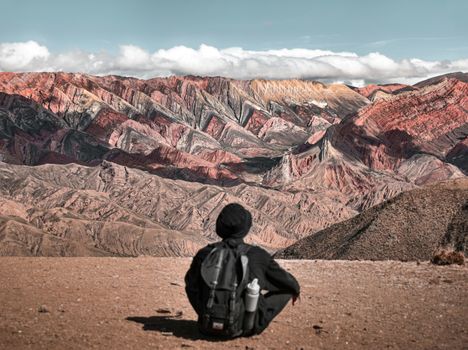
"There has to be another way," I muttered to myself, packing away my lens. That moment sparked a mission: to find the world's most photogenic spots where the only company you keep is the whispering wind, the crashing waves, or the ancient echoes of history. Places where your camera can truly capture the essence of a destination without a single stranger photobombing your masterpiece.
What I discovered wasn't just a list of locations, but a philosophy of travel. It's about digging deeper, taking the harder path, and sometimes, simply being patient. It’s about the thrill of discovery, the quiet awe that settles when you realize you're witnessing something truly special, all by yourself. And let me tell you, the shots you get? They're not just photos; they're stories of adventure, solitude, and unparalleled beauty.
Ready to trade the crowds for pure, unadulterated photographic bliss? Let's dive into seven spots that will not only blow your mind but also fill your feed with images that will make everyone ask, "Where is that?!"
1. The Whispering Dunes of Al-Thaqib: Oman’s Golden Horizon
My first foray into crowd-free photography led me deep into the heart of Oman, away from the bustling souks and popular wadis. I was chasing a rumor of dunes so vast and silent, they were said to whisper ancient tales. What I found was Al-Thaqib, a section of the Rub' al Khali (Empty Quarter) that felt like stepping onto another planet.
I arrived just before dawn, having navigated a treacherous, unmarked track in a rented 4x4 with a local guide named Rashid. The air was crisp, carrying the faint scent of desert sage. As the sun began its slow ascent, painting the sky in fiery oranges and soft purples, the dunes of Al-Thaqib revealed themselves. Towering, sculpted by millennia of wind, they stretched as far as the eye could see, their crests catching the first light like molten gold. The silence was profound, broken only by the occasional rustle of sand and the click of my camera. Not a single soul was in sight.
Why it's crowd-free:
Al-Thaqib isn't on any standard tourist map. It requires a robust 4x4, a skilled desert driver, and a willingness to embrace true wilderness. Most tourists stick to the more accessible Wahiba Sands.
Photography Tips: This is golden hour paradise. Use a wide-angle lens to capture the scale of the dunes and the dramatic sky. Look for leading lines in the sand patterns. For something truly unique, try star photography here – the light pollution is non-existent. Bring a tripod and experiment with long exposures.
Personal Anecdote: One morning, Rashid pointed out faint tracks. "Oryx," he whispered. We spent an hour tracking a herd, capturing incredible shots of these majestic animals against the rising sun, their silhouettes etched against the vastness. It felt like a National Geographic documentary in real-time.
Practical Details: Hire a reputable local guide with a fully equipped 4x4 (expect to pay around $200-$300/day, including fuel and driver). Consider an overnight desert camp for the full experience – Rashid arranged a basic but comfortable camp for about $100/night per person, including meals. Best visited between October and April when temperatures are milder. GPS coordinates are crucial, but having a local guide is non-negotiable for safety.
2. The Emerald Grotto of Lumina: Croatia's Hidden Coastal Jewel
Croatia's coast is famous, but beyond the well-trodden paths of Hvar and Dubrovnik lies a labyrinth of islands and coves. My search for an untamed aquatic paradise led me to the "Emerald Grotto of Lumina," a local secret whispered by a fisherman in a tiny village on the island of Vis.
Getting there was an adventure in itself. I rented a sea kayak from a small family-run guesthouse and paddled for nearly two hours along a rugged coastline, hugging ancient cliffs. The entrance to Lumina was a narrow, almost invisible slit in the rock face, easily missed by larger boats. Inside, the world transformed. The water glowed with an ethereal, iridescent emerald light, a result of sunlight filtering through an underwater opening and reflecting off the white seabed. The air was cool, the silence broken only by the gentle lapping of water against the cave walls. I spent an hour floating, mesmerized, capturing shots that looked like they belonged in a fantasy novel.
Why it's crowd-free:
Its hidden entrance and small size deter large tour boats. Most visitors to Vis head to the more famous Blue Cave (Modra Špilja), which often has long queues. Lumina requires personal effort via kayak or a very small, private boat.
Photography Tips: Mid-morning (around 10-11 AM) is ideal for the best light penetration. A waterproof camera or housing is essential. Use a wide-angle lens to capture the cave's grandeur and the stunning water color. Experiment with long exposures on a tripod if you can manage it in a kayak, or brace your camera for sharper shots.
Personal Anecdote: As I was about to leave, a pod of dolphins swam past the cave entrance, their sleek bodies glinting in the sun. It felt like a personal farewell from the ocean, a moment of pure, unadulterated nature.
Practical Details: Fly into Split, then take a ferry to Vis island (approx. $15-$25). Rent a kayak from a local outfitter (around $30-$50/day). Ask for directions to "Uvala Stiniva" and then discreetly inquire about "Lumina Grotto" from local fishermen – they often know the precise, less-advertised spots. Best visited during late spring or early autumn to avoid summer crowds and enjoy pleasant weather.
3. The Sky Mirrors of Salar de Candelaria: Bolivia's Ephemeral Wonderland
Everyone talks about Salar de Uyuni, but few mention its elusive, seasonal cousin: Salar de Candelaria. This vast salt flat, nestled in a remote corner of Bolivia's Altiplano, transforms into the world's largest natural mirror only after specific rainfall, typically between January and March. I timed my visit meticulously, enduring a bumpy 12-hour bus ride from La Paz, followed by a 4x4 journey into the vast, empty expanse.
When I arrived, the conditions were perfect. A thin layer of water stretched to the horizon, reflecting the sky with such fidelity that it was impossible to tell where the earth ended and the heavens began. Clouds drifted below my feet, and the distant peaks floated in an ethereal void. I spent hours walking, running, and jumping, creating perspective-bending photos that played with the illusion of endless space. The silence was absolute, the air thin and crisp. It was a place where you truly felt like you were walking on clouds.
Why it's crowd-free:
Unlike Uyuni, Candelaria's mirror effect is less consistent and harder to predict, making it a challenge for tour operators. It's also significantly more remote and requires a dedicated expedition.
Photography Tips: This is the ultimate reflection photography spot. Bring a wide-angle lens. Get low to the ground to maximize the mirror effect. Experiment with perspective photography using small props or your travel companions. Golden hour and blue hour are magical, but even midday sun can create stunning contrasts. A drone would be incredible here for epic aerial shots.
Personal Anecdote: I remember lying flat on the salt, my face inches from the water, watching a single cloud drift by, perfectly mirrored. It was a moment of profound sensory disorientation, a feeling of being utterly alone in a boundless universe.
Practical Details: This trip requires significant planning. Fly into La Paz, then take a bus to a smaller town like Oruro or Sucre. From there, hire a private 4x4 and driver who is intimately familiar with the region and its seasonal conditions (expect $400-$600 for a multi-day trip, including accommodation and meals). Waterproof boots are essential. Best visited between January and March, but confirm rainfall patterns with local sources before you go.
4. The Forgotten Temples of Kirirom: Cambodia's Jungle Embrace
Beyond the grandeur of Angkor Wat lies a Cambodia teeming with lesser-known, equally captivating ancient sites. My guide, a soft-spoken man named Sothea, promised me a glimpse into a forgotten past, a place where the jungle still held sway over human creations. We trekked for hours through dense rainforest in Kirirom National Park, the air thick with humidity and the calls of exotic birds.
Suddenly, through a break in the foliage, appeared the stone face of a forgotten deity, half-swallowed by the roots of a massive strangler fig. This was one of the "Forgotten Temples of Kirirom," a collection of smaller, unexcavated ruins dating back centuries, slowly being reclaimed by nature. The sense of discovery was palpable. I spent the day exploring, my camera capturing intricate carvings, moss-covered statues, and the dramatic interplay of stone and jungle. The only sounds were the rustling leaves and the distant chatter of monkeys.
Why it's crowd-free:
These temples are not officially excavated or maintained for mass tourism. They require a multi-hour trek through dense jungle with a local guide, making them inaccessible to casual visitors.
Photography Tips: The jungle light can be tricky – dappled and contrasty. Use a fast lens (f/2.8 or wider) to isolate details and create depth. Focus on the textures of the stone and the encroaching vegetation. Look for interesting compositions where roots entwine with ancient carvings. Bring a polarizing filter to cut glare and enhance colors.
Personal Anecdote: As the sun began to set, casting long shadows through the jungle canopy, Sothea pointed to a small, almost completely hidden shrine. Inside, a single, perfectly preserved Buddha statue sat serenely, bathed in golden light. It felt like finding a secret treasure, a moment of profound peace.
Practical Details: Fly into Phnom Penh. Hire a local guide and vehicle for the journey to Kirirom National Park (around $150-$200/day for vehicle and guide). You'll need sturdy hiking boots, long sleeves/pants, insect repellent, and plenty of water. Pack a lunch. Respect for the local culture and the fragile nature of the ruins is paramount. Expect to pay a small entrance fee to the park (around $5-$10).
5. The Glacial Pools of Fjordskard: Norway's High-Altitude Serenity
Norway's fjords are legendary, but its high-altitude plateaus hold a different, equally breathtaking beauty. My journey to Fjordskard was a challenging but immensely rewarding expedition, seeking out glacial meltwater pools nestled amongst stark, rocky landscapes. I rented a sturdy car in Bergen and drove for hours, then swapped it for my hiking boots, embarking on a multi-day trek into the remote Hemsedal mountains.
After a grueling climb, battling biting winds and navigating rocky terrain, I reached Fjordskard. Below me, dozens of impossibly blue pools, fed by ancient glaciers, shimmered under a vast, open sky. The landscape was raw, untamed, and utterly devoid of human presence. I set up my tent by one of the larger pools, spending the evening capturing the dramatic play of light on water and rock, the silence broken only by the distant roar of a waterfall. The air was so clean it felt like liquid oxygen.
Why it's crowd-free:
This area is only accessible via a demanding multi-day hike during a short summer window (late July to early September). It requires self-sufficiency and proper gear, deterring all but the most dedicated adventurers.
Photography Tips: This is a landscape photographer's dream. Use a wide-angle lens to capture the grandeur. Look for reflections in the still water. Blue hour is particularly magical, casting an ethereal glow over the pools. Experiment with long exposures to smooth out any ripples and create a painterly effect. A drone would be exceptional here for sweeping views.
Personal Anecdote: One morning, I woke to a light dusting of snow, even in late August. The pools, now framed by a delicate white, looked even more surreal. I remember the incredible feeling of standing on a ridge, sipping hot coffee, completely alone, watching the sun rise over this pristine wilderness.
Practical Details: Fly into Oslo or Bergen. Rent a car and drive to the Hemsedal region. Consult local hiking maps and guides for routes to Fjordskard (e.g., via the "Mørkedalen" valley). Proper hiking gear, including waterproof and warm clothing, sturdy boots, a tent, and food supplies, is essential. Always inform someone of your route and expected return. Consider a satellite phone for emergencies. This is a free wilderness area, but preparation is key.
6. The Bioluminescent Bay of Isla Secreta: Puerto Rico's Glowing Waters
My final quest for photographic solitude led me to a place where the magic only truly reveals itself after dark. Isla Secreta, a protected bay off a lesser-known coast of Puerto Rico, is home to a bioluminescent phenomenon so vibrant it feels like swimming through a galaxy. Unlike the more famous (and often crowded) Mosquito Bay, Isla Secreta is tightly regulated, allowing only a handful of visitors each night.
I booked a kayak tour with a small, eco-conscious operator who paddled us silently through a mangrove channel after sunset. As we emerged into the open bay, it was like a curtain being drawn back on a cosmic show. Every paddle stroke, every fish darting beneath the surface, ignited millions of dinoflagellates, turning the water into shimmering, glowing streaks of emerald and sapphire. It was utterly breathtaking. My camera, set for long exposures, struggled with the darkness, but the few shots I managed captured an otherworldly glow that still gives me chills. More importantly, the experience was profoundly immersive.
Why it's crowd-free:
Strict conservation efforts limit the number of visitors per night. Access is typically only via small, guided kayak tours, which means no motorboats disturbing the delicate ecosystem or the silence.
Photography Tips: This is one of the hardest things to photograph without specialized gear. You'll need a fast lens (f/1.4 or f/2.8), a high ISO (3200-6400), and a tripod (if you can stabilize it in a kayak). Long exposures (10-30 seconds) are key. Do NOT use flash, as it can harm the organisms and ruin the experience for others. Focus on capturing the streaks of light from paddle strokes or moving hands in the water.
Personal Anecdote: I remember dipping my hand into the water, and watching as it erupted in a cascade of tiny, glowing stars. It felt like holding pure magic. The quiet reverence of the small group, the gentle splash of paddles, and the incredible light show made it an unforgettable night.
Practical Details: Fly into San Juan (SJU). Rent a car and drive to the specific launch point (usually near Fajardo or Lajas, depending on the specific bay). Book your bioluminescent kayak tour well in advance with a reputable eco-tour operator (expect $50-$75 per person). Check the moon phase – new moon nights offer the best visibility as there's less ambient light. Swimming is often prohibited to protect the ecosystem, so check regulations.
7. The Painted Cliffs of Terra Incognita: Australia's Coastal Canvas
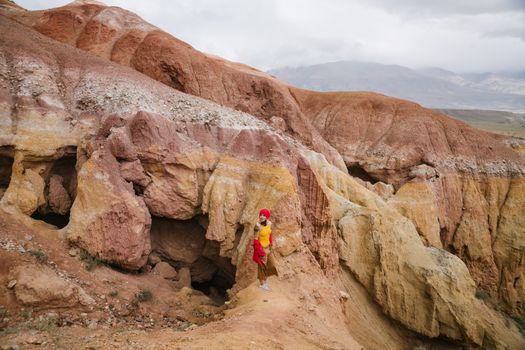
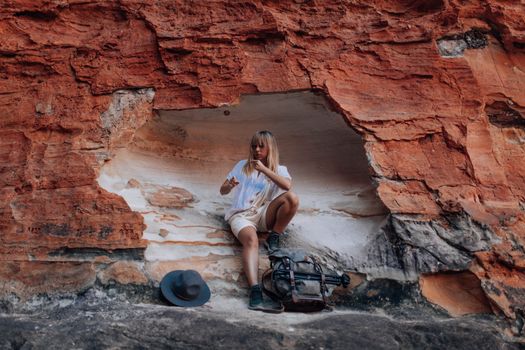
Australia is vast, and while its iconic landmarks draw millions, its remote coastlines hold secrets few ever uncover. My final "zero crowds" discovery took me to the "Painted Cliffs of Terra Incognita," a stretch of coastline in Western Australia known only to a handful of local surfers and intrepid explorers. It’s a place where the ocean has sculpted sandstone cliffs into incredible, multi-hued formations, resembling a giant abstract painting.
After a long drive along unsealed roads, and a scramble down a barely-there path, I found myself on a deserted beach. Before me, the cliffs rose majestically, their layers of ochre, crimson, cream, and grey swirling together. Waves crashed rhythmically, carving new patterns into the soft rock. I spent an entire afternoon walking the beach, mesmerized by the intricate details, the vibrant colors, and the sheer scale of nature's artistry. The only footprints were my own.
Why it's crowd-free:
This location is extremely remote, requiring a 4WD vehicle and a willingness to navigate unpaved, sometimes challenging, roads. It's not signposted and isn't part of any mainstream tourist route.
Photography Tips: Golden hour and blue hour will bring out the most vibrant colors in the cliffs. Use a wide-angle lens to capture the sweeping scale. Look for interesting textures and patterns in the sandstone. Long exposures of the waves crashing against the cliffs can create a silky, ethereal effect, contrasting with the rugged rock. Bring a drone for incredible aerial perspectives.
Personal Anecdote: I found a small rock pool at the base of the cliffs, perfectly reflecting the vibrant colors above. As the sun dipped below the horizon, painting the sky in fiery hues, the reflection in the pool became a miniature, perfect version of the grand spectacle, a moment of pure, unexpected beauty.
Practical Details: Fly into Perth (PER) and rent a robust 4WD vehicle. Research specific directions from local forums or trusted adventure travel blogs, as official signage is minimal. Carry extra fuel, water, and emergency supplies. Be aware of tidal patterns; some areas may be inaccessible at high tide. This is a free wilderness area, but respect for the environment and personal safety are paramount.
The Art of Uncovering the Unseen
These seven destinations are more than just pretty places; they represent a mindset. The most incredible photographs often come from the most profound experiences, and nothing fosters that better than solitude and the thrill of genuine discovery. It's about being present, truly seeing, and letting the landscape speak to you.
My journey to find these crowd-free wonders has reshaped how I travel. It’s taught me patience, resilience, and the immense value of local knowledge. It's also filled my camera roll with images that tell stories – stories of adventure, of quiet awe, and of the world's untouched beauty.
So, next time you're planning a trip, consider venturing off the beaten path. Ask locals for their secret spots. Be willing to go the extra mile, literally. The reward isn't just a stunning photograph; it's an unforgettable experience that will stay with you long after the likes roll in.
Which of these incredible spots is calling your name? Share your dream crowd-free destination in the comments below! And don't forget to tag #TripsoraSecrets and #ZeroCrowds when you post your own mind-blowing shots!
---