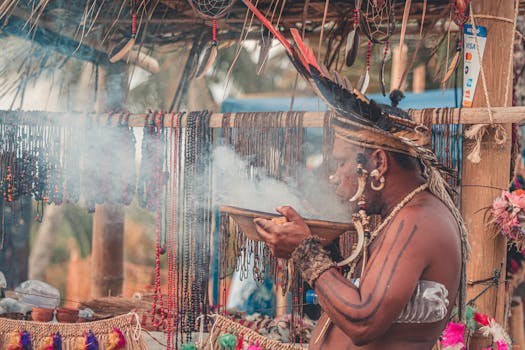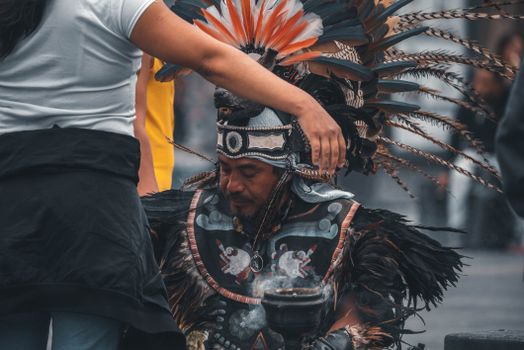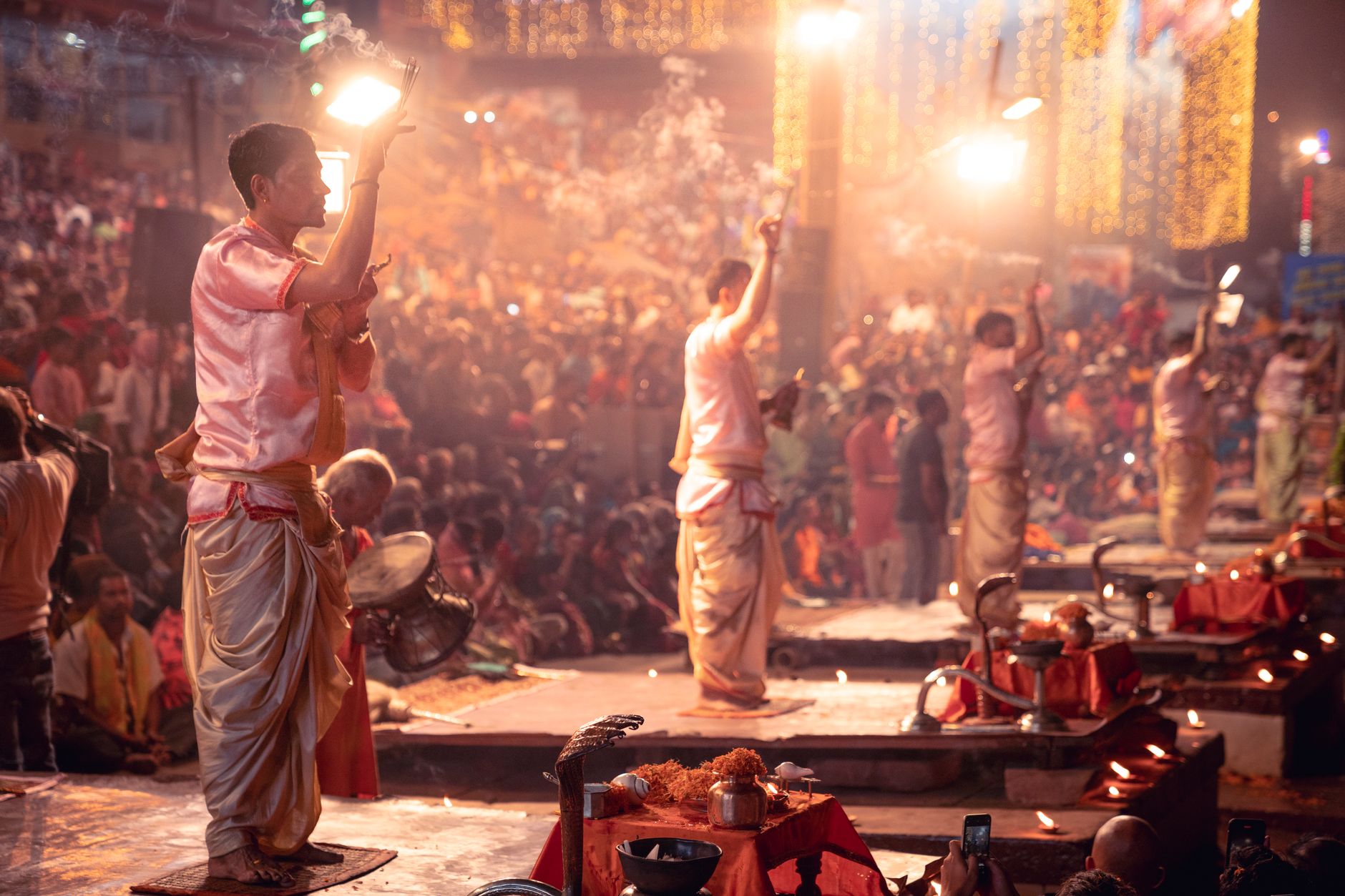
The drumbeat was a primal throb against my ribs, vibrating through the humid Kerala night. Flickering oil lamps cast dancing shadows on the mud walls of the small temple, illuminating faces rapt in devotion. Suddenly, a figure emerged, adorned in an elaborate, towering headdress and vibrant body paint, moving with an otherworldly grace. The air crackled with energy, a palpable sense of the divine descending. This wasn't on any tourist map. No buses pulled up, no touts hawked souvenirs. This was Theyyam, a sacred ritual art form, and I was one of perhaps a dozen foreigners witnessing a moment of profound spiritual power.
I stumbled upon it purely by chance, a whisper from a local guesthouse owner, a cryptic nod towards a distant village. And in that moment, I understood something profound: the most incredible travel experiences aren't found in glossy brochures. They're found in the hushed tones of local conversations, in the quiet corners of a world fiercely guarding its true essence.
Welcome, fellow wanderers, to the sacred secret society of travel. We’re talking about religious festivals so deeply ingrained in local culture, so devoid of tourist infrastructure, that they feel like a precious gift when you find them. These aren't events "locals don't want tourists to know" out of malice, but out of a profound desire to preserve their authenticity, their sacredness, and their community spirit from the commercialization that often follows the tourist dollar. And if you approach them with genuine respect, humility, and an open heart, you might just be invited into a world few ever see.
This isn't about crashing a private party; it's about earning your welcome. It's about becoming a respectful observer, perhaps even a quiet participant, in moments that truly define a culture. Ready to trade the well-worn path for a truly transformative journey? Let's unlock some of the world's most incredible, yet largely unknown, religious festivals.
The Call of the Unseen: Why Chase the Unadvertised?
In an age of hyper-connectivity and over-tourism, finding truly authentic experiences feels like discovering a hidden treasure. Major festivals like Rio Carnival, Oktoberfest, or Holi in Jaipur are undoubtedly spectacular, but they often come with a price – crowds, inflated prices, and a palpable sense of performance for an audience.
The festivals we're talking about today? They exist for themselves. They are expressions of faith, community, and tradition, passed down through generations. They are vibrant, raw, and sometimes even a little unsettling in their intensity. When you witness such an event, you're not just a spectator; you're a momentary part of something ancient and alive.
The "locals don't want tourists to know" angle isn't about exclusion; it's about preservation. It's a plea for reverence over revenue. And for the respectful traveler, this translates into an unparalleled opportunity for genuine cultural immersion. You learn to listen more, observe keenly, and appreciate the privilege of being there. This isn't just travel; it's a pilgrimage into the heart of human belief.
Fire, Drums, and Divine Possession: Theyyam, Kerala, India
My first encounter with Theyyam was a complete accident. I was deep in North Kerala, exploring the backwaters, when my host mentioned a "temple dance" happening in a nearby village. What unfolded was far more than a dance. It was a centuries-old ritual, where local men, through elaborate make-up, costumes, and intense drumming, literally embody deities.
The air was thick with the scent of incense and sweat. The rhythmic drumming built to a frenzy, and the performer, eyes wide and unseeing, began to tremble. His movements became sharp, deliberate, yet fluid – no longer human, but divine. Villagers approached him, seeking blessings, touching his feet, whispering prayers. It was raw, powerful, and utterly mesmerizing. I felt like I had stepped back in time, witnessing a spiritual drama unfold that predated organized religion.
The Experience:
Theyyam is a ritualistic art form performed in kavus (sacred groves) and temples, primarily in the Malabar region of North Kerala. The performers, known as 'Kolams,' undergo rigorous preparations, including fasting and meditation, before embodying the gods and goddesses. It’s a deeply spiritual experience, often lasting for hours, sometimes through the night, involving intricate makeup (often taking a full day to apply), elaborate costumes, and mesmerizing drum music.
Where & When:
Theyyam season runs from October to May. It’s not held in fixed locations or on a calendar like other festivals. Instead, individual temples and groves schedule their Theyyam performances throughout the season. The best way to find one is to be in North Kerala (Kannur, Kasaragod, Kozhikode districts) during the season and ask locals. Guesthouse owners, auto-rickshaw drivers, or even shopkeepers often know where and when a Theyyam is scheduled. Look for temporary bamboo structures or small, decorated shrines.
Practical Tips:
* Dress Code: Extremely modest. Cover your shoulders and knees. Remove shoes before entering the temple area.
* Photography: Be incredibly discreet. Ask permission if possible, but often a respectful nod is understood. Never use flash during intense ritual moments. Remember, this isn't a show; it's a sacred ceremony.
* Participation: You are an observer. Maintain silence, respect the devotees' space, and do not interrupt. If offered prasadam (sacred food), accept it respectfully.
* Accommodation: Stay in smaller towns like Kannur or Bekal, and be prepared to travel by local bus or auto-rickshaw to villages.
* Cost: Free to observe. You might consider a small donation to the temple if you feel moved to do so.
Demons on Parade: Ogoh-Ogoh, Bali, Indonesia
Everyone knows about Bali's Nyepi, the Day of Silence. But what about the night before? That's when Bali truly erupts in a cacophony of sound and color, a raw, electrifying spectacle known as the Ogoh-Ogoh Parade. Most tourists are advised to stay in their hotels on Nyepi Eve, but that's precisely when the most incredible local magic happens.
I remember my first Ogoh-Ogoh night in Denpasar. The streets, usually choked with traffic, were now a river of people. Giant, grotesque papier-mâché effigies of demons and evil spirits, crafted with incredible artistry by local communities, were paraded through the streets. Each banjar (neighborhood committee) had their own creation, a testament to months of collaborative effort. The air vibrated with the clang of gamelan orchestras, the shouts of young men carrying the massive effigies on bamboo platforms, spinning them wildly to disorient the demons. The energy was frenetic, primal, and utterly intoxicating. It’s a chaotic, beautiful ritual of purification, where the Balinese symbolically purge their island of evil before the profound silence of Nyepi.
The Experience:
Ogoh-Ogoh parades happen all over Bali on the eve of Nyepi (the Balinese Day of Silence). Communities create elaborate effigies of Bhuta Kala (demonic entities) and parade them through the streets, often accompanied by gamelan music and torches. The parades culminate in the burning of the effigies, symbolizing the cleansing of the island from negative forces.
Where & When:
Primarily in Denpasar, Ubud, Sanur, and other towns across Bali. It takes place on the eve of Nyepi, which usually falls in March (check the Balinese Saka calendar for exact dates).
Practical Tips:
* Safety: The parades can be very crowded and intense. Stay aware of your surroundings, especially when the Ogoh-Ogoh are being spun.
* Respect: While it's a lively event, it's deeply religious. Avoid excessive drinking or disruptive behavior.
* Photography: It's generally accepted, but be mindful not to get in the way of the procession or block locals' views.
* Traffic: Roads will be closed, so plan to walk or stay in one area.
* Stay Local: Find a good spot on the street or a balcony in a local guesthouse. Avoid designated "tourist viewing areas" if they exist, as they often dilute the experience.
* Cost: Free to observe.
The Wild Ride: Danjiri Matsuri, Kishiwada, Japan
Forget the serene cherry blossoms and ancient temples for a moment. Japan has a wild, dangerous, and utterly thrilling side that most tourists never glimpse. The Danjiri Matsuri in Kishiwada, Osaka, is one such spectacle. This isn't a festival for the faint of heart, and it's certainly not curated for international visitors. It's a raw, visceral display of community pride and adrenaline-fueled tradition.
I arrived in Kishiwada on a crisp September morning, drawn by whispers of a festival where massive wooden floats were pulled at breakneck speeds through narrow streets. What I witnessed was beyond description. Teams of men, clad in traditional happi coats, strained at ropes, pulling enormous, intricately carved wooden floats (danjiri) weighing up to 4 tons. On top, the daikugashira (carpenter chiefs) danced precariously, guiding the float with hand signals as it careened around corners at incredible speeds. The air was thick with shouts, the roar of the crowd, and the scent of wood and sweat. It was a heart-stopping ballet of danger and precision, a testament to generations of skill and unwavering community spirit. This isn't just a festival; it's the very soul of Kishiwada.
The Experience:
The Danjiri Matsuri is one of Japan's most thrilling and dangerous festivals. Teams from different neighborhoods pull large, elaborately carved wooden floats through the streets. The highlight is the "Yarimawashi," where the floats are turned at high speed around corners, a maneuver that requires immense skill and teamwork. It's a powerful display of local pride, courage, and tradition.
Where & When:
Primarily in Kishiwada City, Osaka Prefecture. It takes place over two days in mid-September (usually the weekend before Respect for the Aged Day).
Practical Tips:
* Safety First: This festival is genuinely dangerous. Spectators have been injured. Always stand behind designated barriers, follow police instructions, and never try to cross the street during a procession.
* Viewing Spots: Arrive early to secure a good spot along the route, especially near corners where the Yarimawashi takes place.
* Respect: This is a serious event for locals. Avoid loud chatter, don't obstruct views, and appreciate the immense effort and risk involved.
* Getting There: Take the Nankai Line from Namba Station in Osaka to Kishiwada Station. The festival areas are within walking distance.
* Cost: Free to observe.
Whispers of Ancestors: Pchum Ben, Cambodia (Village Pagodas)
Cambodia often conjures images of Angkor Wat, but beyond the grand temples lies a rich tapestry of living culture. One of the most poignant and least-touristed festivals is Pchum Ben, the "Ancestor's Day." While Phnom Penh and Siem Reap will have ceremonies, the true heart of Pchum Ben lies in the quiet, rural village pagodas, where families gather to honor their deceased loved ones.
I found myself in a small village outside Battambang during Pchum Ben. The air was filled with the soft chanting of monks and the murmur of families. People arrived with elaborate food offerings, incense, and flowers, carefully placing them on altars and even on the ground for hungry ghosts. Children ran around, hushed by their elders, as grandparents recounted stories of ancestors. It was a deeply personal, communal act of remembrance and devotion, a powerful reminder of the unbroken chain of life. There was no commercialism, just pure, heartfelt reverence. I was struck by the universal human need to connect with the past, a quiet beauty that resonated deeply.
The Experience:
Pchum Ben is a 15-day Cambodian religious festival, culminating in a public holiday. It’s a time when Cambodians pay respects to their ancestors, particularly those who have died without proper funerals or who are suffering in the afterlife. Families visit pagodas, bringing food offerings for the monks and for the "hungry ghosts." It's a deeply spiritual and communal time.
Where & When:
Throughout Cambodia, but most authentically experienced in rural village pagodas. The festival typically falls in September or October (check the lunar calendar for exact dates).
Practical Tips:
* Dress Code: Extremely modest. Shoulders and knees must be covered.
* Behavior: Be quiet and respectful. Observe from a distance unless invited to participate.
* Offerings: If you wish to make an offering, you can buy small food items or incense from local markets. Ask a local how to present them respectfully.
* Photography: Be very discreet. Ask permission before photographing individuals, especially during prayer.
* Local Immersion: This is a perfect festival to experience if you are staying in a homestay or with a local family, as they can guide you through the customs.
* Cost: Free to observe. Donations to the pagoda are appreciated.
Earning Your Welcome: The Unwritten Rules of Sacred Travel
Venturing into these less-known festivals is an incredible privilege, and it comes with a responsibility. Remember, you are a guest in someone else's sacred space. Here's how to ensure your presence is respectful and enriching for everyone involved:
- Do Your Homework: Before you go, research the festival's meaning, its history, and its significance to the local community. Understanding its context will deepen your appreciation and guide your behavior.
- Hire a Local Guide: This is invaluable. A local guide can not only help you find these elusive events but also explain the nuances, introduce you to people, and advise you on appropriate etiquette. They are your bridge to authentic immersion.
- Dress Modestly: This cannot be stressed enough. Always cover your shoulders and knees, and err on the side of caution. In many cultures, respectful attire is the first sign of respect.
- Photography with Permission: Always ask before taking photos, especially of individuals. If you can't ask, be discreet and avoid using flash during sacred moments. Sometimes, the best photo is the one you take with your mind's eye.
- Observe, Don't Disrupt: Understand that you are an observer, not a participant, unless explicitly invited. Maintain silence, stay out of the way of processions or rituals, and avoid drawing attention to yourself.
- Learn Basic Phrases: Even a few words in the local language ("hello," "thank you," "excuse me") can go a long way in showing respect and opening doors.
- Patience and Humility: Things may not run on time, or you might not understand everything. Embrace the unknown with an open mind and a humble spirit.
- Support Local: Buy food from local vendors, stay in locally-owned guesthouses, and purchase crafts directly from artisans. Your tourism dollars can make a meaningful difference to these communities.
- Leave No Trace: Be mindful of your environmental impact. Dispose of waste properly and leave the sacred spaces exactly as you found them.
Your Next Adventure Awaits: Beyond the Guidebook
These hidden religious festivals are more than just events; they are windows into the soul of a culture. They offer a chance to connect with humanity on a deeper level, to witness faith in its purest, most unadulterated form. They will challenge your perceptions, ignite your senses, and leave you with stories that no mainstream tour ever could.
So, are you ready to step off the well-trodden path? Are you prepared to earn your welcome and discover the sacred secrets that locals hold dear? The world is full of these extraordinary moments, waiting for the respectful traveler to uncover them.
Which of these hidden festivals calls to you most? Or perhaps you've stumbled upon a secret festival of your own? Share your experiences in the comments below! And don't forget to share this guide with your fellow adventurers – let's inspire more responsible, authentic travel!
---