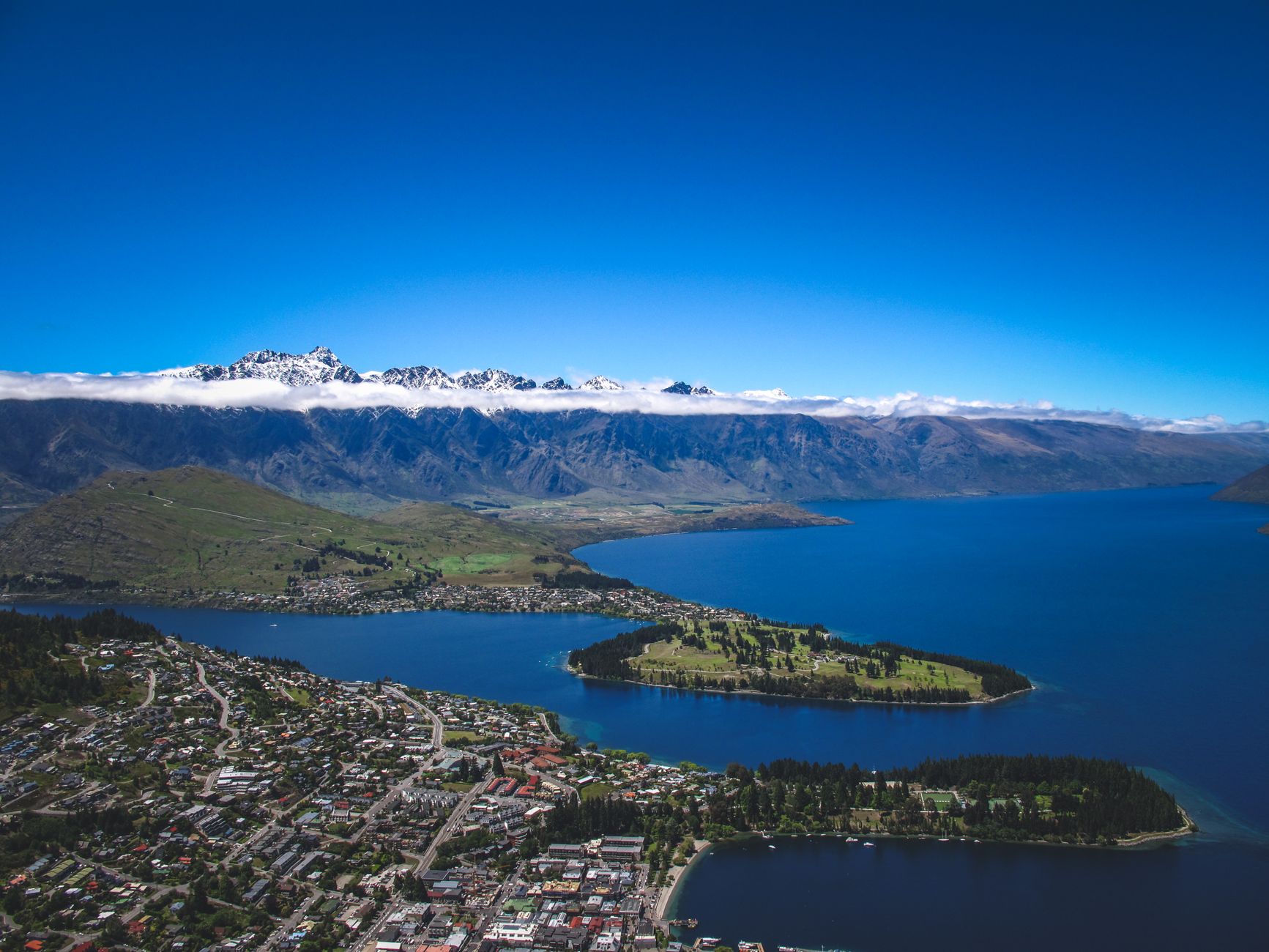
Deciding between Queenstown vs Melbourne comes down to choosing between dramatic wilderness adventures and sophisticated urban exploration. Queenstown is a compact New Zealand alpine resort built on outdoor sports, mountain panoramas, and lakeside dining. Melbourne is Australia's cultural capital, celebrated for heritage streetscapes, a world-leading café culture, renowned art institutions, and major sporting events. Both destinations sit in the Southern Hemisphere, but they offer fundamentally different holidays.
| Category | Queenstown | Melbourne |
|---|---|---|
| Best For | Outdoor sports, alpine scenery, lake views, ski holidays | Food, coffee, street art, shopping, live sports, arts |
| Cost Level | High (accommodation and activities are premium) | Moderate to High (broad range of options available) |
| Weather | Alpine; warm summers (18–25°C), cold winters (-2–8°C) | Temperate oceanic; hot summers (20–30°C+), cool winters (7–14°C) |
| Getting Around | Compact walkable town centre, local Orbus buses, rental cars | Extensive public transport: trams, trains, and buses |
| Crowds | Peaks during summer (Dec–Feb) and ski season (Jul–Aug) | Steady year-round; spikes during major sporting events |
| Food & Drink | Central Otago Pinot Noir, casual burgers, upscale lakefront dining | Speciality coffee, pan-Asian dining, Italian precincts, laneway bars |
| Nightlife | Lively backpacker pubs, craft beer taprooms, fireside wine lounges | Hidden speakeasies, rooftop bars, late-night music clubs |
| Day Trips | Milford Sound, Arrowtown, Wanaka, Glenorchy | Great Ocean Road, Yarra Valley, Phillip Island, Dandenong Ranges |
| Ideal Trip Length | 4 to 6 days | 4 to 5 days |
Queenstown vs Melbourne: The Core Differences
The geography of each destination dictates the pace of your stay. Queenstown, situated on the shores of Lake Wakatipu against the jagged peaks of The Remarkables, feels like an outpost carved into nature. The entire town has a permanent population of around 16,000 residents, though seasonal visitors expand that number significantly. You are never more than a few minutes away from mountain trails, water activities, or alpine vistas.
Melbourne, by contrast, is a sprawling metropolis of roughly five million people wrapping around Port Phillip Bay. It operates on a grid system flanked by the Yarra River, with distinctive inner suburbs that function as independent villages. Where Queenstown encourages you to look upward at mountain peaks and outward at glacial lakes, Melbourne directs your attention inward: through heritage arcades, narrow laneways filled with murals, basement record shops, and residential dining pockets.
Atmosphere and Setting: Alpine Hub vs Urban Grid
Queenstown: Pure Southern Alps Scenery
The visual impact of Queenstown hits you immediately upon arrival. Flights land at Queenstown Airport in Frankton, approaching through a valley bordered by sheer mountain slopes. The town centre hugs Queenstown Bay, where historic steamers like the TSS Earnslaw cruise the lake. The rhythm of daily life is tied to the weather and seasons. In the winter months from June to September, the town fills with skiers heading up to Coronet Peak or The Remarkables. During the summer from December to February, daylight stretches past 9:00 pm, and the lakefront is filled with hikers, mountain bikers, and sightseers.
Melbourne: Cultural Architecture and Distinct Suburbs
Melbourne does not rely on dramatic topography. Instead, its charm lies in nineteenth-century Victorian architecture, expansive botanical gardens, and distinct urban quarters. The Central Business District (CBD) combines historic buildings like Flinders Street Station with modern towers. Just north of the centre, Carlton features Italian trattorias along Lygon Street, while Fitzroy is known for heritage row houses, thrift stores, and independent bookshops along Brunswick Street and Gertrude Street. To the south, St Kilda offers coastal promenades, sea baths, and a long-standing cake shop tradition on Acland Street.
Pro tip: When visiting Melbourne, do not spend your entire trip inside the CBD grid. Board the Route 11 or 96 tram to Fitzroy or the Route 16 tram to St Kilda to experience the neighbourhoods where locals actually spend their weekends.
Things to Do: Thrills vs Arts and Culture
Your daily itinerary will look completely different depending on which destination you choose. Queenstown focuses heavily on guided excursions and outdoor movement, whereas Melbourne rewards independent neighbourhood exploration, museum visits, and spectator sports.
Outdoor Pursuits in Queenstown
Queenstown is widely recognized as the commercial birthplace of bungy jumping, initiated at the Kawarau Bridge in 1988. High-adrenaline activities remain central to the local tourism sector. Popular activities include:
- Jet boating: Jet boats skim across shallow alpine rivers in Queenstown Bay and the Shotover River canyon.
- Skyline Gondola: Ride to the top of Bob's Peak for panoramic views of Lake Wakatipu and access to downhill luge tracks.
- Hiking: Tackle day hikes ranging from the moderate Queenstown Hill Track (approx. 2 to 2.5 hours return) to the steep Ben Lomond Track (approx. 6 to 8 hours return).
- Winter Sports: Four ski fields sit within driving distance, including Cardrona and Treble Cone, located slightly further north toward Wanaka.
Cultural Attractions in Melbourne
Melbourne offers an extensive arts precinct centred on the Southbank river promenade. Major sights include:
- National Gallery of Victoria (NGV): Split between NGV International on St Kilda Road and the Ian Potter Centre at Federation Square, hosting world-class permanent collections and international exhibitions.
- Laneways and Street Art: Pedestrian thoroughfares such as Hosier Lane, AC/DC Lane, and Degraves Street showcase continuously evolving murals and independent espresso bars.
- Melbourne Cricket Ground (MCG): The cathedral of Australian sport, hosting Australian Football League (AFL) matches in winter and international cricket in summer.
- State Library Victoria: Features the historic La Trobe Reading Room with its vast domed ceiling and free heritage exhibits.
Food, Coffee, and Nightlife
Both destinations punch above their weight gastronomically, though Melbourne is a global culinary powerhouse, while Queenstown specialises in quality casual bites and regional wine.
Melbourne Dining: World-Class Diversity
Melbourne's food landscape reflects decades of postwar European and Asian migration. The city claims some of the highest standards of speciality coffee in the world, with flat whites and single-origin filter coffees served in converted warehouses across Collingwood, South Melbourne, and the CBD. Chinatown along Little Bourke Street is the oldest continuous Chinese settlement in the western world, offering exceptional Cantonese dim sum, Sichuan noodle houses, and modern pan-Asian fine dining. Nightlife ranges from unmarked speakeasies hidden behind bookcase doors to rooftop cocktail lounges overlooking the skyline.
Queenstown Dining: Local Produce and Craft Drinks
Queenstown offers a smaller, concentrated dining footprint. Fast-casual dining is anchored by spots like Fergburger, an internationally known burger joint where queues frequently run down Shotover Street. For more relaxed dining, restaurants line Steamer Wharf, serving pasture-raised New Zealand lamb, Fiordland venison, and King Salmon. Queenstown also serves as a staging ground for the Gibbston Valley, known for cool-climate Pinot Noir. The town's nightlife is dominated by lively pubs that cater to international ski staff, seasonal workers, and backpackers.
Pro tip: Avoid the midday line at Fergburger by phoning your order in advance for collection, then take your lunch across the street to enjoy on the grass at Queenstown Bay Beach.
Travel Costs and Daily Budgets
Neither Queenstown nor Melbourne is considered a cheap destination, but the nature of your expenses will differ significantly. Please note that all prices are approximate ranges in British Pounds (GBP) based on historical averages; always verify current rates, tariffs, and exchange fees before booking.
Queenstown Costs
Queenstown commands high rates for lodging and excursions due to isolated supply chains and heavy tourist demand:
- Hostel dorm bed: approx. £25–£45 per night.
- Mid-range hotel: approx. £130–£240 per night.
- Casual meal: approx. £12–£20 per person.
- Major activities (bungy, jet boat, skydive): approx. £80–£250 per experience.
- Car rental: approx. £40–£80 per day (higher in peak ski season).
Melbourne Costs
Melbourne provides a broader inventory of hotels and transport options, making it somewhat easier to control costs:
- Hostel dorm bed: approx. £20–£35 per night.
- Mid-range hotel: approx. £90–£170 per night.
- Casual meal (laneway café or Chinatown noodle bar): approx. £8–£16 per person.
- City transport: free within the CBD Free Tram Zone; standard public transit capped at approx. £5.50 per day using a physical or digital myki card.
- Major museums: permanent collections at the NGV and State Library Victoria are free to enter.
Getting Around and Transport Links
Transport logistics differ significantly between a rural mountain hub and a massive coastal capital.
Navigating Queenstown
The town centre of Queenstown is easily walked from end to end in 15 minutes. The regional Orbus network provides inexpensive bus transit connecting the centre to Frankton, Arrowtown, and Kelvin Heights (approx. £1–£2 per ride when paying with a Bee Card). However, to explore the surrounding national parks, mountain passes, and lakeshores independently, hiring a rental car or booking organized coach transport is essential.
Navigating Melbourne
Melbourne has the largest operational tram network in the world. Visitors can ride for free within the designated Free Tram Zone, which covers the primary central business district and Docklands. For travel beyond the centre, trains run frequently from central stations like Flinders Street and Southern Cross to outer suburbs. Taxis and rideshare operators are widely available. Melbourne Airport (Tullamarine) sits approximately 23 kilometres northwest of the city centre, connected by the express SkyBus service running every 10 to 15 minutes (approx. £12 one way).
Day Trips and Regional Travel
Both hubs offer outstanding regional excursions within a two- to four-hour radius.
Top Excursions from Queenstown
- Milford Sound / Piopiotahi: Located inside Fiordland National Park, this glacier-carved fjord features sheer cliffs, dramatic waterfalls, and marine wildlife. It requires a full-day tour (approx. 4 to 5 hours driving each way by coach) or a direct scenic flight from Queenstown Airport.
- Arrowtown: A historic gold-mining settlement 20 minutes north of Queenstown, featuring preserved miners' cottages from the 1860s and walking trails alongside the Arrow River.
- Glenorchy: A scenic 45-minute drive tracing the edge of Lake Wakatipu, leading to hiking routes like the Routeburn Track.
Top Excursions from Melbourne
- The Great Ocean Road: A coastal drive south-west of Melbourne past seaside towns like Lorne and Apollo Bay, ending at the limestone stacks known as the Twelve Apostles.
- Yarra Valley: Located one hour east of the city, this wine region is celebrated for cold-climate Chardonnay, Pinot Noir, and boutique dairy farms.
- Phillip Island: Located two hours south-east, popular for the sunset Penguin Parade, where wild Little Penguins return to shore each evening.
Deciding Factor: Which Should You Choose?
Choose Queenstown if:
- Your priority is majestic landscapes, dramatic mountains, and pristine lakes.
- You plan to participate in active sports like hiking, mountain biking, skiing, or skydiving.
- You prefer walking through a compact resort town rather than riding urban public transport.
- You want direct access to the rugged, remote wilderness of New Zealand's South Island.
Choose Melbourne if:
- You value world-class dining, third-wave coffee, and an established cocktail and pub scene.
- You enjoy visiting major art galleries, live theatre, comedy festivals, and heritage architecture.
- You are an avid sports fan wanting to experience an Australian rules football match or test match cricket at the MCG.
- You prefer exploring distinct urban neighbourhoods interconnected by an efficient public transit network.
Common Mistakes to Avoid
- Underestimating travel times to Milford Sound: Many visitors assume Milford Sound is right outside Queenstown. The one-way drive takes over four hours; booking a coach tour or scenic flight is often far less exhausting than driving yourself.
- Ignoring Melbourne's variable weather: Melbourne is famous for having four seasons in one day. Sudden temperature drops and afternoon squalls are frequent, so always carry a lightweight waterproof layer.
- Forgetting to validate public transport in Melbourne: While trams within the designated CBD Free Tram Zone require no ticket, travelling one stop beyond the boundary without tapping on with a valid myki card can result in strict transit fines.
- Not pre-booking Queenstown ski passes and gear: During peak winter months, equipment hire, lift passes, and mountain transport can sell out or require long queues. Arrange rentals before your arrival.
Plan your trip
Whether you want to climb alpine trails around Lake Wakatipu or sample espresso down Melbourne's historic laneways, smart planning makes all the difference. Build your tailored daily itinerary, track budgets, and compare travel routes effortlessly with Tripsora.
Frequently asked questions
Is Queenstown or Melbourne better for a first-time solo traveller?
Melbourne is generally easier for solo travellers who prefer walkability, safe public transit, free cultural attractions, and social hostels across urban neighbourhoods. Queenstown is equally safe and very friendly, but outdoor activities and regional tours can be more expensive to tackle alone.
How many days do you need in Queenstown compared to Melbourne?
You should spend at least four to six days in Queenstown to account for outdoor weather fluctuations and a full-day trip to Milford Sound. Melbourne can be comfortably explored in four to five days, which allows time for the city centre, the inner suburbs, and a day trip to the Yarra Valley or Great Ocean Road.
Can you combine Queenstown and Melbourne in one itinerary?
Yes, direct international flights operate frequently between Melbourne Airport (MEL) and Queenstown Airport (ZQN). Flight times are typically around three hours and thirty minutes, making it simple to link both destinations into a two-week Australia and New Zealand journey.
Which city is more expensive for tourists?
Queenstown is typically more expensive overall due to higher peak accommodation rates and the cost of adventure sports like jet boating or bungy jumping. Melbourne offers a wider range of budget options, free museums, and an inner-city free tram zone that help keep daily costs down.
What is the best month to visit each destination?
For Queenstown, visit between December and February for long hiking days and lake swimming, or July to August for peak ski season. For Melbourne, March to May and October to November offer pleasant, mild temperatures that are ideal for walking tours, dining outdoors, and attending major festivals.


