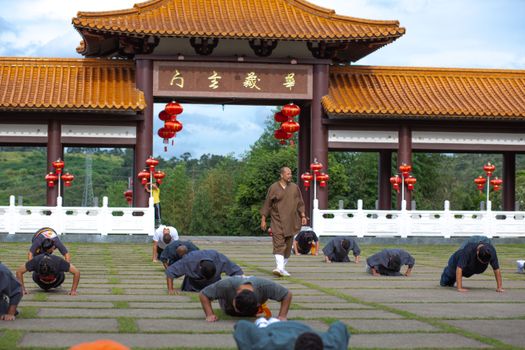
Qi gong is a traditional Chinese practice that combines coordinated movement, breathing and focused attention. It has many styles, from gentle standing routines suited to beginners to more demanding forms linked to martial arts and advanced meditation. Practitioners and teachers in China and many other countries offer instruction, and some welcome foreign students who want to study in depth. Choosing the right teacher and program requires more than picking the most attractive website. Lineage, training structure, language support and the realistic results of study all deserve careful thought.
This article provides a framework for researching qi gong study options. It does not recommend particular masters or schools, because teaching arrangements and availability change, and personal recommendations should be verified independently.
Understanding the Styles and Traditions
Qi gong encompasses a wide family of practices. Medical qigong, martial qigong, Buddhist and Daoist traditions, and modern health-oriented forms all have different aims and methods. Some styles emphasize slow, stationary postures and breathing, while others include dynamic sequences or partner work. Before choosing a program, identify the style you want to learn and the purpose of your study. A beginner who wants daily exercise has different needs from someone seeking advanced training in a traditional lineage.
It is important to approach health claims carefully. Qi gong is often associated with wellbeing and stress reduction, and some studies have examined its effects on balance, mood and symptoms in certain groups. However, qi gong should not be presented as a cure for serious illness, and anyone with a medical condition should consult a qualified healthcare professional.
Evaluating Lineage and Teacher Credentials
Lineage refers to the chain of teachers through which a style has been passed on. Strong programs usually explain their lineage clearly, including the teachers who shaped their approach and how the current instructor was trained. Ask who the teacher studied with, how long they have taught, and whether they hold recognized certifications or affiliations with national associations. These answers help you judge authenticity and consistency, though they do not guarantee quality.
Be cautious with teachers who make grand claims about special powers, rapid mastery or guaranteed healing. Good teachers typically describe progress in terms of practice, patience and gradual skill development. If a school insists on large payments before any trial lesson, ask for a clear explanation of its refund policy.
Program Formats and Language Support
Qi gong can be studied in many formats, including weekly classes, weekend workshops, intensive retreats and longer residential courses. Each format suits different schedules and levels of commitment. Intensive programs can accelerate learning but may be tiring, while regular classes allow time for integration. Ask whether lessons are taught in English or another language you understand, and whether translators are available for detailed instruction. Language barriers can limit the depth of learning, so clarify support before enrolling.
Check the daily structure and expectations for attendance. Some schools expect long periods of practice, while others offer flexible schedules. Ask whether written materials, video references or follow-up support are provided between sessions.
Visas, Costs and Logistics
Study-related travel may require specific visas or permits, and the rules depend on the length and nature of the course. Check with the relevant embassy or consulate well in advance, since some visa categories require documentation from the school. Costs can include tuition, accommodation, meals, transport and insurance. Compare what is included, and ask about payment schedules, deposits and cancellation terms. Accommodation near the school can make a significant difference to comfort and daily routines.
Health and insurance also matter. Confirm that your travel insurance covers the activity and that you understand what to do if you become injured during practice.
Practical Tips
Start with a short introductory class or trial session where possible. Ask for a written syllabus and a clear description of the teacher's background. Learn basic phrases in the local language to show respect and to help with practical matters. Keep a regular practice routine after returning home, since the benefits of qi gong come from consistent repetition. Be respectful of cultural and ceremonial aspects, and ask before taking photographs during classes. Finally, keep expectations modest and treat the study as a long-term process rather than a quick transformation.
Who This Suits and Who It Doesn't
Study abroad in qi gong tends to suit people who have a steady, long-term interest in the practice and who can commit to regular daily work. Students who enjoy structured routines, quiet mornings and gradual progress often find residential or extended programs rewarding. Those who already have some experience with movement or meditation may also be better placed to follow complex instruction, particularly where lessons are delivered in another language.
It may be less suitable for people looking for quick results, dramatic experiences or a short holiday with a light sense of commitment. Anyone with a medical condition, a recent injury or limited mobility should speak to a qualified healthcare professional and ask the school how adaptations are handled before enrolling. Students who struggle with unfamiliar food, long hours or limited free time may find intensive formats tiring. If your main goal is general fitness or stress relief, a local class at home or a shorter introductory course may achieve what you need with less upheaval.
Common Mistakes to Avoid
A frequent error is choosing a program based mainly on its photographs or its promotional language. Attractive images do not reveal how lessons are structured, how many hours are spent in practice or how much individual correction a student receives. Another mistake is underestimating the language barrier. Students sometimes assume that they will pick up instructions by observation alone, only to find that subtle points are lost without interpretation.
Many learners also rush into large payments. Ask whether a trial class is available, and read the refund terms before paying a deposit. Some students forget to plan for visas and documentation early, which can delay start dates. Finally, do not expect a single course to settle every question. Qi gong rewards repetition over time, and the most useful outcome of study abroad is often a daily practice that continues long after the trip ends.
Studying qi gong abroad can be a meaningful way to deepen a practice and learn about a rich cultural tradition. Thoughtful research into styles, lineage, language support and logistics makes it more likely that the experience will be both rewarding and realistic.