The Ghost of the Dragon: Why May 2026 is Your Window
I stepped off the local bus in Huairou, and the first thing that hit me wasn't the sight of the wall, but the smell. It was the heady, sweet scent of wild apricot blossoms and lilac, carried on a cool breeze from the Yanshan Mountains. While millions of tourists were currently being funneled into the "restored" Disney-fied traps of Badaling, I was standing in a dusty village square where an old man was peeling ginger on a stone stool.
"The wall?" he asked, pointing a gnarled finger toward a jagged limestone ridge piercing the morning mist. "It’s up there. But the dragon is sleeping. Don't wake him."
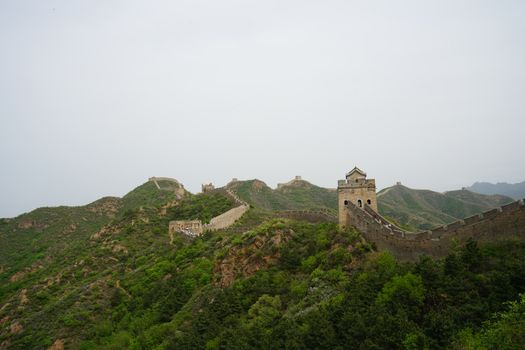
That’s the secret of the Great Wall in May. The weather is a perfect 22°C (72°F), the humidity hasn't yet turned the air into a wet blanket, and the "Wild Wall"—the unrestored, crumbling, authentic Ming Dynasty fortification—is at its most evocative. If you want to touch history without a selfie stick poking you in the ribs, these are the sections you need to scout for May 2026.
1. Jiankou: The Vertigo of the "Eagle Flies Back"
Jiankou is not for the faint of heart, and that is exactly why it remains the holy grail for elite travelers. Unlike the paved paths of Mutianyu, Jiankou is a jagged spine of white dolomite.
In May, the mountainside is a riot of green, contrasting sharply with the bleached white stone. The most iconic spot is "The Eagle Flies Back," a section so steep that even eagles are said to fly backward to avoid the vertical ascent.
The Insider Detail:
Look for the "Sky Stairs." These are nearly vertical steps where the stone has been reclaimed by moss. In May 2026, local conservation efforts have limited access to certain "core" zones, but the trek from Zhengbeilou to Mutianyu remains the gold standard for a day hike.
* Pro-Tip: The hidden entrance is behind a small pear orchard in Xizhazi Village. Look for the red ribbons tied to the branches by local hikers.
2. Huanghuacheng: The Submerged Ramparts
Imagine the Great Wall dipping its toes into a crystal-clear lake. Huanghuacheng is the only section of the wall in Beijing that is partially submerged. In the 1970s, the construction of the Xishuiyu Reservoir flooded the valley, leaving three sections of the wall underwater.
While the "Water Great Wall" park has gained some traction, the actual secret lies in the unrestored western flank. Here, you can walk through 500-year-old chestnut orchards—planted by the very soldiers who guarded the wall—and watch the sunset reflect off the water-touched stone.
The Insider Detail:
The chestnut blossoms bloom in late May. The scent is nutty and heavy, and the local "Chestnut Chicken" stew served in the nearby farmhouses is the only fuel you’ll need after a six-hour trek.
3. Gubeikou: The Living Museum of the Panlongshan
Gubeikou is where history feels heavy. This wasn't just a wall; it was a battlefield that saw action from the Northern Qi Dynasty all the way to the 1933 "War of Resistance" against Japanese forces.
The Panlongshan (Coiling Dragon Mountain) section is unique because it features a "Double Wall"—two lines of defense running parallel. In May, the tall grass between the walls is filled with wildflowers, making it look more like a forgotten English garden than a military fortification.
The Insider Detail:
Unlike other sections, Gubeikou is completely unrestored but remarkably walkable. There are no cable cars. There are no souvenir stands. Just you and the 24-hole guard tower, which remains the most architecturally complex tower on the entire frontier.
4. Chenjiapu: The Architect’s Secret
Located in the far reaches of Yanqing, Chenjiapu is the section that architects and artists flock to. In 2026, it remains largely off the tourist radar because it requires a private driver and a bit of grit to find.
The masonry here is different—the bricks are larger, and the mortar (a mix of lime and sticky rice flour) has held up remarkably well. It’s a "U-shaped" section of the wall that hugs the contours of a natural amphitheater.
The Insider Detail:
There is a tiny, boutique coffee shop that opened in a converted stone hut at the base of the trail in late 2025. Order a "Sea Salt Latte" and ask the owner, Mr. Li, about the secret path to the "General’s Watchtower."
5. Lianhuachi: The Lotus Pond Silence
Lianhuachi (Lotus Pond) is often skipped because it sits right between the famous Mutianyu and Jiankou sections. But while the crowds turn right toward the restored towers, you should turn left.
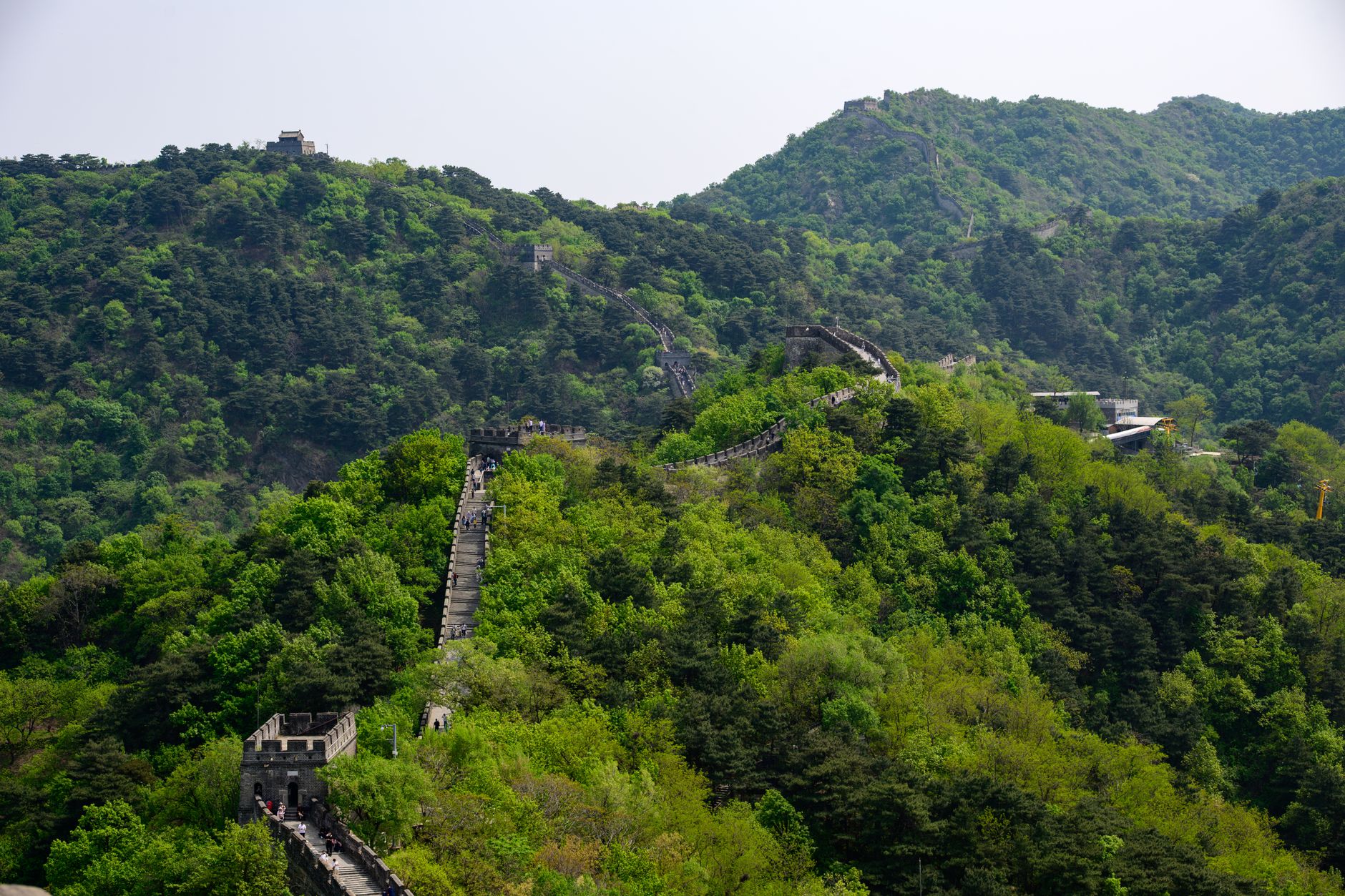
The ascent is steep, through a forest of walnut and apricot trees. By mid-May, the canopy is so thick it creates a natural tunnel of green. When you finally break out onto the ridge, you are rewarded with a 360-degree view of the "Wild Wall" snaking into the horizon like a broken ribbon of silk.
The Insider Detail:
Visit at 7:00 AM. The morning mist settles into the valleys, leaving only the watchtowers poking through like islands in a white sea. It is the most "viral" shot you will ever take, yet there won't be another soul in the frame.
Logistics: How to Conquer the Wall in May 2026
| Section | Effort Level | Best For | Est. Cost (USD) | How to Get There |
| :--- | :--- | :--- | :--- | :--- |
| Jiankou | Extreme | Adrenaline & Photos | $80 - $120 | Private driver to Xizhazi Village (2 hrs from Beijing) |
| Huanghuacheng| Moderate | Romance & Nature | $50 - $70 | Bus 916 from Dongzhimen to Huairou, then local taxi |
| Gubeikou | Low-Moderate | History Buffs | $60 - $90 | High-speed rail to Miyun, then 40-min car ride |
| Chenjiapu | Moderate | Solitude | $100+ | Requires private car/guide from Beijing (3 hrs) |
| Lianhuachi | High | Pure Hiking | $40 - $60 | Local bus to Huairou, then "Black Cab" to the trailhead |
Pro-Tips for the Elite Traveler:
1. The "May" Rule: Avoid the first week of May (Labor Day Golden Week) at all costs. The "hidden" sections stay quiet, but the traffic leaving Beijing will turn a 2-hour drive into a 6-hour nightmare. Aim for May 12th–25th.
2. Gear Up: These aren't paved paths. You need Grade A trekking boots with ankle support. The loose "scree" (sliding stones) on the wild wall is notorious for twisted ankles.
3. Leave No Trace: In 2026, the Chinese government has increased fines for littering on the wall. Pack out what you pack in. Be the traveler the locals respect.
4. The Local "Jianbing": Don't pack a boring sandwich. Stop at a roadside stall in the morning for a Jianbing (savory crepe). Ask for extra baocui (crispy cracker) and spicy bean paste. It’s the breakfast of Ming Dynasty champions.
Authenticity is the New Luxury
The Great Wall isn't a monument to be "seen"; it’s an experience to be felt. It’s the grit of 500-year-old dust on your fingertips. It’s the silence of a mountain peak where the only thing moving is a hawk circling for prey. In May 2026, don't follow the flags and the megaphones. Follow the ridges, the ruins, and the sweet scent of the mountain air. That is where the dragon truly lives.
---