The Aurora's Secret Embrace: Your Guide to Sleeping Under the Lights (Before Everyone Else Does!)
The Arctic wind nipped at my cheeks, but I barely noticed. My gaze was fixed upwards, a gasp catching in my throat as emerald ribbons unfurled across the velvet blackness. It was my first time seeing the Northern Lights, a bucket-list moment I’d chased for years. But as I stood shoulder-to-shoulder with dozens of other eager tourists, camera flashes sporadically distracting from the natural spectacle, I couldn't shake a tiny whisper of disappointment. The magic was there, yes, but the intimacy, the profound solitude I’d imagined, was somewhat diluted.
That night, a new quest was born: to not just see the Aurora, but to sleep under it. To find places where the only sounds were the whisper of the wind and the crackle of the ice, where the celestial ballet felt like a personal serenade. And crucially, to find these havens before they became the next Instagram sensation, swamped by tour buses and selfie sticks.
If your heart yearns for that pristine, unadulterated Aurora experience – the kind where you can truly immerse yourself in its otherworldly glow from the comfort of your own unique accommodation – then you've come to the right place. Welcome, fellow adventurer, to the Tripsora guide to sleeping under the Northern Lights, in the secret spots that are still largely untouched.
Why Go Off-Grid for the Aurora? The Unrivaled Appeal of Seclusion
The allure of the Northern Lights is undeniable, drawing millions to the Arctic Circle each year. Popular hubs like Reykjavik, Tromsø, and even specific glass igloo resorts have become synonymous with Aurora hunting. And while these places offer incredible opportunities, they often come with a trade-off: crowds, light pollution, and a more "packaged" experience.
Going off-grid, however, unlocks a different kind of magic. Imagine:
- Uninterrupted Views: Far from city lights, the darkness is profound, allowing the Aurora to truly pop with vibrant intensity.
- Genuine Connection: Without the distractions of tour groups, you forge a deeper connection with nature and the raw, untamed beauty of the Arctic.
- Unique Accommodations: These hidden gems often boast bespoke, innovative sleeping arrangements – think glass bubbles, floating hotels, or remote wilderness cabins – designed for an immersive celestial experience.
- Authentic Local Culture: Away from the tourist traps, you're more likely to encounter genuine local hospitality, traditional cuisine, and cultural insights.
- Unbeatable Photography: Capture truly unique shots without battling for space or dealing with unwanted light sources.
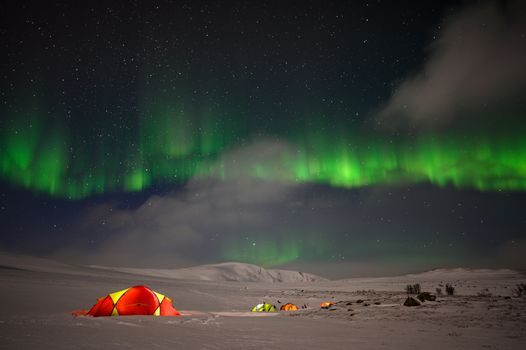
My most memorable Aurora night wasn't from a designated viewing point, but from the porch of a small cabin deep in the Finnish wilderness. The silence was absolute, the air crisp and clean, and when the lights appeared, they felt like a secret shared just between me and the vast Arctic expanse. That's the feeling we're chasing here.
Finland's Wild Borders: Untamed Lapland Beyond the Crowds
Finland's Lapland is famous for its winter wonderland charm, but beyond the well-trodden paths of Rovaniemi and Levi lie pockets of pristine wilderness perfect for Aurora sleepers.
1. Nellim, Finnish Lapland: The Aurora Bubbles of the East
Nestled deep in the wilderness of eastern Finnish Lapland, just a stone's throw from the Russian border, Nellim is a hidden treasure. While its famous neighbor, Kakslauttanen, draws hordes, Nellim offers a more intimate and authentic experience.
- Accommodation: The Nellim Wilderness Hotel is the star here, particularly their "Aurora Bubbles." Picture a cozy, heated pod with a transparent dome roof, giving you an unobstructed 360-degree view of the night sky. Waking up to a soft blanket of snow or, even better, the lingering glow of the Aurora, is truly surreal. They also offer comfortable log cabins and traditional Sámi-style accommodation.
- My Experience: I spent two nights in an Aurora Bubble, and it was pure enchantment. One night, I drifted to sleep under a sky ablaze with stars, only to be gently woken by the soft green glow of the Aurora around 2 AM. It felt like being in a private observatory, cocooned in warmth while the Arctic night unfolded above. During the day, I went dog sledding through silent, snow-laden forests – another truly authentic experience far from any crowds.
- Activities: Beyond Aurora hunting, Nellim offers snowshoeing, cross-country skiing, ice fishing, Sámi cultural experiences, and husky or reindeer safaris.
- Practicalities:
- Getting There: Fly into Ivalo (IVL) airport. Nellim Wilderness Hotel provides transfers (approx. 45 minutes).
- Best Time: Late January to March offers consistent snow and dark nights.
- Prices: Aurora Bubbles typically range from €300-€600 per night, depending on the season and package. Book well in advance as they are few.
2. Kuusamo/Ruka Area: Southern Lapland's Accessible Seclusion
While technically in Southern Lapland, the Kuusamo and Ruka region offers a fantastic balance of accessibility and wilderness, often overlooked by those rushing further north. It’s a prime spot for those seeking a self-catering, more budget-friendly, and less commercialized Aurora experience.
- Accommodation: Instead of large resorts, think charming log cabins or small, family-run guesthouses. Many are available on Airbnb or local Finnish rental sites (e.g., Lomarengas). Look for cabins away from the Ruka ski resort lights. Some, like the Isokenkäisten Klubi, offer unique wilderness stays with smoke saunas and outdoor hot tubs.
- My Experience: I rented a rustic cabin near a frozen lake, complete with its own wood-fired sauna. After a day of snowshoeing, the warmth of the sauna was heavenly. Stepping out into the crisp night air, wrapped in a towel, to see the faint green glow begin to shimmer above the treeline was an unforgettable moment of raw, Finnish immersion. It felt like I had the entire wilderness to myself.
- Activities: Skiing at Ruka, Oulanka National Park adventures (snowshoeing, hiking), ice climbing, husky safaris, traditional Finnish saunas.
- Practicalities:
- Getting There: Fly into Kuusamo (KAO) airport. Renting a car is highly recommended for flexibility.
- Best Time: December to March.
- Prices: Cabin rentals can range from €100-€300 per night, offering excellent value, especially for groups.
Sweden's Silent North: Beyond Abisko's Famous Sky
Sweden’s vast northern reaches, Swedish Lapland, are a treasure trove of serene landscapes and unique accommodations, often overshadowed by the more well-known Abisko Sky Station.
3. Jokkmokk Area, Swedish Lapland: Sámi Heartlands and Arctic Bath
Jokkmokk, the heart of Sámi culture, offers a truly authentic Arctic experience. While the famous Treehotel (Harads) is getting popular for its unique designs, there are even more secluded options nearby.
- Accommodation: The Arctic Bath in Harads, while not strictly "hidden," offers an incredibly unique and immersive sleeping experience. This floating hotel, inspired by log-driving, allows you to sleep either in a floating cabin on the Lule River or a land cabin, with the river and sky as your backdrop. For a more truly off-grid experience, look for independent wilderness lodges or Sámi-run guesthouses around Jokkmokk itself.
- My Experience: I didn't stay at the Arctic Bath due to its price point, but I visited a local Sámi family near Jokkmokk for a reindeer herding experience. Later that night, from a simple cabin, the Aurora appeared, painting the sky directly over a small, frozen lake. The profound silence, broken only by the crunch of snow underfoot, amplified the magic. The local hospitality and insights into Sámi life made it deeply enriching.
- Activities: Sámi cultural experiences, dog sledding, snowmobiling, ice fishing, visiting the Jokkmokk Winter Market (early Feb).
- Practicalities:
- Getting There: Fly to Luleå (LLA) or Kiruna (KRN), then take a bus or train to Jokkmokk. Renting a car from Luleå is also an option.
- Best Time: December to March.
- Prices: Arctic Bath is high-end (€€€€+). Local guesthouses/cabins around Jokkmokk are more moderate (€€€).
Norway's Coastal Secrets: Fjord-Side Aurora Reflections
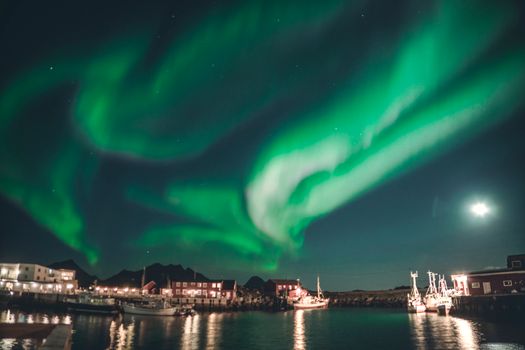
Norway’s dramatic coastline, with its majestic fjords and islands, provides a stunning backdrop for the Northern Lights, often with the added bonus of their reflections dancing on the water. While Tromsø is the "Gateway to the Arctic," there are equally captivating, less crowded spots.
4. Senja Island & Sommarøy, Troms Region: The Untamed Beauty
Just south and west of Tromsø, the islands of Senja and Sommarøy offer breathtaking scenery and a more rugged, authentic experience than the city. These areas are gaining recognition but still feel wonderfully untamed.
- Accommodation: On Senja, look for charming fisherman's cabins (rorbuer) or small boutique hotels like Hamn i Senja (which offers glass-roofed rooms in some cabins). On Sommarøy, Sommarøy Arctic Hotel provides comfortable stays with excellent views. The beauty here is that many accommodations are right on the water, offering spectacular reflections.
- My Experience: I spent a week on Senja, driving its scenic routes. One evening, after a delicious seafood dinner at a local eatery, the sky erupted. I pulled over to a quiet fjord, watching the Aurora ripple across the water's surface, mirroring the sky. It felt like being inside a kaleidoscope. The raw, dramatic landscape of Senja felt like a secret I was privileged to witness.
- Activities: Scenic drives, hiking, fishing, whale watching (seasonal), kayaking, eagle safaris.
- Practicalities:
- Getting There: Fly to Bardufoss (BDU) for Senja, or Tromsø (TOS) for Sommarøy/Senja. Renting a car is essential for exploring these islands. Ferries connect various parts of Senja.
- Best Time: September to March for Aurora. Late Jan-March for winter activities.
- Prices: Rorbuer and hotels generally range from €150-€400 per night (€€€-€€€€).
5. Lofoten Islands: Dramatic Landscapes, Quiet Corners
The Lofoten Islands are undeniably popular for their stunning beauty, but with careful planning, you can find quieter corners for an intimate Aurora experience. Focus on smaller villages away from the main tourist hubs of Reine and Hamnøy.
- Accommodation: Again, rorbuer are your best bet. Many can be found in less-visited villages like Nusfjord (a UNESCO heritage site), or along the scenic routes. Look for private rentals on Airbnb or through local tourism offices. Some offer glass-fronted living areas perfect for skygazing.
- My Experience: My trip to Lofoten was focused on photography, and one night, I found myself in a tiny, nameless village, the only light coming from my cabin window. The Aurora appeared, framing the iconic jagged mountains and reflecting in the still water of the fjord. It was a scene of such profound beauty and quietude that I felt a deep sense of gratitude. Despite Lofoten's fame, these moments of solitude are still very much possible.
- Activities: Photography workshops, fishing trips, kayaking, hiking (even in winter with snowshoes), visiting art galleries and museums.
- Practicalities:
- Getting There: Fly to Leknes (LKN) or Svolvær (SVJ). Renting a car is almost mandatory for exploration.
- Best Time: September to March.
- Prices: Rorbuer can range from €150-€500+ depending on size and luxury (€€€-€€€€). Book early.
North America's Wild Frontier: Uncharted Aurora Territory
For those seeking a truly wild and expansive Aurora experience, North America's vast northern territories offer unparalleled opportunities for solitude and adventure.
6. Yukon Territory, Canada: Wilderness Lodges Beyond Whitehorse
The Yukon, Canada's smallest and westernmost territory, is a land of vast wilderness, pristine lakes, and towering mountains. While Whitehorse is its capital, the real magic happens further afield.
- Accommodation: Look for remote wilderness lodges that specialize in Aurora viewing, often offering all-inclusive packages. Examples include Boreale Ranch (custom-built cabins with large windows) or smaller, family-run lodges outside of Whitehorse. Many offer cozy, heated cabins designed for comfort in extreme cold.
- My Experience: I spent a week at a remote lodge outside Whitehorse. Each night, after a delicious home-cooked meal, we’d gather by a roaring fire, waiting for the call. When the Aurora appeared, it was from the warmth of a heated viewing deck, then later, from the comfort of my cabin, looking out my window. The sense of isolation and the sheer scale of the wilderness were breathtaking. Dog sledding through silent, snow-covered valleys was another highlight.
- Activities: Dog sledding, snowmobiling, ice fishing, snowshoeing, wildlife viewing, hot springs.
- Practicalities:
- Getting There: Fly into Whitehorse (YXY). Lodges typically arrange transfers.
- Best Time: Mid-August to mid-April. February and March are excellent for winter activities and dark skies.
- Prices: Wilderness lodge packages can range from CAD$1500-CAD$4000+ for multi-night stays, often including meals and activities (€€€€).
7. Fairbanks, Alaska (But Go Further Out!): The Last Frontier's Glow
Fairbanks is known as one of the best places in the US to see the Northern Lights, but instead of staying in the city, venture out to truly immerse yourself.
- Accommodation: While Chena Hot Springs Resort is popular (and offers unique "Aurora Ice Museum" and viewing opportunities), for a more intimate experience, consider booking a private cabin or a smaller lodge further north or east of Fairbanks. Look for properties advertised as having low light pollution. Many offer cozy, rustic cabins with wood-burning stoves.
- My Experience: I decided against staying at Chena and instead found a privately owned cabin about an hour's drive outside Fairbanks. After a day exploring the vast, snowy landscapes, I lit the wood stove, brewed some hot cocoa, and settled in. The Aurora that night was spectacular, a vibrant green arc that stretched across the entire sky. It felt like I was the only person awake in the entire world, witnessing a private celestial show.
- Activities: Chena Hot Springs (for a day trip!), dog mushing, snowmobiling, ice fishing, visiting the Arctic Circle.
- Practicalities:
- Getting There: Fly into Fairbanks (FAI). Rent a sturdy 4x4 vehicle (with winter tires!) for flexibility.
- Best Time: August to April. March is often a favorite due to longer daylight for activities and still dark nights.
- Prices: Cabin rentals vary widely, from €100-€400 per night (€€-€€€€).
Essential Tips for Your Off-Grid Aurora Hunt: Prepare for Magic
Embarking on an off-grid Aurora adventure requires a bit more planning, but the rewards are immeasurable. Here's your actionable advice:
- When to Go: The prime Aurora season generally runs from September to March. The darkest months (December-February) offer the most viewing hours, but late season (March) often provides clearer skies and milder temperatures, while early season (Sept-Oct) can combine Aurora with autumn colors.
- What to Pack (Layers are Key!):
- Base Layers: Merino wool or synthetic thermals (top and bottom).
- Mid-Layers: Fleece jacket, down vest.
- Outer Layers: Waterproof and windproof winter jacket and pants.
- Extremities: Warm hat (covering ears!), neck gaiter, waterproof insulated gloves/mittens, thick wool socks, and waterproof, insulated winter boots (e.g., Sorel, Baffin).
- Hand/Foot Warmers: Disposable heat packs are lifesavers.
- Camera Gear: Tripod (essential!), wide-angle lens (f/2.8 or wider), remote shutter release, extra batteries (cold drains them quickly!), and a headlamp with a red-light setting (to preserve night vision).
- Accommodation Booking: These unique spots often have limited availability. Book 6-12 months in advance, especially for peak season. Use booking platforms, but also check local tourism websites and contact accommodations directly.
- Transportation:
- Renting a Car: Offers ultimate flexibility for chasing clear skies. Ensure it's a 4x4 with proper winter tires. Be comfortable driving on snowy/icy roads.
- Transfers: Many remote lodges offer airport transfers, but confirm these when booking.
- Aurora Forecasts & Apps: Download apps like "My Aurora Forecast" or "Aurora Alerts." Check websites like Space Weather Live (NOAA) for KP index and solar wind data. These help you plan your nights.
- Staying Safe in the Wilderness:
- Tell Someone: Inform your accommodation or a trusted friend about your plans if venturing far afield.
- Emergency Kit: Carry a small first-aid kit, extra food/water, a fully charged power bank, and a headlamp.
- Respect Nature: Stay on marked paths, don't disturb wildlife, and leave no trace.
- Embrace the Unexpected: The Aurora is a natural phenomenon, and sightings are never guaranteed. Be patient, enjoy the other winter activities, and let the magic unfold when it's ready.
Your Aurora Story Awaits
The Northern Lights are more than just a spectacle; they're an experience that touches the soul, a reminder of the universe's profound beauty. To witness them from a place of quiet solitude, far from the clamor of the world, is to truly connect with that magic. These hidden gems offer a chance to create a story that's uniquely yours, a memory etched against the canvas of the Arctic night.
Don't wait until these secret spots become the next viral sensation. The time to chase your authentic Aurora dream is now.
Which hidden gem will you explore first? Have you discovered an incredible, off-grid Aurora viewing spot? Share your dream Aurora sleep spot in the comments below! Don't forget to tag #TripsoraAuroraHunters on your Instagram with your breathtaking captures!
---