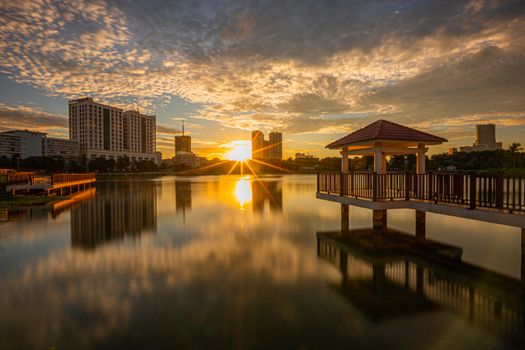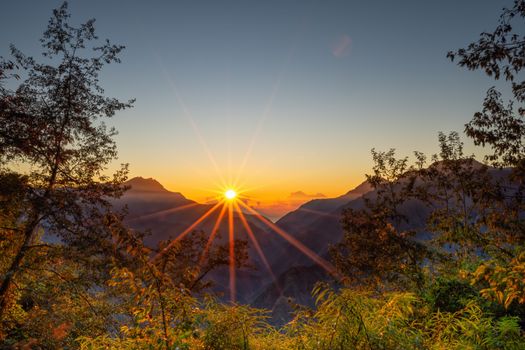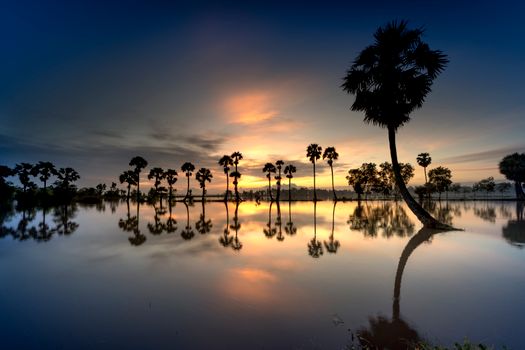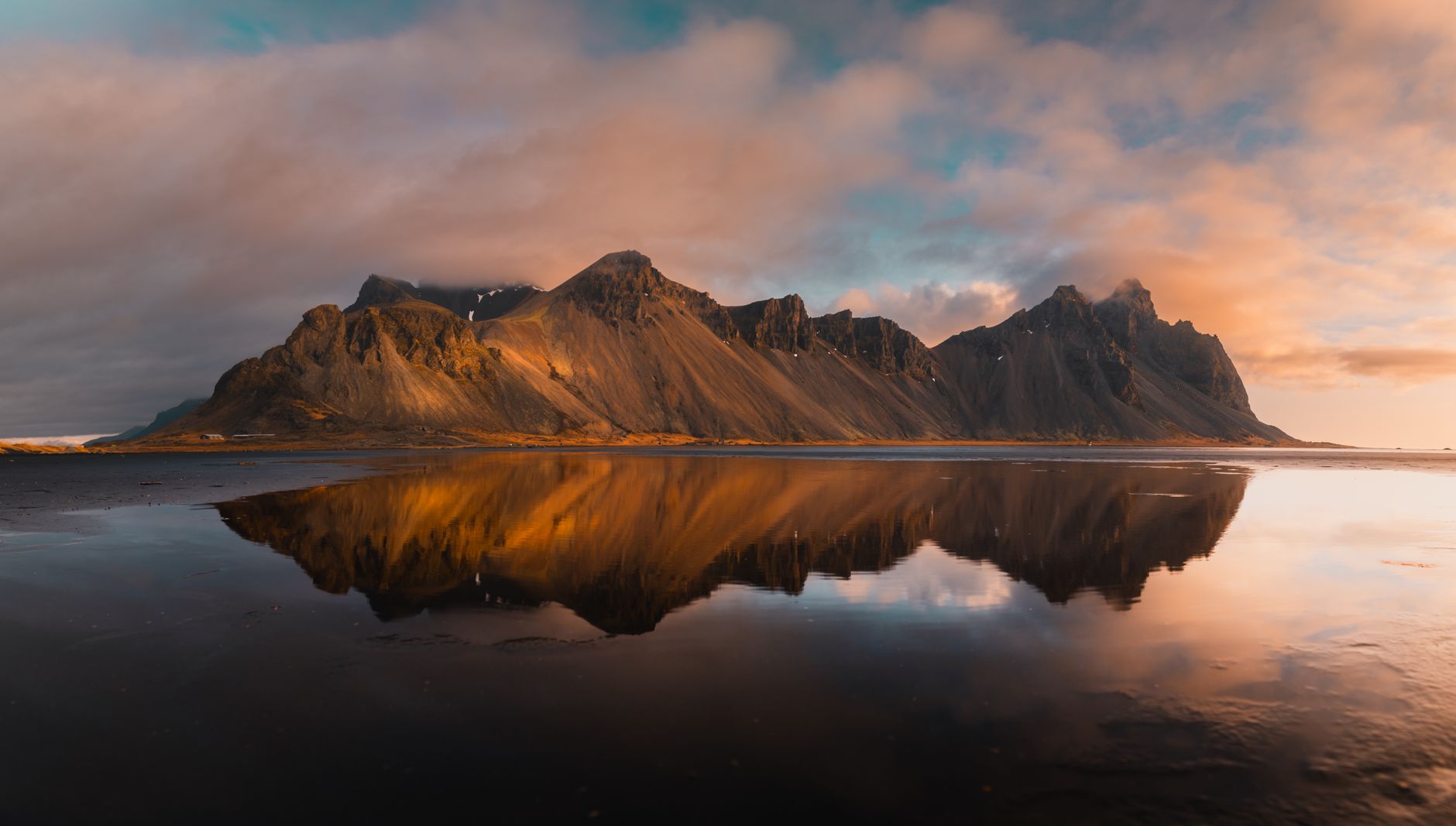
The Pre-Dawn Symphony: My First Sunrise Mission Revelation
I stepped off the train into the crisp, pre-dawn air of Kyoto, the faint scent of damp earth and blooming cherry blossoms (even though it wasn't quite spring) filling my lungs. The only sounds were the distant hum of the city waking and the soft crunch of my boots on the gravel path. A shiver, not entirely from the cold, ran down my spine. This was it. The moment before the world truly ignites. I was on a mission, not just to capture a photograph, but to feel the birth of a new day in a place steeped in centuries of reverence. The air thrummed with anticipation, a silent promise of the spectacle to come. And that, my friends, is the intoxicating allure of a sunrise mission – it’s a sensory immersion, a personal communion with light and landscape that no midday rush can ever replicate.
Chasing the First Light: Why Sunrise Missions Are Photography Gold
Forget the midday glare, the washed-out skies, and the jostling crowds. The hours around dawn are a photographer's playground. The light is soft, ethereal, and paints the world in hues of gold, pink, and fiery orange. Shadows lengthen, adding depth and drama, while the stillness of the morning allows for sharp, crisp shots. It’s a time when the world feels hushed, intimate, and utterly photogenic. But beyond the technical brilliance, there's an undeniable feeling that comes with witnessing a sunrise in a truly special location. It’s a reward for the effort, a quiet victory that resonates long after you’ve packed your gear.
---
The World's Most Epic Sunrise Missions: A Photographer's Bucket List
As a seasoned traveler and an obsessive lens-wielder, I’ve chased horizons across continents, all for that fleeting, magical moment when the sun crests the earth. Here are the photography locations that have etched themselves into my memory, the ones that are unequivocally worth the early alarm.
1. Bagan, Myanmar: The Temple-Strewn Canvas
The Experience:
Imagine this: You're perched atop an ancient pagoda, the air thick with a gentle mist. Below, a thousand temples and stupas, dating back to the 9th century, emerge from the ethereal haze. Then, it happens. The sun, a molten orb, begins its ascent, casting long, dramatic shadows across the plains. Hot air balloons, like colorful giants, drift silently across the sky, adding an otherworldly dimension to the scene. The sheer scale and timelessness of Bagan at sunrise are humbling. The scent of incense sometimes drifts on the breeze from nearby monasteries, a subtle reminder of the spiritual heart of this place.
Pro-Tips:
* Best Viewpoint: For unobstructed views and a classic panorama, rent an e-bike and explore the less-visited temples. Many offer access to their upper levels (check for signs and ask locals – some may require a small fee). Avoid the most popular, designated viewing mounds which can get crowded.
* Timing is Everything: Arrive at your chosen temple at least 45 minutes before sunrise to secure a good spot and capture the pre-dawn light.
* Respectful Photography: Remember that many of these structures are active religious sites. Dress modestly, and always be mindful of worshippers.
Quick Facts:
* Estimated Costs ($): $20-50 (e-bike rental, temple access fees, local transport)
* Best Time to Visit: November to February (cooler, drier season)
* How to Get There: Fly into Nyaung U Airport (NYU), then take a taxi or e-bike to the temple plains.
---
2. The Isle of Skye, Scotland: Mystical Highlands Awaken
The Experience:
The rugged, dramatic landscapes of Skye transform into something truly cinematic at dawn. Picture the jagged peaks of the Cuillins catching the first golden rays, their granite faces glowing. Mist often clings to the glens and lochs, creating a sense of mystery and ancient lore. The air is bracingly fresh, carrying the faint scent of peat and sea salt. Standing at the Old Man of Storr, with the wind whipping around you and the sky ablaze with color, feels like stepping into a fantasy novel. The silence here is profound, broken only by the cry of a seabird or the distant bleating of sheep.
Pro-Tips:
* Iconic Shot: The Old Man of Storr offers an incredible panorama. The hike up takes about 45-60 minutes, so factor that into your timing.
* Hidden Gems: Consider the Quiraing for its otherworldly rock formations or the Fairy Pools for a more intimate, water-focused sunrise. The light filtering through the water here is magical.
* Weather Watch: Skye's weather is notoriously unpredictable. Have a backup plan and be prepared for rain and wind, which can often enhance the dramatic atmosphere.
Quick Facts:
* Estimated Costs ($): $50-100 (car rental, fuel, potential B&B)
* Best Time to Visit: May to September (longer daylight hours, milder weather)
* How to Get There: Drive from Glasgow or Edinburgh (via ferry or bridge), or fly into Inverness (INV) and rent a car.
---
3. Angkor Wat, Cambodia: Ancient Majesty in Golden Light
The Experience:
There are few sights more iconic than Angkor Wat silhouetted against a dawn sky. As the sun rises behind its five lotus-like towers, the intricate carvings and the vast moat reflect the fiery hues, creating a breathtaking spectacle. The air is warm and humid, carrying the faint, earthy aroma of ancient stone and tropical foliage. The soundscape is a gentle awakening – the chirping of insects, the soft calls of birds, and the hushed murmurs of fellow photographers. It’s a moment of profound historical resonance, connecting you to a civilization that once thrived here.
Pro-Tips:
* The Classic View: The most famous sunrise spot is from across the reflecting pool in front of the main temple. Arrive very early (before 4:30 AM) to secure a prime position.
* Beyond the Main Temple: For a more unique perspective, consider sunrise at Ta Prohm (the 'Tomb Raider' temple) where tree roots intertwine with the ancient stones, or Banteay Srei for its exquisite pink sandstone carvings.
* Sunrise Ticket: You'll need a valid Angkor Pass to enter the complex for sunrise. Purchase it the day before to save time.
Quick Facts:
* Estimated Costs ($): $40-80 (Angkor Pass, tuk-tuk hire for the day)
* Best Time to Visit: November to March (drier season, less humid)
* How to Get There: Fly into Siem Reap International Airport (REP). Hire a tuk-tuk driver for sunrise and temple tours.
---
4. The Grand Canyon, USA: A Symphony of Light and Shadow
The Experience:
Standing on the rim of the Grand Canyon as the sun begins its climb is an experience that defies description. The vast chasm, carved over millennia, awakens in stages. First, the eastern rim catches the light, then the colors begin to seep into the canyon walls, revealing layers of rock in shades of ochre, rust, and deep purple. The sheer scale is overwhelming, and the silence, punctuated by the distant calls of birds, is profound. The air is dry and cool, often carrying the faint scent of pine. It’s a raw, powerful display of nature’s artistry.
Pro-Tips:
* South Rim Favorites: Mather Point and Yavapai Point offer classic, expansive views. For a slightly less crowded experience, try Hopi Point or Powell Point on Hermit Road (accessible by shuttle bus for most of the year).
* Sunrise Hike: For the truly adventurous, a pre-dawn hike down a short section of the South Kaibab Trail or Bright Angel Trail offers a completely different perspective as the light filters into the canyon. Be sure to carry a headlamp and plenty of water.
* Plan Your Visit: Check the park's website for shuttle bus schedules and any road closures, especially during winter months.
Quick Facts:
* Estimated Costs ($): $35 (park entrance fee per vehicle), $10-30 (accommodation if staying nearby)
* Best Time to Visit: Spring (April-May) and Fall (September-October) for pleasant weather and fewer crowds.
* How to Get There: Drive to the South Rim. The nearest major airport is Las Vegas (LAS), about a 4.5-hour drive away.
---
5. Santorini, Greece: Aegean Dreams in Pastel Hues
The Experience:
While Santorini is famous for its sunsets, its sunrises are equally, if not more, spectacular, and far less crowded. Imagine the iconic whitewashed villages of Oia and Fira clinging to the caldera cliffs, bathed in the soft, rosy light of dawn. The Aegean Sea below shimmers, and the volcanic islands of the caldera emerge from the darkness. The air is gentle, carrying the faint scent of salt and blooming bougainvillea. The peacefulness of the island before the day-trippers arrive is a rare and precious commodity. The clinking of glasses from a distant taverna might be the only sound to break the spell.
Pro-Tips:
* Oia's Charm: While Oia is famous for sunsets, its eastern facing cliffs offer stunning sunrise views. Find a quiet spot along the pedestrian paths away from the main castle ruins.
* Fira's Panorama: The capital, Fira, also provides incredible caldera views. Walk along the caldera path for various vantage points.
* Beyond the Villages: Consider a sunrise boat trip on the caldera for a unique perspective looking back at the island.
Quick Facts:
* Estimated Costs ($): $100-200+ (Santorini is pricey, especially accommodation with caldera views)
* Best Time to Visit: April-May and September-October (shoulder seasons for pleasant weather and fewer crowds)
* How to Get There: Fly into Santorini (JTR) or take a ferry from Athens or other islands.
---
6. The Salt Flats of Uyuni, Bolivia: Otherworldly Reflections
The Experience:
The Salar de Uyuni, the world's largest salt flat, is a surreal landscape that truly comes alive at sunrise. During the wet season, a thin layer of water transforms the vast expanse into a colossal mirror, reflecting the sky with astonishing clarity. The boundary between earth and sky dissolves, creating an infinite, dreamlike panorama. The air is incredibly dry and thin at this altitude, and the silence is absolute. As the sun rises, the colors of the sky are duplicated below, creating a spectacle of light and reflection that is utterly unique. The faint, mineral scent of salt is ever-present.
Pro-Tips:
* Wet Season Magic: The mirror effect is most pronounced during the rainy season (December to April).
* The Island of Incahuasi: This "fish island" covered in giant cacti offers a higher vantage point and a stunning contrast against the reflective flats at sunrise.
* Guided Tours are Essential: Due to the vastness and potential for disorientation, it’s crucial to go with a reputable tour operator. They know the best spots and safe routes.
Quick Facts:
* Estimated Costs ($): $100-200 (for a multi-day tour including transport, accommodation, and food)
* Best Time to Visit: December to April (wet season for mirror effect), May to November (dry season for surreal cracked patterns)
* How to Get There: Most tours depart from Uyuni town. You can reach Uyuni by bus or flight from La Paz or Sucre.
---
The Sunrise Mission Mindset: Beyond the Gear
Remember, the most crucial piece of equipment for any sunrise mission isn't your camera, but your enthusiasm and willingness to embrace the early start. These locations offer more than just stunning visuals; they offer an experience. They demand patience, a touch of adventure, and a deep appreciation for the quiet beauty of the world waking up. So, set that alarm, embrace the chill, and chase the light. The rewards – both in your memory card and your soul – will be immeasurable.
---