The First Cough: Why You Need to Experience an Olive Harvest
I stepped off the regional train into the chilly morning vapor of the Val d'Orcia, and within minutes, the air was heavy with an unmistakable scent: green wood, damp earth, and the sharp, herbaceous perfume of bruised olive leaves.
It was 7:30 AM in early October. My hands were stained with black-purple juices, my boots caked in clay, and my shoulders ached from using a lightweight rake to sweep plump Frantoio olives down into vibrant bright-green nets stretched across the terra cotta soil. An hour later, standing in a sleek stainless-steel mill, I took a sip of bright neon-green liquid squeezed from the very trees I’d worked on that morning.
It hit my tongue with smooth almond creamy richness, followed immediately by an intense, peppery punch that caught in the back of my throat. I coughed twice.
"Two coughs!" shouted Gianni, the master miller, grinning widely through his stubble. "That is not grease, my friend. That is pure polyphenol power. That is real oil."
If you’ve only ever bought supermarket oil in clear plastic bottles, you haven't actually tasted extra virgin olive oil. Joining a seasonal harvest—known as the raccolta in Italy or la recogida in Spain—is one of the most primal, satisfying, and delicious micro-adventures open to modern travelers. You work the soil, breathe crisp autumn air, and eat feasts cooked right beside the press.
Here are the absolute best olive groves offering harvest experiences worth considering this year.
---
1. Hacienda Guzmán (Seville, Spain): The Grand Titan of Andalusian Picual
If Spain is the undisputed king of global olive oil production, Andalusia is its crown jewel. Located just twenty minutes outside Seville, Hacienda Guzmán feels like an operational museum of liquid gold. Dating back to the 16th century—when it shipped olive oil directly to the Spanish colonies in the Americas—this 300-hectare estate balances hyper-modern ecological farming with staggering history.
The Experience
During October and November, guests join expert capataces (foremen) in the fields to master the art of hand-picking delicate varietals like Manzanilla and Picual. You'll learn how to swing a traditional wooden pole (varea) to gently dislodge fruit without harming the branches. After two hours of field harvesting, you transition inside to see their dual processing plants: a meticulously restored 16th-century wooden beam press and a modern ultra-centrifuge.
- The Highlight: Walking through their living museum containing over 200 olive tree varieties gathered from 13 different countries.
- Tasting Notes: Freshly pressed Picual here tastes of wild tomato leaf, cut green grass, and raw artichoke with a flaming finish.
> Pro-Tip: Book the early morning slot at 8:30 AM. The Andalusian sun heats up fast even in autumn, and early morning light filtering through the silver foliage makes for breathtaking photography.
---
2. Azienda Agricola San Luigi (Tuscany, Italy): Renaissance Roots & Fireplace Feasts
Tuscan extra virgin olive oil is legendary for its intense, spicy kick. Nestled in the rolling hills of the Maremma region, Azienda Agricola San Luigi offers an ultra-authentic Italian raccolta experience that feels more like being adopted by a fiery local family than buying a tour ticket.
```
[ Tree Branch ]
│
(Vibration/Rake)
│
▼
[ Collection Nets ] ──► [ Sorting & De-leafing ]
│
▼
[ Mechanical Cold Press ]
│
▼
[ Neon-Green EVOO ]
```
The Experience
The day begins as mist hangs over the Tuscan valleys. You are handed a mechanical rake and an apron, working alongside local harvesters to gather Moraiolo, Leccino, and Frantoio olives. The tempo is high-energy, punctuated by loud laughter and classic Italian banter.
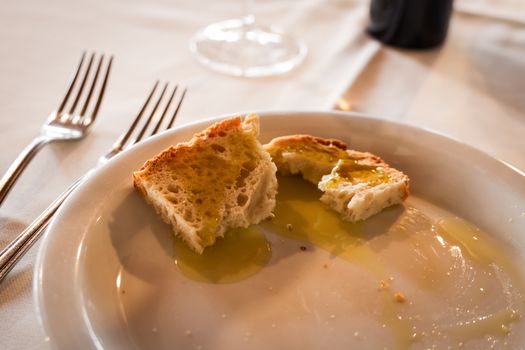
By midday, everyone drops their tools and gathers around long outdoor tables set under the cypress trees. You’ll feast on warm unsalted pane toscano drenched in raw green oil, paired with hearty bowls of fagioli al fiasco (flask-cooked white beans) and crisp Chianti wine.
- The Highlight: Watching your exact morning haul go directly into the estate’s cold-extraction mill, yielding a bottle you get to take home labeled with your name.
- Tasting Notes: Fiery, peppery, with pronounced notes of bitter leaf and green almond.
> Pro-Tip: Wear clothes you don't mind ruining forever. Olive oil stains do not come out, and crushed olives will splatter black-purple dye across your shoes. Bring dark leather work boots.
---
3. Chiavalon Estate (Istria, Croatia): The High-Tech Croatian Revolution
Istria—the wedge-shaped peninsula in western Croatia—has repeatedly been named the world’s best olive oil region by Flos Olei. The Chiavalon brothers, Tedi and Sandi, started their estate with just 50 ancient trees left by their grandfather. Today, they operate one of Europe’s most technologically advanced, award-winning olive estates.
The Experience
Chiavalon’s harvest tour in Vodnjan is a masterclass in modern agritourism. The soil here is bright iron-red (terra rossa), creating a stark visual contrast against the pale foliage. Harvest trips run throughout October and combine physical gathering with a sophisticated scientific deep dive into oil chemistry.
You'll spend the morning harvesting indigenous Istrian varieties like Buža, Rosignola, and Istarska Bjelica. Afterward, you’ll head into their futuristic glass-and-steel tasting room to learn how to properly hold a blue tasting glass, warm it in your hand, and detect aromatic compounds like a certified sommelier.
- The Highlight: Their Ex Albis blend—an oil so pristine it is served in multiple Michelin three-star restaurants across Europe.
- Tasting Notes: Unbelievably floral, with aromas of aromatic herbs, green apple, and fresh-cut lawn.
> Pro-Tip: Skip the standard afternoon tour and book their "Harvest & Sail" combo package through local outfitters, which pairs a morning harvest in Vodnjan with a late afternoon boat ride through the Brijuni Archipelago.
---
4. The Kosta Family Estate (Peloponnese, Greece): Ancient Koroneiki Magic
If you want absolute immersion without tourist gloss, travel to the rugged Mani Peninsula in the southern Peloponnese. Here, the Kosta Family opens their coastal estate every November for travelers seeking an authentic Greek olive harvest experience centered around the world-famous Koroneiki olive.
The Experience
This is slow-travel at its absolute finest. You walk down ancient stone terraces built directly above the azure waters of the Messenian Gulf. The harvesting here is done entirely by hand using traditional nets laid over rocky terrain that machines simply cannot navigate.
The atmosphere is tranquil, punctuated by the rhythmic sound of olives falling onto nets and the distant sound of Mediterranean waves crashing against cliffs. Lunch isn't catered—it’s prepared right on site over an open wood fire by the family matriarch: wild greens (horta), grilled local sausage scented with orange peel, and fresh sourdough bread cooked over embers.
- The Highlight: Harvesting from gnarled, silver-leafed trees that are empirically documented to be over 800 years old.
- Tasting Notes: Exceptionally balanced. Smooth, buttery start with a medium-peppery finish and lingering herb flavors like wild thyme.
> Pro-Tip: The hidden entrance to the grove is down an unmarked gravel lane off the main road to Kardamyli, marked only by a weathered blue wooden door set into an ancient stone wall. Ask for precise coordinates when booking!
---
5. McEvoy Ranch (Sonoma County, USA): Coastal Fog Meets Italian Heritage
You don't need to cross the Atlantic to find elite olive groves offering harvest experiences worth considering. Tucked into the rolling, fog-kissed hills of Petaluma in Sonoma County, McEvoy Ranch spans 550 organic acres and produces some of the most celebrated extra virgin olive oils in North America.
The Experience
In 1990, founder Niki McEvoy imported 1,000 seedling trees directly from Tuscany to Northern California. Today, those mature trees thrive in Petaluma's unique microclimate, producing high-polyphenol oils that rival their Italian ancestors.
McEvoy runs exclusive, small-group harvest workshops every November. Guests spend the day learning sustainable organic harvesting methods, hand-picking Tuscan varietals, touring their state-of-the-art Alfa Laval mill, and enjoying farm-to-table wine pairings.
- The Highlight: Their highly coveted Mills Station blend, pressed in small batches within hours of picking.
- Tasting Notes: Bright, grassy, and crisp, featuring strong signals of green artichoke, pepper, and cinnamon leaf.
> Pro-Tip: After the harvest workshop, take time to visit their on-site apothecary shop, which sells luxury skincare products made directly from the antioxidant-rich olive oil produced on the ranch.
---
Quick Facts & Budget Comparison
Planning your harvest adventure requires aligning your travel window with localized autumn schedules. Use this handy reference table to choose your ideal destination:
| Destination | Country | Harvest Window | Approx. Daily Cost ($) | Best For | Transport Hub |
| :--- | :--- | :--- | :--- | :--- | :--- |
| Hacienda Guzmán | Spain | Early Oct – Mid Nov | $180 - $350 | Scale, History, Architecture | Seville Airport (SVQ) |
| San Luigi Estate | Italy | Mid Oct – Late Nov | $220 - $400 | Rustic Feasts, Passion, Tradition | Florence/Rome Airport |
| Chiavalon | Croatia | Early Oct – Early Nov | $150 - $280 | Modern Tech, Precision, Coastlines | Pula Airport / Venice |
| Kosta Family | Greece | Nov – Early Dec | $120 - $220 | Coastal Scenery, Slow Travel, Value | Athens / Kalamata |
| McEvoy Ranch | USA | Late Oct – Mid Nov | $250 - $500 | Luxury, Farm-to-Table, Proximity | San Francisco (SFO) |
---
Practical Essentials: How to Survive & Thrive During Your Harvest Stay
Harvesting olives is rewarding work, but make no mistake—it is genuine agricultural labor. Here is how to prepare like a seasoned pro:
What to Pack
* Footwear: Leave your fresh white sneakers at home. Bring sturdy, waterproof hiking boots with rubber lugged soles to handle slippery nets, wet grass, and slick red clay.
* Clothing: Layering is key. Autumn mornings are cold (around 45°F / 7°C), but mid-afternoon physical work under the sun will have you stripped down to a T-shirt. Wear dark colors exclusively.
* Gloves: Lightweight leather or nitrile-coated work gloves are essential to prevent friction blisters from raking tools.
Understanding Olive Oil Quality
When tasting fresh oil at the mill, remember the Three Pillars of EVOO Evaluation:
1. Fruitiness (Fruttato): The pleasant aroma of fresh, undamaged green or ripe olive fruit.
2. Bitterness (Amaro): The primary characteristic of oil squeezed from fresh green olives; perceived on the back of the tongue.
3. Pungency (Piccante): The sharp, burning sensation felt in the throat, caused by high concentrations of oleocanthal (a powerful natural anti-inflammatory polyphenol).
Remember: Bitterness and burning are signs of ultra-high quality, not defects!
---
Bringing Your Liquid Gold Home: Rules & Logistics
The absolute worst mistake travelers make is buying five liters of unfiltered fresh olive oil and trying to pack it into check-in luggage incorrectly, leading to messy luggage disasters.
```
[ Tin or Dark Glass Bottle ]
│
▼
[ Heavy Duty Bubble Wrap ]
│
▼
[ Sealed Waterproof Ziploc Bag ]
│
▼
[ Stowed in Center of Checked Luggage ]
```
Essential Rules for Transporting Fresh EVOO:
* Check-In Only: You cannot bring liquids over 100ml (3.4 oz) in carry-on bags. Olive oil must go into checked baggage.
* Avoid Plastic Bottles: Ask the grove to pack your oil in dark stainless steel tins (lattine) or heavy amber glass. Tins are far superior for travel because they do not crack under pressure and completely block sunlight.
* Temperature Control: Once home, store your raw oil in a dark cabinet between 55°F and 65°F (12°C–18°C). Never store it next to the stove or inside a refrigerator.
* Drink It Fresh: Unlike fine wine, extra virgin olive oil does not age gracefully. Consume your harvest oil within 12 to 18 months of pressing to experience its maximum flavor and health benefits.
---
Final Thoughts: The Ultimate Autumn Travel Ritual
Standing amidst centuries-old trees with a basket on your hip, breathing in the cold air, and sharing a simple meal with local farmers under the autumn light provides a profound connection to the earth that no luxury hotel concierge can replicate.
Whether you choose the sun-drenched estates of Andalusia or the misty hills of Tuscany, experiencing an olive harvest isn't just a vacation—it's an unforgettable annual ritual that will permanently change how you cook, eat, and appreciate real food.
---