The Night the Sky Broke Open
I remember the silence most vividly. It wasn’t just the absence of noise; it was a heavy, velvet stillness that smelled of damp fern and salt spray. I was standing on a rickety wooden jetty in Oban, the only township on Stewart Island, New Zealand. There were no tour buses. No megaphones. Just the rhythmic slap of the Pacific against the pilings.
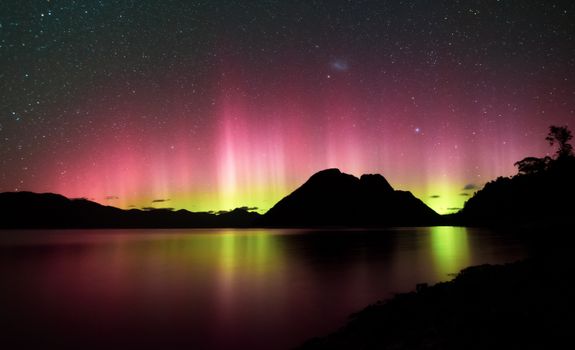
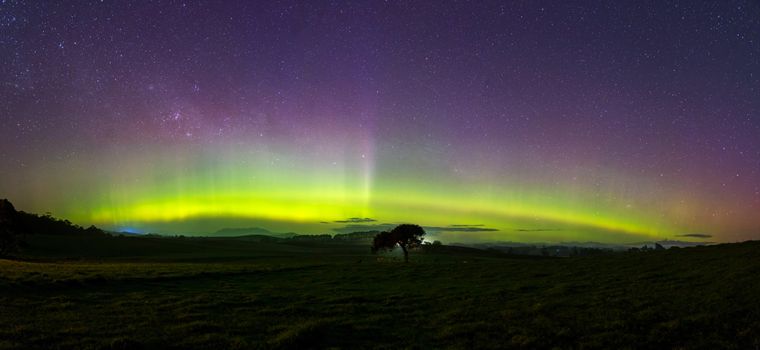
Suddenly, the horizon didn't just brighten—it ignited. A ribbon of deep violet and electric lime pulsed upward, reflecting in the black water beneath my boots. In that moment, I realized that the "Northern" Lights have a shy, sophisticated cousin in the south, and she doesn't like crowds.
As we approach May 2026, we are entering the most intense period of solar activity in over a decade. If you want to witness this celestial fire without sharing it with 400 strangers in হয়ে (fluorescent) vests, you need to change your latitude and your attitude.
1. Why May 2026 is the "Goldilocks" Zone
To understand why May 2026 is special, we have to talk science—minus the boredom. The sun operates on an 11-year cycle, and 2026 is the predicted peak of Solar Cycle 25. This means more Coronal Mass Ejections (CMEs) and more frequent, more intense light shows.
While the Northern Hemisphere begins to tilt toward the sun (bringing the "Midnight Sun" which washes out the lights in places like Norway and Canada), the Southern Hemisphere is plunging into the deep dark of late autumn. In May, the nights are long, the air is crisp, and the Aurora Australis is at its most aggressive.
2. Stewart Island (Rakiura), New Zealand: The Anchor of the South
Known to the local Māori as Rakiura ("The Land of Glowing Skies"), this island is a Dark Sky Sanctuary. While tour groups clog the roads of Queenstown, Stewart Island remains a sanctuary for those who value solitude.
The Insider Spot: Ackers Point Lighthouse
Skip the main beaches. Hike the 3-hour return track to Ackers Point just before dusk. The path smells of crushed manuka leaves and ancient forest.
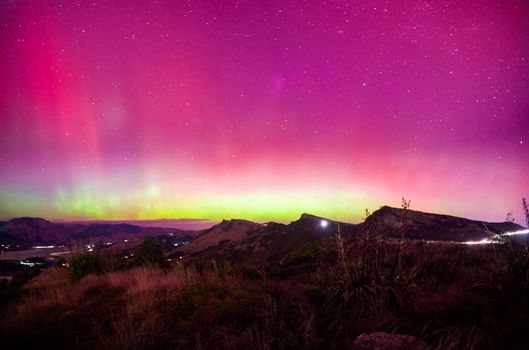
* Pro-Tip: The hidden entrance to a perfect viewing ledge is exactly 50 yards before the lighthouse, marked by a weathered grey rock. Sit there. The lighthouse beam cuts through the dark, but the southern horizon remains wide open for the pink "curtains" of the aurora.
Authenticity Check
After the show, head to the South Sea Hotel. It’s the heart of the community. Order a pint of local craft beer and the blue cod—it was likely caught that morning. This isn't a "tourist experience"; it’s life at 47 degrees south.
3. The Catlins, New Zealand: Rugged, Raw, and Remote
If Stewart Island is the anchor, The Catlins is the wild frontier. Located on the southeastern tip of the South Island, this region is bypassed by 90% of international tourists who head straight for the fjords.
The Insider Spot: Nugget Point (Tokata)
Most people visit Nugget Point for the sunrise. They are wrong. Arrive at 11:00 PM. The steep cliffs and the iconic rock formations (the "Nuggets") create a dramatic silhouette against the dancing green lights.
* Pro-Tip: Don't park in the main lot if you want to avoid the occasional campervan. There is a small gravel pull-off about 1km back toward Kaka Point. It offers a higher elevation and zero light pollution from car headlights.
4. Cradle Mountain-Clair St Clair National Park, Tasmania
Tasmania is the closest you can get to Antarctica without a research grant and a parka rated for -40. In May, the Central Highlands of "Tassie" become a playground for the Southern Lights.
The Insider Spot: Dove Lake (The Far Side)
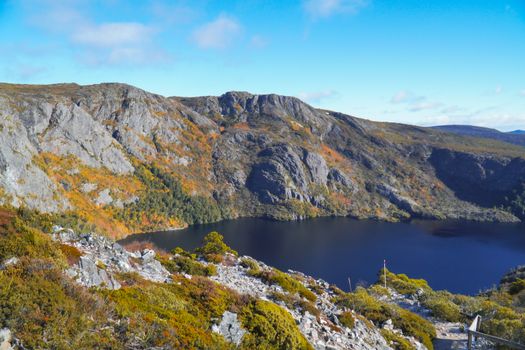
Everyone stands at the boat shed. It’s the "Instagram shot." Instead, take the 6km circuit toward the western shore. The silhouette of Cradle Mountain’s jagged dolerite peaks against a shimmering aurora is enough to make a grown traveler weep.
* Pro-Tip: The air here is some of the cleanest in the world. Bring a tripod with "stone bags"—the wind coming off the Southern Ocean is no joke and will vibrate your camera into a blurry mess.
5. Ushuaia, Argentina: The End of the World
Ushuaia is the southernmost city in the world. In May, the city begins to hunker down for winter. The tour buses that ferry cruise passengers in the summer are gone.
The Insider Spot: Paso Garibaldi
Drive 35 miles north of the city to Paso Garibaldi. You’ll be overlooking Lago Escondido and Lago Fagnano. At this altitude, you are above the coastal mist.
* Logistics: Rent a 4x4. The roads can be slick with early May frost. Look for the "Mirador" sign, but keep driving another 200 meters to the old service road for a completely private view.
6. The "Hail Mary" Northern Spot: South Coast, Iceland
Wait, didn't I say the North was too bright? In early May 2026, you have a very narrow window (roughly May 1st to May 7th) where you get about 3-4 hours of "true" dark near the horizon. Because 2026 is a Solar Max year, the aurora will be strong enough to pierce through the twilight.
The Insider Spot: Vík í Mýrdal (Behind the Church)
Avoid the black sand beaches where the few remaining tour buses linger. Drive up to the iconic white church with the red roof (Víkurkirkja), then follow the dirt track further up the hill.
* Pro-Tip: You want to look North over the mountains, not South over the ocean. The contrast of the purple twilight sky and the green aurora is a rare "Blue Hour" phenomenon that photographers dream of.
---
Quick Facts & Logistics Table
| Location | Best Viewing Time | Est. Weekly Budget ($) | How to Get There | Crowds (1-10) |
| :--- | :--- | :--- | :--- | :--- |
| Stewart Island, NZ | 10 PM - 2 AM | $1,200 | Ferry from Bluff or small plane from Invercargill | 1 |
| The Catlins, NZ | 11 PM - 3 AM | $900 | Rental car from Dunedin | 2 |
| Tasmania, AUS | 9 PM - 1 AM | $1,500 | Fly to Launceston, 2hr drive | 3 |
| Ushuaia, ARG | Midnight - 4 AM | $1,100 | Fly from Buenos Aires | 4 |
| South Iceland | 1 AM - 3 AM | $2,000 | Rental 4x4 from KEF | 5 |
---
The Gear You Actually Need (And What to Leave Behind)
Don't be the person trying to take a photo with a tablet.
1. The "Fast" Lens: You need a lens with an aperture of f/2.8 or wider. In the Southern Hemisphere, the lights often appear lower on the horizon, so a wide-angle (14mm-24mm) is non-negotiable.
2. Red Headlamps: White light ruins your night vision (and everyone else's). Use the red setting. It’s the mark of a pro.
3. Wool, Not Synthetic: In the damp cold of a Tasmanian or Kiwi autumn, synthetic layers will make you sweat and then freeze. Go for Merino wool. It’s the local "uniform" for a reason.
Final Thoughts: The Luxury of Silence
In 2026, everyone will be chasing the lights. They’ll be booking overpriced "Aurora Pods" and sitting in idling buses with 50 other people. But the true magic of the aurora isn't just the visual—it's the spiritual. It’s the feeling of being very small under a very large, very active universe.
By heading south in May, you aren't just avoiding the tour buses; you’re reclaiming the experience for yourself. You’re trading the "tapestry of culture" cliches for the smell of salt, the bite of the wind, and a sky that looks like it was painted by a god who just discovered neon.
Pack your bags. The sun is waking up.
---