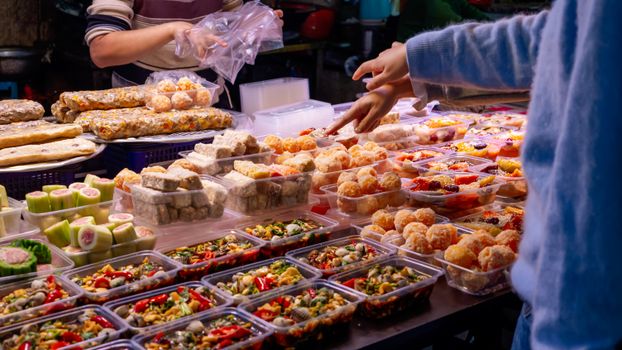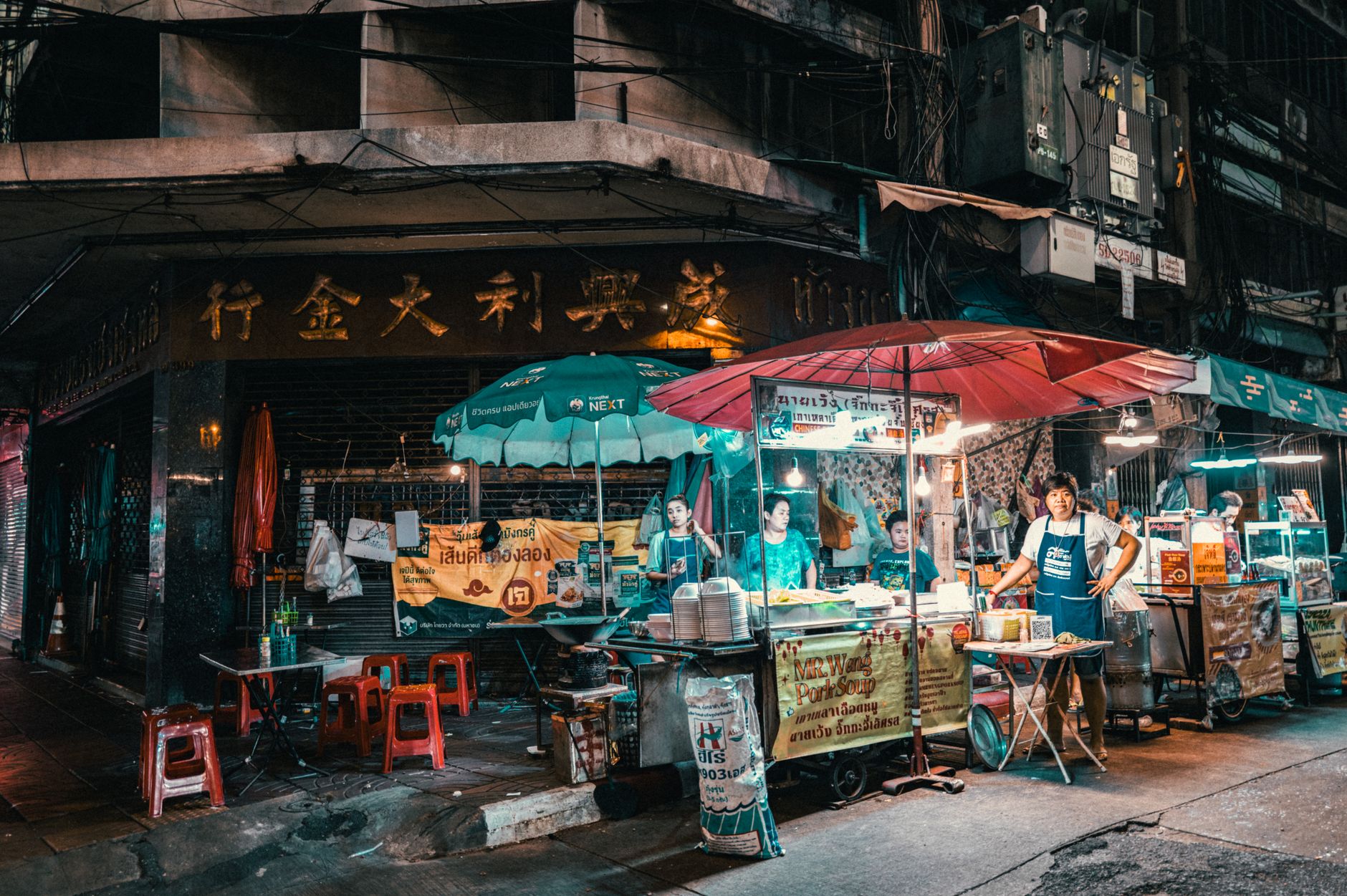
The air was thick with the scent of something utterly divine – a complex symphony of grilled meats, sweet spices, fresh herbs, and a hint of something fermented, all swirling together in the humid Bangkok night. I remember it like yesterday. Just days prior, I’d been politely picking at an overpriced, mediocre pad Thai in a sterile, air-conditioned restaurant, feeling utterly disconnected from the vibrant city outside. I was a traveler, yes, but I wasn't experiencing it. Then, a local friend dragged me, slightly bewildered, into the chaotic, pulsating heart of what she called a "real Thai night market."
That night, amidst the dizzying array of stalls and the cacophony of chatter, clanking pots, and sizzling oil, a switch flipped inside me. My senses exploded. I tasted dishes I’d never even heard of, shared plastic stools with strangers, and felt an unshakeable connection to the city’s pulse. It wasn't just food; it was a performance, a community, a living, breathing testament to local culture. That night changed my life forever. It ignited a passion – an obsession, really – for seeking out the most authentic, local-loved night markets around the globe.
Forget the tourist traps with their inflated prices and watered-down flavors. This isn't about Instagrammable, curated experiences (though many of these spots are absolutely Instagram gold!). This is about diving headfirst into the heart of a city, where the locals gather to eat, laugh, and live. These are the places where culinary magic happens, where generational recipes are perfected, and where every bite tells a story. Ready to have your own life-changing food adventure? Let’s go.
The Unwritten Rules of the Local Night Market: My Guide to Authentic Exploration
Before we dive into specific markets, let me share some wisdom gleaned from countless evenings spent navigating these delicious labyrinths. These aren't just tips; they're your passport to an unforgettable experience.
- Follow the Locals (and the Lines): This is my golden rule. If a stall has a snaking queue of locals, join it. They know best. Don't be shy; the wait is almost always worth it.
- Embrace the Unknown: Pointing and smiling often works wonders. Don't be afraid to try something that looks unfamiliar. Some of my best discoveries have come from pure curiosity.
- Cash is King: Most local night market vendors operate on a cash-only basis. Have plenty of small denominations ready.
- Hygiene Habits: While street food might look rustic, most reputable vendors maintain good hygiene. Look for stalls with fresh ingredients, clean cooking surfaces, and high turnover. Carry hand sanitizer and wet wipes – they’re lifesavers!
- Go Early, Go Late: Some markets are best explored as they're just setting up, offering a quieter experience. Others truly come alive late into the night. Research specific market hours, but generally, heading out after dark is the sweet spot.
- Share the Feast: Go with friends or befriend fellow travelers! Ordering multiple dishes to share allows you to sample more of the incredible variety.
- Learn a Few Phrases: "Hello," "thank you," "delicious," and "how much?" in the local language go a long way in breaking the ice and showing respect.
1. Bangkok's Hidden Gem: Or Tor Kor Market (Thailand)
While many guidebooks point you to the more famous (and often tourist-heavy) night markets, my heart belongs to Or Tor Kor. Just across from the Chatuchak Weekend Market, Or Tor Kor is less a "night market" in the traditional sense and more a premium fresh food market that transforms into a vibrant, ready-to-eat haven as the sun sets. It’s revered by locals for its incredibly high-quality produce and, consequently, its unparalleled prepared food.
I stumbled upon Or Tor Kor on a recommendation from a Thai chef. The moment I walked in, I was struck by the sheer vibrancy. Piles of exotic fruits I couldn't name, glistening seafood, and spices that perfumed the air. But it was the cooked food section that truly captivated me.
What to Devour:
* Gaeng Kiew Wan (Green Curry): Unlike anything you’ll find in a restaurant. Rich, aromatic, and perfectly balanced. I remember a small stall run by an elderly woman, her curry so fragrant it pulled me in. It was a revelation – creamy, spicy, and bursting with fresh Thai basil and tender chicken. Cost me about 60-80 THB ($1.70-$2.30 USD).
* Hor Mok Pla (Steamed Fish Custard): A delicate, flavorful fish mousse steamed in banana leaves. It’s subtly spicy and incredibly tender. A perfect bite-sized treat.
* Fresh Tropical Fruits: Don't leave without trying some durian (if you dare!), mangosteen, or rambutan. The quality here is top-notch.
Why it Changed Me:
Or Tor Kor showed me that "local" doesn't always mean gritty. It can mean premium quality, meticulous preparation, and a deep respect for ingredients. It elevated my understanding of Thai cuisine beyond the usual suspects.
2. Taipei's Timeless Tastes: Ningxia Night Market (Taiwan)
Taipei is the undisputed king of night markets, and while Shilin gets all the hype, Ningxia is where the locals go for classic Taiwanese snacks. It’s smaller, more intimate, and incredibly focused on traditional flavors. My first visit was a sensory overload in the best way possible – the sizzling of oyster omelets, the sweet aroma of taro balls, and the constant murmur of happy eaters.
I recall a particularly chilly evening when the warmth of the market was a welcome embrace. I followed the longest line I could find, which led me to a stall specializing in a dish I still dream about.
What to Devour:
* Oyster Omelet (Orh Ah Jian): A Taiwanese classic! Fresh oysters, eggs, and leafy greens, all bound together with a starchy sauce and griddled to perfection. The one I had was crispy on the edges, gooey in the middle, and intensely flavorful. Expect to pay around 80-100 NTD ($2.60-$3.30 USD).
* Taro Ball Desserts (Yu Yuan): Chewy taro and sweet potato balls, often served hot or cold with shaved ice, beans, and other toppings. A sweet, comforting end to any meal.
* Liu Yu Zi (Crispy Fried Chicken): Taiwan’s famous fried chicken cutlet. Juicy on the inside, incredibly crispy on the outside, and dusted with a unique spice blend. My friend and I devoured one in minutes.
Why it Changed Me:
Ningxia taught me about culinary heritage. These aren't just trendy snacks; they're dishes passed down through generations, each stall often specializing in one or two items, perfecting them over decades. It deepened my appreciation for tradition.
3. Penang's Heritage Flavors: Kimberley Street Food (Malaysia)
Penang, Malaysia, is a UNESCO World Heritage site and a hawker food paradise. While not a "night market" in the same sprawling sense as others, Kimberley Street transforms into a bustling, open-air food court every evening, drawing in locals with its legendary stalls. The energy here is palpable – a symphony of clanging woks, sizzling oil, and the constant chatter of hungry patrons.
I remember my first time walking down Kimberley Street, the humid air thick with the aroma of charcoal smoke and soy sauce. It was overwhelming, in the best possible way. I felt like I'd stepped into a culinary time machine.
What to Devour:
* Char Kway Teow: This is the dish Penang is famous for, and for good reason. Flat rice noodles stir-fried with shrimp, cockles, bean sprouts, chives, egg, and a secret sauce over incredibly high heat. The "wok hei" (breath of the wok) flavor is intoxicating. I found a stall where the chef used a traditional charcoal fire, giving the noodles an unparalleled smoky depth. About 8-12 MYR ($1.70-$2.50 USD).
* Kway Teow Th’ng: A comforting, clear noodle soup with fish balls, sliced pork, and sometimes duck meat. It's a lighter option, perfect for balancing out the richer dishes.
* Lor Bak: Deep-fried pork rolls marinated in five-spice powder, often served with a sweet chili sauce. An addictive snack.
Why it Changed Me:
Kimberley Street showed me the power of specialization. These vendors have often been making the same dish for decades, perfecting every nuance. It's a masterclass in culinary dedication and the sheer joy of simple, perfectly executed food.
4. Ho Chi Minh City's Hidden Gems: Cho Lon Street Food (Vietnam)
While District 1 in Ho Chi Minh City has its share of street food, the real, gritty, utterly authentic experience lies in Cho Lon, the city's historic Chinatown. This isn't a single market, but a vibrant district where street food stalls spill out onto pavements every evening, creating an electric atmosphere that feels generations old.
My adventure in Cho Lon was a little more challenging due to the language barrier, but incredibly rewarding. I wandered down a narrow alleyway, drawn by the vibrant red glow of lanterns and the sheer number of families gathered around low plastic tables. A friendly woman, speaking no English, gestured for me to sit.
What to Devour:
* Banh Xeo (Crispy Vietnamese Pancake): A savory, crispy crepe filled with pork, shrimp, and bean sprouts, served with fresh herbs and a dipping sauce. The one I had was perfectly golden, shattering with each bite, and felt incredibly fresh. Prices around 30,000-50,000 VND ($1.20-$2.00 USD).
* Hu Tieu: A clear, flavorful noodle soup, often with pork and seafood. There are many regional variations, but the Cho Lon version is particularly rich and satisfying.
* Goi Cuon (Fresh Spring Rolls): A lighter option, these fresh rice paper rolls filled with vermicelli, herbs, shrimp, and pork are incredibly refreshing, especially with the accompanying peanut dipping sauce.
Why it Changed Me:
Cho Lon solidified my belief that the best food experiences often come from venturing off the well-trodden path. It taught me to trust my instincts, embrace the chaos, and that a smile and a pointing finger can bridge any language gap when delicious food is involved.
5. Marrakech's Storytelling Spices: Djemaa el-Fna (Morocco)
Djemaa el-Fna in Marrakech isn't just a night market; it's a UNESCO World Heritage site and a living, breathing theater. As dusk falls, the square transforms from snake charmers and storytellers to hundreds of food stalls, each a beacon of smoky light and intoxicating aromas. It’s chaotic, loud, and utterly mesmerizing.
My first evening in Djemaa el-Fna was overwhelming. The sheer scale and energy were unlike anything I’d ever experienced. I almost opted for a rooftop restaurant to escape the madness, but a local guide encouraged me to dive in. He led me to a specific stall, buzzing with Moroccan families.
What to Devour:
* Harira Soup: A hearty, traditional Moroccan lentil and tomato soup, often served with dates. It’s the perfect warming starter in the cool desert evenings. My bowl was rich, savory, and incredibly comforting. About 5-10 MAD ($0.50-$1.00 USD).
* Grilled Meats & Tagines: From succulent lamb skewers (brochettes) to slow-cooked tagines, the variety is immense. Look for stalls specializing in grilled sausages (merguez) or tender kefta (minced meat).
* Tanjia: A Marrakech specialty, slow-cooked lamb or beef in an urn, seasoned with saffron, cumin, and preserved lemons. It's incredibly tender and flavorful.
How to Eat Like a Local:
Don't just pick any stall. Look for ones with the most locals. Be prepared for friendly (but firm) touting; a polite "no, thank you" works. Agree on prices beforehand if possible, though most stalls have set prices. Embrace the communal seating.
Why it Changed Me:
Djemaa el-Fna taught me that food is inextricably linked to culture and performance. It’s not just about the taste; it’s about the entire sensory spectacle, the shared human experience, and the stories woven into every dish. It's a place that demands you engage with it fully.
6. Seoul's Soulful Sustenance: Gwangjang Market (South Korea)
Gwangjang Market is one of South Korea's oldest and largest traditional markets, and while it operates during the day, it truly shines as a night market for foodies. It’s covered, bustling, and packed with rows upon rows of food stalls, each specializing in a few beloved Korean dishes. The atmosphere is boisterous, friendly, and incredibly inviting.
I went to Gwangjang on a recommendation from a Korean friend who swore by its Bindaetteok. The moment I stepped inside, the aroma of sizzling mung bean pancakes hit me, and I knew I was in for a treat. I found myself sitting on a plastic stool, sharing a table with a group of elderly Korean women, all laughing and sharing soju.
What to Devour:
* Bindaetteok (Mung Bean Pancakes): This is Gwangjang’s superstar. Savory pancakes made from ground mung beans, vegetables, and sometimes meat, fried until golden and crispy. They're served with a soy-vinegar dipping sauce. I watched them being made fresh, the batter sizzling on giant griddles. Absolutely heavenly and surprisingly filling. A large pancake is typically 5,000-8,000 KRW ($3.70-$6.00 USD).
* Tteokbokki: Chewy rice cakes cooked in a fiery, sweet gochujang sauce, often with fish cakes and boiled eggs. It’s a classic Korean comfort food.
* Mayak Gimbap ("Drug Gimbap"): So named because it's so addictive! These are small, bite-sized gimbap rolls (seaweed and rice) filled with various vegetables, served with a mustard dipping sauce. They're dangerously easy to eat by the handful.
Why it Changed Me:
Gwangjang market showed me the communal spirit of Korean food. It's about sharing, warmth, and the simple joy of good, honest cooking. It made me realize that some of the most profound culinary experiences happen not in Michelin-starred restaurants, but on a plastic stool, sharing a dish with strangers.
Your Turn: Go Forth and Feast!
These night markets aren't just places to eat; they're cultural immersion experiences that will engage all your senses and leave you with memories far richer than any souvenir. They challenge your comfort zone, introduce you to new flavors, and connect you to the heart of a destination in a way few other experiences can.
So, next time you travel, skip the polished tourist traps. Seek out the smoky, bustling, slightly chaotic, utterly authentic night markets where locals actually eat. Be brave, be curious, and most importantly, be hungry. Your life – and your palate – will thank you for it.
What's your favorite local night market experience? Share your stories and recommendations in the comments below! And don't forget to tag #TripsoraFoodie and #LocalNightMarkets on your Instagram adventures!