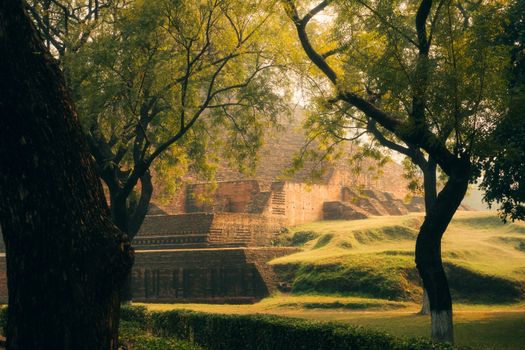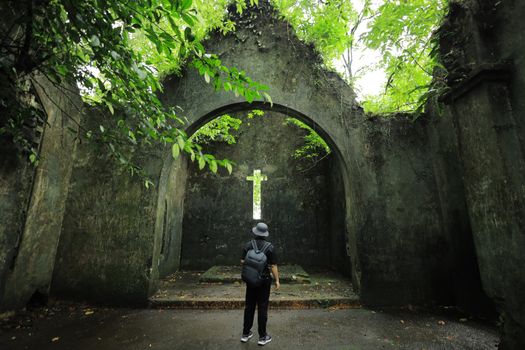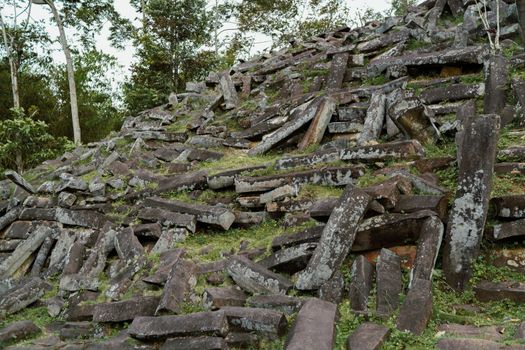
The air was thick with humidity, the scent of damp earth and blooming jasmine clinging to my clothes. Ahead, the path – more a suggestion than a trail – wound deeper into the emerald embrace of the jungle. Sunlight, dappled and shy, struggled to pierce the canopy above. Sweat trickled down my back, but a thrill, electric and insistent, coursed through me. I wasn’t chasing a famous landmark or a picture-perfect postcard view. I was searching for something far more elusive: a whisper of ancient history, a forgotten prayer, a temple reclaimed by nature itself.
And then, through a curtain of hanging vines and gnarled roots, it appeared. Not grand, not perfectly preserved, but utterly, breathtakingly alive. Moss-covered stones, intricately carved, emerged from the earth like sleeping giants. A silent Buddha, his face serene, watched over a courtyard where jungle ferns now flourished. The only sounds were the distant chirping of cicadas and the rustle of leaves in a gentle breeze. It was a moment of pure, unadulterated discovery – a feeling of stepping back in time, of being the sole witness to a sacred secret.
That day, trekking to a lesser-known temple deep within the Angkor complex, wasn't just another travel experience; it was a revelation. It ignited a passion for seeking out these "hidden temples tucked away in forests" – a trend that's rapidly capturing the hearts of travelers worldwide. We're talking about more than just ruins; these are sanctuaries where history, spirituality, and raw nature collide, offering an escape from the ordinary and an invitation to truly disconnect and discover.
The Allure of the Unseen: Why Forest Temples Are Trending
In an age of overtourism and meticulously curated Instagram feeds, there's a growing yearning for authenticity, for experiences that feel personal, profound, and a little bit wild. This is precisely why forest temples are having their moment. They offer:
- Authentic Discovery: Unlike iconic sites teeming with crowds, finding a hidden temple feels like unearthing a secret. It’s an adventure, a quest that rewards you with a unique story and an unparalleled sense of achievement.
- Mindful Connection: The journey to these temples often involves a hike, a boat ride, or navigating less-traveled roads. This slower pace encourages mindfulness, allowing you to immerse yourself in the natural surroundings and the journey itself.
- Spiritual Serenity: Stripped of commercialism and noise, these ancient sites resonate with a potent, almost palpable spiritual energy. The quiet solitude allows for contemplation, meditation, and a deeper connection to history and self.
- Instagram-Worthy, Without the Crowds: Let's be honest, we all love a good photo op. Forest temples offer stunning, ethereal backdrops – think moss-draped stones, ancient trees embracing ruins, and golden light filtering through dense canopies – without the struggle for a clear shot.
- Sustainable Travel: By venturing beyond the main tourist hubs, you often support local communities directly and help disperse tourist impact, contributing to a more sustainable travel ecosystem.
It’s about trading the checklist for the journey, the selfie stick for genuine introspection, and the well-trodden path for the whisper of the wild. Ready to answer the call?
Unearthing Asia's Emerald Jewels: My Top Picks for Hidden Temple Adventures
While hidden temples exist globally, Asia, with its rich history, ancient civilizations, and vast jungles, is a treasure trove. Here are a few personal favorites that embody the magic of this trend:
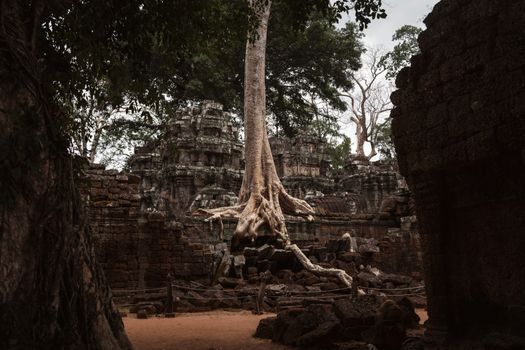
1. Ta Prohm, Angkor, Cambodia: Where Nature Reclaims History
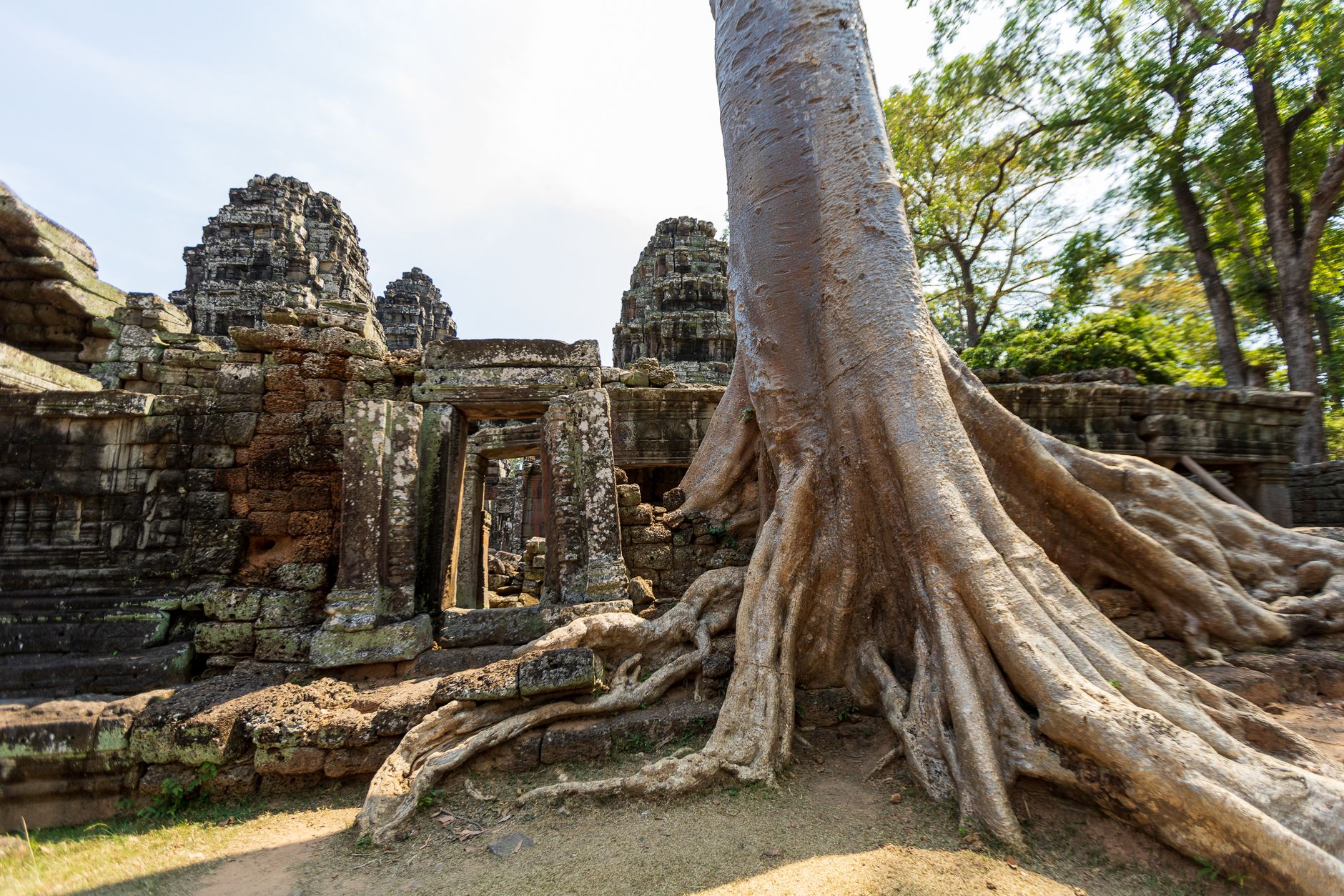
Okay, I know what you're thinking: Ta Prohm isn't exactly "hidden." It's famous, thanks in part to Angelina Jolie and Tomb Raider. However, within the sprawling Angkor Archaeological Park, Ta Prohm remains the quintessential example of a temple being devoured by the jungle. Unlike the meticulously restored Angkor Wat, Ta Prohm has been largely left as it was found, with giant "strangler fig" and kapok trees growing out of its very stones.
My Anecdote:
My first visit to Ta Prohm was overwhelming. The sheer scale of the roots, like colossal tentacles gripping the ancient stones, left me breathless. But it was on my second visit, early one misty morning, before the main crowds arrived, that I truly felt its magic. I found a quiet corner where a small, crumbling stupa was entirely encased in a web of roots, sunlight just beginning to filter through the canopy. For a moment, I was utterly alone, witnessing nature's slow, relentless embrace. It was a powerful reminder of impermanence and resilience.
What Makes it Special:
The breathtaking symbiosis of ancient architecture and colossal jungle trees. It's a living, breathing testament to nature's power.
Getting There: Ta Prohm is part of the Angkor Wat complex, located about 11 km northeast of Siem Reap. Most visitors hire a tuk-tuk driver for the day (around $20-30 USD) or rent a bicycle.
Practical Tips:
* Go Early: Seriously, be there when the gates open around 7:30 AM to experience the temple in relative peace and capture stunning photos in the soft morning light.
* Hire a Guide: A local guide can illuminate the history, symbolism, and point out lesser-known corners and unique carvings you might otherwise miss. Expect to pay around $30-50 USD for a half-day.
* Wear Sturdy Shoes: The terrain is uneven, with ancient stones and roots underfoot.
* Entry Fee: Access is included with the Angkor Pass ($37 USD for 1 day, $62 USD for 3 days).
2. Wat Palad (Monk's Trail), Chiang Mai, Thailand: A Serene Hike to Solitude
Nestled in the foothills of Doi Suthep, just outside bustling Chiang Mai, Wat Palad (also known as Wat Pha Lat) is a true hidden gem that perfectly embodies the "forest temple" trend. It's not a grand, sprawling complex, but rather a collection of serene shrines and meditation areas built around a waterfall, all connected by a gentle forest trail.
My Anecdote:
After a few days of exploring Chiang Mai's vibrant markets and popular temples, I craved some quiet. A local friend recommended the Monk's Trail. The hike itself was an experience – a muddy, root-strewn path winding through dense jungle, punctuated by the rhythmic chirping of insects. Reaching Wat Palad felt like stumbling upon a secret garden. I spent hours simply sitting by the waterfall, watching monks go about their daily routines, the gentle sound of water and birdsong my only companions. It was a profound sense of peace I hadn't found anywhere else in the city.
What Makes it Special:
Its accessibility combined with its secluded feel. It’s a tranquil oasis offering a spiritual retreat just a short distance from the city.
Getting There: The easiest way is to take a red songthaew (shared taxi) to the start of the Monk's Trail, which begins near the Chiang Mai Zoo. From there, it's about a 45-60 minute uphill hike through the forest. Alternatively, you can drive/taxi directly to the temple, but the hike is part of the experience!
Practical Tips:
* Wear Hiking Shoes: The trail can be slippery, especially during monsoon season.
* Bring Water: Stay hydrated, especially on the uphill climb.
* Dress Respectfully: As it’s an active temple, shoulders and knees should be covered.
* No Entry Fee: This temple is free to enter, a rare treat!
* Combine with Doi Suthep: Many people hike to Wat Palad and then continue to Doi Suthep Temple, but Wat Palad offers a much more intimate experience.
3. Gunung Kawi, Bali, Indonesia: Ancient Carvings in a Lush Valley
While Bali is famous for its beaches and rice terraces, it also hides profound spiritual sites. Gunung Kawi is one such marvel – an 11th-century temple complex featuring ten massive, carved shrines (candis) hewn directly into the face of a rock cliff, nestled deep within a lush river valley.
My Anecdote:
The descent to Gunung Kawi felt like stepping into another world. Hundreds of stone steps wound down through terraced rice paddies, the air growing cooler and thicker with the scent of tropical flowers. The sheer scale of the candis, towering 8 meters high and carved into the solid rock, was awe-inspiring. I watched local women carrying offerings on their heads, their laughter echoing off the ancient stone, and felt a deep connection to Bali's enduring spiritual traditions. The sound of the Pakerisan River flowing nearby added to the tranquility.
What Makes it Special:
The unique rock-cut architecture, the dramatic valley setting, and the journey through vibrant rice fields to reach it.
Getting There: Gunung Kawi is located near Tampaksiring, about an hour's drive northeast of Ubud. You can hire a scooter (around 60,000-80,000 IDR/day) or a private driver (around 500,000-700,000 IDR/day for a full day tour) from Ubud.
Practical Tips:
* Be Prepared for Steps: There are around 300 steps down (and back up!), so good fitness and comfortable shoes are essential.
* Sarong Required: You'll be provided with a sarong at the entrance if you don't have one, as it's a sacred site.
* Best Time to Visit: Early morning to avoid the heat and crowds, and to enjoy the soft light on the rice paddies.
* Entry Fee: Approximately 50,000 IDR (around $3.50 USD).
4. Talakad Temples, Karnataka, India: Unearthing History from the Sands
India, a land of ancient spirituality, boasts countless temples. But few have a story as unique as the Talakad Temples in Karnataka. Once a thriving city, Talakad was cursed and buried under sand dunes centuries ago. Today, a few of its magnificent temples have been excavated, offering a glimpse into a forgotten era, surrounded by the serene Cauvery River and verdant fields rather than dense jungle.
My Anecdote:
The journey to Talakad was an adventure in itself, driving through rural Karnataka, past fields of sugarcane and sleepy villages. Arriving at the site, I was struck by the surreal landscape – ancient stone temples emerging from what looked like desert dunes, yet surrounded by lush greenery and the gentle flow of the river. The most impressive, Vaidyanatheshwara Temple, with its intricate carvings, felt like a secret whispered from the past. I spent hours exploring, imagining the bustling city that once stood here, now silently watched over by the river.
What Makes it Special:
The fascinating story of a buried city, the unique landscape of sand dunes amidst fertile land, and the profound sense of uncovering a lost civilization.
Getting There: Talakad is about 130 km from Bengaluru and 45 km from Mysuru. The best way to reach it is by private car or taxi, as public transport options can be limited and require multiple changes.
Practical Tips:
* Hire a Local Guide: The history and legends are rich here, and a guide will bring the site to life.
* Visit During Winter (Oct-Feb): The weather is most pleasant then. Summers can be very hot.
* Combine with Shivanasamudra Falls: This beautiful twin waterfall on the Cauvery River is nearby and makes for a great addition to the day.
* Entry Fee: There's no specific entry fee for the temples, but parking fees may apply.
5. Kibune Shrine, Kyoto, Japan: A Mystical Forest Lantern Path
While Japan's temples are often associated with manicured gardens, Kibune Shrine offers a different, more mystical experience. Tucked away in a cedar forest north of Kyoto, this Shinto shrine is dedicated to the god of water and rain. Its most iconic feature is the stone staircase lined with traditional red lanterns, leading up to the main hall, creating an ethereal atmosphere, especially at dusk.
My Anecdote:
After the sensory overload of central Kyoto, a trip to Kibune was a welcome respite. The train ride itself, winding through mountains, was beautiful. Stepping off at Kibuneguchi Station, the air immediately felt crisper, scented with pine. The walk along the Kifune River, past traditional ryokans and restaurants built over the water, felt like a pilgrimage. But it was the ascent of the lantern-lined steps to the main shrine that truly enchanted me. As twilight fell, the lanterns glowed, casting long shadows and creating an almost cinematic scene. It felt like walking into a Japanese fairy tale.
What Makes it Special:
The iconic lantern-lined approach, the serene forest setting, and its unique water-related rituals (like omikuji fortune-telling on water).
Getting There: From Kyoto Station, take the Karasuma Subway Line to Kokusaikaikan Station (about 20 mins). From there, take Kyoto Bus #52 to Kibune (about 20-30 mins). Alternatively, from Demachiyanagi Station, take the Eizan Railway to Kibuneguchi Station, then a short bus ride or a 30-minute walk along the river to the shrine.
Practical Tips:
* Visit in the Evening: The lanterns are lit from sunset until around 9 PM, creating a magical atmosphere.
* Try Kawadoko Dining: During summer, many restaurants along the Kifune River offer dining on platforms built directly over the water, a unique experience.
* Dress Warmly: Even in summer, the forest air can be cooler than in central Kyoto.
* No Entry Fee: Entry to the shrine grounds is free.
Planning Your Off-Grid Temple Adventure: Practical Tips
Embarking on a hidden temple quest requires a bit more planning and preparation than visiting a mainstream attraction. But trust me, the rewards are infinitely greater.
- Research is Your Best Friend:
- Local Knowledge: Before you go, scour travel forums, local blogs, and ask around for hidden gems. Google Maps satellite view can also reveal trails!
- Accessibility: Check how to get there. Is it a hike? A scooter ride? Is public transport available or will you need a private driver?
- Permits/Fees: While many hidden temples are free, some might require small donations or be part of a larger park system with an entry fee.
- Gear Up Smart:
- Footwear: Comfortable, sturdy hiking shoes are non-negotiable. Trails can be muddy, rocky, or uneven.
- Insect Repellent: Essential for jungle environments. Malaria/dengue prevention might also be a consideration depending on the region.
- Water Bottle: Stay hydrated! Many remote sites won't have shops.
- Lightweight Clothing: Breathable fabrics are key for hot, humid climates.
- Rain Gear: A light rain jacket or poncho is always a good idea in tropical forests.
- Power Bank: Keep your phone charged for navigation and photos.
- First-Aid Kit: Basic essentials for cuts, scrapes, and bug bites.
- Respect & Sustainability:
- Dress Code: Always research and adhere to local customs. Generally, shoulders and knees should be covered when visiting religious sites.
- Leave No Trace: Pack out everything you pack in. Do not litter. Respect the natural environment.
- Quiet Contemplation: These are sacred sites. Speak softly, move mindfully, and avoid disruptive behavior.
- Support Locals: If there are local vendors or guides, consider supporting them. This helps the community and preserves the site.
- Safety First:
- Inform Someone: Let your hotel, a friend, or family know your route and estimated return time, especially if venturing into very remote areas.
- Local Guides: For truly off-the-beaten-path sites, hiring a local guide is invaluable for navigation, cultural insights, and safety.
- Wildlife Awareness: Be aware of local wildlife (snakes, monkeys, insects) and know how to react.
- Offline Maps: Download maps (Google Maps, Maps.me) to your phone for offline navigation, as cell service can be spotty.
- Budgeting:
- Transport: This will likely be your biggest expense for remote sites. Factor in scooter rentals, private drivers, or specific bus/train tickets.
- Entry Fees: While some are free, others may have a small charge.
- Food & Drink: Pack snacks and water if you're heading somewhere very remote.
The Art of Slow Travel & Mindful Exploration
Visiting these hidden temples isn't just about the destination; it's about the journey and the mindset you bring to it. Embrace slow travel. Let go of the need to rush from one landmark to the next.
- Disconnect to Connect: Put your phone away (except for photos!). Allow yourself to be fully present. Listen to the sounds of the jungle, feel the ancient stones, breathe in the history.
- Observe and Reflect: Take time to simply sit and observe. Watch the light change, notice the intricate carvings, imagine the people who built and worshipped here centuries ago.
- Engage with Locals: If you encounter local villagers or monks, offer a respectful greeting. A simple smile or a few words in their language can open doors to incredible cultural exchanges.
- Journal Your Thoughts: Documenting your feelings and observations in a travel journal can deepen your experience and provide lasting memories.
Capturing the Magic: Instagram & Beyond
These hidden temples are incredibly photogenic, but capturing their essence goes beyond a quick snap.
- Embrace Natural Light: The dappled sunlight filtering through the canopy, the misty mornings, or the golden hour before sunset offer the best light for photography.
- Focus on Details: Don't just shoot wide. Zoom in on moss-covered carvings, a single blooming flower, the texture of ancient stone, or the intricate roots embracing a wall.
- Play with Scale: Include a person (respectfully, without disturbing the sanctity) to show the impressive scale of the ruins or trees.
- Storytelling Through Images: Think about the narrative you want to tell. Is it about nature's power, ancient mysteries, or personal discovery?
- Drone Photography (with caution): If permitted, a drone can offer breathtaking aerial perspectives, showcasing the temple's integration with the landscape. Always check local regulations and respect privacy.
- Responsible Hashtagging: While you want to share your discoveries, consider using broader hashtags or geotags to avoid overwhelming truly pristine, delicate sites with a sudden influx of tourists. Encourage others to seek and discover, rather than just follow. #HiddenTemples #ForestTemples #JungleAdventures #AncientMysteries #SlowTravel #TripsoraDiscovery
Your Next Great Adventure Awaits
The call of the ancient, the whisper of the wild – it's an irresistible symphony for the adventurous soul. These hidden temples, tucked away in the emerald embrace of forests, offer more than just a travel destination; they offer a journey into history, nature, and self. They are a reminder that the greatest discoveries often lie off the beaten path, waiting for those willing to seek them out.
So, pack your bags, lace up your hiking boots, and prepare to answer the call. Which hidden temple will be the backdrop to your next unforgettable story? The jungle is waiting.
Share your dream hidden temple adventure in the comments below! Which one are you adding to your bucket list?
---