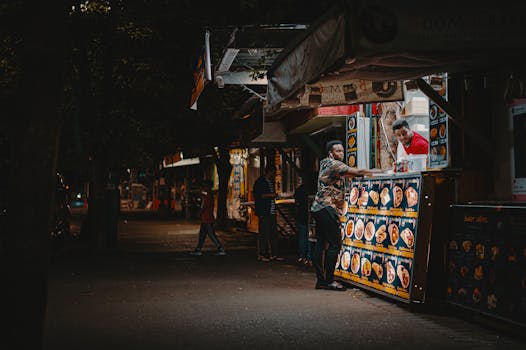
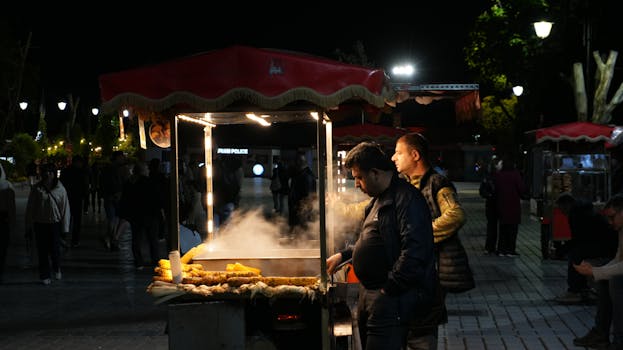
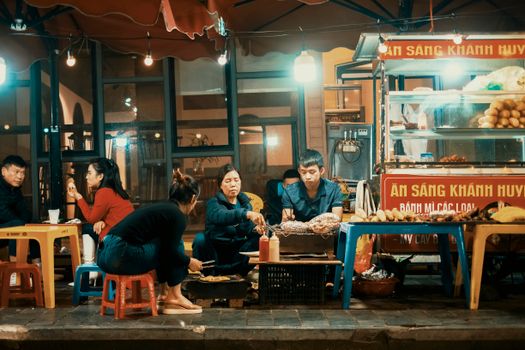
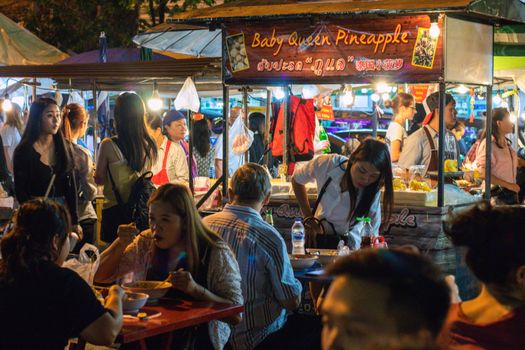
The aroma hit me first – a symphony of sizzling garlic, sweet char, and something wonderfully, unidentifiably spicy. I stood on a bustling corner in Chiang Mai, Thailand, surrounded by a whirlwind of motorbikes, laughter, and the hypnotic hum of a thousand conversations. My guide, a jovial local named Preeya, grinned, "This, my friend, is where the real magic happens."
I’d been to night markets before, sure. The ones with souvenir stalls, flashy lights, and prices clearly aimed at tourists. But this? This was different. Here, families huddled around plastic tables, slurping noodles with gusto. Friends shared skewers, their eyes alight with the joy of good food and great company. The air crackled with an energy that felt utterly, beautifully authentic. It was in that moment, biting into a perfectly grilled sai oua (Northern Thai sausage), that I truly understood: the heart of a city, its true culinary soul, beats strongest in its local night markets.
And guess what? These aren't just obscure spots anymore. The word is out. Savvy travelers, food bloggers, and adventurous eaters are seeking out these genuine havens of local flavor, making them some of the hottest, most trending food destinations on the planet. If you're tired of bland hotel food and yearn for an experience that tantalizes your taste buds and connects you with the very pulse of a place, you've come to the right blog post.
Welcome, fellow food adventurer, to Tripsora’s ultimate guide to the night markets where locals actually eat – and where you absolutely should too!
The Unforgettable Buzz: Why Local Night Markets Are Trending
What makes these markets so special? It's more than just the food, though the food is undeniably spectacular. It's the entire sensory experience:
- Authenticity Unlocked: This is where generations-old recipes thrive, passed down through families. You're tasting a piece of cultural heritage.
- A Culinary Classroom: Each stall tells a story. Watch expert hands at work, from the rhythmic chopping of herbs to the artistic plating of a dish.
- Budget-Friendly Feasting: You can eat like royalty for a fraction of restaurant prices. Your dollar (or baht, or peso, or won) stretches further here.
- The Social Fabric: Night markets are community hubs. They're where people gather, gossip, celebrate, and simply live. You become part of that vibrant tapestry, even if just for an evening.
- Instagram Gold: From vibrant colors to steaming dishes and bustling scenes, these markets are a photographer's dream. #StreetFoodGoals, anyone?
Ready to dive in? Grab your appetite and let’s explore some of the best trending night markets where the locals truly lead the way.
---
1. Chiang Mai, Thailand: The Northern Thai Foodie Paradise
Chiang Mai holds a special place in my heart, and its night markets are a huge reason why. While the famous Sunday Walking Street is incredible for its sheer scale and artisan crafts, for a true local food dive, you need to venture slightly off the main tourist drag.
Where to Go:
* Anusarn Market: Just east of the Night Bazaar, Anusarn is a fantastic, slightly less overwhelming option than the main tourist market. It's a maze of food stalls, seafood grills, and small eateries that cater heavily to locals.
* Kad Rin Kham (Local Lanna Market): If you can find a local to take you, or are adventurous with Grab (Southeast Asia's Uber), seek out this gem. It’s less flashy, more rustic, and overflowing with authentic Northern Thai delights.
What to Eat (and My Personal Must-Trys):
* Khao Soi (Noodle Curry): Oh, khao soi. This creamy, spicy, coconut-curry noodle soup topped with crispy fried noodles is Chiang Mai's signature dish. My first bowl, from a tiny stall in Anusarn, was an explosion of flavor – rich broth, tender chicken, and that addictive crunch. Expect to pay around 40-60 THB ($1.10-$1.70 USD).
* Sai Oua (Northern Thai Sausage): Herbaceous, slightly spicy, and grilled to perfection. It’s usually served with sticky rice. A few pieces will set you back about 20-30 THB ($0.60-$0.85 USD).
* Gaeng Hung Lay (Burmese-style Pork Curry): A rich, sweet, and tangy curry with tender pork belly. It's less common than Khao Soi but equally delicious.
* Moo Ping (Grilled Pork Skewers): Marinated pork grilled over charcoal. Simple, classic, utterly delicious. 10-20 THB ($0.30-$0.60 USD) per skewer.
Practical Tips:
* Go Early: Locals start eating around 6 PM, so if you want to beat the very small crowds (and ensure your favorite dishes aren't sold out), arrive then.
* Don't Be Afraid of the Unknown: Point, smile, and try something new! Vendors are usually very friendly.
* Hygiene: Look for stalls with high turnover and visible cooking. Most local spots are clean.
---
2. Taipei, Taiwan: A Culinary Wonderland After Dark
Taiwanese night markets are legendary, and for good reason. They are organized, diverse, and a truly integral part of Taiwanese culture. Taipei alone boasts dozens, each with its own character.
Where to Go:
* Raohe Street Night Market: My personal favorite. It's a compact, linear market with an incredible energy. The iconic temple at one end makes for a stunning backdrop.
* Shilin Night Market: The largest and most famous. While it draws many tourists, the sheer volume of stalls means there are still plenty of local favorites, especially in the underground food court.
What to Eat (and My Personal Must-Trys):
* Fuzhou Pepper Buns (Hújiāo Bǐng): At Raohe, the queue for these crispy, savory buns baked in a cylindrical oven is always long, and for good reason. They’re filled with succulent pork and spring onions, with a peppery kick. Worth every minute of the wait! Around 60-70 TWD ($2-$2.30 USD).
* Stinky Tofu (Chòu Dòufu): You either love it or... you’re wrong. Just kidding! But seriously, don’t let the pungent aroma deter you. The deep-fried version, crispy on the outside and soft inside, served with pickled cabbage and chili, is surprisingly delicious. I remember hesitantly taking my first bite at Shilin, and being shocked by the savory, complex flavor beneath the smell. Prices vary, 50-80 TWD ($1.60-$2.60 USD).
* Oyster Omelet (Ōa-á-chian): A Taiwanese classic! Plump oysters cooked with eggs, vegetables, and a starchy sauce, then drizzled with a sweet and savory chili sauce. So comforting. 70-100 TWD ($2.30-$3.30 USD).
* Gua Bao (Taiwanese Hamburger): Steamed bun filled with tender braised pork belly, pickled mustard greens, and crushed peanuts. A perfect symphony of textures and flavors. Around 50-70 TWD ($1.60-$2.30 USD).
Practical Tips:
* Pace Yourself: Taiwanese markets are dense with options. Don’t fill up on the first few stalls.
* Carry Small Bills: Makes transactions smoother.
* Look for Lines: A long queue of locals is usually a sign of something truly exceptional.
---
3. Ho Chi Minh City, Vietnam: A Symphony of Street Food
Vietnam’s street food scene is legendary, and Ho Chi Minh City (HCMC) truly embodies its vibrant spirit. While Ben Thanh Market is a major landmark, the real local action happens on the streets surrounding it, and in smaller, district-specific markets.
Where to Go:
* District 4 (Xom Chieu Night Market): This is where you go for a truly local experience. It's less polished, more chaotic, and utterly authentic. You’ll be surrounded by Vietnamese families enjoying their evening meals.
* Street Stalls around Ben Thanh Market (after closing): Once the main market closes, the surrounding streets transform into a bustling open-air food court. It's a mix, but many authentic local vendors set up shop.
* Vĩnh Khánh Street (District 4): Known as "Snail Street" (Ốc Vĩnh Khánh), this entire street is dedicated to seafood, especially various preparations of snails and shellfish. It's a lively, boisterous experience.
What to Eat (and My Personal Must-Trys):
* Bánh Mì: The iconic Vietnamese sandwich. Crusty baguette, pate, various meats (often grilled pork or cold cuts), pickled vegetables, and fresh herbs. Each stall has its own secret recipe. My favorite was a simple pork belly bánh mì from a cart near my hostel in District 1 – the crunch of the bread, the rich pork, the fresh cilantro… heaven for about 20,000-30,000 VND ($0.80-$1.20 USD).
* Phở: While often a breakfast dish, many stalls serve it late into the evening. Look for a steaming bowl of beef or chicken noodle soup, rich with aromatics.
* Gỏi Cuốn (Fresh Spring Rolls): Light, fresh, and healthy, filled with shrimp, pork, vermicelli, and herbs, served with a delicious peanut dipping sauce.
* Bánh Xèo (Crispy Sizzling Pancake): A savory crepe filled with shrimp, pork, bean sprouts, and herbs, served with fresh greens for wrapping and a dipping sauce. The sound of it sizzling as it cooks is pure music!
* Ốc (Snails/Shellfish): If you're on Vĩnh Khánh Street, you must try the snails. They come in countless preparations – grilled with garlic butter, stir-fried with tamarind, or steamed with ginger. So adventurous and delicious. Prices vary but are very reasonable, often 50,000-100,000 VND ($2-$4 USD) per dish.
Practical Tips:
* Sit on the Tiny Stools: It’s part of the experience! Embrace the low-to-the-ground dining.
* Learn a Few Phrases: "Cảm ơn" (thank you) goes a long way.
* Be Adventurous: Don't be shy about trying new things, especially the seafood in District 4.
---
4. Penang, Malaysia: The Crossroads of Flavor
Penang, specifically its capital Georgetown, is often hailed as Malaysia’s culinary capital, and its night markets are a testament to that claim. Here, Malay, Chinese, and Indian influences beautifully intertwine, creating a truly unique street food tapestry.
Where to Go:
* Kimberly Street Food Court: While not a traditional "market," this bustling street comes alive at night with legendary hawker stalls. It’s a must-visit for classic Penang dishes.
* Gurney Drive Hawker Centre: A more organized, open-air food court by the sea. It caters to both locals and tourists but maintains high quality and local favorites.
What to Eat (and My Personal Must-Trys):
* Char Kway Teow: Flat rice noodles stir-fried with shrimp, cockles, bean sprouts, chives, egg, and soy sauce over high heat. The "wok hei" (breath of the wok) is crucial here. I still dream about the smoky, savory perfection I had on Kimberly Street, watching the chef expertly toss the noodles in a fiery wok. Around 7-10 MYR ($1.50-$2.10 USD).
* Assam Laksa: A sour, spicy, fish-based noodle soup with thick rice noodles, shredded fish, cucumber, pineapple, and mint, topped with a dollop of pungent shrimp paste. It’s a flavor explosion – tangy, spicy, and utterly addictive.
* Hokkien Mee (Penang Prawn Mee): Yellow noodles and rice vermicelli in a rich, spicy prawn broth, topped with prawns, slices of pork, fish cake, and a hard-boiled egg. It's hearty and deeply flavorful.
* Nasi Lemak: While available everywhere, a good street-side Nasi Lemak (coconut rice served with spicy sambal, fried anchovies, peanuts, and a hard-boiled egg, often with fried chicken) is a revelation. It's often served wrapped in banana leaves for extra aroma.
Practical Tips:
* Bring Tissues: Many hawker stalls won’t provide napkins.
* Hydrate: It gets hot. Grab a fresh fruit juice or iced Milo.
* Be Open to Sharing Tables: Especially at busy spots, it’s common to share tables with strangers. It’s part of the communal experience.
---
5. Mexico City, Mexico: Tacos Al Pastor & Beyond
When you think "night market," your mind might jump to Asia, but Mexico City's street food scene, particularly at night, is a vibrant, thrilling experience that absolutely qualifies. It's less about a designated "market" and more about entire streets and plazas that transform into bustling open-air kitchens.
Where to Go:
* Calle de López (Centro Histórico): This street comes alive at night with taco stands, quesadilla carts, and other antojitos (street snacks). It's a working-class area, so the food is authentic and fantastic.
* Roma Norte/Condesa Streets: While these neighborhoods are trendier, certain corners and parks (like Parque México) host fantastic, long-standing street food operations that attract both locals and savvy visitors.
* Mercado de San Juan (Evening Stalls): While primarily a daytime market, some incredible food stalls around its perimeter stay open late, offering unique and traditional eats.
What to Eat (and My Personal Must-Trys):
* Tacos Al Pastor: The undisputed king of Mexico City street food. Marinated pork cooked on a vertical spit (trompo), shaved directly onto tortillas, topped with pineapple, onion, and cilantro. My first al pastor taco, from a bustling stand on Calle de López, was transcendent – the perfectly charred pork, the sweet tang of pineapple, the fresh cilantro… it was pure magic for about 15-20 MXN ($0.80-$1.10 USD) per taco. I ate at least five.
* Esquites: Corn kernels sautéed with epazote, chili, mayonnaise, cheese, and lime juice. Warm, savory, and utterly addictive.
* Quesadillas (with or without cheese!): Freshly made tortillas, often blue corn, filled with various stews (guisados) like flor de calabaza (squash blossoms), huitlacoche (corn smut – trust me, it’s delicious), or potato with chorizo.
* Sopes and Huaraches: Thick masa (corn dough) tortillas topped with beans, cheese, meat, and salsa. Hearty and satisfying.
* Churros: For something sweet, find a churro cart. Crispy, sugary, and often served with a rich chocolate dipping sauce.
Practical Tips:
* Look for Busy Stands: A line of locals is your best indicator of quality and freshness.
* Don't Be Afraid of Salsa: Most stands offer a range of salsas from mild to fiery. Start small!
* "Con todo": When ordering tacos, say "con todo" (with everything) if you want the full experience (onions, cilantro, salsa).
* Cash is King: Small bills are essential.
---
6. Seoul, South Korea: A Taste of K-Culture After Dark
Seoul's night markets offer a fascinating blend of traditional Korean flavors and modern, Instagram-worthy street snacks. They're clean, efficient, and incredibly diverse, reflecting Korea's dynamic food scene.
Where to Go:
* Gwangjang Market (Food Section): While open during the day, the food section truly comes alive at night. It's an iconic, bustling indoor market filled with rows of food stalls, each with its own loyal following.
* Myeongdong Street Food Alley: Less a market, more a concentrated street food zone. It's touristy but also popular with young Koreans for its trendy and classic snacks.
* Namdaemun Market (Evening Stalls): Similar to Gwangjang, many of its food stalls operate well into the night, offering a more traditional market experience.
What to Eat (and My Personal Must-Trys):
* Tteokbokki (Spicy Rice Cakes): Chewy rice cakes swimming in a vibrant, sweet, and spicy gochujang sauce, often with fish cakes and sometimes boiled eggs. It's a quintessential Korean comfort food. I remember standing at a Gwangjang stall, sharing a plate with new friends, the warmth of the spice spreading through me on a cool Seoul evening. Around 4,000-6,000 KRW ($3-$4.50 USD).
* Hotteok (Sweet Pancakes): A delightful sweet treat. These pan-fried pancakes are filled with brown sugar, cinnamon, and sometimes nuts, melting into a gooey, sweet surprise. Perfect on a cold night. About 1,000-2,000 KRW ($0.75-$1.50 USD).
* Kimbap (Seaweed Rice Rolls): Similar to Japanese sushi rolls but with seasoned rice and various fillings like egg, ham, vegetables, and often a touch of sesame oil. Perfect for a quick bite.
* Mayak Gimbap (Gwangjang's "Drug" Kimbap): Named for its addictive qualities! These are mini kimbap rolls, often served with a mustard soy sauce. Simple, yet incredibly moreish.
* Bindae-tteok (Mung Bean Pancakes): Crispy, savory pancakes made from ground mung beans, often mixed with vegetables and meat, then pan-fried until golden. A Gwangjang Market specialty.
Practical Tips:
* Be Prepared for Communal Seating: Especially at Gwangjang, you’ll often sit elbow-to-elbow with others at long tables.
* Cash is Handy: While many places accept cards, smaller stalls often prefer cash.
* Explore the Alleys: Don't just stick to the main thoroughfares; some of the best finds are down narrow side streets.
---
General Tips for Conquering Any Local Night Market
You're armed with specific knowledge, but here are some universal truths for maximizing your local night market adventure:
- Go with an Empty Stomach (and an Open Mind): This is not the time for light snacking. Come hungry, and be willing to try dishes you've never heard of.
- Hydrate & Cleanse: Bring a small bottle of water. Many markets have drinks stalls; try local fruit juices or iced teas. Wet wipes or hand sanitizer are your best friends.
- Carry Small Local Currency: Makes transactions quicker and easier. Avoid flashing large bills.
- Embrace the Chaos: Night markets are loud, bustling, and sometimes a little messy. That's part of their charm!
- Look for the Locals: As mentioned, if a stall has a line of locals, it's usually a good sign of quality and authenticity.
- Don't Be Afraid to Ask (or Point): Most vendors are used to tourists and will be happy to help, even if language is a barrier. Pointing and smiling works wonders.
- Pace Yourself: It's easy to get overwhelmed by choice. Start with smaller portions and share with your travel companions so you can try more variety.
- Be Mindful of Your Belongings: Keep your wallet and phone secure in a front pocket or cross-body bag.
- Take Photos, But Be Respectful: Capture the vibrant scenes, but always be polite if photographing vendors. A quick smile and nod usually suffices.
- Bring a Reusable Bag: Great for any snacks or non-food items you might pick up.
---
The Call of the Sizzle: Your Next Food Adventure Awaits!
There's a magic to night markets that transcends mere sustenance. It's in the shared laughter over a spicy bite, the warmth of a freshly cooked dish on a cool evening, the rhythmic sounds of chopping and sizzling, and the vibrant tapestry of local life unfolding before your eyes. These trending night markets aren't just places to eat; they're experiences that will awaken your senses, connect you with cultures, and leave you with memories (and cravings!) that last a lifetime.
So, what are you waiting for? Pack your bags, loosen your belt, and prepare to embark on the most delicious adventure of your life. Which market will you explore first? Let us know in the comments below!
Share this post with your foodie friends and start planning your next culinary escapade!
---