The Real Deal: Uncovering Asia's Night Markets Where Locals Feast (and Influencers Don't Want You to Know)
I remember it like it was yesterday: standing in a crowded, brightly lit night market in a popular Asian city, camera in hand, trying to capture the "perfect" shot of a vibrant dessert. The air was thick with the smell of fried something-or-other, but beneath the surface, something felt off. The prices were inflated, the food tasted… fine, but not amazing, and every other person seemed to be either an influencer posing or a tourist following a pre-packaged guide. I felt a pang of disappointment. Was this it? Was this the "authentic" experience everyone raved about?
That night, I vowed to dig deeper. To peel back the layers of curated travel guides and perfectly filtered Instagram feeds. I wanted the real night market experience. The kind where grandmas haggle over fresh produce, where families gather around steaming bowls of noodles, where the aroma of spices isn't just a backdrop but a promise of something truly delicious. And you know what? I found them.
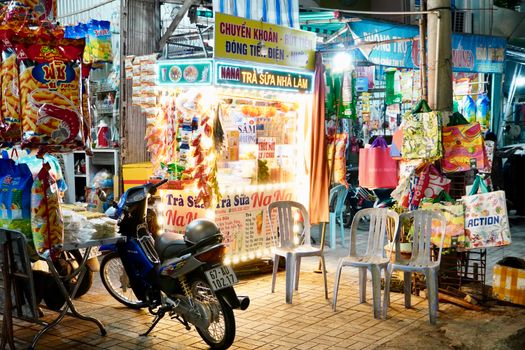
Forget the places with English menus plastered everywhere and perfectly arranged food stalls designed for photo ops. We're talking about the bustling, gritty, gloriously unpolished markets where the food speaks for itself, where the prices are ridiculously low, and where you'll be rubbing shoulders with locals, not other tourists. These are the night markets that influencers don't want you to know about, because they're not always perfectly lit or aesthetically pleasing in a sterile way. But oh, the food! The vibrant atmosphere! The genuine cultural immersion! This, my friends, is where the magic happens.
Are you ready to truly eat like a local? Let's dive in.
The Allure of the Authentic: Why Ditch the Tourist Traps?
Before we embark on our culinary journey, let's talk about why seeking out these local havens is so vital. It’s not just about saving a few bucks (though that’s a definite perk!). It’s about:
- Taste: Tourist-focused markets often dumb down flavors to appeal to a wider, less adventurous palate. Local markets, however, stay true to traditional recipes, using fresh, seasonal ingredients and generations-old techniques. This is where you find the real umami bomb, the perfect balance of sweet, sour, salty, and spicy.
- Price: This is a no-brainer. When you eat where locals eat, you pay local prices. We’re talking dishes for a dollar or two, allowing you to sample a vast array of treats without breaking the bank.
- Atmosphere: The energy in a local market is palpable. It’s a symphony of sizzling woks, enthusiastic chatter, the rhythmic chop of cleavers, and the laughter of families. It’s chaotic, vibrant, and utterly captivating – a true snapshot of daily life.
- Cultural Immersion: Eating street food is a cultural act. It’s how people socialize, how they fuel their day, how they celebrate. By joining them, you gain a deeper understanding of their customs, their flavors, and their community. You become a participant, not just an observer.
My own turning point came in Bangkok. After a disappointing visit to a famous night market, a local friend insisted on taking me to a lesser-known spot near her apartment. No fancy lights, no English signs. Just a handful of plastic tables, a few roaring woks, and the most incredible Pad See Ew I'd ever tasted. It was smoky, perfectly seasoned, and cost less than my bottled water at the tourist market. That's when I knew: this was the way to travel.
Southeast Asia's Hidden Culinary Jewels: Beyond the Beaches and Temples
Southeast Asia is a street food paradise, but you need to know where to look.
1. Chiang Mai, Thailand: Wua Lai Walking Street (Saturday Night Market)
While Chiang Mai's Sunday Night Market gets all the hype (and the crowds), the Wua Lai Walking Street Market, held every Saturday evening, offers a more localized, equally vibrant experience. Located just outside the Old City’s south gate, it’s a favorite among Chiang Mai residents.
- The Vibe: Less sprawling than the Sunday market, but intensely local. The focus here is heavily on food, art, and handicrafts from local artisans. You'll find fewer backpackers and more Thai families enjoying their weekend. The delicious aroma of grilled meats and bubbling curries fills the air.
- Must-Try Dishes:
- Sai Oua (Chiang Mai Sausage): A spicy, herbaceous grilled pork sausage that's bursting with flavor. Look for the stalls with long queues and sizzling coils.
- Gaeng Hung Lay (Burmese Pork Belly Curry): A rich, sweet, and tangy curry with tender pork belly, often served with sticky rice. It’s a Northern Thai specialty.
- Khanom Krok (Coconut Pancakes): Crispy on the outside, creamy on the inside, these sweet coconut bites are cooked in a special dimpled pan and are incredibly addictive.
- Khao Soi: While usually a sit-down dish, some stalls offer smaller portions. It's a creamy, coconut curry noodle soup that is Chiang Mai's signature dish.
- Prices: Expect to pay around 30-60 THB ($1-2 USD) per dish. You can feast like royalty for under $10 USD.
- Getting There: Take a red songthaew (shared taxi) and tell them "Wua Lai" or "Saturday Night Market." They'll know exactly where to drop you off.
- My Anecdote: I remember wandering down Wua Lai, drawn by the sound of a traditional Thai band playing. I stumbled upon a tiny stall with a smiling woman grilling skewers of Sai Oua. There was no English, just pointing and smiles. The sausage was the best I'd ever had – spicy, aromatic, and perfectly charred. It was a simple moment, but it felt incredibly authentic.
2. Hanoi, Vietnam: Old Quarter's Secret Street Food Alleys
Hanoi's Old Quarter is a maze of bustling streets, and while you'll find touristy spots, the real magic lies in its unassuming alleys and side streets that come alive after dark. There isn't one single "night market" per se, but rather clusters of incredible street food vendors.
- The Vibe: Imagine tiny plastic stools spilling onto narrow sidewalks, the constant hum of scooters, and the intoxicating scent of pho broth, grilled pork, and fresh herbs. It’s raw, energetic, and utterly captivating. Look for areas away from the main tourist drag around Hoan Kiem Lake. Streets like Ta Hien (further down, away from the beer corner), Hang Buom, or even just the random corners around Dong Xuan Market after it closes for the day, become local food hubs.
- Must-Try Dishes:
- Bun Cha: Grilled pork patties and slices of pork belly served in a flavorful broth with vermicelli noodles and fresh herbs. A Hanoi classic!
- Pho Cuon (Fresh Pho Rolls): Thin sheets of un-cut pho noodles wrapped around stir-fried beef and herbs, served with a dipping sauce. Lighter than traditional pho but incredibly fresh.
- Banh Cuon (Steamed Rice Rolls): Delicate, translucent rice paper rolls filled with seasoned ground pork and wood ear mushrooms, topped with crispy fried shallots.
- Nem Ran (Fried Spring Rolls): Crispy, savory, and utterly delicious.
- Prices: Most dishes are 20,000-50,000 VND ($0.80-$2 USD).
- Getting There: Walk, walk, walk! Or take a Grab bike. The best spots are often discovered by simply following your nose and looking for where locals are congregating.
- My Anecdote: One evening, I was exploring a quiet alley off Ta Hien street. I saw a small, nondescript stall with a handful of plastic chairs and a queue of Vietnamese families. Intrigued, I joined them. The woman running the stall served only one thing: Banh Cuon. She made them fresh to order, steaming the delicate rice sheets right in front of me. Each bite was a revelation – soft, savory, and utterly perfect. It was a true "locals only" moment.
East Asian Eats: Beyond the Glitz and Glamour
East Asia offers incredible night market experiences, often more organized but equally authentic if you know where to look.
3. Taipei, Taiwan: Ningxia Night Market
While Shilin Night Market is a household name, Ningxia Night Market in Taipei is where many locals go for their street food fix. It's smaller, more food-focused, and generally less overwhelming.
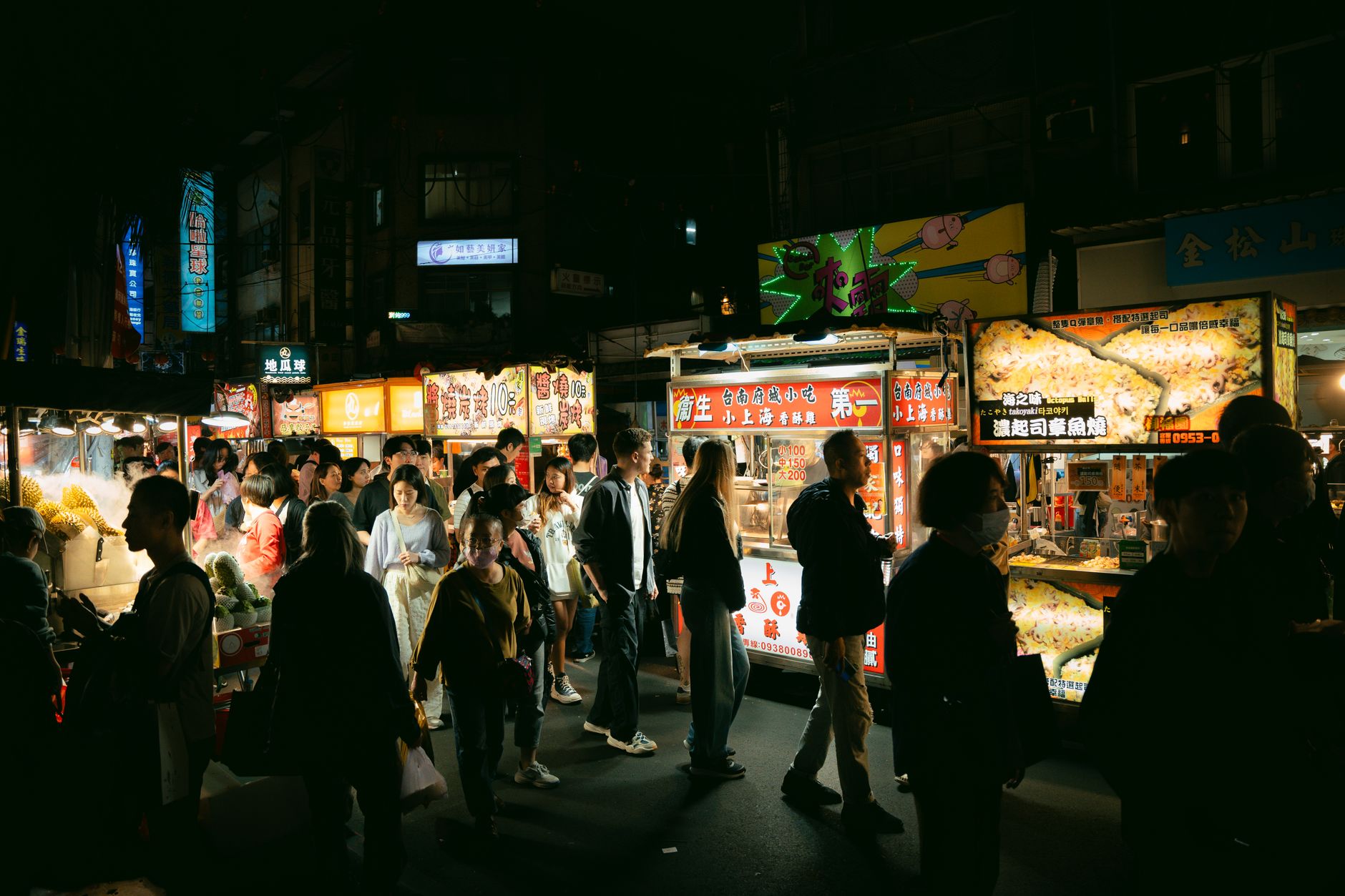
- The Vibe: Packed with food stalls stretching down a single street, Ningxia is a sensory overload in the best way possible. The air is thick with the aroma of fried chicken, oyster omelets, and sweet potato balls. It’s bustling, friendly, and authentically Taiwanese.
- Must-Try Dishes:
- Oyster Omelet (Orh Ah Jian): A Taiwanese classic! Plump oysters, eggs, and leafy greens cooked on a griddle with a starchy sauce. Look for stalls with a long line.
- Lu Rou Fan (Braised Pork Rice): A simple yet incredibly satisfying bowl of rice topped with savory, slow-braised pork belly.
- Da Chang Bao Xiao Chang (Small Sausage in Large Sausage): A grilled Taiwanese sausage wrapped in a sticky rice sausage – a delicious and unique carb-on-carb delight.
- Mochi with Peanut Powder: Soft, chewy mochi rolled in sweet peanut powder – a perfect dessert.
- Deep-Fried Taro Balls & Sweet Potato Balls: Crispy, chewy, and subtly sweet.
- Prices: Dishes typically range from 50-150 TWD ($1.50-$5 USD).
- Getting There: Take the MRT to Shuanglian Station (Red Line) or Zhongshan Station (Red Line/Green Line), then it's a 10-15 minute walk.
- My Anecdote: I once tried to find the "best" oyster omelet at Ningxia by looking for the longest queue. It paid off! The stall was run by an elderly couple who had perfected their craft over decades. The omelet was perfectly crispy, the oysters plump, and the sauce tangy. It wasn't about the presentation; it was purely about the incredible flavor and the sheer joy of eating alongside happy locals.
4. Seoul, South Korea: Gwangjang Market (Beyond the Netflix Hype)
Yes, Gwangjang Market got a huge boost from Netflix's "Street Food" series, making it more popular with tourists. However, it remains a quintessential local market, and if you know where to look within its sprawling halls, you'll still find incredibly authentic experiences. Focus on the specific food alleys and less on the main entrances.
- The Vibe: Gwangjang is a vibrant, covered market that transforms into a bustling food haven at night. It's a labyrinth of stalls, with vendors shouting out their offerings and the clatter of chopsticks filling the air. It’s loud, energetic, and a true feast for the senses.
- Must-Try Dishes:
- Bindaetteok (Mung Bean Pancakes): This is the undisputed king of Gwangjang. Watch them grind the mung beans, mix the batter, and fry these savory pancakes until golden and crispy. Pair it with makgeolli (rice wine).
- Mayak Gimbap ("Drug Gimbap"): So-called because it’s incredibly addictive. These are small, bite-sized gimbap rolls served with a tangy mustard dipping sauce.
- Tteokbokki: Chewy rice cakes in a fiery gochujang sauce. A classic Korean street food.
- Kalguksu (Hand-Cut Noodle Soup): Seek out the famous stall featured on Netflix, but know that many other vendors offer equally delicious versions.
- Prices: Dishes are typically 5,000-10,000 KRW ($4-8 USD).
- Getting There: Jongno 5-ga Station (Line 1), Exit 7 or 8.
- My Anecdote: My favorite experience at Gwangjang was finding a tiny Bindaetteok stall, tucked away in a side alley, where an ajumma (older Korean woman) was flipping pancakes with incredible speed. I squeezed onto a tiny stool at her counter, surrounded by laughing locals. She handed me a freshly fried pancake and a small bowl of dipping sauce. It was crispy, savory, and utterly comforting, made even better by the communal, lively atmosphere.
5. Penang, Malaysia: New Lane Hawker Centre
While not a "night market" in the traditional sense of selling goods, New Lane Hawker Centre in George Town, Penang, is an iconic local night eating experience that perfectly embodies the spirit of authentic street food. It's a collection of individual hawker stalls that set up around a central seating area.
- The Vibe: A buzzing open-air food court that comes alive after sunset. The air is thick with the intoxicating smells of char kway teow, satay, and curry mee. It's a vibrant, chaotic, and incredibly delicious symphony of Malaysian flavors.
- Must-Try Dishes:
- Char Kway Teow: Flat rice noodles stir-fried in a searing hot wok with shrimp, cockles, bean sprouts, and Chinese chives. The "wok hei" (breath of the wok) is key!
- Assam Laksa: A sour, spicy, and savory fish-based noodle soup with thick rice noodles, fresh vegetables, and a generous dollop of prawn paste.
- Satay: Skewers of marinated and grilled chicken or beef, served with a rich peanut dipping sauce.
- Oyster Omelette: Similar to Taiwan's version, but with a distinct Malaysian twist.
- Chendol: A refreshing dessert with shaved ice, coconut milk, palm sugar syrup, and green rice flour jelly.
- Prices: Most dishes are 6-15 MYR ($1.50-$3.50 USD).
- Getting There: Located on Lorong Baru, off Macalister Road, in George Town. Easy to find with Google Maps or a Grab ride.
- My Anecdote: The first time I visited New Lane, I was overwhelmed by the choices. My Malaysian friend told me to find the stall with the longest line for Char Kway Teow. I waited patiently, watching the chef expertly toss the noodles in his smoking wok. When my plate arrived, it was pure perfection – smoky, savory, and packed with flavor. Eating it at a communal table, surrounded by the chatter of locals, felt like a true taste of Penang.
The Art of the Hunt: How to Find These Local Gems
So, how do you uncover these un-Instagrammed treasures? It takes a bit of effort, but it's incredibly rewarding.
- Ask Locals (the Right Ones): Don't ask your hotel concierge (they'll often send you to tourist traps for a commission). Ask a taxi driver, a shopkeeper, or a student. Better yet, make friends with a local! Ask "Where do you eat?" or "What's your favorite local night market?"
- Look for Queues (of Locals): This is the golden rule. If a stall has a long line of locals, it's almost always a sign of delicious, fresh food. Join the queue, even if you don't know what you're ordering.
- Wander Off the Beaten Path: Walk a few blocks away from the main tourist attractions. Often, the best food is found on quieter side streets or in residential areas.
- Google Maps in Local Language: Search for "street food" or "night market" in the local language (e.g., "ตลาดกลางคืน" for Thai night market, "chợ đêm" for Vietnamese). You might discover smaller, more authentic spots.
- Observe the Environment: While local markets can be a bit chaotic, look for stalls that appear busy but also relatively clean. High turnover usually means fresh ingredients.
- Trust Your Nose: Let the delicious aromas guide you. If something smells incredible, it probably is!
- Learn Basic Phrases: Even "hello," "thank you," and "how much?" in the local language can go a long way in building rapport and getting a better experience.
Navigating the Local Market Like a Pro: Practical Tips
You've found your local market – now what? Here’s how to navigate it like a seasoned traveler:
- Cash is King: Always carry small denominations of local currency. Many stalls won't accept cards, and larger bills might be difficult to break.
- Point and Smile: If there's a language barrier, point to the dish you want or to what someone else is eating. A friendly smile goes a long way.
- Embrace Communal Seating: Don't be shy about squeezing onto a plastic stool at a shared table. It's part of the experience and a great way to observe local life.
- Be Adventurous: Try things you don't recognize! Some of the best discoveries are made by stepping outside your comfort zone.
- Observe Hygiene (Discreetly): Look for busy stalls with fresh turnover of ingredients. While street food hygiene standards differ, a busy stall usually means fresh ingredients and high demand.
- Pace Yourself: Don't fill up on the first delicious thing you see. Sample small portions from several different stalls to get a full culinary tour.
- Keep Belongings Secure: As with any crowded place, be mindful of your wallet, phone, and passport.
- Hydrate: It can get hot and spicy! Keep a bottle of water handy.
- Capture the Real Moment: Forget staging elaborate shots. Take candid photos of the bustling energy, the vibrant colors, and the genuine joy on people's faces (including your own!). These are the memories that truly last.
Your Next Culinary Adventure Awaits!
Stepping into a truly local night market is more than just eating; it's an immersive cultural experience. It’s a chance to connect with a destination on a deeper, more authentic level, far removed from the curated perfection of influencer feeds. It’s where the real stories are told, the real flavors are celebrated, and the real memories are made.
So, next time you plan a trip to Asia, ditch the perfectly lit, tourist-heavy spots. Put down your phone, look for the queues of locals, and let your taste buds lead the way. You might not get a thousand likes on a perfectly staged photo, but you'll gain something far more valuable: an unforgettable, authentic culinary adventure that will forever change the way you see and taste the world.
What are your favorite hidden night market gems? Share your secrets in the comments below! Let's build a community of authentic food explorers!
---