Eat Like a Local for Pennies: The Secret That Changed My Travels Forever
I remember it like it was yesterday. Hanoi, Vietnam. The air thick with the scent of garlic, ginger, and something wonderfully unidentifiable. I was perched precariously on a tiny plastic stool, barely a foot off the ground, next to a bustling street vendor. In front of me sat a bowl of Bún Chả – grilled pork patties, vermicelli noodles, fresh herbs, and a savory dipping broth – steaming hot and utterly intoxicating. The cost? A jaw-dropping 30,000 Vietnamese Dong, which, at the time, was about $1.30 USD.
Across the street, a group of tourists sat in a sterile, air-conditioned restaurant, looking slightly bewildered by their "authentic" Vietnamese meal, probably paying ten times what I was. That moment, slurping down the most flavorful, soul-satisfying meal of my life, was an epiphany. It wasn't just about the money saved; it was about the connection. The smiles from the vendor, the chatter of locals around me, the sheer, unadulterated joy of a truly local experience.
That single bowl of Bún Chả didn't just fill my stomach; it fundamentally altered how I approached travel. I realized that the best, most authentic, and often cheapest food experiences weren't hidden behind fancy menus or English-speaking waiters. They were right there, on the street, in bustling markets, and tucked away in unassuming eateries, waiting to be discovered.
This isn't just a budget hack; it's a philosophy. It's about tearing down the walls between you and the local culture, using food as your passport to a deeper, richer travel experience. And trust me, once you go local, you’ll never go back. Here’s how to eat like a local for pennies, and how it will change your life forever.
The Mindset Shift: Ditching the Tourist Traps for True Authenticity
Before we dive into the practicalities, let's talk about the mental shift. As travelers, we're often conditioned to seek out comfort and familiarity. We look for restaurants with English menus, glossy photos, and TripAdvisor stickers. While there's nothing inherently wrong with that, it often means you're paying a premium for a diluted experience, designed more for foreign palates than local traditions.
The "Tourist Trap Tax" is Real:
Those restaurants near major attractions? They know you're a tourist, and they price accordingly. The food is often mediocre, mass-produced, and lacks the soul of local cuisine. You might pay $20 for a dish that locals get for $3 just a few blocks away.
Embrace the Unknown:
The biggest hurdle is often fear – fear of language barriers, fear of unfamiliar food, fear of "getting sick." But I promise you, the rewards far outweigh the risks. Learning a few basic food phrases (like "delicious," "thank you," "spicy," "no meat") can work wonders. And as for getting sick, common sense and observation are your best friends (more on that later).
Why it's Life-Changing:
Eating locally isn't just about saving money (though that's a huge perk, allowing you to travel longer and see more!). It’s about:
* Authenticity: You taste the real flavors, the traditional recipes passed down through generations.
* Cultural Immersion: Food is a universal language. Sharing a meal with locals, even if you don't speak the same tongue, builds bridges.
* Adventure: Every meal becomes a mini-adventure, a story to tell.
* Sustainability: You're supporting local businesses and farmers directly, not international chains.
* Health (often!): Local food, especially from markets, is often fresher and less processed than what you find in tourist-centric eateries.
My budget used to be eaten alive by food costs. Now, I spend a fraction, eat like royalty, and feel more connected to the places I visit than ever before.
Market Magic: Your Culinary Playground
The local market isn't just a place to buy groceries; it's the beating heart of a community, a sensory explosion, and your ultimate secret weapon for eating like a local for pennies.
Why Markets are Gold:
* Street Food Stalls: Many markets have dedicated food sections where vendors cook fresh dishes right in front of you. This is prime territory for cheap, delicious, and often hygienic eats.
* Fresh Produce: Grab exotic fruits, local cheeses, fresh bread, and ingredients for a picnic.
* Cultural Experience: Observe local life, haggle (respectfully!), and soak in the vibrant atmosphere.
How to Navigate a Market:
1. Go Early: For the freshest produce and to avoid the biggest crowds (though sometimes the crowds are part of the fun!).
2. Look for Crowds: This is my golden rule for street food. If a stall has a long line of locals, it's a good sign the food is delicious and fresh (high turnover means ingredients don't sit around).
3. Observe Hygiene: Check if the vendor is handling money and food separately (or wearing gloves), if the cooking surfaces look clean, and if the food is piping hot.
4. Point and Smile: Don't worry about language barriers. Point to what you want, hold up fingers for quantity, and use a friendly smile. Google Translate's camera function can be a lifesaver for deciphering ingredients.
5. Small Denominations: Always carry small local currency notes. It makes transactions smoother and avoids potential "change issues."
Personal Anecdote:
In Chiang Mai, Thailand, I spent an entire morning at Warorot Market. I grazed my way through it: a bag of sticky mango rice for 50 baht ($1.50), a skewer of grilled pork for 10 baht ($0.30), and a fresh coconut for 20 baht ($0.60). I left full, happy, and having spent less than $3 for a multi-course, incredibly authentic meal. The vibrant colors, the sounds of vendors calling out, the smell of spices – it was an Instagram dream come to life, and a feast for all senses.
The Art of the Street Food Safari: Where Flavor Meets Frugality
Street food is the ultimate expression of local cuisine, and it's where your pennies will stretch the furthest. From bustling night markets to humble roadside carts, these are the culinary gems waiting to be unearthed.
Identifying a Good Street Food Stall:
* Local Popularity: Again, lines of locals are your best indicator.
* Freshness: Watch the cooking process. Is the food being cooked to order? Are ingredients fresh and vibrant?
* Specialization: Stalls that specialize in one or two dishes often do them exceptionally well.
* Cleanliness: While it won't be a sterile operating room, observe if the vendor seems to care about their setup.
Ordering Like a Pro:
* Point: If you don't speak the language, simply point to the dish or ingredients you want.
* Learn Key Phrases: "Hello," "thank you," "delicious," "spicy," "no meat/chicken/pork," "how much?" – these go a long way.
* Be Adventurous: Don't be afraid to try something new. Ask the vendor what's popular or what they recommend.
* Watch and Learn: Observe how locals order and eat. Do they add condiments? Do they slurp their noodles?
My Favorite Street Food Discoveries (and their typical prices):
* Banh Mi (Vietnam): A crispy baguette filled with pâté, various meats, pickled veggies, and fresh herbs. A flavor bomb for $1-$2. My go-to breakfast or lunch in Hanoi.
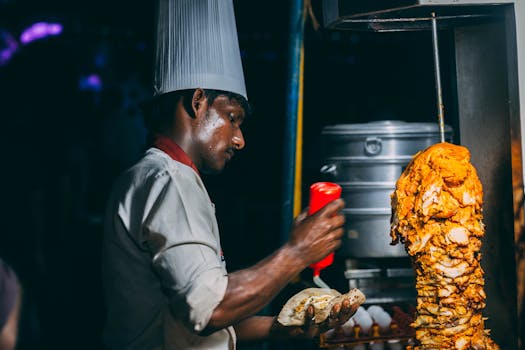
* Tacos al Pastor (Mexico City): Spit-grilled pork, pineapple, onion, cilantro, served on a small tortilla. Heaven for $0.50-$1 per taco. Seek out the taquerias with the vertical rotating spit.
* Pad Thai (Thailand): Stir-fried noodles with shrimp or chicken, tofu, peanuts, and lime. A classic for $2-$4. Look for the wok masters who cook it fresh.
* Jemaa el-Fna Food Stalls (Marrakech, Morocco): Once the sun sets, the main square transforms into an epic open-air restaurant. Harira soup, grilled skewers, tagines, and snails! You can feast for $5-$10. My advice: wander, soak it in, and pick a stall that’s buzzing.
Instagram-Worthy Tip:
Street food is inherently photogenic! Capture the vibrant colors of the ingredients, the steam rising from a wok, the bustling atmosphere, and of course, your delicious meal. Use hashtags like #streetfoodadventures #eatlikealocal #budgeteats to share your finds.
Local Eateries & Hole-in-the-Walls: Beyond the Glare
Sometimes, the best local food isn't on the street, but in a small, unassuming restaurant tucked away from the main drag. These are often family-run establishments, serving generations-old recipes to their regular clientele.
How to Spot a Gem:
* No English Menu (or very limited): A good sign that it caters to locals. Don't be intimidated; this is where Google Translate's camera function truly shines!
* Packed with Locals: Again, follow the crowd. If a place is busy, it's usually for a good reason.
* Simple Decor: Often, these places prioritize food quality over fancy interiors. Expect plastic chairs, basic tables, and a no-frills atmosphere.
* Off the Beaten Path: Venture a few blocks away from major tourist attractions.
* Ask a Local: This is the ultimate insider tip. Ask your hostel staff, a friendly shopkeeper, or even your taxi driver where they eat. My best meals have come from these recommendations.
My Anecdote:
In Lisbon, Portugal, I asked the owner of a small ceramic shop where he went for lunch. He pointed me to a tiny, unmarked doorway down an alley. Inside, I found a bustling tasca with a handwritten menu on a whiteboard. I ordered "cozido à Portuguesa" (a hearty meat and vegetable stew) by simply pointing. It was rich, comforting, and tasted like pure home cooking. With a glass of house wine, it cost me €7. It was an experience I never would have found in a guide book.
Tools for Discovery:
* Google Maps: Look for places with lots of reviews, but pay attention to the type of reviews. Are they from locals? Do they mention specific dishes? Use the "Explore" feature and zoom into residential areas.
* Food Blogs (local ones): Search for "best cheap eats [city name]" or "local food guide [city name]" and look for blogs written by residents.
* Instagram/TikTok: Search hashtags like #[cityname]food or #localeats[cityname]. Look for photos posted by local accounts.
Embrace the Unknown: A Taste Adventure
The most rewarding part of eating like a local is the sheer adventure of it. It’s about being open to new flavors, textures, and culinary traditions.
Don't Be Afraid to Try:
That strange-looking fruit at the market? The bubbling pot with an unfamiliar aroma? Give it a go! You might discover your new favorite food. My rule: if a local is eating it with gusto, it's probably worth trying.
Ask Questions (Respectfully):
If you're genuinely curious about a dish, and there's a language bridge (even with gestures), ask the vendor or a fellow diner. Most people are delighted to share their food culture.
Food as a Cultural Bridge:
I once shared a table with a family in a small restaurant in Laos, despite neither of us speaking the other's language. We communicated through smiles, gestures, and the universal language of food. They offered me a piece of their grilled fish; I offered them some of my sticky rice. It was a beautiful, unplanned exchange that transcended words. These are the moments that truly enrich your travels.
Penny-Pinching Pro Tips & Safety First
While embracing adventure, it's crucial to be smart and safe.
Top Tips for Maximum Savings:
1. Eat Your Biggest Meal at Lunch: Many local restaurants offer "menu del día" or lunch specials that are significantly cheaper than dinner.
2. Pack Snacks: Bring a reusable water bottle, and carry snacks like fruit from the market or nuts to avoid expensive convenience store purchases.
3. Picnic Power: Buy fresh bread, cheese, cured meats, and produce from a local market and enjoy a scenic picnic in a park. This is especially good in Europe!
4. Learn Basic Food Phrases: "No spicy," "no meat," "vegetarian," "thank you," "delicious," "how much?" are invaluable.
5. Water is Key: Always drink bottled or filtered water. Street food is generally safe, but tap water can be a common culprit for traveler's tummy.
6. Observe and Adapt: Watch how locals eat. Do they use chopsticks? Their hands? A spoon? Follow suit.
7. Use Cash, Small Bills: Many street vendors or small eateries don't accept cards. Small denominations are always appreciated.
8. Don't Be Afraid to Walk Away: If a place feels off or the prices seem inflated, politely decline and find another spot.
A Note on "Getting Sick":
It's a valid concern, but often overblown. Most stomach upsets come from unfamiliar ingredients, different cooking oils, or tap water, not necessarily "dirty" food.
* Watch the Locals: If they're eating there, it's usually a good sign.
* Look for Freshness: Food cooked to order, hot, and with fresh ingredients is generally safer.
* Trust Your Gut: If something looks or smells off, skip it.
* Hand Sanitizer: Use it before and after eating, especially if you're eating with your hands.
The Life-Changing Conclusion: Eat Your Way to a Richer Travel Experience
Eating like a local for pennies isn't just a budget strategy; it's a gateway to an entirely new way of experiencing the world. It strips away the tourist veneer, connecting you directly to the heart and soul of a destination. It's about more than just food; it's about culture, community, and courage.
I've had some of my most memorable travel moments sitting on tiny stools, sharing laughter with strangers, and savoring dishes that cost less than my morning coffee back home. These experiences have made me a more adventurous eater, a more empathetic traveler, and a more resourceful individual. They’ve taught me that true luxury isn't found in Michelin-starred restaurants, but in the simple, authentic joy of a perfect $2 meal.
So, on your next adventure, I challenge you: Ditch the guidebooks for a moment, ignore the fancy facades, and follow your nose. Seek out the bustling markets, the unassuming street carts, and the hole-in-the-wall eateries. You won't just save money; you'll embark on a culinary journey that will nourish your body, thrill your senses, and change your perception of travel forever.
What's the most incredible budget meal you've ever had on your travels? Share your stories and tips in the comments below! Let's inspire each other to eat like locals!
---