Eat Like a Local for Pennies: Uncover Trending Food Hacks & Savor the World!
I still remember the sting of that €25 pasta in Rome. It was good, sure, but it felt… generic. Like I could have had it anywhere. I’d walked past countless bustling trattorias, heard the joyous clatter of locals, and smelled the rich aroma of garlic and basil wafting from hidden alleyways. Yet, there I was, caught in the tourist trap, paying premium for an average experience. That moment was a turning point. It ignited a mission: to unlock the secrets of eating like a local, for pennies, wherever I travel. And let me tell you, it’s not just about saving money; it’s about experiencing the true heart of a culture through its food.
Fast forward a few years, and I’ve feasted on sensational Pad Thai for $1 in Bangkok, devoured life-changing tacos for 50 cents each in Mexico City, and savored multi-course lunches for €10 in Spain – all while making friends with street vendors and restaurant owners who shared their stories alongside their incredible dishes. These aren't just meals; they're memories, connections, and the very essence of authentic travel.
Forget bland hotel buffets and overpriced chain restaurants. The real culinary adventure lies in the vibrant, often chaotic, and always delicious world of local eats. And guess what? It’s more accessible than ever, with trending strategies that put authentic flavors right at your fingertips without emptying your wallet. Ready to dive in? Let's uncover how to eat like a local for pennies that are trending right now!
1. The Street Food Revolution: Your Wallet's Best Friend (and Taste Bud's Paradise)
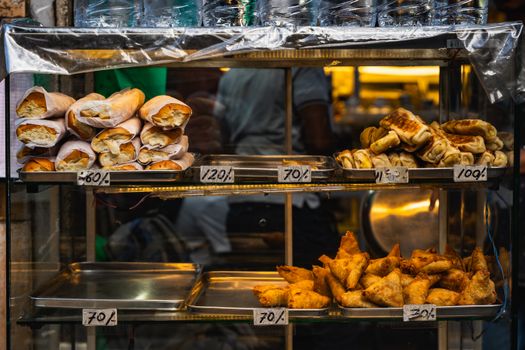
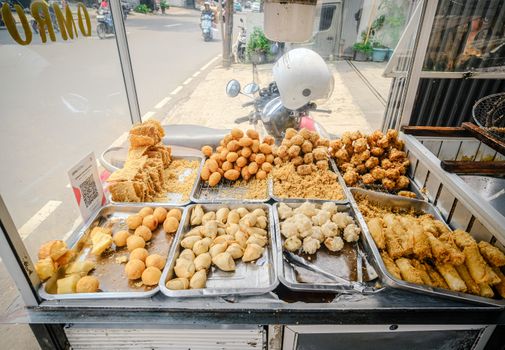
If there’s one culinary trend that has truly exploded globally, it’s street food. From humble carts to bustling night markets, street food isn't just about cheap eats; it's a vibrant, dynamic culinary scene that offers a direct, unfiltered taste of local culture. It’s where grandmothers’ recipes meet entrepreneurial spirit, and where you can literally watch your meal being prepared right in front of you.
Why it's trending:
Authenticity, speed, incredible value, and an unbeatable atmosphere. Street food stalls are often family-run, using age-old recipes and fresh, local ingredients. It's a sensory overload in the best possible way – the sizzle of woks, the aroma of spices, the chatter of locals, and the sheer joy of communal eating.
Tripsora's Top Tips for Street Food Success:
- Follow the Locals (and the Queues): This is the golden rule. A long line, especially one filled with locals, is the strongest indicator of deliciousness and freshness. High turnover means ingredients are constantly being replenished and cooked.
- Look for Cleanliness Cues: While street food isn't fine dining, observe the stall. Are the surfaces reasonably clean? Is the food covered? Are the vendors handling money and food separately (or wearing gloves)? Freshly cooked food is always safer.
- Be Adventurous, But Start Small: Don't be afraid to try new things! But if you're unsure, order a small portion or share with a friend.
- Cash is King: Most street vendors only accept local currency. Keep small denominations handy.
- Hydrate Smart: Always carry your own reusable water bottle. Many street food areas have public water fountains, or you can buy large, cheaper bottles from a local convenience store.
My Street Food Story:
My first true street food epiphany happened in Bangkok. I was hesitant at first, but the sheer energy of Yaowarat (Chinatown) drew me in. I found a tiny stall, barely more than a cart, serving what looked like a simple chicken and rice dish. The queue was twenty-deep. I waited, watched the vendor expertly chop and serve, and finally, for about 50 Baht (less than $2), I had the most incredibly flavorful, tender Khao Man Gai I've ever tasted. It was a symphony of ginger, garlic, and perfectly cooked chicken broth-infused rice. The experience was as rich as the flavor.
Instagram-Worthy Moment:
Capture the steam rising from a wok, the vibrant colors of fresh ingredients, or a close-up of your perfectly plated (on a paper plate!) street food masterpiece. Use hashtags like #StreetFoodAdventures #[City]StreetFood #CheapEats.
Specifics & Prices:
* Bangkok, Thailand: Pad Thai, Mango Sticky Rice, Khao Man Gai (chicken rice) – $1-3 USD
* Mexico City, Mexico: Tacos al Pastor, Elotes, Tlacoyos – $0.50-$2 USD per item
* Hanoi, Vietnam: Banh Mi, Pho, Bun Cha – $1-3 USD
* Marrakech, Morocco: Tanjia, Harira Soup, Brochettes – $2-5 USD
2. Market Magic: Feasting on Fresh & Local (and Often Free Samples!)
Beyond prepared street food, local markets are another goldmine for budget-friendly, authentic eating experiences. We're talking about bustling wet markets, vibrant farmers' markets, and enchanting night markets. These aren't just places to buy food; they're social hubs, cultural showcases, and often, incredible spots to grab a ready-made meal or assemble an epic picnic.
Why it's trending:
Markets offer the freshest ingredients, direct from producers, often at significantly lower prices than supermarkets. They also provide a fantastic opportunity for cultural immersion, letting you interact with locals and observe daily life. Plus, many markets now feature dedicated food stalls or small eateries within their premises.
Tripsora's Top Tips for Market Feasting:
- Go Early for Selection, Late for Deals: Arrive early for the freshest produce and best selection. If you're looking for bargains, some vendors offer discounts on perishable items towards closing time.
- Embrace the Samples: Many vendors are happy to offer samples of fruits, cheeses, or cured meats. It's a great way to try before you buy and discover new favorites.
- Haggle (Politely): In many cultures, haggling is expected, especially in non-fixed-price markets. Do it with a smile, be respectful, and don't be afraid to walk away if the price isn't right.
- Assemble a Picnic: Buy fresh bread, local cheeses, cured meats, olives, and seasonal fruit. Find a scenic spot (a park, a riverbank, a historic square) and enjoy an unforgettable, super-affordable meal.
- Look for Prepared Food Stalls: Beyond raw ingredients, many markets have small kitchens or stalls selling hot, ready-to-eat meals. These are often some of the best and cheapest options around.
My Market Story:
During a trip to Italy, my partner and I stumbled upon a small, local market in a non-touristy area of Florence. Instead of paying €15 for a sad sandwich near the Duomo, we spent €8 total buying a fresh focaccia, some incredible pecorino cheese, juicy local tomatoes, and a handful of plump olives. We found a quiet bench overlooking the Arno River and had one of the most memorable, delicious, and budget-friendly lunches of our entire trip. The quality of the ingredients was unparalleled, and the experience felt truly Italian.
Instagram-Worthy Moment:
A colorful spread of market-fresh produce, a close-up of artisanal cheese, or your picturesque picnic setup. Tag #MarketFinds #LocalProduce #PicnicPerfection.
Specifics & Prices:
* La Boqueria (Barcelona, Spain): While touristy, venture deeper for cheaper fresh fruit cups (€1-2) and empanadas. Or, visit a local Mercat like Sant Antoni for better deals.
* Borough Market (London, UK): Can be pricey, but look for samples, or grab a gourmet sausage roll or pastry for £3-5.
* Everywhere, Anywhere: Any local farmers' market or wet market – often the best place to find incredible deals on seasonal fruits, vegetables, and local delicacies.
* Average Picnic Cost: $5-15 USD, depending on location and ingredients.
3. The Lunchtime Lure: Daily Specials & Set Menus
This is a classic budget traveler hack that’s still incredibly relevant and trending, especially in Europe and parts of Latin America. Many restaurants, even those that are quite upscale for dinner, offer fantastic value during lunchtime with "Menu del Día," "Plat du Jour," "Pranzo di Lavoro," or "Business Lunch" specials.
Why it's trending:
It's a brilliant way to experience higher-quality cuisine at a fraction of the dinner price. These menus typically include multiple courses (starter, main, dessert, and often a drink) for a fixed, attractive price. It's an insight into how locals eat their main meal of the day.
Tripsora's Top Tips for Lunchtime Deals:
- Look for Signs: Keep an eye out for chalkboards or printed signs outside restaurants advertising their "Menu del Día" or similar specials.
- Ask a Local: If you're unsure, ask your hotel receptionist (not the concierge, but perhaps the cleaning staff or front desk person for their personal recommendations), a shopkeeper, or even a friendly taxi driver where they go for lunch.
- Check Online: Google "menu del día [city]" or "plat du jour [city]" for current offerings. Local food blogs are also a great resource.
- Don't Be Shy: Some establishments might not actively promote these deals to tourists. Ask politely if they have a set lunch menu.
My Lunchtime Story:
In a tiny village in Andalusia, Spain, after a morning of exploring ancient ruins, my partner and I were famished. We spotted a small, unassuming restaurant with a handwritten sign outside: "Menú del Día - €12." Inside, it was packed with local families and workers. We were served a hearty lentil soup, followed by perfectly grilled pork with potatoes, fresh bread, a glass of local wine, and a simple but delicious flan for dessert. It was home-cooked, authentic, and utterly delightful – an experience far richer than any expensive meal we could have had in a tourist hot spot. We left feeling nourished, happy, and convinced we’d found a true local secret.
Instagram-Worthy Moment:
A beautifully presented multi-course lunch, showcasing the local cuisine, with the modest price visible on the menu board (if possible). Use #MenuDelDia #LunchDeal #LocalEats.
Specifics & Prices:
* Spain: "Menu del Día" (typically 2-3 courses, drink, bread) – €10-15
* France: "Plat du Jour" or "Formule" (often 2 courses) – €12-20 (can be higher in Paris, but still good value)
* Italy: "Pranzo di Lavoro" (worker's lunch) – €8-15
* Japan: "Teishoku" (set meal) – ¥800-1500 ($5-10 USD)
4. Embrace the 'Hole-in-the-Wall': Hidden Gems & Local Secrets
Some of the most incredible culinary discoveries aren't found on main boulevards or in glossy guidebooks. They're tucked away down narrow alleys, behind unassuming facades, or in neighborhoods you might not typically explore. These "hole-in-the-wall" establishments are often family-run, serve generations-old recipes, and cater almost exclusively to locals. And yes, they are almost always incredibly affordable.
Why it's trending:
Travelers are increasingly seeking authentic, off-the-beaten-path experiences. The allure of discovering a hidden gem, a place only locals know, is incredibly strong. These places offer a genuine taste of the culture, often with a story behind every dish.
Tripsora's Top Tips for Unearthing Hidden Gems:
- Google Maps Zoom-In & Filter: Instead of searching for "restaurants near me," zoom into a neighborhood you're exploring. Look for places with high ratings (4.5+ stars) and a significant number of reviews, especially if many are in the local language. Photos will also tell a story.
- Ask the Right People: Don't ask your hotel concierge (they often have agreements with touristy places). Instead, ask the cleaning staff, a local shopkeeper, a taxi driver, or even your Airbnb host. They'll know the truly local spots.
- Look for Local Clientele: If a place is packed with locals and you're the only tourist, you've likely hit the jackpot. This is a strong indicator of quality and authenticity.
- Don't Judge a Book by its Cover: Some of the best food comes from the most unpretentious-looking places. Focus on the food, not the decor.
- Learn a Few Local Phrases: Even "hello," "thank you," and "the bill, please" in the local language can open doors and make you feel more welcomed.
My Hole-in-the-Wall Story:
In Rome, determined to avoid the tourist traps near the Colosseum, I wandered into the Monti neighborhood. I asked a small shop owner where he’d go for a good, cheap pasta. He pointed me down a tiny, graffiti-laden alley to a place called "Pasta Che Ti Passa." It was literally a hole in the wall, with just a few small tables. The menu was handwritten, changing daily based on what was fresh. I had a Cacio e Pepe that brought tears to my eyes – perfectly creamy, peppery, and al dente. It cost me €8, including a glass of house wine. The owner, a jovial woman named Maria, treated me like family. It was an experience I’ll never forget, far more meaningful than any Michelin-starred meal.
Instagram-Worthy Moment:
A rustic interior, a close-up of a unique local dish, or a candid shot of the friendly owner or chef. Use #HiddenGem #LocalSecrets #AuthenticEats.
Specifics & Prices:
* Indonesia: "Warungs" (small family-run eateries) – Nasi Goreng, Mie Goreng, Gado-Gado – $1-4 USD
* Greece: "Tavernas" in non-touristy areas – Souvlaki, Moussaka, fresh seafood – €5-12
* Japan: "Izakayas" (casual pubs with small dishes) in local neighborhoods – Yakitori, Gyoza, Sashimi – ¥300-800 per dish ($2-6 USD)
* Portugal: "Tascas" (traditional taverns) – Bacalhau dishes, Bifanas – €5-10
5. Beyond the Plate: Strategic Eating Hacks for Maximum Savings
Eating like a local for pennies isn't just about where you eat, but how you eat and what strategies you employ. These trending hacks are about smart planning and embracing local habits to stretch your food budget even further.
Why it's trending:
Travelers are becoming savvier, more resourceful, and keen to integrate into the local lifestyle. These hacks offer practical ways to save money while still experiencing authentic flavors.
Tripsora's Top Strategic Hacks:
- Supermarket Savvy & DIY Picnics: In many cities, supermarkets are a treasure trove of local delicacies at rock-bottom prices. Grab fresh bread, local cheeses, deli meats, olives, and seasonal fruits. Pair with a local beverage and find a scenic spot for an unforgettable, personalized meal. This is especially useful in expensive cities like Copenhagen or Geneva.
- Happy Hour/Aperitivo Culture: In some countries (especially Italy), "aperitivo" isn't just about cheap drinks; it often comes with a generous spread of free snacks, or even a full buffet, with the purchase of a drink. It's a fantastic way to enjoy a pre-dinner bite without buying a whole meal.
- Carry Your Own Water Bottle: Bottled water can quickly add up. Invest in a good reusable water bottle and fill it up from your accommodation, public fountains (where safe), or large, cheap bottles bought from supermarkets.
- Share Dishes: Many local dishes are generous in portion size or designed for sharing. Order a few different items with travel companions and split the cost – you get to try more things for less money!
- Coffee Culture: Skip the overpriced chain coffee shops. Head to a local cafe or "bar" for your morning brew. An espresso in Italy can be as little as €1 standing at the bar, while a latte at a touristy spot might be €5.
- Snack Smart: Instead of buying expensive snacks from convenience stores, grab some local fruit from a market or a small pastry from a local bakery.
My Strategic Hack Story:
I was in Paris, a city notorious for its high prices. Determined to enjoy the city's culinary delights without bankrupting myself, I employed the supermarket picnic strategy daily. One evening, after exploring the Latin Quarter, I popped into a Monoprix. For less than €10, I bought a fresh baguette, some delicious brie, a packet of jambon cru, a ripe tomato, and a small bottle of local wine. I then walked to the Pont des Arts, sat on a bench overlooking the Seine, and enjoyed a truly Parisian dinner with the Eiffel Tower sparkling in the distance. It was magical, delicious, and incredibly cheap – far better than any sit-down restaurant could have offered for that price.
Instagram-Worthy Moment:
A beautifully arranged picnic with a landmark in the background, a vibrant Aperitivo spread, or a close-up of an authentic local coffee. Use #TravelHacks #BudgetTravel #PicnicGoals #AperitivoTime.
Specifics & Prices:
* Italy (Aperitivo): Milan, Bologna – Often €8-15 for a drink and buffet.
* Supermarket Picnic: Varies widely, but typically $5-15 USD for a substantial meal for one or two.
* Local Coffee: Italy, Portugal, Spain – €1-2 for an espresso or local coffee.
6. The Trending Tech: Apps & Online Communities for Penny-Pinching Foodies
In the age of digital nomads and interconnected travelers, technology is your secret weapon for finding the best local eats for less. From food waste apps to hyper-local online communities, these tools are trending for their ability to connect you with incredible deals and insider knowledge.
Why it's trending:
Technology empowers travelers to access information instantly, discover hidden deals, and tap into collective local wisdom. It makes finding specific, budget-friendly options easier than ever before.
Tripsora's Top Tech Hacks:
- Food Waste Apps (e.g., Too Good To Go): This app is a game-changer! Restaurants, bakeries, and cafes sell "surprise bags" of unsold food at a heavily discounted price at the end of the day. You can snag delicious meals, pastries, or groceries for a fraction of the cost, usually for just a few dollars/euros. It's good for your wallet and good for the planet!
- Local Food Blogs & Instagram Hashtags: Before you go, research local food blogs for your destination. Follow local food influencers on Instagram. Search hashtags like #[City]Foodie #[City]CheapEats #[City]LocalFood for real-time recommendations and visual inspiration.
- Expat & Traveler Facebook Groups: Join Facebook groups for expats or travelers in your destination city (e.g., "Expats in Rome," "Digital Nomads Lisbon"). Locals and long-term residents often share fantastic, up-to-date recommendations for cheap, authentic eats.
- Google Maps Lists & Reviews: Beyond just searching, use Google Maps to save places you've researched into custom lists. Read reviews (especially those in the local language, translated by Google) for true insights into authenticity and value.
- Local Delivery Apps: While not always the cheapest, some local food delivery apps occasionally offer first-time user discounts or special promotions that can be worth checking out.
My Tech Hack Story:
I was in London, a city where food can quickly drain your budget. I remembered hearing about "Too Good To Go." On a whim, I checked the app one evening and found a local bakery offering a "magic bag" of pastries and bread for just £3. I picked it up an hour later and was handed a huge bag filled with croissants, pain au chocolat, muffins, and a fresh loaf of sourdough – easily worth £15-20! It provided breakfast for days and was an absolute lifesaver for my budget. It felt like I'd unlocked a secret level of travel hacking.
Instagram-Worthy Moment:
A screenshot of an amazing deal on a food waste app, a photo of your haul from a "magic bag," or a beautiful dish discovered through a local Instagram hashtag. Use #TooGoodToGo #FoodieHacks #TravelTech #LocalFinds.
Specifics & Prices:
* Too Good To Go: Available in many major cities across Europe, North America, and parts of Asia. Bags typically cost $3-7 USD for food worth 3-5 times that.
* Instagram/Facebook Groups: Free, invaluable sources of real-time local recommendations.
Taste the World, Not Your Savings!
Eating like a local for pennies is more than just a budget strategy; it's a philosophy of travel. It's about slowing down, connecting with the heart of a place, and truly savoring its unique flavors. It’s about discovering that the most profound culinary experiences often come from the most unexpected, unpretentious, and affordable places.
By embracing street food, exploring local markets, seeking out lunchtime deals, venturing into 'hole-in-the-wall' establishments, employing smart eating hacks, and leveraging trending tech, you'll not only save a significant amount of money but also unlock a deeper, richer, and more authentic travel experience. You'll eat better, meet more locals, and create stories that will last a lifetime.
So, ditch the tourist traps, arm yourself with these trending tips, and embark on your next delicious, penny-pinching adventure. Your taste buds (and your wallet) will thank you!
What are YOUR favorite penny-pinching food hacks when you travel? Share your culinary secrets and local finds in the comments below! Let's inspire each other to eat our way around the world, one delicious, affordable bite at a time!
---