Introduction: Conquering My Fear (and My Stomach!)
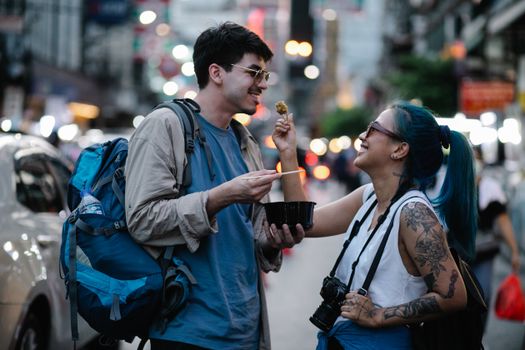
My first encounter with truly scary street food happened in a bustling night market in Bangkok. A vendor, with a mischievous glint in his eye, offered me a deep-fried insect skewer. It looked like something out of a horror movie – crispy, black legs splayed in every direction. My Instagram-perfect travel persona crumbled. But, fueled by a potent mix of curiosity and a healthy dose of "YOLO," I took a bite. The crunch was surprisingly satisfying, the flavor nutty and savory. That experience completely changed my perspective on street food. This post is dedicated to those gutsy travelers who are ready to step outside their culinary comfort zones and discover the incredible flavors hidden beneath sometimes unsettling exteriors.
1. Deep-Fried Insects: Crunchy, Savory, and Surprisingly Addictive
Let's start with the big one. Deep-fried insects. From grasshoppers in Thailand (around ฿20-50 per skewer, depending on location and insect type) to scorpions in China (prices vary wildly but expect to pay a few dollars per), the initial visual can be off-putting. But the taste? Often surprisingly nutty, crispy, and even slightly sweet. Don't be afraid to explore different types – each offers a unique flavor profile. Pro-tip: Look for vendors with high turnover – this indicates fresh ingredients.
2. Balut: The Filipino Embryonic Duck Egg
Balut (pronounced ba-loot) is a Filipino delicacy that requires a strong stomach. It's a fertilized duck egg, incubated for around 17-21 days, then boiled. The partially developed embryo inside might look unsettling, but the rich, creamy yolk and slightly savory taste are addictive. You can find balut at street stalls throughout the Philippines for around ₱15-30 each. For first-timers, start with a younger embryo (less developed) for a milder experience.
3. Hákarl: Fermented Shark from Iceland
Prepare for a sensory overload. Hákarl, Iceland's national dish, is fermented shark meat. The fermentation process takes months and results in a pungent, ammonia-like aroma. It looks unappealing (pale, gelatinous), and the smell alone can be a challenge. However, the surprisingly chewy texture and unique taste (think strong cheese with a hint of fish) are strangely compelling. Sample it at a traditional Icelandic restaurant or food tour; prices vary but expect to pay around 1,500-3,000 ISK.
4. Escamoles: Ant Eggs – The Mexican Caviar
Considered a delicacy in Mexico, escamoles are ant eggs, often called "insect caviar." They have a mild, nutty flavor and a slightly creamy texture, resembling scrambled eggs. They're often served in tacos or as a side dish and can be found at upscale restaurants or select markets in Mexico City. Prices vary greatly, but be prepared to pay a premium for this unique delicacy.
5. Durian: The King of Fruits (Or the King of Stink?)
While not technically "scary-looking," durian's infamous pungent odor often precedes its taste. Its spiky exterior certainly adds to its intimidating appeal. However, the creamy, custard-like texture and sweet, almost cheesy flavor are loved by many. Find durian at numerous fruit stalls throughout Southeast Asia (Thailand, Malaysia, Indonesia) for a few dollars per fruit. Be warned: the smell is truly powerful, and many places ban it from public transportation.
6. Sannakji: Live Octopus in South Korea
This is not for the faint of heart. Sannakji is a Korean delicacy featuring live octopus, chopped into pieces and served immediately. The tentacles continue to move on your plate, even after being severed. The taste is incredibly fresh and chewy, but the experience is more about the thrill than the flavor. You can find it at specialized seafood restaurants in South Korea; prices vary, but expect to pay a premium for this unique culinary experience.
7. Century Egg (Pidan): Preserved Duck Egg with a Unique History
Century eggs, or pidan, are preserved duck eggs that have been cured for several weeks or months in a mixture of clay, ash, salt, and rice hulls. The result is a dark, almost black egg with a creamy, jelly-like white and a firm, dark yolk. The taste is unique and hard to describe – a combination of earthy, salty, and slightly sulfurous notes. They're readily available at Asian grocery stores and markets worldwide at very affordable prices.
Practical Tips for Adventurous Eaters:
- Start small: Don't dive headfirst into the most extreme dishes immediately. Try a small portion to gauge your reaction.
- Look for busy stalls: High turnover generally means fresh ingredients.
- Trust your gut (literally): If something looks or smells off, don't eat it. Food safety is paramount.
- Hydrate: Spicy or unusual foods can dehydrate you.
- Bring a friend: Sharing the experience can make it more fun (and less scary!).
- Document your journey: Take photos and videos to share your culinary adventures (but maybe avoid close-ups of the before shots!).
Conclusion: Embrace the Unexpected Flavors!
My journey into the world of scary-yet-delicious street food has been an incredible culinary adventure. It's taught me to embrace the unexpected, to push my boundaries, and to appreciate the diversity of flavors around the world. So, next time you're traveling, ditch the predictable tourist traps and venture into the heart of the local food scene. You might just discover your new favorite dish – even if it looks a little… unsettling at first. What are you waiting for? Go forth and conquer your culinary fears! Share your own scary street food experiences in the comments below!