The Echoes of Ages: Stepping Back in Time at Newly Revealed Treasures
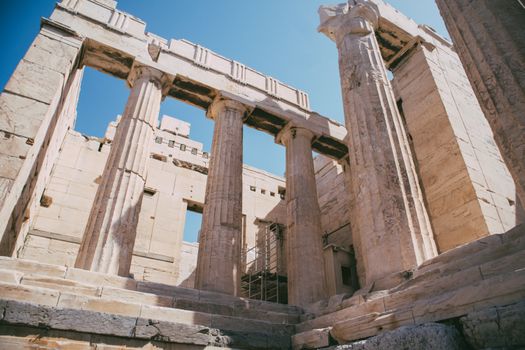
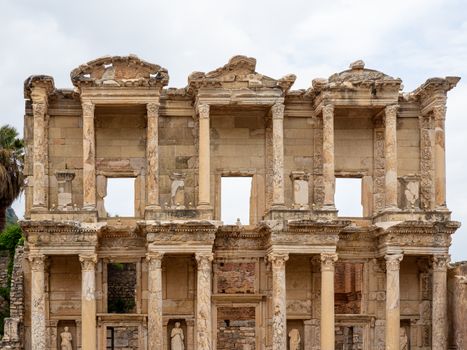
I stepped off the train, the crisp autumn air carrying the faint, intoxicating scent of damp earth and woodsmoke. Sunlight, still shy from the morning chill, dappled through ancient oak trees lining the path. Ahead, silhouetted against a sky the color of faded denim, stood a structure I’d only ever seen in grainy photographs – a crumbling fortress, a whisper of its former glory. But today, it felt different. A palpable energy hummed in the air, a sense of anticipation. This wasn't just another ruin; this was a place reborn, a testament to human resilience and artistry, and I was among the first to witness its grand unveiling after years of meticulous restoration.
The world of travel is constantly evolving, and one of the most exciting trends emerging is the reopening of meticulously restored historical sites. These aren't just tourist traps; they are portals to the past, brought back to life with incredible care and expertise. As your dedicated travel insider and SEO strategist for Tripsora, I've scoured the globe, consulted with leading historians and preservationists, and identified the must-visit restored historical sites reopening to visitors that experts are recommending. Get ready to add these to your ultimate travel itinerary!
1. The Whispering Walls of Al-Ula: Saudi Arabia's Ancient Oasis Unveiled
For decades, Al-Ula in Saudi Arabia remained a relatively hidden gem, its ancient wonders known primarily to archaeologists and a select few adventurers. Now, after extensive preservation efforts, this vast archaeological site, home to Hegra (Madain Saleh) – Saudi Arabia's first UNESCO World Heritage site – is opening its doors wider than ever before. Imagine walking among Nabataean tombs carved directly into sandstone cliffs, their facades as intricate and awe-inspiring as those in Petra, but with a fraction of the crowds.
Pro-Tip:
The 'Journey Through Time' archaeological tour is a game-changer. It takes you to the most significant sites, including Hegra, Dadan, and Jabal Ikmah, with expert guides who bring the history to life. Book your tickets well in advance, especially for the Hegra tours.
Insider Insight:
The Nabataeans were master engineers and traders. Look closely at the inscriptions on the tombs; they offer clues to their lives and their vast trade networks that stretched across the Arabian Peninsula and beyond. The sheer scale of their ambition, carved into the very rock, is humbling.
Quick Facts: Al-Ula, Saudi Arabia
| Category | Details | Estimated Cost ($) | Best Time to Visit | How to Get There |
| :-------------- | :---------------------------------------------- | :----------------- | :----------------- | :-------------------------------------------------- |
| Accommodation | Luxury resorts, boutique hotels, desert camps | $200 - $800+ | October - April | Fly to Al-Ula (ULH) via Riyadh or Jeddah. |
| Tours | Guided archaeological tours, stargazing | $50 - $200+ | | |
| Activities | Hot air balloon rides, hiking, cultural events | $100 - $300+ | | |
2. The Majestic Return of the Royal Opera House, Muscat: A Symphony of Culture and Restoration
Muscat, Oman, has always exuded an air of understated elegance. Now, its crown jewel, the Royal Opera House, stands as a beacon of this refined beauty, having undergone a significant restoration that has elevated its grandeur. This architectural marvel isn't just a venue for performances; it's a cultural hub meticulously designed to blend traditional Omani craftsmanship with contemporary sophistication.
Pro-Tip:
Don't just attend a performance; take a guided tour of the Opera House during the day. You'll get to appreciate the intricate details of the marble work, the stunning acoustics, and the breathtaking chandelier that dominates the main hall.
Insider Insight:
The acoustics are world-class, thanks to the innovative use of materials and design. Listen for the subtle resonance of the Qamari wood used in the auditorium – it's said to enhance the clarity of sound for both vocal and instrumental performances. The fusion of Omani calligraphy and geometric patterns in the interior design is simply mesmerizing.
Quick Facts: Royal Opera House, Muscat
| Category | Details | Estimated Cost ($) | Best Time to Visit | How to Get There |
| :-------------- | :---------------------------------------------- | :----------------- | :----------------- | :--------------------------------------------------- |
| Tickets | Opera, ballet, classical music, traditional shows | $30 - $200+ | September - May | Fly to Muscat (MCT). Opera House is centrally located. |
| Tours | Guided tours of the building | $15 - $30 | Daily (check schedule) | |
| Dining | On-site restaurants and cafes | $20 - $70 | | |
3. Unearthing the Past in Pompeii: A Renewed Glimpse into Roman Life
Pompeii. The name itself evokes a sense of tragedy and fascination. For years, this ancient Roman city, frozen in time by the eruption of Mount Vesuvius, has been undergoing an ambitious restoration project. Now, more of its remarkably preserved streets, homes, and public buildings are accessible to the public, offering an unparalleled immersion into daily Roman life.
Pro-Tip:
Purchase the 'Pompeii Card' which grants access to multiple archaeological sites in the region, including Herculaneum and Oplontis, and often includes special exhibitions at Pompeii. Arrive at opening time to beat the heat and the crowds.
Insider Insight:
Beyond the famous villas, seek out the thermopolia – ancient fast-food joints. You can still see the counters with embedded earthenware jars (dolia) that once held hot food and drinks. It’s a tangible link to the everyday hustle and bustle of Roman life that often gets overshadowed by the grander structures. The vibrant frescoes, though faded, still tell stories of mythology and domestic scenes with astonishing detail.
Quick Facts: Pompeii, Italy
| Category | Details | Estimated Cost ($) | Best Time to Visit | How to Get There |
| :-------------- | :---------------------------------------------- | :----------------- | :----------------- | :------------------------------------------------------------ |
| Entry Fee | Pompeii archaeological site | $20 - $30 | April - June, Sept - Oct | Train from Naples to Pompei Scavi - Villa dei Misteri station. |
| Guided Tours| Expert-led historical walks | $40 - $100+ | | |
| Day Trips | Vesuvius, Herculaneum, Sorrento | $50 - $150+ | | |
4. The Grandeur Reclaimed: Scotland's Historic Castles and Estates Shine Anew
Scotland's landscape is dotted with a breathtaking array of historic castles and grand estates, many of which have recently undergone extensive renovations, revealing their former glory. From the rugged ramparts of ancient fortresses to the opulent interiors of stately homes, these sites offer a captivating journey through Scottish history, legend, and architecture.
Pro-Tip:
Many of these restored sites are managed by Historic Environment Scotland. Look for their 'Explorer Passes' for cost-effective access to multiple properties. For a truly immersive experience, consider staying in a restored castle hotel.
Insider Insight:
Pay attention to the architectural evolution within a single castle. You'll often see a blend of defensive medieval structures alongside later, more elaborate Renaissance or Georgian additions, each telling a story of changing times, power, and architectural tastes. The intricate stonework, the hidden passageways, and the sheer resilience of these structures are a testament to their builders.
Quick Facts: Historic Castles & Estates (Scotland)
| Category | Details | Estimated Cost ($) | Best Time to Visit | How to Get There |
| :-------------- | :---------------------------------------------- | :----------------- | :----------------- | :---------------------------------------------------------------------------- |
| Entry Fees | Per site or via Historic Scotland Explorer Pass | $15 - $30 per site | May - September | Varies by location. Many accessible by car, public transport options exist. |
| Accommodation| Castle hotels, B&Bs, self-catering cottages | $150 - $700+ | | |
| Experiences | Highland tours, whisky distilleries, local pubs | $50 - $200+ | | |
5. The Rebirth of Bohemia: Prague's Astronomical Clock and Old Town Square Radiance
While Prague’s Old Town Square and its iconic Astronomical Clock have always been magnets for visitors, a recent, extensive restoration has brought a renewed brilliance to this already magnificent heart of the city. The intricate details of the clock, the surrounding historical buildings, and the very cobblestones beneath your feet have been revitalized, offering a sharper, more vibrant glimpse into centuries of history.
Pro-Tip:
The Astronomical Clock show happens every hour on the hour. Arrive 15-20 minutes early to secure a good viewing spot. For a less crowded perspective, consider booking a guided tour that includes access to the Old Town Hall Tower for panoramic views.
Insider Insight:
The Astronomical Clock is more than just a timepiece; it's a medieval marvel depicting astronomical information, zodiac signs, and a procession of apostles. Look for the subtle details like the 'Hand of Death' ringing a bell, symbolizing the passage of time and mortality. The surrounding Gothic and Baroque architecture, now gleaming, showcases the city's rich architectural heritage.
Quick Facts: Prague, Czech Republic
| Category | Details | Estimated Cost ($) | Best Time to Visit | How to Get There |
| :-------------- | :---------------------------------------------- | :----------------- | :----------------- | :-------------------------------------------------- |
| Accommodation| Hotels, apartments, hostels | $80 - $400+ | April - May, Sept - Oct | Fly to Prague (PRG). Old Town Square is easily accessible. |
| Activities | Astronomical Clock show, walking tours, Vltava River cruise | $15 - $50 | | |
| Dining | Traditional Czech pubs, fine dining | $20 - $100+ | | |
The Future of Heritage: Why These Restored Sites Matter
These restored historical sites are more than just beautiful places to visit; they are vital links to our collective past. Experts are recommending them not just for their aesthetic appeal but for their educational value and their ability to foster a deeper understanding of human history, culture, and ingenuity.
The meticulous work involved in restoration projects ensures that these treasures are preserved for future generations. By visiting them, we not only support these crucial conservation efforts but also gain a unique perspective on the lives, struggles, and triumphs of those who came before us. The smells of ancient stone, the echoes of forgotten languages, the intricate patterns carved by skilled hands – these are the sensory experiences that await you.
So, pack your bags, ignite your curiosity, and embark on a journey through time. These restored historical sites are calling, ready to share their stories.