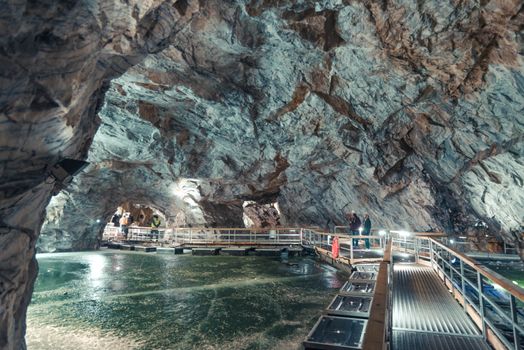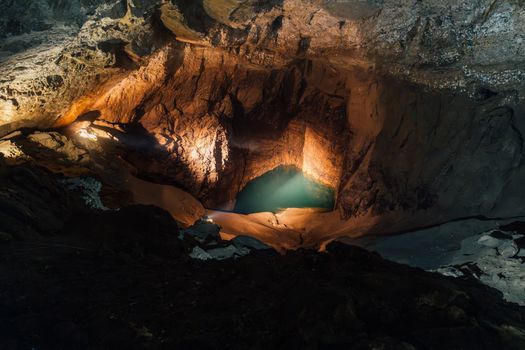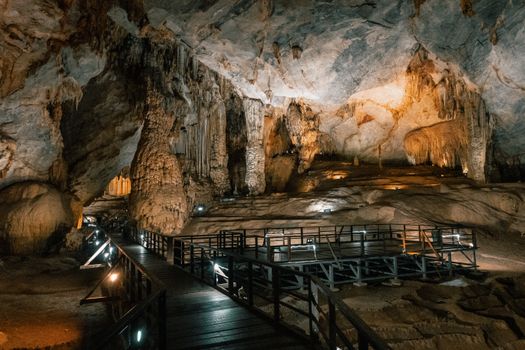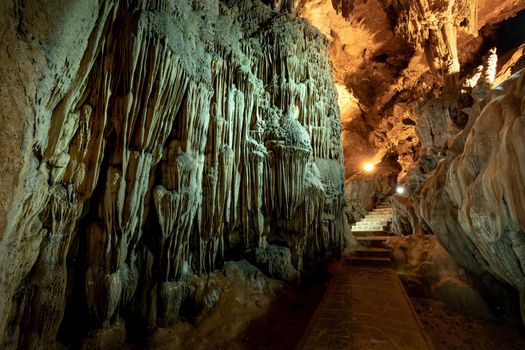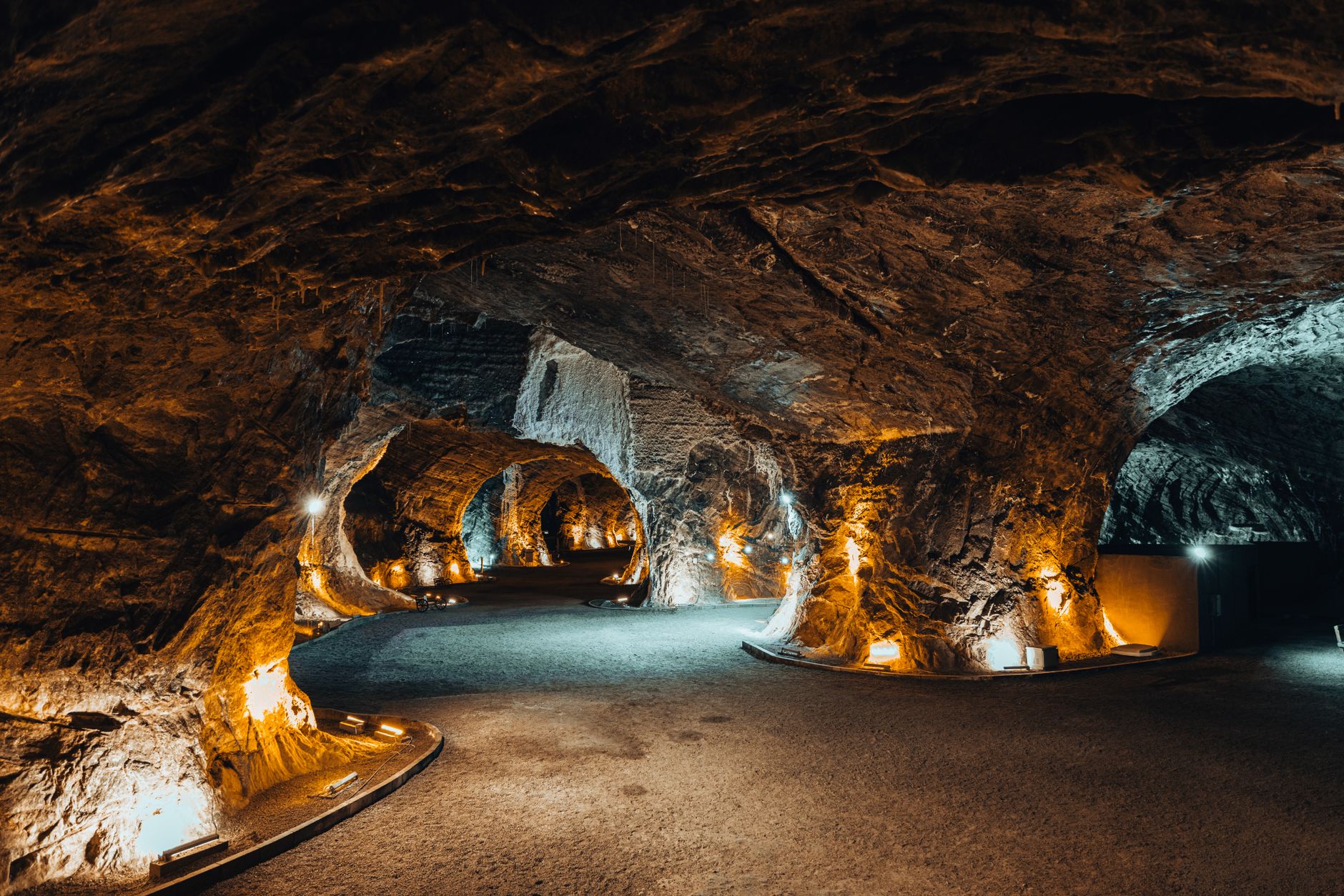
There’s a moment, isn't there? A specific instant in your travels when a place doesn't just impress you, it fundamentally changes how you see the world. For me, that moment often happens when I step down. Not into a basement, not into a subway, but into an entire, ancient, breathing city hidden beneath the earth.
I’ll never forget the first time I descended into Derinkuyu in Cappadocia, Turkey. The air grew cooler, the light faded, and the sheer scale of human endeavor hit me like a physical force. Here, miles below the surface, an entire civilization had once lived, loved, worshipped, and survived. It wasn’t just a historical site; it was a portal to a forgotten era, a testament to resilience that sent shivers down my spine. That day, my travel philosophy shifted. I realized that some of the most profound stories aren't written on towering monuments, but etched into the very bedrock of our planet.
Since then, my fascination with subterranean worlds has only grown. These aren't just caves; they are meticulously engineered, often sprawling, communities that offer a dizzying glimpse into the past, or even a unique way of life in the present. They tell tales of refuge, resourcefulness, and sometimes, even rebellion. If you're looking for an adventure that goes beyond the ordinary, that challenges your perceptions and leaves an indelible mark on your soul, then prepare to dig deep. Here are some of the most incredible underground cities you can actually visit, each one a life-altering experience.
---
Cappadocia's Hidden Labyrinths: Derinkuyu & Kaymakli (Turkey)
Imagine a city so vast it could shelter 20,000 people, complete with stables, churches, schools, and wineries, all carved out of soft volcanic rock, stretching eight stories deep. This isn't fantasy; this is Derinkuyu, the deepest excavated underground city in Cappadocia, Turkey. My first descent here was a dizzying mix of awe and mild claustrophobia. The narrow, winding tunnels, the massive rolling stone doors designed to seal off invaders, the intricate ventilation shafts – it’s an engineering marvel that predates modern technology by millennia.
The early Christians used these cities as refuge from persecution, living for months, even years, hidden from the world above. Walking through the dimly lit passages, imagining families huddled together, the smell of damp earth heavy in the air, I felt a profound connection to their struggle and ingenuity. Just a short drive away lies Kaymakli, another sprawling underground city, slightly less deep but equally impressive, offering a different layout and perspective.
Why it changed my life:
It was here that I truly grasped the sheer will to survive, the incredible lengths humanity will go to protect its own, and the power of faith in the face of adversity. It made me question what "home" truly means.
Practical Tips for Visiting:
* Go with a Guide: While you can explore independently, a local guide brings the history to life, pointing out details you’d otherwise miss.
* Wear Comfortable Shoes: The floors can be uneven and slippery.
* Mind Your Head: Some passages are quite low. If you’re tall, be prepared to duck!
* Best Time to Visit: Early morning or late afternoon to avoid crowds, especially in peak season (spring/autumn).
* Cost: Entrance fees are around 60-70 Turkish Lira (approx. $3-4 USD) per person for each city.
* Instagram Moment: The ventilation shafts filtering light into the deeper levels, or the massive stone doors.
---
The Eerie Echoes of Edinburgh's Underground Vaults (Scotland)
From ancient refuge to notorious underworld, the Edinburgh Vaults offer a chillingly different subterranean experience. Built in the 18th century beneath the South Bridge, these 19 arches were initially used as taverns and storage spaces. But as the city above flourished, the vaults became a dark, damp, and dangerous haven for the city's poorest, for criminals, and for the infamous body snatchers Burke and Hare.
Stepping into the vaults during a ghost tour was like walking onto a film set, only the history was terrifyingly real. The air grows heavy, the temperature drops, and the stories of murder, disease, and despair hang palpable in the darkness. Our guide, a master storyteller, recounted tales of hauntings, the hardships faced by those who lived here, and the dark underbelly of Georgian Edinburgh. I could almost hear the whispers, feel the cold breath of history on my neck. It was a visceral, goosebump-inducing journey into a forgotten past.
Why it changed my life:
It was a stark reminder that cities have layers, not just of stone and brick, but of human experience – the beautiful and the brutal. It deepened my appreciation for the comforts we often take for granted.
Practical Tips for Visiting:
* Guided Tour is Essential: You cannot enter the vaults without a guide. Various companies offer history and ghost tours. I recommend "Mercat Tours" for their excellent storytellers.
* Dress Warm: It's cold and damp down there, even in summer.
* Not for the Faint of Heart: If you're sensitive to ghost stories or confined spaces, consider a less intense tour or skip it.
* Cost: Tours typically range from £15-£25 (approx. $19-32 USD), depending on the length and type of tour.
* Instagram Moment: The dimly lit, arched passages, perhaps with a dramatic flashlight beam cutting through the darkness.
---
Beneath the Emerald City: Seattle Underground Tour (USA)
Who knew a city could be built on top of itself? That’s exactly what happened in Seattle after the Great Fire of 1889. The city decided to rebuild, but this time, they raised the street level to combat the notorious plumbing issues of the muddy, tide-affected original ground. For years, the original storefronts and sidewalks formed a sprawling, hidden underground network.
The Seattle Underground Tour isn't just a history lesson; it's a comedic journey back in time. Our guide, with a sarcastic wit and a flair for storytelling, led us through the subterranean passages, pointing out old storefronts, original street lamps, and the quirky details of how Seattle literally lifted itself up. Seeing the tops of old doors, the original windows now at eye level, and hearing the tales of how people navigated the two-tiered city was endlessly fascinating and genuinely hilarious. It's a testament to American ingenuity, pragmatism, and a good dose of frontier spirit.
Why it changed my life:
It taught me that history isn't always grand and ancient; sometimes it's recent, quirky, and incredibly resourceful. It showed me how cities adapt and evolve, often in the most unexpected ways.
Practical Tips for Visiting:
* Book Ahead: Especially on weekends, tours fill up quickly. Bill Speidel's Underground Tour is the original and best.
* Wear Comfortable Shoes: You'll be walking on uneven ground.
* It's Not Deep Underground: You're essentially walking at the old street level, a few feet below current ground, so it's not claustrophobic.
* Cost: Tickets are around $22-25 USD for adults.
* Instagram Moment: Standing next to the original storefronts with their ornate details, or the cast-iron grates that once filtered light down to the lower street.
---
Matera's Sassi: A City Carved from Stone, Reborn from Shame (Italy)
While not "underground" in the sense of being entirely buried, Matera's Sassi (meaning "stones") is a breathtaking complex of cave dwellings, churches, and monasteries carved into the sides of a deep ravine in Southern Italy. This UNESCO World Heritage site is one of the oldest continually inhabited settlements in the world, with evidence of human habitation dating back 9,000 years.
For centuries, Matera was a place of extreme poverty and shame, with families living in squalid conditions alongside their animals in the dark, damp caves. But in a remarkable transformation, the Sassi has been revitalized, with many caves now converted into stunning boutique hotels, restaurants, and art galleries. Staying in a cave hotel here was an experience unlike any other. The thick stone walls kept the room cool, the silence was profound, and the view of the ancient city twinkling at night was utterly magical. Exploring the narrow alleys, climbing winding staircases, and discovering hidden cave churches felt like stepping into a living, breathing history book.
Why it changed my life:
Matera is a powerful story of resilience, redemption, and the beauty that can emerge from hardship. It taught me that places, like people, can be reborn and find new purpose, and that true beauty often lies in embracing the raw, authentic past.
Practical Tips for Visiting:
* Explore on Foot: The best way to experience Matera is by getting lost in its labyrinthine passages. Wear very comfortable shoes.
* Stay in a Cave Hotel: It's an unforgettable experience and supports the local economy. Prices vary widely, but expect to pay €100-€300+ ($110-330 USD) per night for a well-appointed cave room.
* Hire a Local Guide: They can share incredible stories and help you navigate the complex layout.
* Visit a Casa Grotta: These restored cave houses show how people lived in Matera for centuries.
* Instagram Moment: Panoramic views of the Sassi at sunrise or sunset, or the beautifully lit cave interiors of your hotel room.
---
The Salt Cathedral of Wieliczka: A Subterranean Masterpiece (Poland)
Just outside Krakow, Poland, lies an underground world that feels more like a fantastical kingdom than a former salt mine. The Wieliczka Salt Mine, a UNESCO World Heritage site, has been continuously operating for over 700 years, and within its labyrinthine passages, miners carved not just tunnels, but incredible works of art.
Descending hundreds of feet into the earth, I found myself in chambers adorned with chandeliers made of salt crystals, intricate statues carved from the rock salt, and even entire chapels, including the breathtaking Chapel of St. Kinga. This massive underground cathedral, complete with altars, reliefs depicting biblical scenes, and a stunning salt chandelier, is an architectural and artistic marvel. The air is surprisingly fresh, with a faint, clean scent of salt. It’s a testament to the miners' deep faith, artistic skill, and the sheer human desire to create beauty even in the harshest environments.
Why it changed my life:
Wieliczka showed me the extraordinary beauty and creativity that can flourish in unexpected places. It’s a powerful reminder that even in labor, there can be profound artistry and spiritual devotion.
Practical Tips for Visiting:
* Guided Tour Only: Access to the mine is exclusively via a guided tour. Tours are available in multiple languages.
* Wear Layers: The temperature underground is consistently cool (around 14-16°C or 57-61°F) regardless of the surface weather.
* Comfortable Shoes: You'll be walking for about 2-3 hours and descending many stairs.
* Easy Access from Krakow: Regular buses and trains connect Krakow to Wieliczka.
* Cost: Tourist route tickets are around 100-120 PLN (approx. $25-30 USD) per person.
* Instagram Moment: The majestic Chapel of St. Kinga, especially its altar and the glittering salt chandeliers.
---
Coober Pedy: Living Life Underground in the Outback (Australia)
Imagine a town where temperatures soar above 40°C (104°F) for months on end, where the landscape is an alien moonscape of opal mining mounds, and where most residents live underground. Welcome to Coober Pedy, Australia, the opal capital of the world and one of the most unique towns I've ever visited.
Here, people live in "dugouts" – homes carved directly into the sandstone hills. The constant underground temperature (around 23°C or 73°F) provides a welcome escape from the scorching heat above. I had the chance to stay in an underground hotel, and it was an absolutely surreal experience. The silence was profound, the air fresh, and the sheer novelty of sleeping beneath the earth in a fully furnished room was exhilarating. Beyond the homes, you'll find underground churches, shops, art galleries, and even hotels. It's a vibrant, quirky community built around the pursuit of precious opal.
Why it changed my life:
Coober Pedy completely redefined my concept of a "city" and how humans can adapt to extreme environments. It's a living, breathing testament to human ingenuity and the pursuit of a better, cooler life, literally.
Practical Tips for Visiting:
* Remote Location: Coober Pedy is in the remote South Australian Outback. You can fly in or drive (long distances).
* Stay in a Dugout: Experience true underground living by booking a room in an underground hotel or guesthouse. Expect prices from AUD$100-250 ($65-165 USD) per night.
* Visit an Opal Mine: Take a guided tour of a working or historical opal mine to understand the town's raison d'être.
* Explore Local Attractions: Check out the underground churches, the Old Timers Mine, and the Breakaways Reserve (for stunning sunsets).
* Instagram Moment: The entrance to a dugout home, or an underground church with its unique architecture.
---
Ready to Dig Deeper?
These subterranean cities aren't just holes in the ground; they are profound testaments to human spirit, resilience, and adaptability. They challenge our notions of what a city can be, where life can thrive, and how history can be preserved. Each descent is more than just a tour; it's a journey into the soul of humanity, a re-evaluation of our place in the world, and an adventure that will stay with you long after you've resurfaced.
Are you ready to trade the sky for the soil, the sun for the subterranean glow? To feel the cool, ancient air on your skin and hear the whispers of centuries past? Trust me, these underground wonders will change your life forever.
Which underground city is calling your name? Have you visited any of these incredible places? Share your experiences and tips in the comments below! And don't forget to tag #TripsoraUnderground on your Instagram adventures!