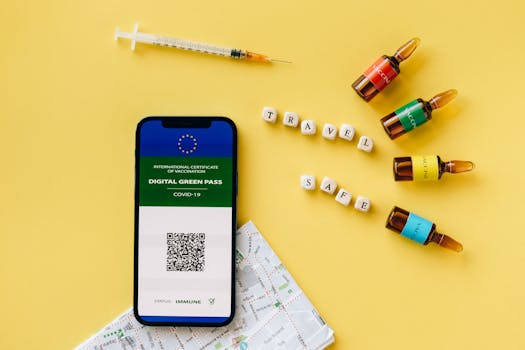
The Death of the Paper Border
I stepped off the high-speed Haramain train in Jeddah, the scent of expensive oud and roasting coffee beans swirling through the sterile, ultra-modern terminal. Just three years ago, this moment would have required a mountain of paperwork, a physical consulate visit, and a prayer to the bureaucratic gods. Today? I moved through the gate with a digital ping on my smartphone.
The world is shrinking, but not in the way we expected. It’s not just about faster planes; it’s about the collapse of friction. We are entering the age of the Super-Visa. Regional powerhouses are finally realizing that tourism is the "new oil," and they are tearing down the red tape to prove it. If you’re still planning trips based on single-country entry requirements, you’re playing a 2019 game in a 2025 world.
1. The GCC "Grand Salaam": The Middle East’s Schengen Moment
For decades, hopping between Dubai, Doha, and Riyadh felt like navigating a geopolitical obstacle course. That is officially changing. The Gulf Cooperation Council (GCC)—comprising the UAE, Saudi Arabia, Qatar, Bahrain, Kuwait, and Oman—has greenlit a unified tourist visa.
Experts are calling this the "Grand Salaam." Much like the European Schengen Area, this alliance allows travelers to visit all six nations on a single permit.
Why it’s a game-changer:
Previously, if you wanted to do a road trip from the skyscrapers of Dubai to the hidden tombs of AlUla in Saudi, you’d spend upwards of $300 on individual visas. The new alliance streamlines this into one fee and one application.
- The Insider Edge: Don’t just stick to the hubs. Use this visa to explore the Musandam Peninsula (Oman’s "Norway of the Middle East") via a quick drive from Dubai. The fjords are spectacular, and the border crossing—once a headache—is becoming a breeze.
2. The ASEAN "6-in-1" Ambition
Thailand is currently spearheading an audacious alliance with Cambodia, Laos, Malaysia, Myanmar, and Vietnam. The goal? A single visa that covers the entire "SMILE" region of Southeast Asia.
While the full rollout is in the final negotiation stages, the "mini-alliances" are already active. Thailand’s new Destination Thailand Visa (DTV) is the first domino, offering five-year residency for remote workers and cultural enthusiasts.
- Pro-Tip: If you’re planning a multi-country trek, keep your eye on the Thai-Cambodian bilateral agreement. It’s the pilot program for this alliance. Experts recommend using Bangkok as your "Base Camp" due to its superior flight connectivity and then utilizing the unified entry protocols to hit Angkor Wat without the traditional visa-on-arrival scramble.
3. The African Union: Breaking the Colonial Gridlock
For too long, it was easier for a European to travel across Africa than for an African—or a long-haul traveler—to move between neighboring states. The African Continental Free Trade Area (AfCFTA) is changing the logistics of travel.
Countries like Rwanda, Benin, The Gambia, and Kenya have led the charge by removing visa requirements for all African citizens, and they are extending these "open border" philosophies to international tourists through simplified e-visa portals that talk to each other.
- The Authenticity Factor: The real magic is happening in the KAZA UniVisa zone (Zambia, Zimbabwe, Botswana, Namibia, and Angola). This alliance allows you to see Victoria Falls from both sides and go on a safari in the Chobe without paying for multiple entry stamps. It’s the most efficient way to see the "Big Five" without the big paperwork.
4. The Digital Nomad "Treaty" Alliances
Europe is shifting its focus. While the ETIAS (European Travel Information and Authorisation System) will add a small layer of digital bureaucracy in 2025, individual alliances within the EU are making long-term stays easier.
Spain and Portugal are increasingly coordinating their Digital Nomad Visa requirements. We are seeing a "Mediterranean Corridor" emerge where experts recommend applying for the visa in the country where you’ll spend 51% of your time, but leveraging the tax treaties that are being forged between these nations.
- The Hidden Entrance: Everyone looks at Lisbon. Instead, look at Valencia or the Algarve. These regions are part of a new "Smart City" alliance that provides high-speed fiber and co-working hubs specifically designed to lure those on the new nomad permits.
5. Biometric Alliances: The End of the Passport?
It’s not just about the law; it’s about the tech. The alliance between Singapore’s Changi Airport and various international carriers is the blueprint for a "passport-free" future. They are using biometrics (your face is your boarding pass) to move people from the curb to the gate in under 10 minutes.
- Expert Recommendation: Download the AirSide Digital Identity app. It’s being adopted by more alliances (including many US-Europe routes) to allow you to bypass the "Manual Check" lines. It’s the digital version of a "Fast Pass."
Quick Facts: The 2024-2025 Travel Landscape
| Alliance | Key Countries | Estimated Cost | Best Time to Visit | Expert Rating |
| :--- | :--- | :--- | :--- | :--- |
| GCC Unified | UAE, Saudi, Qatar, Oman | ~$100 USD | Nov - March | ⭐⭐⭐⭐⭐ |
| KAZA UniVisa | Zambia, Zimbabwe | $50 USD | May - Oct | ⭐⭐⭐⭐ |
| Schengen (ETIAS)| 27+ European Nations | €7 (valid 3 yrs) | Year-round | ⭐⭐⭐ |
| ASEAN Pilot | Thailand, Cambodia | Varies | Nov - Feb | ⭐⭐⭐⭐ |
The Logistics: How to Get There
* For the GCC: Fly into Riyadh (RUH) or Dubai (DXB). These are the primary processing hubs for the new unified systems.
* For Southeast Asia: Bangkok (BKK) remains the undisputed king of entry. Use the "fast track" lanes if you have a digital nomad permit.
* For Africa: Kigali (KGL) is the gold standard for efficiency. Rwanda’s "open door" policy makes it the smoothest entry point on the continent.
The Expert Verdict: Why This Matters Now
We are moving away from "Checklist Tourism" (visiting one city and leaving) toward "Flow Tourism." These alliances are designed to keep you in a region longer.
My advice?
Stop booking round-trip tickets to a single city. Book "Open Jaw" flights. Fly into Dubai, take the high-speed rail to Abu Dhabi, drive to Muscat, and fly home from there. The new alliances mean you no longer have to double back to satisfy a visa requirement.
The world is opening up, but only for those who know how to navigate the new digital corridors. Don't be the person standing in the three-hour "Visa on Arrival" line while the rest of us are already sipping mint tea in the souq.
---