1. The Hook: The Sound of a Dying Stamp
I stepped off the night train in Ruse, Bulgaria, expecting the usual rhythmic clack-thud of a heavy passport stamp and the skeptical squint of a border guard. Instead, there was a strange, beautiful silence. The air smelled of rain-dampened pavement and the sharp, roasted aroma of kashkaval pastries from a nearby kiosk. For the first time in decades, the friction was gone.
As a traveler who has spent more hours in humid consulate waiting rooms than in hotel bars, I can tell you: the tectonic plates of global mobility are shifting. We are entering the age of the "Travel Bloc." New alliances changing entry requirements emerging this year are not just about politics; they are about reclaiming your time and your sanity.
2. The "Grand Salaam": The GCC Unified Tourist Visa
The biggest seismic shift is happening in the Middle East. For years, hopping between Dubai, Doha, and Riyadh required a thicket of separate visas, different fee structures, and varying processing times. That is officially ending.
The Gulf Cooperation Council (GCC)—comprising the UAE, Saudi Arabia, Qatar, Kuwait, Oman, and Bahrain—is rolling out a unified tourist visa. Think of it as the "Schengen of the Sands."
Why it matters:
Saudi Arabia’s "Vision 2030" is the engine here. They want you to see the Nabataean tombs of Hegra and then catch a flight to the neon skyline of Dubai without a second thought. This alliance is designed to turn the Arabian Peninsula into a multi-stop itinerary rather than a series of one-off trips.
Pro-Tip:
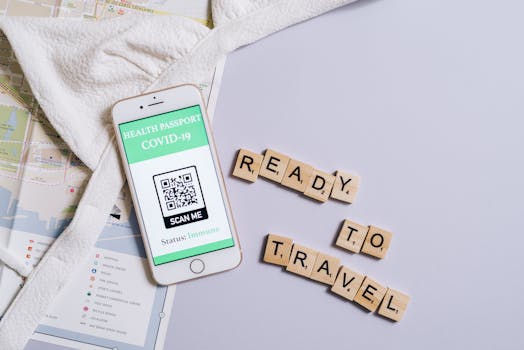
The unified visa will likely be managed via a centralized digital portal. Keep your digital QR code saved in an offline folder. While the tech is cutting-edge, border scanners in remote desert outposts can be finicky with live internet connections.
3. Schengen’s New Frontier: Bulgaria and Romania
After a decade of "will they, won't they," Bulgaria and Romania have finally partially joined the Schengen Area. As of late March, air and sea border controls have been lifted.
The Insider Reality:
If you’re flying from Paris to Sofia or sailing from Greece to Constanța, you’re in the clear. However, land borders—the highways and train tracks—still have checks due to ongoing political negotiations.
Authentic Detail:
Don't just stick to the capitals. Use this new ease of access to explore the Buzludzha Monument in Bulgaria—a crumbling, saucer-shaped relic of the communist era that looks like a downed UFO atop a mountain. It’s brutalist architecture at its most haunting.
4. The ASEAN "Six-Country" Ambition
Thailand is currently leading a massive diplomatic push to create a "Schengen-style" visa for Southeast Asia. The proposed alliance includes Thailand, Malaysia, Vietnam, Cambodia, Laos, and Myanmar.
While the full six-country visa is still in the "handshake" phase, bilateral moves are already changing the game. Thailand has expanded visa-free entry to 93 nations and extended stays to 60 days. Malaysia has reciprocated with 30-day visa-free entries for major markets like China and India.
The Logistics:
* Best Time to Visit: November to February (the "Cool" season).
* The Hidden Entrance: Instead of flying into Bangkok, try the land crossing at Wang Kelian between Malaysia and Thailand. It’s one of the most scenic mountain passes in the region, flanked by limestone karsts.
5. Africa’s Borderless Dream: Agenda 2063
For too long, it was easier for a European to travel across Africa than for an African. That is changing with the African Union’s "Agenda 2063." Kenya and Rwanda have led the charge, announcing visa-free entry for all African nationals, with several other nations following suit for global travelers.
The Vibe:
In Nairobi, the energy is electric. It’s no longer just a safari stop; it’s a tech hub. The "Silicon Savannah" is thriving because the barriers to entry are falling.
Pro-Tip:
When entering Kenya under the new Electronic Travel Authorization (eTA) system, apply at least 72 hours in advance. It’s not a "visa," but the airline won't let you board without that digital confirmation.
6. The Digital Handshake: ETIAS and the UK ETA
Not all alliances are about opening doors; some are about digitizing the locks. The EU is preparing to launch ETIAS (European Travel Information and Authorisation System) in 2025, but the groundwork—the Entry/Exit System (EES)—is going live late this year.
Simultaneously, the UK is expanding its ETA (Electronic Travel Authorisation) to almost all non-visa visitors.
What this means for you:
The days of the "spontaneous" hop across the English Channel are getting a digital layer. You’ll need to pre-register. It’s a small fee (around £10 for the UK), but if you forget, you’re staying at the terminal.
7. Quick Facts: The 2024 Travel Alliance Cheat Sheet
| Alliance/Region | Status | Key Benefit | Estimated Cost |
| :--- | :--- | :--- | :--- |
| GCC Unified Visa | Rolling out late 2024 | 6 countries, 1 visa | ~$100 - $150 (Est.) |
| Schengen (BG/RO) | Active (Air/Sea) | No passport control from EU | Free (included in Schengen) |
| Thailand (New Rules) | Active | 60-day visa-free entry | $0 for most nationalities |
| UK ETA | Expanding | Mandatory digital pre-check | £10 |
| Kenya eTA | Active | Visa-free (but eTA required) | ~$30 processing fee |
8. How to Navigate the New World
The "new alliances changing entry requirements emerging this year" require a shift in your travel kit. Stop carrying just a passport; carry a Digital Document Vault.
- The "Two-Form" Rule: Always have a physical printout of your e-visa/eTA AND a cloud-saved PDF.
- Check the "Reciprocity" Clause: Alliances often change based on how your home country treats theirs. If your country adds a fee, they likely will too.
- The 7 AM Rule: For any border that still has land checks (like the Romania-Hungary border), arrive at 7 AM. The shift change usually happens at 8 AM, and the early birds beat the bus tours.
9. The Authenticity Factor
Why does this matter? Because travel isn't about the paperwork; it's about the unfiltered experience. When the border becomes a bridge instead of a wall, you get to see the transition of culture.
I remember sitting in a small cafe in Edirne, where Turkey, Greece, and Bulgaria meet. I drank tea that was half-Turkish, half-Bulgarian in style, listening to a radio station that blurred three languages into one melody. These new alliances are making those "in-between" places—the places where cultures bleed into one another—accessible to all of us.
Don't just go where the gates are open. Go where the gates have just been removed. The dust hasn't settled yet, and that’s where the real magic is.
---