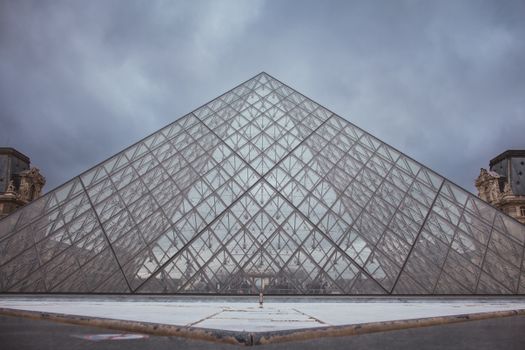
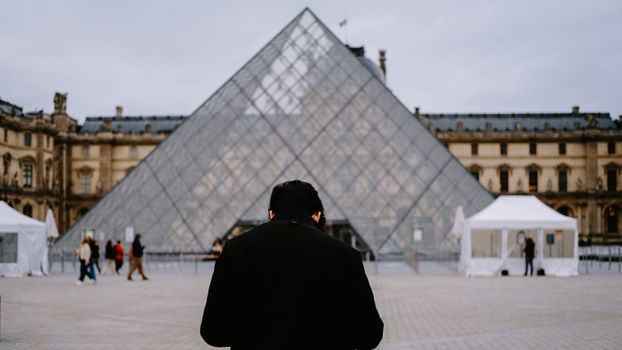
The crisp winter air bit at my cheeks as I stepped off the RER train, the scent of freshly baked croissants mingling with the faint, metallic tang of the Seine. Paris. A city synonymous with art, with history, with... endless queues. I’d braced myself for the Louvre pilgrimage, the hours spent shuffling, craning my neck, desperately trying to catch a glimpse of Mona Lisa’s enigmatic smile through a sea of selfie sticks. But this year, I’d decided to break free. To seek out the magic beyond the iconic pyramid. And let me tell you, the treasures I unearthed were more profound, more intimate, and infinitely more soul-stirring than I could have ever imagined.
This winter, the art world is whispering about a different kind of pilgrimage. It's about discovering the pulse of creativity in spaces that offer a genuine connection, a moment of quiet contemplation, and, yes, no lines. So, ditch the velvet ropes and the elbow-jostling crowds. I’m taking you on a journey to museums that don't just compete with the Louvre – they transcend it, offering experiences that will linger long after you've left.
The Unexpected Grandeur: Where Masterpieces Whisper, Not Roar
We all love a classic, but sometimes, the most breathtaking art reveals itself in unexpected places. These institutions offer a curated, intimate encounter with art that rivals the scale and significance of the Louvre’s most prized possessions, but with a fraction of the fanfare.
Musée Marmottan Monet: The Impressionist's Private Sanctuary
Imagine stepping into the very rooms where Claude Monet’s most intimate works were once admired. The Musée Marmottan Monet isn't just a museum; it's a time capsule, a testament to the artist’s life and legacy. Housed in a former hunting lodge of the Duke of Valmy, the building itself exudes a quiet elegance. My first visit felt like stumbling upon a secret garden of light. The hushed atmosphere, the diffused natural light filtering through the tall windows – it all conspires to create an unparalleled viewing experience.
Here, you'll find not just a few Monet’s, but an astonishing collection, including the iconic "Impression, soleil levant" (Impression, Sunrise) – the very painting that gave Impressionism its name. But it’s not just about Monet. The museum boasts a stunning collection of Berthe Morisot, Edgar Degas, and Camille Pissarro, offering a comprehensive look at the movement. What truly sets it apart is the intimacy. You can stand inches away from these revolutionary works, tracing the brushstrokes, feeling the raw emotion, without a single barrier or a throng of tourists.
Pro-Tip:
Arrive shortly after opening (around 10 AM). The museum is less crowded during weekdays, especially outside of peak holiday weeks. Don't miss the stunning collection of Georges Rouault works in the basement – a powerful contrast to the Impressionist light.
Musée Rodin: Sculptural Serenity in a Parisian Oasis
While the Louvre has its Winged Victory, the Musée Rodin offers a more visceral and immersive encounter with sculpture. Housed in the magnificent Hôtel Biron and its surrounding gardens, this museum is a breath of fresh air. I remember my first walk through the sculpture garden; the crisp winter air carrying the scent of damp earth and dormant roses, with Rodin’s powerful bronzes emerging from the frost-kissed landscape. It was pure magic.
You’ll find "The Thinker" here, not behind glass, but contemplating the universe in the tranquil garden. "The Kiss" and "The Gates of Hell" are equally impactful, their raw emotion palpable. The Hôtel Biron itself is a beautiful 18th-century mansion, and wandering through its elegantly appointed rooms, filled with Rodin's sketches, drawings, and smaller sculptures, feels like being invited into the artist's personal studio. The scale is manageable, the flow is natural, and the experience is deeply personal.
Pro-Tip:
Dedicate at least two hours to fully explore both the mansion and the sprawling gardens. The garden café, even in winter, offers a cozy spot to reflect. Look for the subtle inscriptions on the bases of the sculptures – they often reveal fascinating insights.
Avant-Garde Adventures: Where Innovation Reigns Supreme
For those who crave the cutting edge, the unexpected, and the truly thought-provoking, these museums redefine what it means to experience art in the 21st century. They are vibrant hubs of contemporary creativity, often overlooked by the traditional art tourist.
Centre Pompidou: A Futuristic Marvel of Modern Art
Let’s be clear: the Centre Pompidou is not hidden, but its unique architectural style and its focus on modern and contemporary art often mean it’s overlooked by those solely focused on Old Masters. But to skip it is to miss a cultural powerhouse. From the outside, it’s a riot of colour and exposed pipes, a stark contrast to the Haussmannian elegance of Paris. Inside, it’s a labyrinth of innovation.
The permanent collection is a dazzling journey through 20th and 21st-century art, featuring titans like Picasso, Matisse, Kandinsky, and Warhol. But the real thrill is in the temporary exhibitions, which consistently push boundaries and showcase emerging artists. The panoramic views from the top floor are also spectacular, offering a different perspective on the Parisian skyline. The energy here is infectious, a buzzing testament to the ongoing evolution of art.
Pro-Tip:
Purchase a "Paris Museum Pass" if you plan on visiting multiple museums; it often includes entry to the Centre Pompidou and can save you money. Check their schedule for temporary exhibitions – they are often the highlight. The escalator ride up the exterior of the building is an experience in itself!
Musée d'Orsay: A Palatial Canvas for Post-Impressionist Dreams
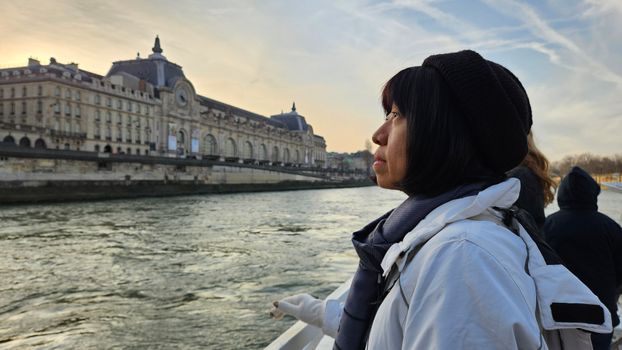
While often mentioned alongside the Louvre, the Musée d'Orsay deserves its own spotlight, especially for its unparalleled collection of Post-Impressionist and Art Nouveau masterpieces. Housed in a former Beaux-Arts railway station, the building itself is a work of art. I still remember the first time I walked into the grand hall, the sunlight streaming through the massive arched windows, illuminating the space with a warm, golden glow. It feels less like a museum and more like a magnificent palace dedicated to beauty.
This is where you'll find an astonishing array of Renoir, Degas, Cézanne, and Gauguin. The sheer concentration of iconic works is breathtaking. But it’s the context that makes it special. The transition from Impressionism to the more personal expressions of Post-Impressionism is beautifully laid out. The Art Nouveau decorative arts section is also a feast for the eyes, showcasing intricate furniture, stained glass, and jewelry. It’s a more manageable and arguably more focused experience than the sprawling Louvre.
Pro-Tip:
Visit on a Thursday evening when the museum stays open late (until 9:45 PM). The atmosphere is more relaxed, and the city lights twinkling outside are a beautiful backdrop. Don't miss the enormous clock on the top floor – it offers a unique photo opportunity.
Hidden Gems: Unearthing Paris's Secret Art Treasures
These are the places that truly embody the "no lines, trending winter" ethos. They offer a profound artistic experience without the overwhelming crowds, allowing for a deeper, more personal connection with the art and the city.
Musée Jacquemart-André: A Gilded Age Masterpiece of Private Collecting
This is, without a doubt, one of my favorite Parisian secrets. The Musée Jacquemart-André is a sumptuous mansion that feels like stepping into the private world of its wealthy former owners, Édouard André and Nélie Jacquemart. Their passion for art is evident in every room, from the grand staircase to the intimate salons. The collection is exceptional, featuring Italian Renaissance masterpieces, Flemish paintings, and exquisite French furniture.
Walking through the salons, you can almost hear the echoes of lavish parties and cultured conversations. The Italian gallery is particularly stunning, boasting works by Botticelli, Mantegna, and Titian. The intimate scale of the museum allows you to truly appreciate the beauty and craftsmanship of each piece. It’s a far cry from the impersonal grandeur of larger institutions, offering instead a warm, inviting, and deeply personal artistic immersion.
Pro-Tip:
Enjoy a coffee or a light meal in the museum’s charming tea room, located in what was once the mansion's winter garden. It’s the perfect spot to soak in the atmosphere. Look for the delicate details in the marquetry of the antique furniture – they are exquisite.
Musée de l'Orangerie: Monet's Water Lilies and Beyond
While technically a part of the Louvre’s umbrella, the Musée de l'Orangerie operates as a distinct entity and offers an experience so utterly different, it deserves its own mention. Its primary draw, of course, are Monet’s monumental "Nymphéas" (Water Lilies). The two oval rooms are designed specifically to house these immersive masterpieces, allowing you to be enveloped by Monet’s vision of his Giverny garden.
Standing in those tranquil rooms, the light shifting subtly, the vibrant blues and greens surrounding you, is a meditative experience. It's a world away from the bustling galleries of the Louvre. Beyond the Water Lilies, the Orangerie also houses the impressive Jean Walter and Paul Guillaume collection, featuring works by Renoir, Matisse, Picasso, and Modigliani. It's a compact yet incredibly rich collection, offering a focused and deeply rewarding artistic encounter.
Pro-Tip:
Visit first thing in the morning or late afternoon to experience the Water Lilies with fewer people. The natural light is crucial to appreciating the full effect of the paintings. The museum is conveniently located in the Tuileries Garden, making it easy to combine with a winter stroll.
Quick Facts: Your Winter Museum Expedition Planner
| Museum | Estimated Cost ($) | Best Time to Visit (Winter) | How to Get There |
| :--------------------- | :----------------- | :-------------------------- | :--------------------------------------------------- |
| Musée Marmottan Monet | $12 - $15 | Weekday mornings | Metro: Line 9 to La Muette |
| Musée Rodin | $13 - $15 | Weekday afternoons | Metro: Varenne (Line 13) or Invalides (Lines 8, 13) |
| Centre Pompidou | $15 - $17 | Weekday mornings/evenings | Metro: Rambuteau (Line 11) or Hôtel de Ville (Lines 1, 11) |
| Musée d'Orsay | $16 - $18 | Thursday evenings | RER C: Musée d'Orsay; Metro: Solférino (Line 12) |
| Musée Jacquemart-André | $15 - $17 | Weekday mornings | Metro: Saint-Philippe du Roule (Line 2) or Miromesnil (Lines 9, 13) |
| Musée de l'Orangerie | $12 - $14 | Early morning/late afternoon | Metro: Concorde (Lines 1, 8, 12) |
Note: Prices are approximate and subject to change. Consider purchasing a Paris Museum Pass for cost savings if visiting multiple sites.
The Insider's Take: Why These Gems Shine Brighter
What truly elevates these museums above the fray is their curation and atmosphere. At the Louvre, you’re often overwhelmed by the sheer volume. Here, you’re invited to engage. You can linger, absorb, and truly connect with the art. The scent of old wood and polish in the Musée Jacquemart-André, the quiet contemplation inspired by Monet’s water lilies, the bold architectural statements of the Centre Pompidou – these are sensory experiences that go beyond mere visual appreciation.
These are not just buildings filled with art; they are spaces that invite you to become part of the narrative. They are testament to the fact that the most profound artistic encounters are often found not in the largest crowds, but in the quiet corners, the hidden courtyards, and the meticulously curated collections that speak directly to the soul. This winter, trade the jostling for the joy, the queues for the quiet contemplation, and discover the true magic of Paris's art scene.