The Hook: A Scent of Almonds and Ancient Whispers
I stepped off the train, and it wasn't the Eiffel Tower's silhouette that greeted me, but the intoxicating aroma of roasted almonds mingling with the salty tang of the sea. A gentle breeze, carrying whispers of ancient history, ruffled my hair. This wasn't Paris; this was something else entirely. A city that unfolded like a forgotten map, revealing layers of beauty, culture, and an undeniable charm that felt both timeless and thrillingly new. Forget the well-trodden paths; the real magic is happening elsewhere, and I’m here to guide you to it.
Beyond the Seine: Europe's Emerging Beauties
Paris, the undisputed queen of European romance and charm, has long held our collective wanderlust captive. But as the world wakes up to new horizons, a constellation of other European cities is rising, shimmering with an allure that’s challenging the status quo. These aren't just pretty places; they are vibrant hubs of culture, history, and an authenticity that’s increasingly rare. They offer the grandeur, the romance, the history, but with a fresh perspective, fewer crowds, and often, a more accessible price tag. This year, the discerning traveler is looking beyond the familiar, seeking experiences that feel both profound and refreshingly unscripted.
1. Ljubljana, Slovenia: The Emerald Jewel of the Balkans
Stepping into Ljubljana felt like entering a fairytale. The Ljubljanica River, a ribbon of impossibly clear emerald water, winds through the heart of the city, hugged by weeping willows and lined with charming Baroque buildings. The Ljubljanica is more than just a river; it’s the city’s lifeblood, its arteries dotted with picturesque bridges, the most famous being the Triple Bridge and the romantic Dragon Bridge, guarded by its formidable stone beasts.
Pro-Tip:
Rent a small electric boat for a unique perspective of the city from the water. You can even pack a picnic and enjoy it as you glide along.
The city’s compact Old Town is a pedestrian's paradise, dominated by the imposing Ljubljana Castle, perched majestically on a hill overlooking the terracotta rooftops. The climb is worth every step for the panoramic views. The architecture here is a delightful blend of Art Nouveau and Baroque, with pastel-colored facades and intricate detailing. The air is alive with the chatter of locals enjoying coffee at riverside cafes and the gentle strumming of street musicians.
Insider's Scoop:
Don't miss the Central Market. It's a sensory explosion of local produce, artisanal cheeses, and freshly baked bread. Grab a štruklji (rolled dumpling) for a truly authentic taste.
Quick Facts: Ljubljana
- Estimated Cost ($$): 2/5 (Very Affordable)
- Best Time to Visit: May-September (Pleasant weather, vibrant outdoor life)
- How to Get There: Fly into Ljubljana Jože Pučnik Airport (LJU). Well-connected by train and bus from neighboring countries.
2. Ghent, Belgium: A Medieval Masterpiece Reimagined
Forget Bruges’ tourist throngs; Ghent offers the same breathtaking medieval charm with a more lived-in, authentic feel. I arrived on a crisp autumn afternoon, and the light hitting the ancient guildhalls along the Graslei and Korenlei canals was pure magic. This is a city that breathes history, from its imposing Gravensteen Castle (Castle of the Counts) to the soaring spires of St. Bavo's Cathedral, home to the world-renowned Ghent Altarpiece.
Pro-Tip:
Visit St. Bavo's Cathedral first thing in the morning to see the Ghent Altarpiece without the crowds. Book your viewing slot online in advance.
What truly sets Ghent apart is its youthful energy. It’s a university city, and this buzz infuses the historic streets with a contemporary vibe. You’ll find trendy boutiques tucked away in cobblestone alleys, innovative restaurants serving up modern takes on Belgian classics, and a thriving craft beer scene. The canals here aren't just for show; they're integral to the city's identity, reflecting the grandeur of the architecture and adding a romantic shimmer to evening strolls.
Insider's Scoop:
Seek out the Werregarenstraatje, a constantly evolving graffiti alley. It’s a vibrant, ever-changing outdoor art gallery that perfectly encapsulates Ghent’s dynamic spirit. And for a truly local experience, try a waterzooi, a creamy chicken or fish stew.
Quick Facts: Ghent
- Estimated Cost ($$): 3/5 (Moderately Affordable)
- Best Time to Visit: April-October (Mild weather, lively atmosphere)
- How to Get There: Fly into Brussels Airport (BRU) and take a direct train to Ghent (approx. 45 minutes).
3. Porto, Portugal: The Soulful City of Port Wine and Azulejos
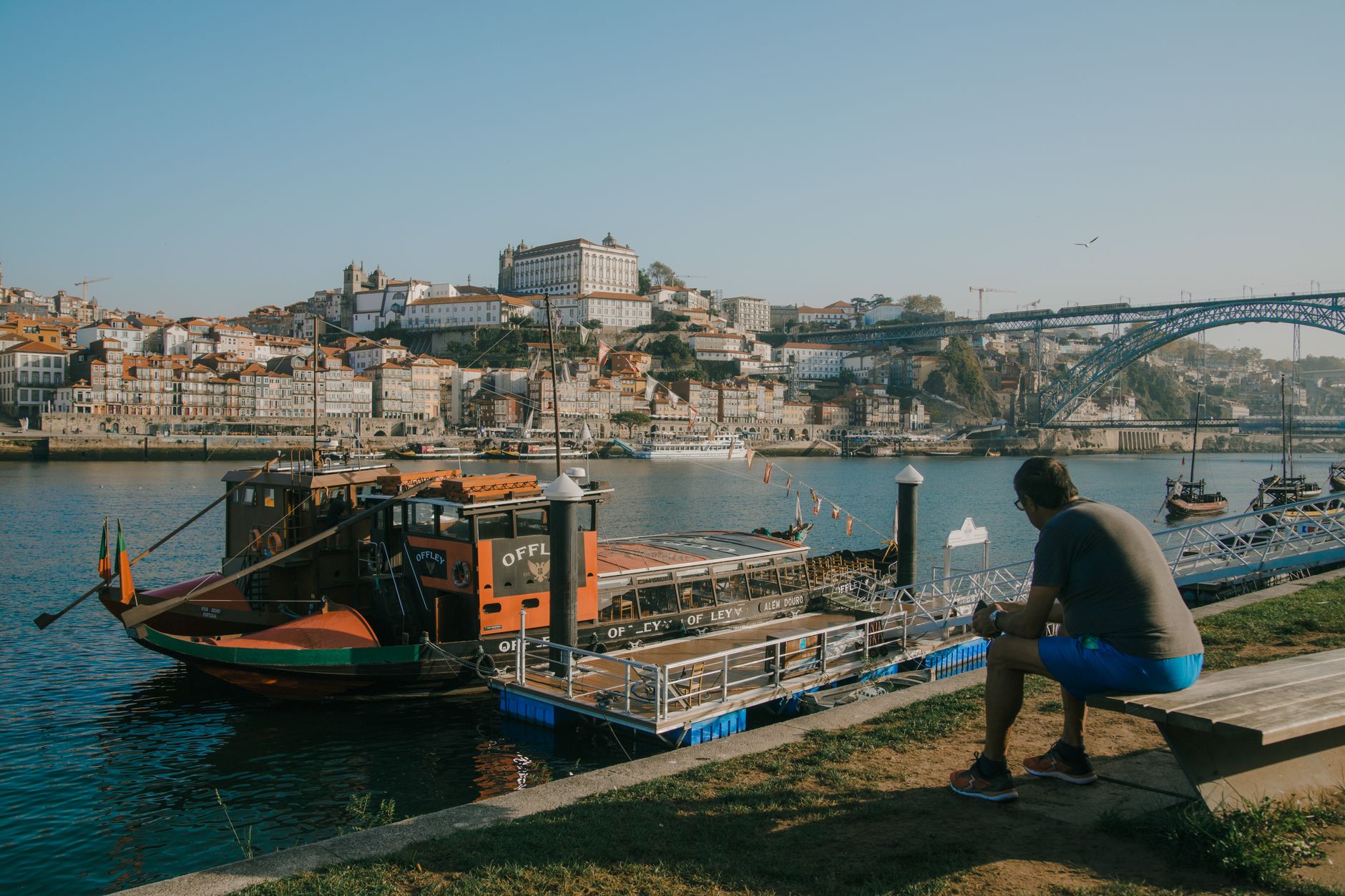
Porto. The name itself conjures images of sun-drenched hillsides and the rich, ruby glow of port wine. But this city is so much more than its famous export. It’s a symphony of color and texture, a place where crumbling tiled facades meet grand Beaux-Arts buildings, all set against the dramatic backdrop of the Douro River. The Ribeira district, a UNESCO World Heritage site, is a labyrinth of narrow, winding streets, colorful houses stacked precariously, and lively squares buzzing with activity.
Pro-Tip:
Take a Rabelo boat cruise on the Douro River at sunset. The views of the city, especially the iconic Dom Luís I Bridge, are unparalleled.
The iconic blue and white azulejo tiles are everywhere, adorning churches, train stations, and even humble homes, telling stories of Portugal's history and culture. The scent of grilled sardines wafts from local tascas, and the air is filled with the melancholic strains of Fado music drifting from intimate bars. Porto has a gritty, soulful beauty that’s utterly captivating.
Insider's Scoop:
Visit the Livraria Lello, often cited as one of the most beautiful bookstores in the world. Its stunning red staircase and stained-glass ceiling are truly breathtaking. And don't leave without tasting a francesinha, a hearty sandwich that’s a Porto specialty.
Quick Facts: Porto
- Estimated Cost ($$): 3/5 (Moderately Affordable)
- Best Time to Visit: March-May & September-October (Pleasant temperatures, fewer tourists)
- How to Get There: Fly into Porto Airport (OPO). Excellent public transport links to the city center.
4. Florence, Italy (But Not As You Know It): The Renaissance Gem with a Modern Pulse
Okay, Florence is hardly "emerging." But hear me out. While the Uffizi and the Duomo rightfully draw millions, there’s a Florence beyond the postcard-perfect piazzas that’s captivating a new generation of travelers. It’s in the artisanal workshops of the Oltrarno district, where leatherworkers and goldsmiths carry on centuries-old traditions. It’s in the hidden trattorias serving authentic Tuscan fare, far from the tourist traps.
Pro-Tip:
Explore the Boboli Gardens at dawn. The sculpted hedges, ancient statues, and panoramic city views are magical with only a handful of other early risers.
The light in Florence is legendary, casting a golden glow on the terracotta roofs and the Arno River. The architecture, of course, is unparalleled – Brunelleschi’s dome, Michelangelo’s David, Botticelli’s Venus. But it’s the feeling of Florence that’s truly emerging: a city that respects its glorious past while embracing a vibrant, contemporary artistic and culinary scene.
Insider's Scoop:
Seek out the Officina Profumo-Farmaceutica di Santa Maria Novella, one of the oldest pharmacies in the world, for exquisite artisanal perfumes and skincare. For a truly local food experience, try a lampredotto sandwich from a street vendor.
Quick Facts: Florence
- Estimated Cost ($$): 4/5 (Moderately Expensive)
- Best Time to Visit: April-June & September-October (Ideal weather, fewer crowds than peak summer)
- How to Get There: Fly into Florence Airport (FLR) or Pisa Airport (PSA) and take a train. High-speed trains connect Florence to major Italian cities.
5. Krakow, Poland: The Enchanting City of History and Heart
Krakow whispers tales of kings, artists, and resilience. Stepping into the Main Market Square, one of the largest medieval squares in Europe, is an immediate immersion into history. The magnificent Cloth Hall stands at its center, surrounded by colorful merchant houses and the imposing St. Mary's Basilica, whose hourly trumpet call (Hejnał mariacki) is a poignant reminder of the city's past.
Pro-Tip:
Take a guided walking tour focused on Jewish history in the Kazimierz district. It’s a deeply moving and essential part of understanding Krakow's soul.
The city's beauty lies not just in its grand architecture but in its intimate courtyards, its hidden synagogues, and the echoes of centuries of stories. The Vistula River provides a tranquil counterpoint to the bustling Old Town. Krakow has a warmth and an authenticity that quickly makes you feel like a local.
Insider's Scoop:
Venture into the Kazimierz district, the historic Jewish Quarter, now a bohemian hub of trendy cafes, art galleries, and traditional synagogues. Sample pierogi (dumplings) at a milk bar for an incredibly cheap and delicious meal.
Quick Facts: Krakow
- Estimated Cost ($$): 2/5 (Very Affordable)
- Best Time to Visit: May-September (Pleasant weather, lively outdoor events)
- How to Get There: Fly into John Paul II International Airport Kraków–Balice (KRK). Well-connected by train and bus.
The Verdict: Your Next Unforgettable European Adventure Awaits
These cities aren't just alternatives to Paris; they are destinations in their own right, each offering a unique tapestry of experiences that will enrich your travels and leave you with indelible memories. They represent the evolving landscape of European tourism – a move towards authenticity, discovery, and experiences that resonate deeply.
The allure of these emerging European beauties lies in their ability to surprise, to enchant, and to offer a profound connection to the places they inhabit. They are the whispers of adventure, the promises of discovery, and the perfect destinations for those who seek more than just the ordinary. So, pack your bags, open your mind, and get ready to fall in love with Europe all over again, one breathtaking, less-traveled city at a time.