The Hook: A Symphony of Salt and Serenity
I stepped off the tiny prop plane, the air thick with the scent of salt and sun-baked earth, a stark contrast to the sterile recycled air of the cabin. The distant roar of the ocean was a constant, thrilling invitation. This wasn't just another beach holiday; this was a call to arms, a chance to be more than a tourist, but a guardian. My destination? A speck of emerald in a sapphire sea, a place where the underwater world whispers secrets and needs our help. I was here to join the ranks of citizen scientists, to swap my sun lounger for a snorkel mask and my cocktail for a data sheet.
Dive In: Where the Ocean's Pulse Meets Your Purpose
The world is brimming with breathtaking marine protected areas (MPAs), sanctuaries safeguarding our planet's most precious underwater ecosystems. But what if you could experience these wonders not just as an observer, but as an active participant in their preservation? Citizen science initiatives are transforming travel, allowing us to contribute to vital research while immersing ourselves in unparalleled natural beauty. Forget simply seeing the ocean; it’s time to understand it, protect it, and become a part of its ongoing story. These are the places where your passion for the planet meets your wanderlust, offering experiences that are as rewarding as they are unforgettable.
Section 1: The Coral Reef Guardians: Project Reef Watch (Australia)
Imagine drifting over a kaleidoscope of coral, a city teeming with life. This is the Great Barrier Reef, a UNESCO World Heritage site facing unprecedented challenges. Project Reef Watch, based in Queensland, Australia, offers a direct pathway for travelers to become active stewards of this iconic ecosystem.
What You'll Do:
You'll be trained to identify and record coral bleaching, disease, and the abundance of key fish species. Think of yourself as a tiny, highly motivated detective, meticulously noting down observations that help scientists understand the reef's health in real-time. You'll learn to distinguish between healthy coral polyps and those under stress, a skill that feels surprisingly powerful once you've mastered it.
Pro-Tip:
Sign up for a guided dive with a Reef Watch coordinator. They'll share local insights and ensure you're spotting the most critical indicators. Early morning dives often offer calmer waters and more active marine life.
Quick Facts: Project Reef Watch
| Category | Details | Estimated Cost ($) | Best Time to Visit | How to Get There |
| :--------------- | :-------------------------------------------- | :----------------- | :----------------- | :--------------------------------------------------- |
| Location | Queensland, Australia | Varies (flights, accommodation) | May - October | Fly into Cairns (CNS) or Proserpine (PPP), then transfer to coastal towns. |
| Citizen Science | Coral health monitoring, fish surveys | $50-$200 (program fees) | Dry season (less rain, clearer water) | Local dive operators, research centers. |
| Accommodation | Eco-lodges, resorts, house rentals | $100 - $500+ per night | Year-round, but drier months are ideal. | Numerous options in Port Douglas, Cairns, Airlie Beach. |
| Must-Pack | Reef-safe sunscreen, reusable water bottle, hat | - | - | - |
Insider's Take:
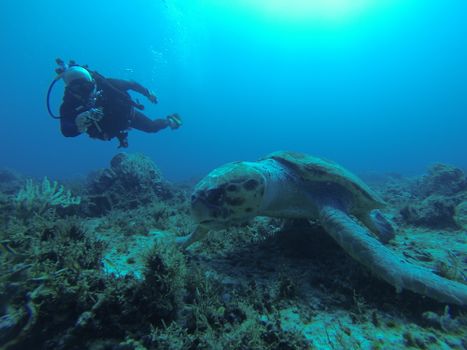
The sheer scale of the Great Barrier Reef is humbling. When you're out there, feeling the gentle current and seeing a turtle glide past, it’s easy to feel like a speck. But knowing your data is contributing to its long-term survival? That’s a feeling that stays with you long after the salt has dried.
Section 2: Tracking Gentle Giants: Whale Shark Research (Various Locations)
The majestic whale shark, the ocean's largest fish, is a creature of mystery and wonder. Witnessing one in its natural habitat is a privilege, but participating in research to protect them? That’s a game-changer. Several MPAs offer incredible opportunities to contribute to whale shark conservation.
What You'll Do:
Depending on the location, you might be involved in photo-identification. This means meticulously photographing the unique spot patterns on each whale shark's flank – like a fingerprint! These photos are then uploaded to databases, helping researchers track individual sharks, understand their migration patterns, and monitor population health. You could also assist with data collection on sightings, behavior, and environmental conditions.
Pro-Tip:
Learn to distinguish between a whale shark and other large marine life before you go. Patience is key; whale sharks are elusive. When you spot one, stay calm, maintain a respectful distance, and focus on getting clear, usable photos.
Quick Facts: Whale Shark Citizen Science
| Category | Details | Estimated Cost ($) | Best Time to Visit | How to Get There |
| :--------------- | :-------------------------------------------- | :----------------- | :----------------- | :--------------------------------------------------- |
| Locations | Isla Holbox (Mexico), Oslob (Philippines), Ningaloo Reef (Australia), Utila (Honduras) | Varies (flights, tours) | Seasonally dependent on whale shark aggregations | Fly into nearest international airport, then local transport/tours. |
| Citizen Science | Photo-identification, sighting logs | $50 - $300 (tour fees) | Varies by location (e.g., May-Sept in Mexico) | Reputable tour operators specializing in whale shark encounters. |
| Accommodation | Guesthouses, eco-resorts, hostels | $30 - $150 per night | Varies by location | Book well in advance, especially during peak season. |
| Must-Pack | Underwater camera (or waterproof phone case), rash guard, sunglasses | - | - | - |
Insider's Take:
The sheer size of a whale shark is awe-inspiring. But it's the intelligence in their gentle eyes, the way they move with such grace, that truly captivates. Contributing to their protection, even through something as simple as a well-timed photograph, feels like a profound connection.
Section 3: Guardians of the Sea Turtles: Turtle Watch Programs (Various Locations)
Sea turtles are ancient mariners, navigating our oceans for millions of years. Yet, they face numerous threats, from habitat loss to plastic pollution. Several MPAs around the globe host "Turtle Watch" programs where you can directly contribute to their survival.
What You'll Do:
Your role could involve patrolling nesting beaches at dawn or dusk to locate and mark new nests, ensuring they are safe from predators or human disturbance. You might also help measure and tag nesting females (under strict supervision and ethical guidelines) or monitor hatchling emergence. Some programs involve beach cleanups to remove hazardous debris.
Pro-Tip:
Always follow the guidance of the experienced researchers. Never disturb nesting turtles or hatchlings. If you find a stranded turtle, contact local wildlife rescue immediately. Wear light-colored clothing to avoid overheating and bring insect repellent.
Quick Facts: Sea Turtle Citizen Science
| Category | Details | Estimated Cost ($) | Best Time to Visit | How to Get There |
| :--------------- | :-------------------------------------------- | :----------------- | :----------------- | :--------------------------------------------------- |
| Locations | Costa Rica (Tortuguero), Greek Islands (Zakynthos), Florida (USA), Baja California (Mexico) | Varies (flights, program fees) | Nesting seasons vary by species and location | Fly into nearest major airport, then local buses/transfers. |
| Citizen Science | Nest monitoring, beach patrols, hatchling counts | $0 - $100 (program fees) | Varies by location (e.g., March-October in Costa Rica) | Wildlife conservation organizations, eco-lodges. |
| Accommodation | Eco-lodges, homestays, basic camps | $25 - $100 per night | Varies by location | Often integrated with conservation projects. |
| Must-Pack | Headlamp with red light, binoculars, sturdy walking shoes | - | - | - |
Insider's Take:
The quiet anticipation on a nesting beach, waiting for a mother turtle to emerge from the surf, is electric. And the sight of tiny hatchlings making their frantic dash for the sea – it’s a primal, breathtaking spectacle. Being a part of ensuring that journey is a little safer is incredibly fulfilling.
Section 4: The Biodiversity Detectives: Bird & Marine Mammal Surveys (Coastal & Island MPAs)
Many MPAs are crucial havens for a diverse array of birdlife and marine mammals. Citizen science programs here focus on understanding these populations, their movements, and their habitats.
What You'll Do:
This can involve coastal bird counts, identifying species by sight and sound. You might also participate in marine mammal surveys from shore or boat, recording sightings of dolphins, whales, seals, and otters. Data collection often includes noting behavior, group size, and any signs of distress. Some programs involve acoustic monitoring of marine mammal vocalizations.
Pro-Tip:
Develop your bird identification skills beforehand with a local field guide. For marine mammals, learn to distinguish between different species and their common behaviors. Bring binoculars and a good pair of polarized sunglasses to cut glare on the water.
Quick Facts: Bird & Marine Mammal Citizen Science
| Category | Details | Estimated Cost ($) | Best Time to Visit | How to Get There |
| :--------------- | :-------------------------------------------- | :----------------- | :----------------- | :--------------------------------------------------- |
| Locations | Channel Islands National Park (USA), Scottish Islands (UK), Olympic National Park (USA), Galápagos Islands (Ecuador) | Varies (flights, tours) | Migratory seasons, breeding seasons | Fly into nearest airport, then ferry or boat transfers. |
| Citizen Science | Bird counts, marine mammal sightings, habitat surveys | $0 - $150 (boat tour fees) | Varies by location and species | Audubon Society chapters, local wildlife trusts, tour operators. |
| Accommodation | B&Bs, hotels, camping, research station stays | $50 - $200 per night | Varies by location | Book accommodation in advance, especially on islands. |
| Must-Pack | Field guides, sturdy binoculars, notebook, weather-appropriate clothing | - | - | - |
Insider's Take:
The joy of spotting a rare migratory bird or a pod of dolphins playing in the wake of your boat is amplified when you know you're contributing to valuable scientific data. It's a constant treasure hunt, with nature providing the most exquisite prizes.
Section 5: The Coastal Crusaders: Water Quality & Debris Monitoring (Global)
Our coastlines are the front lines of environmental change. Many MPAs are actively engaged in monitoring water quality and combating marine debris, and they need your help.
What You'll Do:
You could be collecting water samples to test for pollutants like microplastics, nutrients, or chemical contaminants. Another vital task is participating in beach cleanups, categorizing and weighing the types of trash collected to identify pollution sources. Some initiatives use specialized apps to log debris found along shorelines.
Pro-Tip:
Wear gloves and sturdy shoes during cleanups. Properly dispose of collected waste according to local guidelines. When collecting water samples, ensure you follow the precise instructions to avoid contamination.
Quick Facts: Water Quality & Debris Monitoring
| Category | Details | Estimated Cost ($) | Best Time to Visit | How to Get There |
| :--------------- | :-------------------------------------------- | :----------------- | :----------------- | :--------------------------------------------------- |
| Locations | Virtually any coastal MPA, from small bays to large marine reserves | Minimal (transport) | Year-round, often tied to organized events | Check local environmental groups, community centers. |
| Citizen Science | Water sampling, debris surveys, beach cleanups | $0 - $20 (kit fees) | Often scheduled events | Local environmental NGOs, park services. |
| Accommodation | Local hotels, Airbnb, hostels | $40 - $150 per night | Year-round | Varies by coastal town. |
| Must-Pack | Reusable gloves, collection bags, water testing kit (if provided) | - | - | - |
Insider's Take:
The sheer volume of plastic found on some beaches can be disheartening, but the collective action of citizen scientists creates tangible change. It’s a powerful reminder that every piece of trash removed makes a difference, and every water sample collected adds another crucial data point.
The Ripple Effect: Beyond the Data Sheet
Participating in citizen science within marine protected areas is more than just a travel activity; it's an immersion. You’ll gain a profound appreciation for the delicate balance of these ecosystems, the intricate relationships between species, and the pressing need for conservation. You’ll connect with local communities, fellow volunteers, and the natural world on a level most travelers only dream of. You’ll leave not just with stunning photos and memories, but with a deeper understanding and a tangible contribution to the health of our oceans.
Planning Your Citizen Science Adventure
Choosing the right MPA and citizen science program requires a little research. Consider:
- Your Interests: Are you passionate about coral reefs, marine mammals, or sea turtles?
- Your Skills: Do you have diving certifications? Are you comfortable with data entry?
- Your Budget: Costs can range from free participation with your own gear to comprehensive expedition fees.
- Your Timeline: Some programs are ongoing, while others are seasonal or event-based.
Don't forget to research the specific ethical guidelines and training provided by each organization.
Responsible citizen science is crucial for both your safety and the integrity of the research.
The Call to the Ocean
The ocean is calling. It’s a call for help, a call for stewardship, and a call for adventure. By stepping into a marine protected area and engaging in citizen science, you answer that call with purpose. You become part of the solution, a vital link in the chain of conservation. So, pack your bags, your curiosity, and your commitment. The underwater world awaits, and it needs you.