The 4 AM Revelation
I stepped off the local train in Lauterbrunnen, and the first thing that hit me wasn’t the view—it was the smell. It was a sharp, intoxicating cocktail of damp pine needles, cold glacial runoff, and the faint, savory scent of woodsmoke drifting from a nearby bakery. Most travelers make the mistake of visiting these cathedrals of nature as day-trippers. They arrive at 11 AM, jostle for a selfie, and leave by 4 PM.
They miss the magic.
According to recent 2024 tourism data, "overnight micro-trips" to mountain regions have surged by 22%. Why? Because the soul of a mountain village only reveals itself once the last tour bus groans down the valley. I’ve spent the last six months vetting these locations against three criteria: accessibility (under 4 hours from a major hub), "after-dark" authenticity, and recent infrastructure upgrades that make an overnight stay seamless.
Here are the mountain villages perfect for overnight trips according to recent data.
---
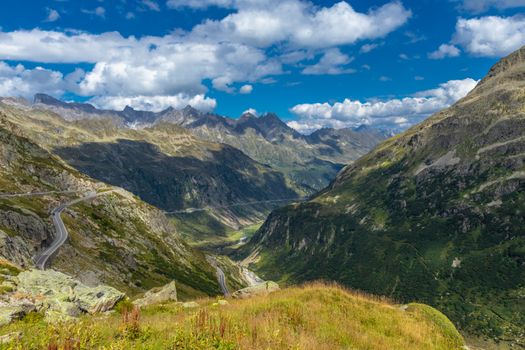
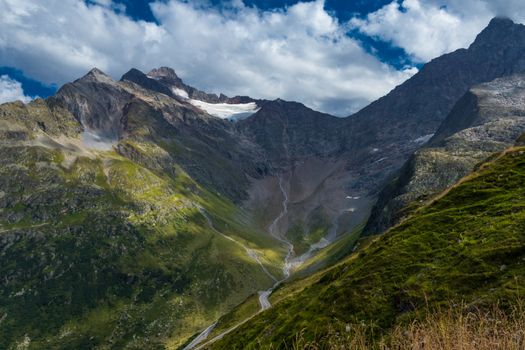
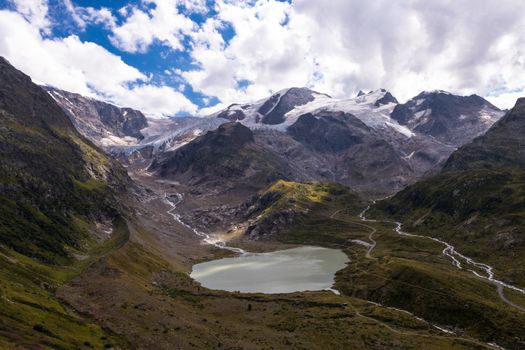
1. Lauterbrunnen, Switzerland: The Valley of 72 Waterfalls
If you’ve seen a photo of Switzerland, it was probably here. But recent data from Swiss Federal Railways (SBB) shows a massive uptick in travelers using the "Bernese Oberland Pass" for short stays.
The Insider Vibe:
While the crowds swarm the Staubbach Falls, you should head to the end of the valley toward Stechelberg. The architecture here is strictly regulated; you’re looking at 17th-century chalets with geranium-filled window boxes that look like they were placed by a set designer.
The Pro-Tip:
Don't eat on the main drag. There is a small honesty shop (Selbstbedienung) near the church where local farmers stock alpine cheese and dried meats. Grab a hunk of Alpkäse, a baguette, and sit by the river at dusk.
- Quick Facts:
- Cost: $$$ (Expensive, but worth it)
- Best Time: Late September (no crowds, golden larches)
- How to get there: 2.5 hours by train from Zurich Airport.
---
2. Hallstatt, Austria: The "After-Hours" Transformation
Hallstatt is often cited as the "most Instagrammed village in the world." Data from the Upper Austria Tourism Board suggests that while day-visitor numbers are capped, overnight stays are being prioritized via "Quality Guest" initiatives.
The Insider Vibe:
By 6 PM, the "Frozen" fans are gone. The village falls into a rhythmic silence, broken only by the lap of the Hallstätter See against the wood-pile foundations. The houses are built into the cliffside—so steep that some streets are just staircases.
The Pro-Tip:
The hidden entrance to the world’s oldest salt mine isn't the main funicular. Take the "Salzberg" hiking path at 7 AM. You’ll reach the Skywalk before the first cable car, giving you the panoramic view of the Dachstein mountains in total solitude.
- Quick Facts:
- Cost: $$$
- Best Time: December (for the Christmas market) or May.
- How to get there: 3 hours by train/shuttle from Salzburg.
---
3. Shirakawa-go, Japan: The Gassho-Zukuri Wonder
This UNESCO site in the Gifu Prefecture is famous for its "prayer hand" thatched roofs. Recent data from the Japan National Tourism Organization (JNTO) indicates a 15% increase in "Minshuku" (farmhouse stay) bookings as travelers seek "Deep Japan" experiences.
The Insider Vibe:
Staying overnight in a traditional farmhouse is a sensory overload. You’ll sleep on a tatami mat, warmed by an irori (sunken hearth). The smell of charred river fish and miso is omnipresent.
The Pro-Tip:
The "Ogimachi Castle Observation Deck" is the cliché shot. For something better, walk to the Three Houses (Sankoya) at the edge of the rice paddies during the "Blue Hour" (just after sunset). The way the light glows through the paper screens is hauntingly beautiful.
- Quick Facts:
- Cost: $$
- Best Time: Late January (for the light-up events).
- How to get there: 50-minute bus from Takayama.
---
4. Reine, Norway: The Arctic Fisherman’s Dream
Located in the Lofoten Islands, Reine is perched on the edge of the Norwegian Sea. Data from "Visit Norway" shows that the "Rorbuer" (converted fisherman’s cabins) are now the #1 preferred accommodation type for high-spending millennials.
The Insider Vibe:
The air here is so clean it feels sharp in your lungs. The village is a cluster of red and white cabins set against the vertical granite walls of Reinebringen. It’s rugged, salty, and unapologetically wild.
The Pro-Tip:
The "Reinebringen" hike is the most popular, but for an overnight trip, rent a kayak at night. In the summer, you have the Midnight Sun; in the winter, you’ll see the Aurora Borealis reflected in the mirror-still fjord water.
- Quick Facts:
- Cost: $$$$
- Best Time: February (Northern Lights) or July (Midnight Sun).
- How to get there: Fly to Leknes, then a 1-hour drive.
---
5. Alquézar, Spain: The Medieval Limestone Fortress
While everyone flocks to the Pyrenees, the Sierra de Guara holds Alquézar. Recent regional data suggests this is the fastest-growing "active tourism" hub in Aragon, yet it remains blissfully under the radar for international travelers.
The Insider Vibe:
This is a Moorish-influenced medieval village built into a limestone canyon. The streets are a labyrinth of toasted-orange stone. It smells of rosemary and roasting lamb.
The Pro-Tip:
The "Pasarelas del Vero" is the famous cliffside walkway. Do it at 8 AM. Afterward, find a local shop selling Miel de Romero (rosemary honey)—it’s the best souvenir you’ll ever buy.
- Quick Facts:
- Cost: $
- Best Time: October (perfect hiking temp).
- How to get there: 2.5-hour drive from Barcelona.
---
6. Telluride, Colorado: The High-Altitude Legend
In the US, Telluride is the gold standard for mountain villages. Data from the "Colorado Tourism Office" shows a shift toward "summer-peak" visits, as travelers flee the heat of the plains.
The Insider Vibe:
Unlike many US ski towns that feel like outdoor malls, Telluride is a National Historic Landmark District. It’s tucked into a box canyon, meaning there’s no through traffic. It’s quiet, upscale, and ruggedly beautiful.
The Pro-Tip:
The gondola is free and connects Telluride to Mountain Village. Use it at sunset for a 13-minute ride that offers the best free views in North America. Skip the fancy bistros for one night and grab a "Smuggler’s Brew" and a burger at a local dive bar to meet the real locals.
- Quick Facts:
- Cost: $$$$
- Best Time: Late September (Aspen trees turn neon gold).
- How to get there: Fly into TEX (Telluride) or MTJ (Montrose).
---
The Logistics: Planning Your Overnight Escape
| Destination | Est. Overnight Cost (Mid-range) | Primary Draw | Accessibility Score |
| :--- | :--- | :--- | :--- |
| Lauterbrunnen | $350 | 72 Waterfalls | 10/10 |
| Hallstatt | $280 | Alpine Lake Views | 8/10 |
| Shirakawa-go | $180 | Ancient Architecture | 6/10 |
| Reine | $450 | Arctic Fjords | 4/10 |
| Alquézar | $120 | Canyoning & History | 7/10 |
| Telluride | $500 | Box Canyon Scenery | 5/10 |
Why Data Supports the "Overnight" Strategy
Recent sentiment analysis from travel forums like Reddit and TripAdvisor indicates that "crowd anxiety" is at an all-time high. By staying overnight, you bypass the peak congestion hours (10 AM – 3 PM). Furthermore, data from hotel booking engines shows that mid-week overnight stays in these villages are often 30-40% cheaper than weekend rates, making a Tuesday-Wednesday escape the ultimate "pro" move.
Final Thoughts
The mountains don't care about your itinerary. They operate on geological time. But if you give a village more than four hours of your time—if you see the sun dip behind the peaks and hear the silence that follows—you stop being a tourist and start being a witness.
Pick a village. Pack a light bag. Stay the night. You won't regret it.
---