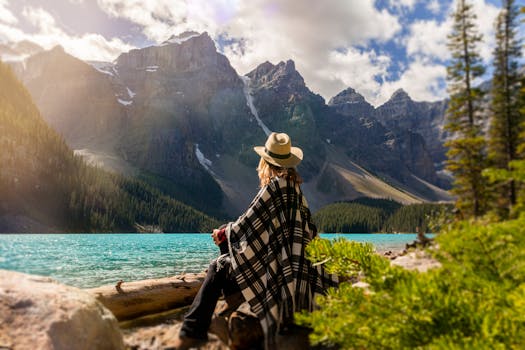
Let's be honest, we've all been there. You scroll through Instagram, eyes wide with wanderlust, as an influencer raves about a "secret spot" – a pristine lake, a dramatic peak, a charming village nestled in the mountains. You bookmark it, plan your trip, excitedly pack your bags, only to arrive and find yourself shoulder-to-shoulder with hundreds of other eager tourists, all vying for the exact same photo angle. The magic, the solitude, the authenticity you craved? Vanished, replaced by queues and filtered facades.
I’ve had my fair share of these disheartening moments. One particular summer, I chased a viral waterfall in the Rockies only to find it teeming with people, the tranquil sounds of nature drowned out by chatter and camera clicks. It was beautiful, yes, but it wasn't the escape I'd envisioned. That experience sparked a mission: to uncover mountain destinations that offer genuine solitude, breathtaking beauty, and the kind of raw, unfiltered adventure that influencers, with their need for curated perfect backdrops, often overlook.
Because here's the truth: the most awe-inspiring mountain escapes aren't always the ones dominating your feed. They're the ones whispered about by seasoned trekkers, the ones you stumble upon after a long, rewarding hike, the ones where the only 'likes' you're chasing are the ones etched into your memory. This summer, it's time to reclaim your mountain escape. Ditch the crowds, embrace the unknown, and discover these truly spectacular, anti-influencer mountain havens.
1. Julian Alps, Slovenia: Europe's Emerald Secret
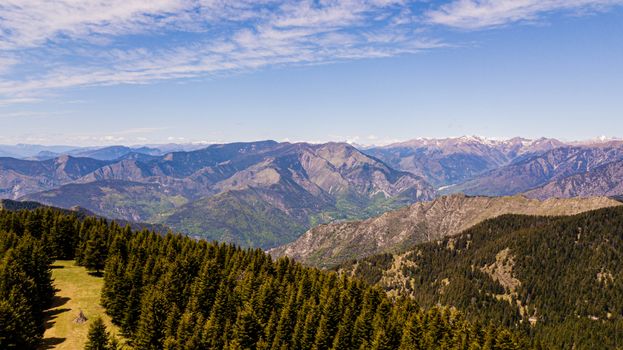
Forget the Swiss Alps (for a moment, at least) and Slovenia's more famous Lake Bled. Tucked away in the northwestern corner of this tiny, vibrant country lies the Julian Alps, a dramatic wonderland of jagged peaks, crystalline turquoise rivers, and serene glacial lakes that feel like a secret whispered only to you. This is where the true magic of the Slovenian mountains unfolds, largely untouched by the mass tourism that plagues its neighbors.
Why it's an Anti-Influencer Gem:
While Lake Bled sees a constant stream of visitors, the Julian Alps, particularly around Lake Bohinj and deep within Triglav National Park, offer a completely different vibe. Here, the focus is on raw nature, challenging hikes, and authentic local experiences. You won't find endless rows of souvenir shops, but rather quaint villages, family-run guesthouses, and trails where you might only encounter a handful of fellow adventurers.
My Personal Encounter:
I remember hiking to the Savica Waterfall, a popular but still manageable trail near Lake Bohinj. Instead of stopping there, I continued upwards, following a less-marked path through dense forest. After what felt like an eternity of uphill climbing, I emerged onto a ridge overlooking the entire Bohinj valley, Lake Bohinj shimmering like an emerald below. There was no one else. Just me, the crisp mountain air, and the overwhelming silence broken only by the distant chime of cowbells. It was a moment of pure, unadulterated bliss.
Practical Tips & Details:
* Getting There: Fly into Ljubljana (LJU) and rent a car. Public transport is available but a car offers more flexibility for exploring hidden spots.
* Where to Stay: Base yourself around Lake Bohinj (Stara Fužina or Ribčev Laz) or in the charming town of Kranjska Gora. Expect guesthouses and family-run hotels starting from €60-€100 per night. Camping is also popular and affordable.
* Must-Do's:
* Lake Bohinj: Explore its shores, rent a paddleboard or kayak, and hike the trails around it.
* Triglav National Park: Slovenia's only national park, offering countless hiking opportunities from easy strolls to multi-day treks to Mount Triglav itself.
* Vintgar Gorge (early morning!): While slightly more popular, arriving right at opening can still offer a serene experience.
* Eat: Try local 'štruklji' (dumplings), 'kranjska klobasa' (sausage), and fresh trout from the rivers.
* Budget: Mid-range. Accommodation is more affordable than Western Europe, and food is reasonably priced. A hearty meal in a local restaurant might cost €15-€25.
2. Rila Mountains, Bulgaria: Monasteries & Mystical Lakes
When you think of European mountains, Bulgaria might not be the first country that springs to mind. And that, my friends, is precisely its charm. The Rila Mountains, home to Bulgaria's highest peak, Musala, and the iconic Seven Rila Lakes, offer a blend of rugged beauty, spiritual tranquility, and incredible affordability that feels like a genuine discovery. This is a place where ancient monasteries cling to cliffsides and glacial lakes shimmer with an almost otherworldly glow.
Why it's an Anti-Influencer Gem:
The Rila Mountains are undeniably popular with Bulgarians and a growing number of savvy European travelers, but they still lack the overwhelming tourist infrastructure and polished veneer of more established Alpine destinations. Here, you're more likely to encounter earnest hikers, local families on a pilgrimage, and a genuine sense of wildness. The experience is less about curated photo ops and more about deep connection with nature and history.
My Personal Encounter:
My most vivid memory is of a sunrise hike to the Seven Rila Lakes. We started in the pre-dawn darkness, the only sounds being our crunching footsteps and the distant chirping of birds. As the sun began to paint the sky in fiery hues, we reached the first lake, then the second, each revealing itself like a precious jewel. By the time we reached the highest lake, "The Tear," the world felt vast and untouched. The air was crisp, the views expansive, and the feeling of having earned that vista after a challenging climb was utterly profound. No filters needed, just pure, raw beauty.
Practical Tips & Details:
* Getting There: Fly into Sofia (SOF). The Rila Mountains are easily accessible by car (rent one from Sofia) or by organized day tours/shuttles to the Rila Monastery or the Seven Rila Lakes chairlift.
* Where to Stay: For the Rila Monastery, stay in the village of Pastra or Sapareva Banya (known for its thermal springs). For the Seven Rila Lakes, consider basic mountain huts or guesthouses in Panichishte. Prices are incredibly affordable, with guesthouses starting from €30-€50 per night.
* Must-Do's:
* Rila Monastery: A UNESCO World Heritage site, its vibrant frescoes and stunning architecture are a must-see.
* Seven Rila Lakes Hike: A moderately challenging but immensely rewarding full-day hike. The chairlift from Panichishte cuts down significant ascent time. Consider hiring a local guide for insights and safety.
* Thermal Springs: Relax in the mineral-rich waters of Sapareva Banya after a long hike.
* Eat: Indulge in traditional Bulgarian cuisine: 'Shopska salad', 'banitsa' (cheese pastry), 'kyufte' (meatballs), and rich stews.
* Budget: Very affordable. Bulgaria offers excellent value for money, making it perfect for budget-conscious adventurers.
3. High Tatras, Slovakia: Eastern Europe's Alpine Wonderland
Nestled on the border between Slovakia and Poland, the High Tatras are the highest range in the Carpathian Mountains. They boast a dramatic, almost theatrical landscape of jagged granite peaks, deep glacial valleys, and sapphire-blue tarns. While popular with Central European tourists, they remain largely off the radar for many international travelers, making them a refreshing alternative to the crowded peaks of the Alps.
Why it's an Anti-Influencer Gem:
The Tatras offer a classic Alpine experience – challenging hikes, breathtaking vistas, and charming mountain huts – but without the price tag or the overwhelming crowds of their Western European counterparts. The infrastructure is well-developed for hikers, yet the atmosphere remains distinctly local and unpretentious. You’ll find fewer designer boutiques and more authentic mountain culture.
My Personal Encounter:
I spent a week exploring the trails around Štrbské Pleso and Popradské Pleso. While Štrbské Pleso can draw a crowd, venturing just a little further onto the marked trails quickly brings you into serene wilderness. One afternoon, while hiking a relatively quiet path towards a lesser-known waterfall, I rounded a bend and spotted a herd of chamois grazing peacefully on a steep slope. They seemed completely unfazed by my presence, a testament to the undisturbed nature of the region. It was a truly wild encounter that felt miles away from any curated 'wildlife watching' experience.
Practical Tips & Details:
* Getting There: Fly into Poprad-Tatry Airport (TAT), which has seasonal connections, or into Krakow (KRK) in Poland and take a bus or train. Renting a car gives you maximum flexibility.
* Where to Stay: The towns of Starý Smokovec, Tatranská Lomnica, and Štrbské Pleso offer a range of hotels and guesthouses, from budget-friendly to more upscale. Mountain huts ("chatas") provide an authentic, affordable stay for trekkers, often around €20-€40 per night for a dorm bed.
* Must-Do's:
* Hiking: The Tatras offer trails for all levels, from easy strolls around glacial lakes to challenging ascents like Rysy (the highest peak accessible without a guide).
* Lomnický štít: Take the cable car to Slovakia's second-highest peak for incredible panoramic views (book in advance!).
* Popradské Pleso: Hike to this stunning glacial lake and enjoy a meal at the mountain hut.
* Eat: Try 'bryndzové halušky' (potato dumplings with sheep cheese and bacon), 'kapustnica' (cabbage soup), and delicious pastries.
* Budget: Affordable. Slovakia is generally very budget-friendly, making it an excellent choice for an extended mountain adventure.
4. Val di Funes, Dolomites, Italy: Beyond the Crowds of Braies
The Dolomites are, without a doubt, stunning. Their jagged, pale peaks, designated a UNESCO World Heritage site, are legendary. However, popular spots like Lago di Braies or Tre Cime di Lavaredo have become Instagram magnets, often overflowing with visitors. But just a stone's throw away, yet feeling a world apart, lies Val di Funes (Villnösstal in German), a valley that embodies the Dolomites' iconic beauty without the relentless crowds.
Why it's an Anti-Influencer Gem:
Val di Funes offers the quintessential Dolomites experience – rolling green meadows, charming alpine villages, and the dramatic backdrop of the Geisler (Odle) peaks – but with a focus on sustainable tourism and preserving local charm. While you might see a few photographers, the sheer volume of tourists found at the 'hotspots' is absent. Here, you come to hike, to breathe, and to truly immerse yourself in the South Tyrolean culture, not just to snag a viral photo.
My Personal Encounter:
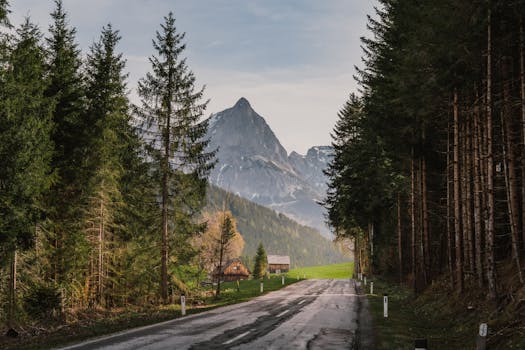
I arrived in Val di Funes early one morning, having escaped the pre-dawn rush at Lago di Braies (which, despite the early start, was already buzzing). The air in Val di Funes was cool and crisp, carrying the scent of pine and fresh hay. As I drove through the valley, past the iconic St. Johann in Ranui church with the Geisler peaks rising majestically behind it, I felt a profound sense of calm. Later, hiking one of the many well-marked trails, I found myself completely alone, surrounded by wildflowers and the sound of distant cowbells. It was the Dolomites I had dreamed of, quiet and utterly breathtaking.
Practical Tips & Details:
* Getting There: Fly into Venice (VCE) or Innsbruck (INN) and rent a car. Val di Funes is easily accessible by car, which is highly recommended for exploring the valley.
* Where to Stay: Stay in one of the charming villages like Santa Maddalena or San Pietro. Look for 'agriturismo' (farm stays) for an authentic experience, often including delicious homemade breakfasts. Expect prices from €80-€150 per night, offering excellent value for the region.
* Must-Do's:
* Hiking: Explore the Geisleralm, Adolf Munkel Trail, or simply wander the many paths through meadows and forests.
* St. Johann in Ranui Church: An iconic photo spot, but enjoy it in peace early morning or late afternoon.
* Local Culture: Visit a local farm, try the regional specialties, and soak in the unique blend of Italian and Austrian cultures.
* Eat: Indulge in South Tyrolean specialties like 'speck' (cured ham), 'knödel' (dumplings), 'Schlutzkrapfen' (spinach ravioli), and of course, apple strudel.
* Budget: Mid-range. While Italy can be expensive, Val di Funes offers good value, especially if you opt for agriturismo stays and enjoy local food.
5. Svaneti, Georgia: The Wild Heart of the Caucasus
If you're truly seeking adventure off the well-trodden path, look no further than Svaneti, a remote, mountainous region in Georgia, nestled high in the Greater Caucasus. This ancient land is famous for its unique medieval defensive towers, which dot the landscape like sentinels, and its incredibly hospitable people. Svaneti offers a journey back in time, where traditions run deep and the landscapes are utterly spectacular.
Why it's an Anti-Influencer Gem:
Svaneti is for the intrepid traveler. While its main towns like Mestia are gaining popularity, the sheer remoteness and the nature of the terrain keep mass tourism at bay. You won't find luxury resorts or perfectly paved roads everywhere. Instead, you'll find genuine guesthouses, challenging multi-day treks, and a profound sense of ancient culture. The photos you take here will be unique, not carbon copies of a thousand others.
My Personal Encounter:
The trek from Mestia to Ushguli, Europe's highest continuously inhabited village and a UNESCO World Heritage site, was one of the most memorable experiences of my life. Each day brought new vistas – snow-capped peaks, verdant valleys, and those incredible Svan towers standing defiantly against the sky. Staying in local guesthouses, sharing homemade meals with families, and being offered endless cups of tea and chacha (local brandy) felt like a genuine immersion, not a performance. The feeling of stepping into a living history book, surrounded by such raw, untamed beauty, is something an influencer's perfectly posed shot could never convey.
Practical Tips & Details:
* Getting There: Fly into Kutaisi (KUT) or Tbilisi (TBS). From Kutaisi, you can take a shared taxi (marshrutka) or private transfer to Mestia. From Tbilisi, take an overnight train to Zugdidi, then a marshrutka to Mestia. Domestic flights are also available from Tbilisi to Mestia.
* Where to Stay: Mestia offers a range of guesthouses (often family-run, around €20-€40 per night with breakfast), small hotels, and hostels. For multi-day treks, you'll stay in guesthouses in the villages along the route.
* Must-Do's:
* Mestia to Ushguli Trek: A classic 3-4 day trek (or take a day trip by 4x4 if time is short).
* Chalaadi Glacier: A rewarding day hike from Mestia.
* Explore Mestia: Visit the Svaneti Museum of History and Ethnography and climb one of the medieval towers.
* Local Hospitality: Embrace the warmth of the Svan people.
* Eat: Try 'Kubdari' (meat-filled bread), 'Khachapuri' (cheese bread), and local stews.
* Budget: Very affordable. Georgia offers incredible value for money, especially for food and accommodation.
6. Bighorn Mountains, Wyoming, USA: The Wild West's Hidden Crown
When Americans think of mountain escapes in Wyoming, Yellowstone and Grand Teton National Parks immediately spring to mind. And for good reason – they are spectacular. But their popularity means crowds, reservations, and often a feeling of being on a conveyor belt. For those craving genuine wilderness and solitude in the American West, the Bighorn Mountains offer a breathtaking alternative. This vast range, often overlooked, provides incredible scenery, abundant wildlife, and a true sense of untamed frontier.
Why it's an Anti-Influencer Gem:
The Bighorns are about raw, expansive wilderness. There are no geysers or iconic jagged peaks that instantly scream "Instagram." Instead, you'll find endless pine forests, high alpine lakes, dramatic canyons, and vast open meadows where wild horses roam free. It's a place for self-sufficient adventurers, for those who appreciate quiet campsites under a blanket of stars, and for those who want to feel truly alone in nature. The beauty here is subtle, profound, and deeply rewarding.
My Personal Encounter:
I once spent a week camping deep within the Bighorn National Forest, near the Cloud Peak Wilderness area. One afternoon, while hiking a barely perceptible trail, I stumbled upon a small herd of wild mustangs grazing in a hidden valley. Their coats shimmered in the sunlight, their manes flowing in the gentle breeze. They watched me with a wary curiosity, and for a long moment, we simply existed together in that pristine space. It was a fleeting, magical encounter that felt entirely unscripted, a secret shared only with the wilderness. No tour buses, no selfie sticks, just me and the wild heart of Wyoming.
Practical Tips & Details:
* Getting There: Fly into Billings, Montana (BIL), or Casper, Wyoming (CPR), and rent a car. A high-clearance vehicle is recommended if you plan to explore less-maintained forest roads.
* Where to Stay: Camping (both developed campgrounds and dispersed camping) is the quintessential Bighorn experience. Small towns like Buffalo and Sheridan offer hotels and motels, with prices varying but generally more affordable than national park gateway towns (e.g., €80-€150 per night).
* Must-Do's:
* Scenic Drives: Drive the Bighorn Scenic Byway (US-14) or the Cloud Peak Skyway (US-16) for stunning vistas.
* Cloud Peak Wilderness: Backcountry hiking, fishing, and camping for experienced wilderness enthusiasts.
* Medicine Wheel National Historic Landmark: An ancient stone structure with spiritual significance.
* Wildlife Viewing: Keep an eye out for elk, moose, deer, black bears, and wild horses.
* Eat: Enjoy classic American diner food in the small towns, or pack your own gourmet camping meals.
* Budget: Affordable, especially if you primarily camp. Gas will be a significant cost due to the vast distances.
---
The True Spirit of Mountain Escapes
These destinations aren't about chasing trends or racking up likes. They're about rediscovering the true essence of mountain travel: the crisp air that fills your lungs, the stunning vistas that humble you, the challenging trails that strengthen your resolve, and the quiet moments of reflection that nourish your soul. They are about connecting with nature, with local cultures, and with yourself, far away from the curated perfection of an influencer's feed.
This summer, dare to venture beyond the obvious. Seek out the places that call to your adventurous spirit, not just your camera roll. Embrace the unknown, the untamed, and the truly authentic. You'll return not just with stunning photos, but with unforgettable stories, a renewed sense of wonder, and the quiet satisfaction of having experienced something truly special.
Which of these anti-influencer mountain escapes will you uncover first? Have you discovered a hidden gem that influencers haven't "ruined" yet? Share your secrets in the comments below! And don't forget to bookmark this post for your ultimate summer escape planning – because some secrets are too good not to share (responsibly, of course!).
---