The year was 2012. My first solo trip to Rome. I was buzzing with excitement, ready to immerse myself in history, art, and, of course, the legendary Italian food. Fresh off the plane, jet-lagged and starving, I made the classic rookie mistake. I saw a restaurant with a flashy menu just steps from the Colosseum, packed with other tourists, and thought, "This must be it!"
I ordered a simple pasta – a supposedly authentic Roman Cacio e Pepe. What arrived was a lukewarm, bland plate of noodles that cost me €25. Twenty-five euros! For something I could have made better in my own kitchen. My heart sank, not just for my wallet, but for the culinary experience I was missing.
That evening, still smarting from my pasta faux pas, I wandered a few blocks off the main tourist drag. Down a quiet, cobbled alley, I spotted a tiny trattoria. No English menu, just a handwritten board outside. It was bustling, but entirely with locals – families laughing, friends clinking glasses. I pointed hesitantly at a dish, used my limited Italian to ask for acqua frizzante, and braced myself.
What came next wasn't just a meal; it was a revelation. A steaming bowl of amatriciana, rich with guanciale, tomatoes, and pecorino, perfectly al dente. It was vibrant, soulful, and utterly delicious. And the bill? A grand total of €10, including a glass of house wine. My mind was blown.
That moment changed everything for me. It wasn't just about saving money; it was about discovering that the best food isn't the priciest, it's the authentic, soul-satisfying food found where locals truly eat. It taught me that eating like a local for pennies isn't just a budget hack; it's the ultimate gateway to cultural immersion and unforgettable travel stories.
Since then, I’ve made it my mission to master the art of the budget gourmet, devouring incredible dishes from bustling markets to hidden hole-in-the-walls across continents. And today, I'm going to share my hard-won secrets with you. Get ready to transform your travel experience, one delicious, dirt-cheap bite at a time.
---
1. The Street Food Revelation: Your Passport to Flavor & Savings
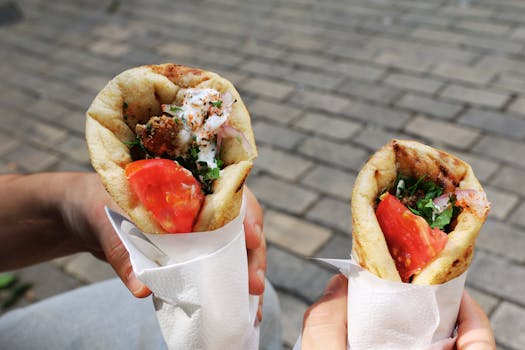
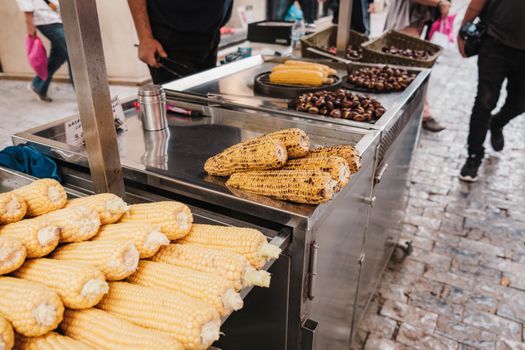
If there’s one golden rule for eating like a local for pennies, it’s this: Embrace Street Food. This isn't just fast food; it's often the freshest, most authentic, and undeniably cheapest cuisine a destination has to offer. My first bite of Banh Mi in Hanoi, Vietnam, was a symphony of flavors – crispy baguette, savory pork, fresh herbs, pickled veggies, all for about €1.50. It was an explosion of taste that still makes my mouth water just thinking about it.
Why Street Food Reigns Supreme:
* Freshness: Vendors often prepare dishes right in front of you, using ingredients bought fresh from the market that morning. High turnover means nothing sits around long.
* Authenticity: Street food is the backbone of local cuisine, recipes often passed down through generations.
* Speed: Quick and convenient, perfect for travelers on the go.
* Price: Unbeatable value. You can often eat multiple dishes for the price of one mid-range restaurant meal.
* Culture: It’s a vibrant, sensory experience – the sizzling woks, the aroma of spices, the chatter of locals. It's Instagram-worthy life in action!
How to Spot the Best Stalls (and Stay Safe):
* Follow the Crowds: This is your number one indicator. If locals are queuing, it’s usually for a good reason (delicious food and fair prices).
* Observe Hygiene: Look for vendors who handle food with gloves, use fresh utensils, and keep their workspace reasonably clean. Visible cooking is a good sign.
* High Turnover: Stalls that are constantly cooking and serving mean fresh ingredients are always being used.
* Specialization: The best stalls often specialize in just one or two dishes, perfecting them over years. Don't be afraid to point at what someone else is eating if you don't know the name!
Global Street Food Icons (and their typical prices):
* Mexico City, Mexico: Tacos al Pastor. Savor perfectly marinated pork shaved from a vertical spit, topped with pineapple. (MXN $15-25 / taco, ~€0.75-1.25)
* Bangkok, Thailand: Pad Thai or Mango Sticky Rice. The sheer variety of delicious street food here is mind-blowing. (THB 50-70 / dish, ~€1.30-1.80)
* Berlin, Germany: Currywurst. A surprisingly addictive sausage smothered in curry ketchup, served with fries. (€3.50-5.00)
* Marrakech, Morocco: Tanjia or Harira Soup in Djemaa el-Fna square. As the sun sets, the square comes alive with food stalls. (MAD 20-50 / dish, ~€1.80-4.50)
Pro Tip:
Carry small denominations of local currency. It makes transactions quicker and easier for vendors.
---
2. Market Maestros: Navigating Local Markets for Culinary Gold
Beyond the sizzling street stalls, local markets are an absolute treasure trove for budget travelers looking to eat authentically and cheaply. From bustling wet markets in Asia to charming farmers' markets in Europe, these vibrant hubs are where locals shop, eat, and socialize.
I remember wandering through the sprawling Djemaa el-Fna square in Marrakech during the day, before the food stalls set up. The market was alive with vendors selling everything from olives and dates to freshly baked bread and fragrant spices. I bought a handful of sweet dates, a small bag of olives, and a warm, crusty flatbread, assembling an impromptu, delicious, and incredibly cheap lunch for just a few dirhams. It felt like a true taste of Morocco.
Why Markets are Your Culinary Playground:
* Fresh & Local: Direct from farmers and producers, ensuring peak freshness and supporting local economies.
* Variety: An incredible array of produce, cheeses, meats, baked goods, and often ready-to-eat local specialties.
* Experience: A sensory overload of sights, sounds, and smells. It’s a fantastic way to observe local life.
* Picnic Potential: Buy components for a gourmet picnic at a fraction of restaurant prices.
What to Hunt For:
* Fresh Produce: Seasonal fruits and vegetables are always cheaper and more flavorful.
* Local Cheeses & Cured Meats: Perfect for assembling a charcuterie board on the go.
* Fresh Bread & Pastries: Grab a baguette, focaccia, or local sweet treat.
* Prepared Foods: Many markets have stalls selling ready-to-eat dishes like empanadas, quiches, salads, or even full meals.
* Spices & Herbs: Often much cheaper and fresher than in supermarkets.
Tips for Market Mastery:
* Go Early (or Late): Arrive early for the best selection, or late in the day for potential discounts as vendors try to sell off their remaining stock.
* Learn Key Phrases: Even just "how much?" (¿Cuánto?, Combien?, Wie viel?) and "thank you" (Gracias, Merci, Danke) can go a long way.
* Observe & Sample: Watch what locals are buying. Many vendors offer samples – don't be shy!
* Bargain (Respectfully): In some cultures (especially in Asia, Africa, and parts of the Middle East), polite bargaining is expected, particularly for non-food items. For food, prices are often fixed.
* Bring Reusable Bags: Be eco-friendly and avoid plastic.
Instagram Moment:
The vibrant colors of fresh produce, an overflowing basket of artisan bread, or a close-up of exotic spices make for stunning photos!
---
3. The Lunch Deal Lure: Unlocking Hidden Restaurant Gems
Many travelers overlook one of the best ways to experience authentic restaurant dining without the hefty price tag: the lunch special. Across the globe, restaurants, even high-end ones, offer significantly cheaper fixed-price menus during lunchtime. This is a win-win: restaurants attract customers during off-peak hours and utilize staff, while you get to enjoy quality food at an incredible value.
I’ll never forget a three-course "Menu del Día" I had in Seville, Spain. For just €12, I enjoyed a fresh gazpacho, a succulent pork dish with potatoes, and a creamy flan for dessert, all accompanied by a glass of local wine and bread. The same meal at dinner would have easily been €40 or more. It felt like I was cheating the system, but it was just smart travel!
Why Lunch Deals are a Game-Changer:
* Value: Often includes multiple courses (starter, main, dessert) and sometimes a drink, for a fraction of dinner prices.
* Quality: You get to sample the chef's skills and fresh ingredients without the premium.
* Local Experience: These deals are often geared towards local workers and residents, ensuring authenticity.
Where to Find These Bargains:
* Spain: Look for "Menu del Día" or "Menú de Mediodía." Typically available from 1 PM to 3 PM on weekdays.
* France: Seek out "Formule Midi" or "Plat du Jour." Often a two or three-course option.
* Japan: "Teishoku" refers to a set meal, often including a main dish, rice, miso soup, and pickles, at lunch.
* Italy: "Pranzo di Lavoro" (worker's lunch) in more casual trattorias.
* Portugal: "Prato do Dia" (dish of the day).
Tips for Nailing the Lunch Deal:
* Look for Chalkboards: Many places advertise their lunch specials on chalkboards outside.
* Ask Politely: If you don't see a sign, ask "Do you have a lunch special?" or "Menu del Día, por favor?"
* Check Times: Lunch deals usually have specific hours, often weekdays only.
* Don't Expect Fancy: While the food is good, the atmosphere might be more casual than dinner service, which is part of the authentic charm.
---
4. Supermarket Savvy: Your Kitchen Away From Home
When you're trying to eat like a local for pennies, don't underestimate the power of the humble supermarket. It’s not glamorous, but it’s arguably the cheapest way to fuel your travels, especially for breakfast, snacks, and even simple dinners.
During a month-long trip to Paris, staying in an Airbnb with a tiny kitchen, the local Monoprix became my best friend. Every morning, I’d grab fresh croissants, local yogurt, and fruit. For lunch, I’d assemble gourmet sandwiches with delicious local ham, gruyere cheese, and a fresh baguette – all for a fraction of what a café would charge. One evening, a simple pasta dish made with fresh ingredients from the market and the supermarket felt like a five-star meal compared to the cost.
Why Supermarkets are Your Budget Travel Ally:
* Ultimate Savings: Far cheaper than eating out for every meal.
* Control: You control ingredients, perfect for dietary restrictions or picky eaters.
* Local Products: Discover local brands, regional specialties, and unique snacks.
* Flexibility: Grab food for picnics, train rides, or late-night munchies.
Smart Supermarket Shopping List:
* Breakfast: Yogurt, granola, fresh fruit, bread/rolls, local jams/honey, coffee/tea.
* Picnic Essentials: Cheese, cured meats, olives, fresh bread, pre-made salads, rotisserie chicken (often a great deal!).
* Simple Dinners: Pasta, sauce, fresh vegetables, pre-cooked protein (e.g., canned tuna, deli meat).
* Snacks: Nuts, dried fruit, local cookies/biscuits, chocolate.
* Drinks: Large bottles of water (refill your reusable bottle!), local juices, cheap wine/beer.
Tips for Supermarket Success:
* Explore Local Aisles: Don't just stick to what you know. Try local brands for better prices and authentic flavors.
* Look for Sales: Check weekly flyers or signs for discounts.
* Utilize Deli Counters: Many supermarkets have excellent deli sections with fresh salads, roasted meats, and prepared dishes.
* Consider an Airbnb with a Kitchenette: Even a small fridge and microwave can save you hundreds over a trip.
* Carry a Reusable Bag: Most European supermarkets charge for plastic bags.
---
5. The Art of the Local Dive: Unassuming Eateries & Hole-in-the-Walls
This is where the magic truly happens. Beyond the street food and market stalls, there are countless small, unassuming restaurants – the "hole-in-the-walls," the family-run trattorias, the local izakayas – that serve incredible, authentic food at prices that will make you do a double-take. These are the places where locals eat every day, not just for special occasions.
One of my most cherished food memories is stumbling upon a tiny, brightly lit ramen shop in a back alley of Kyoto. There was no English menu, just a ticket machine with Japanese characters. I pointed, smiled, and hoped for the best. What arrived was a steaming bowl of Tonkotsu ramen, rich, creamy, and deeply flavorful, topped with tender pork and a perfectly cooked egg. It cost me ¥700 (about €5.50) and was hands down the best ramen I'd ever had. The experience felt so genuine, so Kyoto.
How to Spot These Hidden Gems:
* Locals, Locals, Locals: If the place is packed with locals, especially during peak meal times, you've found a winner.
* Minimalist Decor: Often, the best places focus on the food, not the ambiance. Simple tables, plastic chairs, and no frills are often good signs.
* Handwritten Menus / No English: A strong indicator that they cater to a local clientele. Google Translate's camera feature is your best friend here!
* Off the Main Drag: Wander a few blocks away from major tourist attractions. The prices drop dramatically, and authenticity soars.
* Specialization: Places that do one or two things exceptionally well (e.g., a specific type of noodle, a particular stew) are often fantastic.
What to Avoid (The Tourist Traps):
* Multi-Language Menus with Pictures: Especially if they look laminated and generic.
* Hawkers Outside: Restaurants with people trying to pull you in are almost always overpriced and underwhelming.
* Prime Tourist Locations: Restaurants directly facing major landmarks usually charge a premium for the view, not the food quality.
Tips for Diving In:
* Google Maps is Your Friend: Search for "restaurants" and then zoom into residential areas. Check reviews for mentions of "local," "authentic," and "cheap." Look at photos posted by reviewers for clues about the vibe.
* Ask Locals: Hotel staff, shopkeepers, or even your Airbnb host can provide invaluable recommendations. Ask "Where do you eat?"
* Be Adventurous: Don't be afraid to try something unfamiliar. Point, smile, and let the culinary adventure begin!
---
6. Drink Smart, Eat Smarter: Hydration & Snack Hacks
Eating like a local for pennies isn't just about big meals; it's also about being strategic with your drinks and snacks. The cost of bottled water, coffees, and small bites can quickly add up and blow your budget if you're not careful.
I learned this the hard way after paying €5 for a tiny bottle of water near the Eiffel Tower. Never again! Now, my refillable water bottle is as essential as my passport. And the joy of a €1 espresso at a standing bar in Italy? Pure bliss, and a far cry from the €4 latte at a touristy café.
Hydration Hacks:
* Reusable Water Bottle: This is non-negotiable. Refill it at your accommodation, public fountains (if safe), or even ask restaurants/cafes (politely!).
* Check Tap Water Safety: Always research if tap water is safe to drink in your destination. If not, buy large multi-liter bottles from supermarkets and decant.
* Local Coffee/Tea: Seek out local cafes where people stand at the bar for a quick, cheap coffee (e.g., Italy, Spain). Avoid international chains.
* Bring Your Own: Consider bringing a small thermos for coffee or tea if you have access to hot water.
Smart Snack Strategies:
* Market Fruit: Fresh, seasonal fruit is delicious, healthy, and cheap.
* Local Bakeries (Panaderías, Boulangeries): These are goldmines for cheap and delightful pastries. A pain au chocolat in France or a pastel de nata in Portugal can be as little as €1-2.
* Nuts & Seeds: A great source of energy and protein, often cheaper from market stalls than pre-packaged.
* Pack Your Own: Bring a few granola bars, trail mix, or other non-perishable snacks from home, especially for long travel days.
* Avoid Airport/Train Station Snacking: Prices here are always inflated.
Instagram Moment:
A vibrant fruit display at a market, or a perfectly crafted local pastry with a beautiful backdrop.
---
7. Embrace the Unfamiliar: Your Culinary Comfort Zone is a Prison
Finally, and perhaps most importantly, if you want to eat like a local for pennies and truly blow your mind, you must be adventurous. Your culinary comfort zone is often a prison, keeping you from the most incredible, authentic, and affordable food experiences.
I've had my share of hesitant moments. In the Philippines, I cautiously tried balut (a fertilized duck embryo). It wasn't my favorite, but it was an unforgettable experience and a fantastic story, all for about €0.50! In Peru, I ate a stew whose ingredients I couldn't quite identify, but it was rich, hearty, and clearly made with love, for just a few soles. These moments of stepping outside my comfort zone have consistently led to the most memorable and rewarding food adventures.
Why Adventure is Key:
* New Flavors: Discover tastes and ingredients you never knew existed.
* Deeper Immersion: Food is a huge part of culture. Trying local dishes connects you to the people and their history.
* Incredible Stories: "Remember that time I ate [insert bizarre-but-delicious local dish]?" These are the tales you'll tell for years.
* Unbeatable Value: Often, the most "unusual" or traditional dishes are also the cheapest, as they are staples for locals.
How to Be a Culinary Daredevil:
* Start Small: If you're nervous, begin by trying a small, unfamiliar snack or a side dish.
* Ask Questions (or Point): Don't be afraid to ask what something is (even with hand gestures or Google Translate). Locals are often delighted to share their food.
* Learn Basic Food Phrases: "Delicious" (Delicioso, Délicieux, Oishii), "spicy" (Picante, Piquant), "thank you" – these go a long way.
* Trust Your Instincts (and Locals): If a local recommends something with enthusiasm, give it a go!
* Don't Fear the Unknown: Some of the best meals I've had were from places where I had no idea what I was ordering, but it looked good and locals were enjoying it.
Pro Tip:
Take photos of food you like (or are curious about) and show them to vendors. It's a universal language!
---
Conclusion: Your Wallet (and Taste Buds) Will Thank You!
Eating like a local for pennies isn't just a travel hack; it's a philosophy that transforms your entire journey. It's about peeling back the tourist veneer and diving headfirst into the authentic heart of a destination. It's about savoring incredible flavors, connecting with local culture, and creating unforgettable stories – all without emptying your wallet.
From the sizzling woks of a Bangkok street food stall to the rustic charm of a Roman trattoria's lunch deal, the world is brimming with mind-blowing culinary experiences waiting to be discovered. By embracing street food, navigating local markets, seeking out lunch specials, utilizing supermarkets, finding those hidden local dives, drinking smart, and cultivating an adventurous spirit, you're not just saving money – you're enriching your soul.
So, ditch the expensive tourist traps. Step out of your comfort zone. Let your taste buds lead the way. Your next mind-blowing, penny-pinching meal is just around the corner.
What's your go-to budget food hack when traveling? Share your mind-blowing cheap eats and tips in the comments below! And don't forget to pin this post for your next epic culinary adventure.
---