Monsoon Secrets: Uncover Adventures Locals Hide from Tourists!
I remember my first time in Kerala, India, during what was supposed to be the "off-season" – the monsoon. My family and friends thought I was crazy. "It'll just rain all the time!" they warned. "Everything will be flooded, you won't be able to do anything!" But I, ever the contrarian traveler, was intrigued. I’d seen the pictures, heard whispers of a different kind of beauty, and felt a pull towards something less… expected.
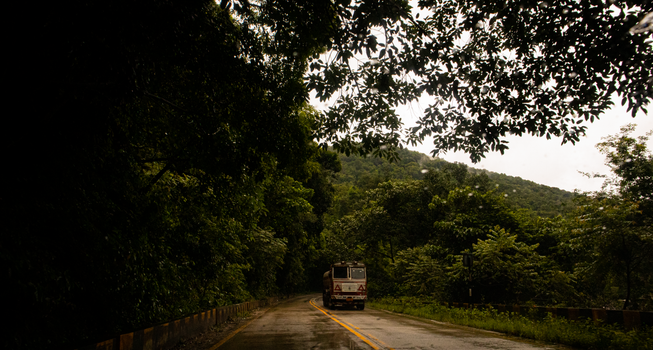
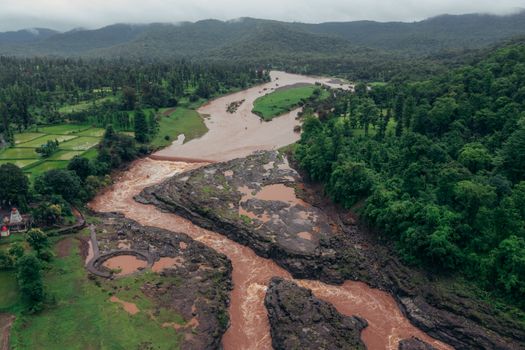
What I found wasn't endless downpours and despair, but a vibrant, emerald-green paradise, washed clean and alive with a profound energy. The air hummed with freshness, the waterfalls roared with newfound power, and the scent of wet earth and blooming jasmine filled my senses. The best part? The crowds were gone. The prices were slashed. And I found myself sharing chai with locals who, initially surprised to see a tourist, soon opened up, sharing stories and taking me to places that would never appear in a glossy guidebook.
This, my friends, is the magic of monsoon travel – an adventure most people avoid, and one that locals, quite understandably, don't want tourists to know about. They cherish these quieter months, the rejuvenation of their land, the return of their own rhythms. But if you're willing to step outside your comfort zone, embrace a little spontaneity, and prepare for an adventure unlike any other, the monsoon season holds a treasure trove of experiences waiting to be discovered.
The Great Monsoon Myth: Why Everyone Gets It Wrong
Let's debunk some myths right away. When people hear "monsoon," they often picture endless, torrential downpours, flooded streets, and a general sense of gloom. While some regions do experience heavy, sustained rain, for the most part, monsoon season is characterized by intermittent showers, often followed by bright sunshine. Think of it as nature's refreshing shower – washing away the dust, invigorating the landscape, and leaving behind a world of vibrant greens.
What you won't find are shoulder-to-shoulder crowds at popular attractions. You won't struggle to find a quiet spot for a coffee or haggle over inflated prices. Hotels, flights, and even local tours often offer significant discounts during this period, making it a dream for budget-conscious travelers. Instead of battling selfie sticks, you'll find yourself immersed in the authentic rhythm of local life, witnessing cultural events and daily routines undisturbed by mass tourism. The air is cleaner, the temperatures are often milder after a shower, and the world just feels… more alive. It’s a sensory feast that the dry season simply can’t replicate.
Why Locals Cherish the Rains (and Keep It Quiet)
Imagine living in a place that's beautiful year-round, but truly comes alive after months of dry heat. For many locals, the monsoon is a sacred time. It replenishes the land, brings relief from the heat, and ensures the harvest. It’s a period of introspection, family gatherings, and traditional festivals that often go unnoticed by the typical tourist hordes.
When you travel during the monsoon, you're not just a tourist; you're often a guest. Locals are more relaxed, more open, and more willing to share their culture when they're not overwhelmed by peak season demands. This is where the real connections happen. I remember sitting in a tiny tea shop in Munnar, Kerala, watching the mist roll in over the tea plantations, and the shop owner, a kind man named Raj, offered me a homemade ginger biscuit and spent an hour telling me stories of his childhood. These are the moments that truly enrich your travels, and they are far more likely to occur when the tourist rush subsides. They keep it quiet because it’s their time, a respite, a moment to reconnect with their land and traditions without external pressures.
Unveiling the Green Canvas: Best Destinations for Monsoon Magic
So, where exactly should you go to experience this hidden magic? While many destinations transform, a few truly shine during the monsoon.
1. The Western Ghats, India (Kerala, Goa Hinterlands, Coorg)
- Kerala: My personal favorite. The backwaters of Alleppey become even more serene, surrounded by lush paddy fields. The Ayurvedic treatments are considered most effective during the monsoon, as the body is more receptive. Imagine a rejuvenating massage followed by a traditional sadya meal, all while the gentle rain patters outside your houseboat window. Athirappilly Falls, often called "The Niagara of India," transforms into a roaring spectacle, best viewed from a distance, feeling the spray on your face. Homestays in places like Wayanad or Munnar offer incredible deals, often including guided treks through spice plantations and misty tea estates. A week-long Ayurvedic package, which might cost $1000 in peak season, could drop to $600-700 during the rains.
- Goa Hinterlands: Beyond the beaches (which are still beautiful, albeit with rougher seas), lies a lush, forested interior. Dudhsagar Falls, on the border of Goa and Karnataka, becomes a magnificent milky white cascade. Wildlife sanctuaries like Bhagwan Mahavir and Mollem National Park burst with life, and you can often spot unique bird species. Rent a scooter (carefully!) and explore the quiet villages, discovering ancient temples and hidden spice farms.
- Coorg (Karnataka): Known as the "Scotland of India," Coorg's rolling hills, coffee plantations, and waterfalls are at their most enchanting during the monsoon. The Abbey Falls and Iruppu Falls are particularly impressive. Homestays here are abundant and offer a chance to experience Kodava culture firsthand. A night in a charming Coorg homestay typically costs around INR 2000-3500 ($25-45) during monsoon, compared to INR 4000-6000 ($50-75) in peak season.
2. Meghalaya, India: The Abode of Clouds
This Northeastern state is one of the wettest places on Earth, home to Cherrapunji and Mawsynram. Far from being a deterrent, the constant mist and rain create an otherworldly landscape.
- Living Root Bridges: These incredible bio-engineered bridges, grown by the local Khasi people, are best experienced in the wet season when the surrounding forests are intensely green and the rivers flow strong beneath them. The trek to Nongriat to see the Double Decker Root Bridge is challenging but immensely rewarding. Hire a local guide (around INR 1500-2000 for a day) who can navigate the slippery paths and share insights into this unique culture.
- Waterfalls & Caves: Meghalaya boasts countless waterfalls, many of which are truly spectacular during the monsoon. Elephant Falls, Nohkalikai Falls (India's tallest plunge waterfall), and Seven Sisters Falls are awe-inspiring. Exploring the limestone caves, like Mawsmai Cave, offers a thrilling adventure, but be prepared for damp conditions and potential slippery surfaces.
3. Northern Thailand (Chiang Mai, Pai)
While not as intense as the Indian monsoon, Thailand's rainy season (roughly May to October) brings a refreshing vibrancy to the north.
- Lush Rice Paddies: The iconic rice terraces around Chiang Mai and Pai turn a brilliant emerald green, a photographer's dream. Trekking through these fields, often accompanied by local guides, is a serene and beautiful experience.
- Waterfall Hikes: Waterfalls like the sticky Bua Tong Falls or the multi-tiered Mae Sa Falls are at their fullest. You'll find fewer tourists, making for a more intimate encounter with nature.
- Cooking Classes & Cultural Immersion: With fewer tourists, it's easier to connect with locals. Take a traditional Thai cooking class, visit local markets, or participate in a meditation retreat without the usual crowds. Expect prices for guesthouses to drop by 20-30%, from 600-800 THB to 400-600 THB ($11-17) per night.
4. Vietnam (Sapa, Ha Giang Loop)
Northern Vietnam's mountainous regions are transformed by the rains.
- Sapa's Terraced Fields: The rice terraces here are breathtakingly green, and the mist adds a mystical quality to the landscape. Trekking through the villages of ethnic minorities like the H'mong and Dao is a profound cultural experience, and the cooler temperatures make hiking more comfortable.
- Ha Giang Loop: This epic motorcycle journey becomes an adventure of a lifetime. While challenging due to potentially slippery roads, the views of limestone karsts shrouded in mist, roaring rivers, and vibrant green valleys are unparalleled. I rode a semi-automatic scooter here, paying about 150,000 VND ($6.50) per day, and the views of the Nho Que River cutting through the mountains were absolutely unforgettable, especially with the dramatic cloud formations.
Adventure Awaits: Activities You Can ONLY Experience in Monsoon
The rainy season isn't about hunkering down; it's about embracing a whole new set of adventures.
- Waterfall Chasing: This is hands down the number one monsoon activity. From the thunderous cascades of Athirappilly in Kerala to the serene beauty of Kuang Si Falls in Laos, waterfalls are at their most magnificent. The sound, the spray, the sheer power – it’s an experience that awakens the senses. Just remember to check local safety advisories, as some areas might become dangerous after heavy rains.
- Trekking Through Emerald Forests: Imagine hiking through a rainforest where every leaf glistens, the air is thick with the scent of damp earth, and tiny streams crisscross your path. The Western Ghats, Meghalaya, and the mountains of Northern Thailand offer incredible opportunities for jungle treks, often revealing unique flora and fauna that thrive in the wet conditions. Keep an eye out for vibrant insects, frogs, and maybe even a shy deer.
- Ayurvedic Rejuvenation: In places like Kerala, monsoon is considered the ideal time for Ayurvedic treatments. The humid, cool climate is believed to open the body's pores, making it more receptive to herbal oils and therapies. I indulged in a 3-day detox package for around $250, including massages, dietary consultations, and yoga – it felt like a complete reset for my body and mind.
- Photography Paradise: The soft, diffused light, the dramatic cloud formations, the intense greens, and the reflective surfaces create incredible photographic opportunities. Capture misty landscapes, powerful waterfalls, and the vibrant colors of local life against a fresh, clean backdrop. Pack a good rain cover for your camera!
- Culinary Delights: Many regions have specific monsoon-season foods – warming soups, spicy curries, and freshly brewed teas. Engage in cooking classes or simply explore local eateries that cater to the cooler, wetter weather. In Goa, I discovered a delicious fish curry cooked with specific monsoon vegetables that tasted unlike anything I'd had before.
Mastering the Monsoon: Practical Tips & Gear Essentials
Embracing the monsoon requires a little preparation, but it’s nothing an adventurous traveler can't handle.
- Waterproof Everything: This is your mantra.
- Rain Jacket & Pants: A good quality, breathable waterproof jacket is essential. Lightweight rain pants are also highly recommended for treks.
- Waterproof Backpack Cover & Dry Bags: Protect your electronics, passport, and important documents. I use multiple dry bags inside my backpack.
- Waterproof Shoes/Sandals: Forget your fancy sneakers. Opt for sturdy, quick-drying sandals (like Tevas or Chacos) or waterproof hiking boots with good grip. You'll be walking through puddles and mud.
- Quick-Dry Clothing: Leave the denim at home. Pack synthetic fabrics that dry quickly. Layers are key, as temperatures can fluctuate.
- Insect Repellent: Mosquitoes love the wet season. Carry a strong repellent and consider wearing long sleeves and pants, especially in the evenings.
- Power Bank: Power outages can happen, so a fully charged power bank for your phone is crucial.
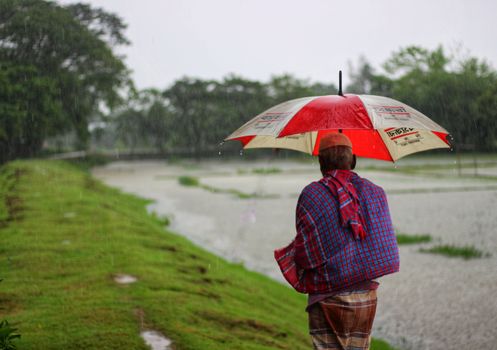
- Small Umbrella: Handy for quick dashes or light drizzles.
- Flexibility is Your Best Friend: Weather can change rapidly, and plans might need to be adjusted. Embrace the spontaneity! A delayed bus or a sudden downpour can lead to unexpected discoveries.
- Check Local Advisories: While I advocate for monsoon travel, safety always comes first. Be aware of any flood warnings, landslide risks, or areas that are genuinely unsafe during extreme weather.
- Hydration & Health: Drink plenty of bottled or filtered water. Be mindful of street food hygiene – stick to busy stalls where food is cooked fresh. Carry basic medications for colds, stomach upsets, and any personal needs.
- Cash: ATMs might be less reliable in remote areas during power cuts, so carry enough local currency.
- Embrace the Mud: You will get dirty. Your shoes will get muddy. Your clothes might get splashed. It's all part of the adventure!
Responsible Rains: Traveling Sustainably During Monsoon
Traveling off-season naturally reduces your environmental footprint by spreading tourism impact throughout the year. But we can always do more.
- Support Local Businesses: With fewer tourists, local businesses rely even more on the income from those who do visit. Choose local guesthouses, eat at family-run restaurants, and buy souvenirs directly from artisans.
- Minimize Waste: Carry a reusable water bottle and coffee cup. Dispose of waste responsibly, especially in natural areas. The rain can wash litter into waterways, exacerbating pollution.
- Respect Nature: Stay on marked trails during treks to prevent erosion. Avoid disturbing wildlife. Remember that these ecosystems are particularly fragile during the wet season.
- Be Mindful of Infrastructure: Heavy rains can strain local infrastructure. Be patient with delays, understand that services might be limited, and avoid adding unnecessary pressure on resources.
- Cultural Sensitivity: Participate respectfully in local festivals and traditions. Ask for permission before taking photos of people. Your presence during their "off-season" can be a unique opportunity for deeper cultural exchange, so approach it with an open mind and heart.
The Unforgettable Call of the Rain-Washed World
Monsoon travel isn't for everyone. It requires a certain spirit of adventure, a willingness to adapt, and a genuine curiosity beyond the polished tourist brochures. But for those who dare, it offers something truly special: a chance to see destinations in their most authentic, vibrant, and often breathtaking state. You’ll avoid the crowds, save money, and forge deeper connections with both the land and its people.
My monsoon adventures have given me some of my most cherished travel memories – the smell of fresh earth in the Western Ghats, the powerful roar of a rain-fed waterfall, the warmth of a local's smile over a cup of chai as the rain drummed softly on the tin roof. These are the secrets, the hidden gems, the experiences that transform a trip into a profound journey.
So, are you ready to ditch the predictable, embrace the unexpected, and uncover the monsoon magic that locals wish they could keep all to themselves?
What's your secret monsoon travel spot, or which destination are you now dreaming of visiting during the rainy season? Share your thoughts in the comments below!
---