Unveiling the Unwritten: My Quest for Artisan Secrets (and How You Can Find Yours)
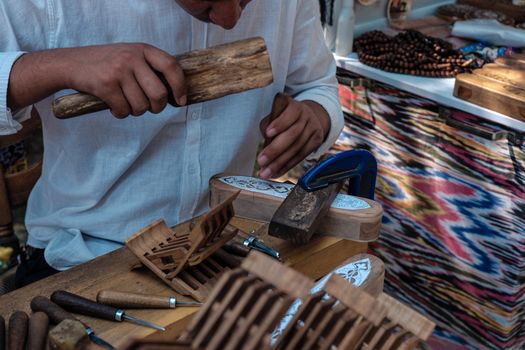
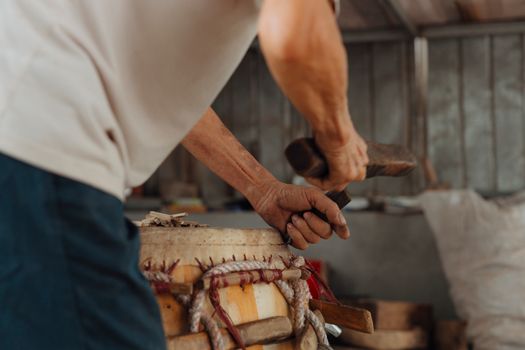
There’s a certain magic in the well-worn hands of a master artisan. A silent language spoken through generations, passed down with each careful stroke, each precise stitch, each deliberate tap. It’s a language you won't find in any tourist brochure, nor will you hear it shouted in a bustling marketplace. It’s the language of ancient crafts, preserved by those who cherish tradition, often in quiet corners locals might just prefer to keep to themselves.
I remember my first encounter with this quiet magic. I was lost – delightfully so – in the labyrinthine alleys of Fes el-Bali, Morocco. My guidebook was tucked away, useless against the sensory overload. The air was thick with the scent of leather, spices, and something else… something earthy and sweet. Following my nose and the distant tap-tap-tap of a hammer, I stumbled upon a small, unassuming door. Inside, an old man, his face a roadmap of wrinkles, sat cross-legged, meticulously hammering intricate patterns into a sheet of copper. He didn't speak English, I spoke little Arabic, but his eyes, twinkling over his spectacles, invited me in. For an hour, I watched, mesmerized, as he transformed metal into art. He offered me mint tea, and with gestures, showed me how he cleaned and polished the copper. It wasn't a formal class, but it was an education far richer than any museum exhibit. That day, I didn't just see a craft; I felt its soul.
That experience ignited a passion. I realized that the most profound travel memories aren't bought in gift shops; they're forged in shared moments, in the quiet exchange of knowledge, and in the creation of something beautiful with your own hands. This isn't about exploiting local secrets; it's about respectful immersion, about seeking genuine connection beyond the curated tourist experience, and about supporting artisans who are the living libraries of their culture. It’s about discovering those workshops and crafts that haven't been commodified for the masses – the ones locals truly value and preserve.
The Allure of the Undiscovered: Why Seek the "Unwritten" Workshops?
In an age of mass production and fleeting trends, there's a profound yearning for authenticity. We crave experiences that are real, tangible, and deeply rooted in a place's identity. Learning an ancient craft directly from a local artisan offers just that.
- Beyond the Souvenir: Forget generic fridge magnets. When you learn to weave a traditional pattern, carve a wooden mask, or hand-paint a ceramic tile, you're not just buying a souvenir; you're creating a story. Each imperfection tells of your effort, each brushstroke reflects the master's guidance. This is a tangible memory, imbued with personal meaning, and a direct connection to the culture you visited.
- Cultural Immersion at its Deepest: Language barriers melt away when hands are busy. You're not just observing; you're participating. You learn about the materials, the traditions, the superstitions, and the daily life of the community. You gain a respect that only comes from understanding the effort and history behind each piece.
- Supporting Local Heritage: Many traditional crafts are endangered, threatened by industrialization and a lack of interest from younger generations. By seeking out and learning from these artisans, you directly contribute to the preservation of cultural heritage and provide vital income to those dedicated to keeping these traditions alive. It's sustainable tourism in its purest form.
- A Slow Travel Revelation: These workshops aren't about ticking boxes; they're about slowing down, focusing, and connecting. They force you to be present, to engage your senses, and to appreciate the intricate beauty of human skill. It's a mindful journey that contrasts sharply with the hurried pace of conventional sightseeing.
How to Find the Unfindable: A Guide to Ethical Discovery
The phrase "locals don't want tourists to know" isn't about secrecy in a malicious sense. It’s about preserving authenticity, preventing over-commercialization, and protecting the quiet sanctity of their craft. So, how do you respectfully find these hidden gems without intruding? It requires patience, an open mind, and a genuine desire to connect.
- Go Beyond the Main Tourist Hubs: This is paramount. The workshops you're looking for won't be on the main shopping streets. Venture into residential neighborhoods, smaller villages outside the city center, or less-frequented parts of the old town. Look for unassuming storefronts, open doors, or the sounds of work.
- Ask, But Ask Smartly: Don't just ask your hotel concierge for a "craft workshop." They'll likely point you to the biggest, most tourist-oriented places. Instead, ask local shopkeepers (especially those selling local goods, not mass-produced items), restaurant owners, or even your Airbnb host if they know of any "traditional artisans" or "people who still make things by hand" in the neighborhood. Frame it as wanting to "learn about their culture" or "support local artists."
- Local Guides are Gold: Hiring a local, independent guide for a day, especially one who specializes in cultural tours or off-the-beaten-path experiences, can be invaluable. They have the local knowledge, the language skills, and often the personal connections to introduce you to artisans they know and trust. Be clear about your interests: you want to learn, not just shop.
- Community Centers and Cultural Organizations: In many countries, local cultural centers, heritage foundations, or even universities often have programs aimed at preserving traditional crafts. They might offer workshops or be able to connect you with artisans. A quick online search for "cultural heritage [city name]" or "traditional crafts [city name]" can sometimes yield surprising results.
- Learn a Few Local Phrases: Even a simple "Hello," "Thank you," "Do you teach?" and "Beautiful work" in the local language can open doors. It shows respect and a willingness to engage on their terms. Google Translate is your friend!
- Look for Signs (Literally and Figuratively): Keep an eye out for small, hand-painted signs, piles of raw materials outside a door, or distinctive sounds (looms clacking, hammers tapping, pottery wheels whirring). Sometimes, the workshop is also the artisan's home.
- Be Patient and Respectful: These aren't always formal "schools." You might need to visit a few times, introduce yourself, express genuine interest, and let the relationship build naturally. Offer to pay for their time, even if it's just for watching and asking questions initially.
Crafting Stories: My Journey into Moroccan Leather Tanning & Dyeing
My Fes encounter ignited a spark, leading me on a deliberate quest in Marrakech. I wanted to understand the vibrant, natural dyes used in Moroccan leather goods, far from the chemical-laden tanneries often shown to tourists. After days of asking around, a friendly spice vendor in the Mellah (the old Jewish quarter) whispered a name and pointed down a narrow alley.
It led me to a small, enclosed courtyard, surprisingly quiet despite being in the heart of the medina. Here, I met Fatima, a woman in her late 60s, her hands stained with indigo and henna. She didn't have a formal workshop for tourists; she had a family business, passed down for generations, dyeing small batches of leather for local shoemakers and bag makers. Through a young boy who spoke a little French, I explained my fascination. Fatima, initially reserved, softened. She saw my genuine curiosity, not just another tourist looking for a quick photo op.
For three glorious afternoons, I sat with her. She showed me how they extracted pigments from saffron, pomegranate, mint, and indigo. I learned to crush dried flowers, mix pastes, and carefully apply them to supple leather, watching the colors bloom under her expert guidance. The air was fragrant with herbs and earth. We shared mint tea, spoke in broken phrases and smiles, and I learned about her family, her life, and the deep respect she held for her craft.
- Location: A small, unnamed courtyard in the Mellah, Marrakech, Morocco. (Finding it required asking multiple locals and a bit of luck).
- Craft: Traditional natural leather dyeing.
- Details: The process was slow, meticulous, and entirely organic. Fatima taught me about the different mordants they used (like alum or iron sulfate) to fix the dyes, and how the seasons influenced the availability of certain plants. I helped stir dye vats, stretched small pieces of leather, and learned to appreciate the subtle variations in color that only natural dyes can produce.
- Cost: There wasn't a set price. I offered Fatima 800 Moroccan Dirhams (approx. $80 USD) for my three afternoons, which she initially refused, saying my company was enough. I insisted, explaining it was for her time and expertise, and also bought several small, naturally dyed leather pieces directly from her. This felt like a fair exchange for the invaluable experience.
Weaving Traditions: The Spiritual Art of Backstrap Weaving in the Guatemalan Highlands
My journey then took me to the vibrant, spiritual highlands of Guatemala, specifically to a small K'iche' Mayan village near Chichicastenango. Here, the art of backstrap weaving is not just a craft; it's a way of life, a form of storytelling, and a deep connection to ancestral traditions.
I stayed with a local family through a community tourism initiative. My host mother, Elena, was a master weaver. Her small, humble home had a dedicated space where she set up her backstrap loom. This simple yet ingenious device, strapped around her waist and tied to a post, allowed her to control tension with her own body.
Elena taught me the basics of backstrap weaving: how to prepare the cotton, set up the loom, and execute the intricate brocade patterns that tell stories of Mayan cosmology, nature, and daily life. Each design, each color combination, held profound meaning. I spent hours, fingers fumbling at first, then slowly gaining rhythm, trying to replicate the geometric patterns she effortlessly created. The process was meditative, almost spiritual, as I felt connected to generations of Mayan women who had practiced this same art.
- Location: A small K'iche' Mayan village near Chichicastenango, Guatemalan Highlands. (Arranged through a local community tourism cooperative).
- Craft: Traditional backstrap weaving and natural cotton dyeing.
- Details: We used naturally dyed cotton threads, some of which Elena had dyed herself using cochineal insects for reds and indigo for blues. She explained the symbolism of different patterns – the diamond representing the universe, the zigzag for mountains, the bird for freedom. The physical effort of maintaining tension with my body was challenging but incredibly rewarding.
- Cost: My weaving lessons were included in my homestay fee (approx. $30/night, including meals), which directly supported Elena's family and the community. I also purchased several beautifully woven textiles directly from her, ensuring she received the full benefit of the sale.
Beyond the Souvenir: The Deeper Meaning
These experiences transcend mere tourism. They are about:
- Mindfulness: The focused, repetitive nature of many crafts can be incredibly meditative, a refreshing antidote to our screen-filled lives.
- Personal Growth: Learning something new, especially a complex physical skill, builds confidence and resilience. It challenges you in ways typical travel often doesn't.
- Empathy and Connection: Sharing time and space with an artisan, even without perfect verbal communication, fosters a deep sense of shared humanity and mutual respect. You see the world through their eyes, understand their challenges, and appreciate their dedication.
- Cultural Preservation: By participating and paying fairly, you become a part of the solution, helping to ensure these precious traditions continue for future generations.
Practical Tips for Your Artisan Adventure
Ready to embark on your own quest for hidden workshops? Here’s what you need to know:
- Budget & Payment: Expect to pay fairly for the artisan's time, materials, and expertise. Prices can range from $40-$150 USD for a half-day session to $200-$500+ for multi-day intensive courses, depending on the craft, location, and the artisan's renown. Always clarify the cost upfront, and if there's no set price, offer what you feel is a generous and respectful amount. Direct payment is almost always preferred.
- Language Barrier: Don't let it deter you. Hand gestures, simple drawings, translation apps (Google Translate, iTranslate), and local guides can bridge the gap. Often, the craft itself becomes the language.
- Flexibility is Key: These aren't structured tourist operations. Workshops might be in someone's home, schedules might shift, and lessons might be informal. Embrace the spontaneity.
- Be Prepared: Bring a small notebook and pen to jot down observations or sketches. A camera (ask permission before taking photos, especially of people) can capture the magic, but sometimes just being present is more valuable. Wear comfortable clothes you don't mind getting a little dirty.
- Cultural Sensitivity: Always approach with humility and respect. Ask permission before touching tools or materials. Be mindful of local customs regarding dress, greetings, and personal space. A small, thoughtful gift from your home country can be a nice gesture, but never feel obligated.
- Safety: Stick to well-populated areas, even if they're off the main tourist drag. Inform someone of your whereabouts if venturing into very secluded areas. Trust your instincts.
Ethical Engagement and Sustainable Tourism
Your journey into these hidden workshops carries a responsibility. Remember:
- Pay Fairly: Do not haggle excessively. These are skilled individuals preserving heritage, not mass manufacturers. Your payment directly supports their livelihood and the continuation of their craft.
- Respect Their Space and Time: You are a guest. Be punctual, don't overstay your welcome, and respect any boundaries they set.
- Ask Permission for Photos: Always. Especially if photographing people. Some cultures have beliefs about photos, or simply prefer privacy. A "May I take a photo?" (in their language, if possible) goes a long way.
- Buy Directly: If you love their work, purchase items directly from the artisan. This ensures they receive the full profit, rather than a middleman.
- Share Responsibly: When you share your experiences online, consider if naming the exact, obscure location might inadvertently lead to over-tourism or commercialization that harms the authenticity you sought. Perhaps share the region or general experience, encouraging others to embark on their own respectful search.
Your Next Adventure Awaits
The world is rich with untold stories and forgotten skills, waiting to be rediscovered by those willing to look beyond the obvious. From the intricate silver filigree of Oaxaca, Mexico, to the delicate paper cutting of rural China, the possibilities are endless.
Learning an ancient craft is more than just a travel experience; it's a journey into the heart of a culture, a conversation across generations, and a testament to the enduring power of human creativity. These are the moments that transform a trip into a pilgrimage, a souvenir into a legacy.
So, next time you plan a trip, leave a little room for the unexpected. Tuck away your guidebook, engage with locals, and open yourself to the magic of the unwritten. You might just discover a hidden workshop, a new skill, and a piece of yourself you never knew was missing.
What ancient craft will you uncover first? Share your dreams and discoveries in the comments below, or tag us on social media with #TripsoraCrafts and inspire fellow travelers!
---