The Hook: A $60 Masterpiece in the Heart of Shinjuku
I stepped off the Shinkansen at Tokyo Station, the humid breath of the city mingling with the scent of toasted sesame oil and charcoal. My pocket was heavy with Yen—not because I’d struck it rich, but because the exchange rate had effectively handed me a 30% discount on the entire country.
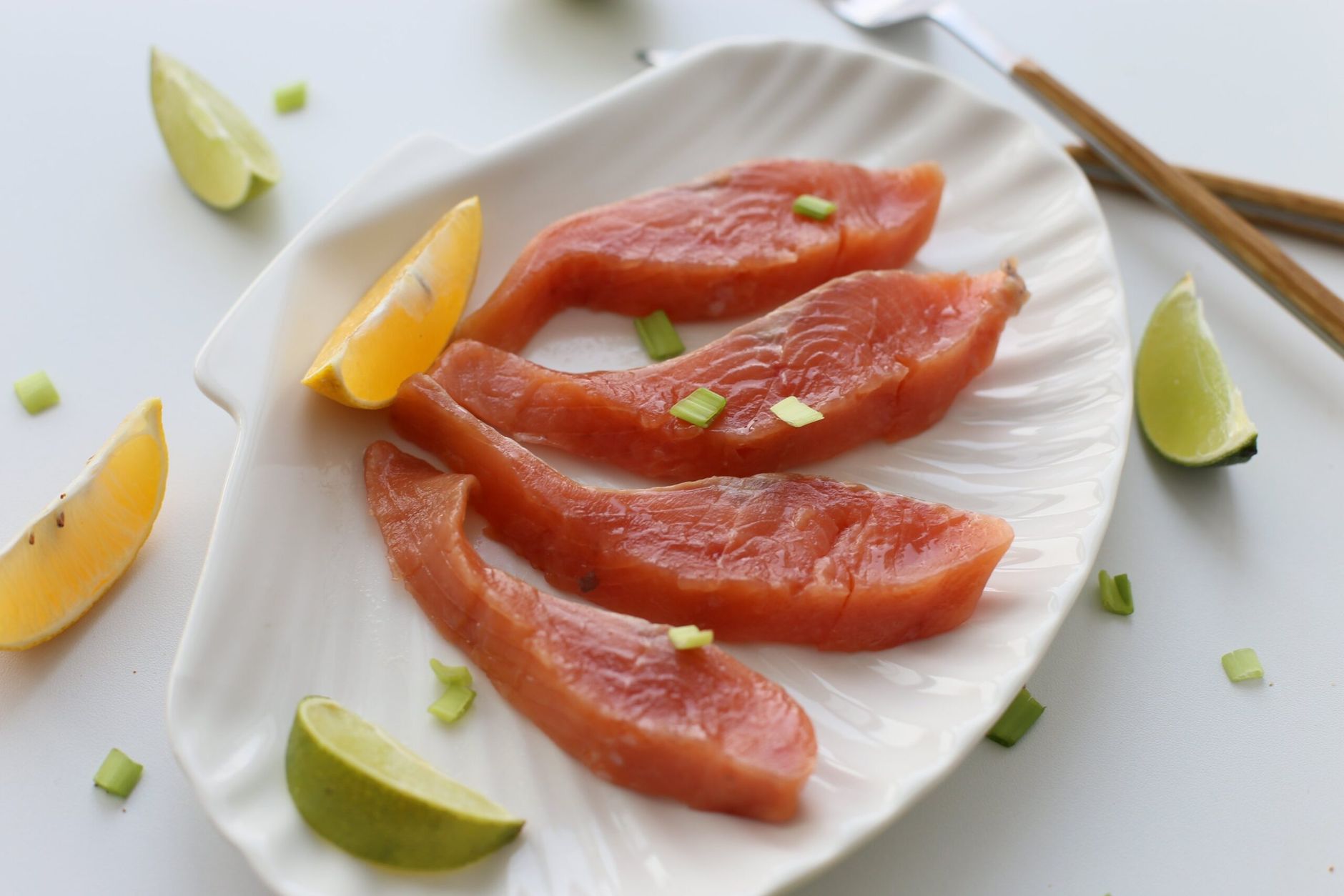
Two hours later, I was tucked into a cedar-wood counter at a one-star Michelin tempura spot. The chef placed a single, translucent prawn—fried in a batter so light it felt like sea foam—onto my plate. In Manhattan, this meal would have gutted my savings. Here, as I tapped my card and saw the conversion, I realized I’d just had a world-class tasting menu for the price of a mediocre steakhouse dinner back home.
The "Currency Arbitrage" of fine dining is real, and if you know where to fly, 2024 is the year you can eat like royalty on a middle-class budget.
1. Japan: The Land of the Falling Yen and Rising Flavors
Japan is currently the undisputed heavyweight champion of Michelin value. With the Yen hovering at multi-decade lows against the USD and Euro, the world’s most concentrated Michelin landscape is essentially on sale.
The Strategy: The "Lunch Peak" Pivot
While dinner at a three-star kaiseki temple in Kyoto can still run you $300, the lunch menus are the industry’s best-kept secret. Many one- and two-star establishments offer "Business Lunch" sets that are identical in quality to dinner but at 40% of the cost.
- The Spot: Nakiryu (Tokyo). Famous for its Michelin-starred Tantanmen.
- The Experience: You aren't just getting noodles; you’re getting a broth that takes three days to layer flavors of chicken, beef bones, and dried fish.
- Pro-Tip: Don't just show up. Use the TableCheck or OMAKASE apps. Most elite spots in Tokyo have migrated to these platforms to manage the influx of "currency tourists."
2. Vietnam: The New Frontier of the Red Guide
In 2023, Michelin finally dropped its first guide to Vietnam, and the timing couldn't be better. The Vietnamese Dong offers incredible purchasing power for Western travelers, and the culinary scene in Hanoi and Ho Chi Minh City is currently undergoing a massive "fine-dining" evolution.
Beyond the Pho: French Technique Meets Tropical Terroir
Vietnam’s Michelin stars aren't just about street food (though the Bib Gourmands are legendary). The high-end scene blends colonial French precision with indigenous ingredients like mắc khén (forest pepper) and fermented shrimp paste.
- The Spot: Gia (Hanoi). Led by Chef Sam Tran, this restaurant turns traditional Vietnamese flavors into modernist art.
- The Vibe: Housed in a building inspired by the Temple of Literature, the architecture alone is worth the visit.
- Pro-Tip: The "hidden entrance" is actually a deliberate design choice to mimic the narrow "tube houses" of Hanoi. Look for the minimalist wooden facade that looks more like a gallery than a bistro.
3. Thailand: High-Octane Gastronomy in Bangkok
Bangkok has long been a budget traveler's paradise, but its Michelin scene is surprisingly sophisticated. While the Thai Baht has been more resilient than the Yen, the sheer competition in Bangkok keeps prices for multi-course tasting menus significantly lower than in Europe.
The "Street-to-Star" Spectrum
You can dine at Jay Fai for the world’s most famous crab omelet, or you can head to the 61st floor of a skyscraper for avant-garde Thai.
- The Spot: Sorn (Bangkok). It is notoriously difficult to book, but it represents the pinnacle of Southern Thai cuisine.
- The Flavor: Expect heat. Not "tourist spicy," but "Southern Thai grandmother spicy." They use charcoal clay pots to cook rice, a technique almost lost to time.
- Pro-Tip: Follow their Instagram closely. They often announce last-minute cancellations on their Stories at 10:00 AM local time.
4. Hungary: Old World Luxury at New World Prices
If you want the white-tablecloth, crystal-glassware European Michelin experience without the Paris price tag, Budapest is your sanctuary. The Hungarian Forint has faced significant volatility, making Budapest one of the most affordable capitals in the EU for luxury seekers.
The Central European Renaissance
Hungarian chefs are moving away from heavy goulash and toward "farm-to-fork" concepts that utilize the incredible produce of the Carpathian Basin, like Mangalica pork and Tokaji wine.
- The Spot: Salt (Budapest). This is sustainable fine dining at its peak. Chef Szilárd Tóth forages many of the ingredients himself.
- The Detail: Try the house-made butter served with fermented bread. It sounds simple; it is life-changing.
- Pro-Tip: Book a seat at the chef’s counter. In Budapest, the "theatre" of the kitchen is part of the cost, and the chefs are surprisingly chatty compared to their French counterparts.
5. Argentina: The "Blue Dollar" Dining Hack
Note: Michelin recently launched in Buenos Aires and Mendoza.
Argentina is a unique case. While inflation is high, the "Blue Dollar" (the unofficial exchange rate) gives travelers using USD an almost comical amount of leverage.
The Meat Mecca
Michelin stars in Argentina focus heavily on the Parrilla (grill) culture and the incredible wines of the Uco Valley.
- The Spot: Don Julio (Buenos Aires). Recently awarded a Michelin star, this is arguably the best steakhouse on the planet.
- The Logistics: Even with a star, the price of a premier grass-fed ribeye and a bottle of world-class Malbec will feel like a bargain compared to a mid-tier bistro in London.
- Pro-Tip: Show up at 6:30 PM to put your name on the list for the second seating, then head to a local vermuteria nearby.
The Budget/Logistics: Quick Facts Table
| Country | City | Avg. Michelin Lunch ($) | Avg. Michelin Dinner ($) | Best Booking Tool | Currency Advantage Level |
| :--- | :--- | :--- | :--- | :--- | :--- |
| Japan | Tokyo | $40 - $80 | $150 - $300 | OMAKASE / TableCheck | Extreme (Yen Lows) |
| Vietnam | Hanoi | $30 - $60 | $100 - $180 | WhatsApp / Direct | High (Strong USD/VND) |
| Thailand | Bangkok | $50 - $90 | $120 - $250 | Chope / Instagram | Medium-High |
| Hungary | Budapest | $45 - $75 | $110 - $200 | DiningCity | High (Forint Volatility) |
| Argentina| Buenos Aires| $35 - $70 | $90 - $160 | Meitre | Variable (Blue Dollar) |
Authenticity: How to Eat Like an Insider
To truly master this, you need to look past the stars. In Japan, look for "Tabelog" ratings. A score of 3.5 or higher on Tabelog is often more prestigious among locals than a Michelin star. In Vietnam, don't be afraid of the "plastic stool" spots that earned a Bib Gourmand—the Bun Cha at Huong Lien (where Obama ate) is still world-class.
When you're at these high-end tables, remember that you are a guest in a culture of precision. In Tokyo, don't wear heavy perfume—it interferes with the delicate aroma of the fish. In Budapest, it’s polite to clink glasses with beer, despite the old myth that Hungarians don't do it.
The Final Word
The window for these currency advantages is never permanent. Central banks shift, economies recover, and prices adjust. But right now, the map is tilted in favor of the hungry traveler. Whether it's a 20-course omakase in Ginza or a modernist reimagining of forest foraging in Hanoi, the world’s best food is currently on sale. Pack your bags, bring your appetite, and leave the "budget traveler" guilt at the gate.
---