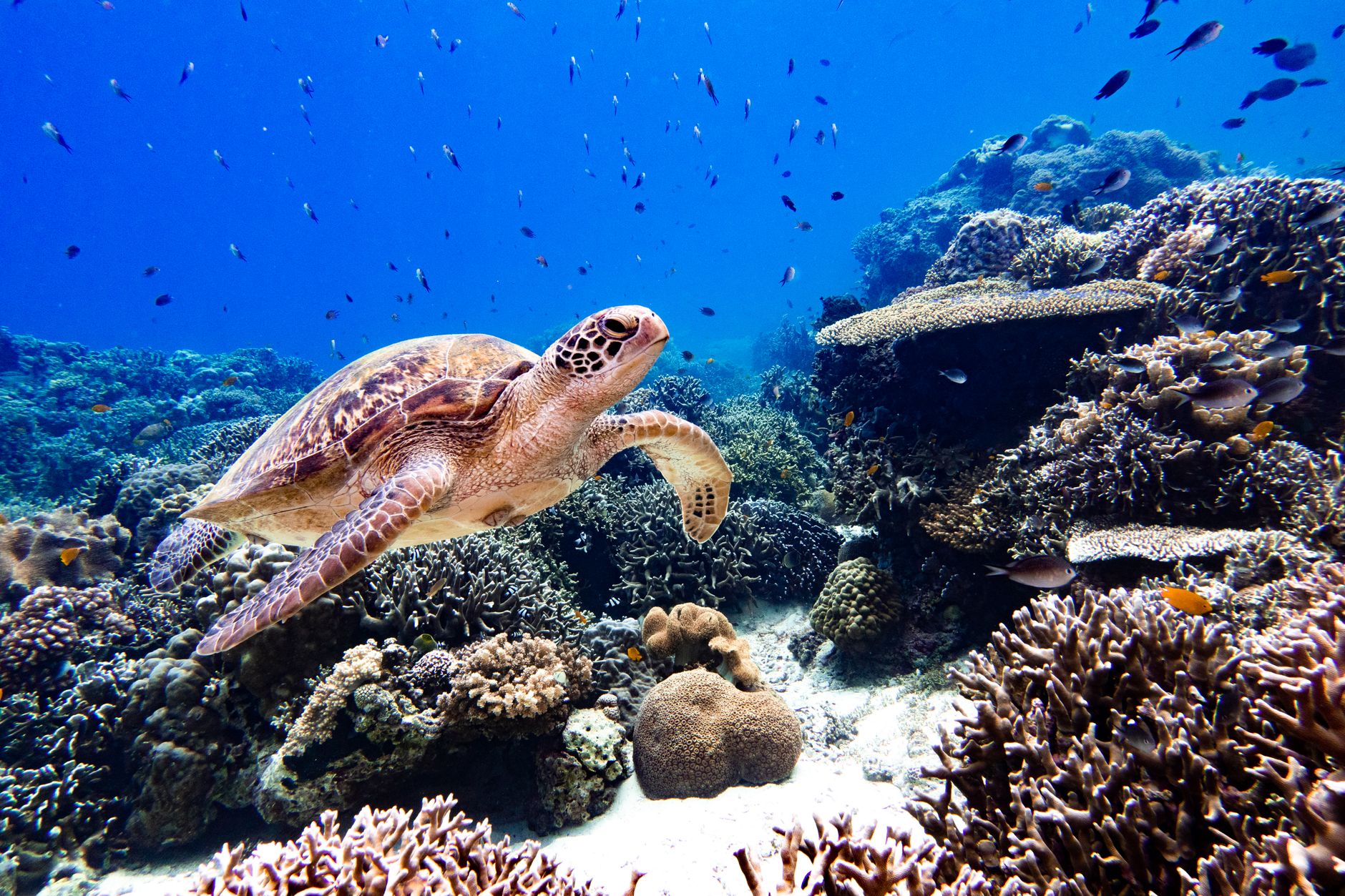
The Chill of Adventure: Embracing Winter's Call to the Ocean
I stepped off the ferry, the salty spray kissing my face, a bracing welcome that instantly dispelled the lingering city chill. The air, crisp and clean, carried the faint, invigorating scent of kelp and distant pine. Below, the water, a shimmering mosaic of sapphire and emerald, beckoned with an unspoken promise of discovery. This wasn't just any coastal getaway; this was the prelude to a mission, a chance to become part of something bigger than myself, right here in a marine protected area (MPA) buzzing with winter activity and ripe for citizen science.
Winter, often relegated to ski slopes and mulled wine, holds a secret allure for the intrepid traveler and the eco-conscious explorer. It's a time when the crowds thin, nature reclaims its quiet grandeur, and the ocean, in its majestic, untamed winter glory, offers unique opportunities to connect with its vital ecosystems. And for those of us who crave more than just a pretty view, there’s the exhilarating prospect of citizen science.
Why Winter is the Unexpected MVP for Marine Citizen Science
You might think of marine research as a summer affair, but winter brings its own unique set of advantages for citizen scientists. The cooler temperatures often mean clearer waters in many regions, offering unparalleled visibility for underwater observations. Furthermore, certain marine species become more concentrated or visible during these months, making your contributions even more impactful. Think of migrating whales, resident seal colonies, or the fascinating adaptations of intertidal life during low tides.
Beyond the ecological benefits, winter travel to MPAs often means a more intimate experience. Fewer tourists translate to less disturbance for wildlife and a more authentic connection with local communities dedicated to conservation. It’s a chance to truly immerse yourself, to feel the pulse of the ocean without the usual hustle and bustle.
Trending MPAs: Where Your Winter Wanderlust Meets Conservation Impact
This winter, a handful of marine protected areas are shining a spotlight on citizen science, offering unforgettable experiences that blend adventure, education, and tangible conservation efforts. These aren't just destinations; they are hubs of active participation, inviting you to roll up your sleeves (or don your fins!) and make a difference.
1. The Salish Sea's Silent Giants: Orca & Whale Monitoring in the Pacific Northwest
The Hook:
Imagine the deep, resonant boom of a humpback whale's breath echoing across the glassy winter sea, the sleek, dark dorsal fin of an orca slicing through the water just meters away. The air is alive with the cries of gulls and the distant, haunting call of seals. This is the Salish Sea in winter, a breathtaking spectacle of marine mammal activity and a prime location for citizen science.
The Meat:
The Salish Sea, straddling the border between Canada and the United States, is a critical migration corridor and feeding ground for various whale species, including orcas, humpbacks, and gray whales. Several MPAs within this region actively engage the public in vital monitoring efforts. Your mission, should you choose to accept it, involves documenting sightings, recording behaviors, and collecting crucial data that helps researchers understand population dynamics, migration patterns, and the impact of human activity.
Pro-Tips:
* "Look for the 'blow'": Whale breath plumes are often the first sign. Keep your eyes peeled.
* "Listen to the locals": Many boat tours are run by seasoned naturalists who can point out prime viewing spots and share insights.
* "The 3 R's: Record, Report, Respect": Always maintain a safe and respectful distance from marine mammals.
Quick Facts:
* Estimated Costs ($): $200-$600 per day (including accommodation, boat tours, and food).
* Best Time to Visit: November to March for peak whale sightings.
* How to Get There: Fly into Seattle-Tacoma International Airport (SEA) or Vancouver International Airport (YVR) and take ferries or drive to various coastal towns like Friday Harbor, Port Angeles, or Victoria.
2. Australia's Great Barrier Reef: Coral Champions in the Southern Hemisphere
The Hook:
The sun, a warm caress on your skin, glints off the turquoise water. Slipping beneath the surface, you're greeted by a kaleidoscope of color – vibrant corals, schools of iridescent fish, and the gentle sway of anemones. The muffled sounds of your own breathing are the only intrusions in this underwater paradise. But this paradise needs protectors, and this winter, you can be one.
The Meat:
While the Great Barrier Reef is synonymous with summer diving, the Australian winter (June-August) offers a less humid, more comfortable climate for exploration and citizen science. Many research institutions and eco-tourism operators offer programs focused on reef health monitoring. You could be participating in coral health surveys, identifying fish species, documenting the presence of invasive species, or even assisting in coral outplanting initiatives.
Pro-Tips:
* "The early bird gets the calm seas": Mornings often offer the best visibility and calmest conditions.
* "Know your corals": Familiarize yourself with common coral types before you go; many programs provide guides.
* "Leave only bubbles, take only data": Strict adherence to no-touch policies is paramount.
Quick Facts:
* Estimated Costs ($): $300-$800 per day (depending on liveaboard or resort packages).
* Best Time to Visit: June to August for pleasant weather and excellent visibility.
* How to Get There: Fly into Cairns (CNS) or Proserpine (PPP) and connect to reef tours or islands.
3. The Azores: Cetacean Detectives in the Mid-Atlantic
The Hook:
The scent of salt and volcanic earth hangs in the air. As your boat cuts through the Atlantic swell, the horizon is a vast, unbroken expanse of deep blue. Then, a spout! A majestic sperm whale surfaces, its fluke a dark silhouette against the pale winter sky. The Azores in winter are a haven for whale watchers and citizen scientists alike.
The Meat:
This Portuguese archipelago, smack-dab in the middle of the Atlantic, is a renowned hotspot for cetacean diversity. Winter is an excellent time to spot resident sperm whales, as well as migrating fin whales and blue whales. Several organizations offer "whale watching with a conscience" tours where you can actively contribute to data collection. This might involve identifying individual whales (based on unique markings), logging their positions and behaviors, and learning about the challenges they face from human activities.
Pro-Tips:
* "Embrace the swell": The Atlantic can be lively in winter; seasickness remedies are your friend.
* "Patience is a virtue": Whale sightings can be elusive; enjoy the journey and the stunning volcanic landscapes.
* "Download the app": Many organizations use dedicated apps for real-time data logging.
Quick Facts:
* Estimated Costs ($): $150-$400 per day (including accommodation, boat trips, and local transport).
* Best Time to Visit: October to April for sperm whale sightings; January to March for baleen whales.
* How to Get There: Fly into Ponta Delgada (PDL) on São Miguel Island or Terceira (TER).
4. The Galapagos Islands: Unique Wildlife Surveys in a Living Laboratory
The Hook:
The raw, primal scent of volcanic rock and sea salt fills your nostrils. You're walking amongst marine iguanas, ancient creatures basking on the black lava, and sea lions playfully darting through the crystal-clear shallows. The Galapagos, a living laboratory of evolution, offers unparalleled opportunities for citizen science, even in its quieter winter months.
The Meat:
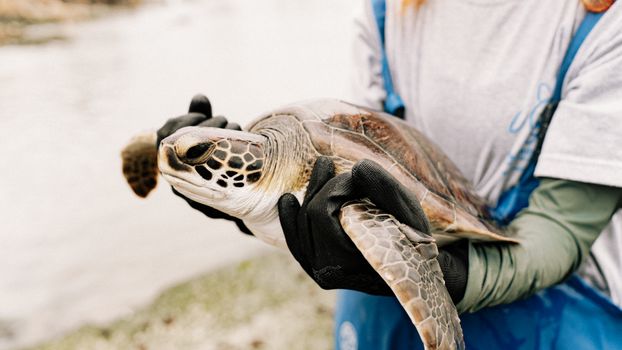
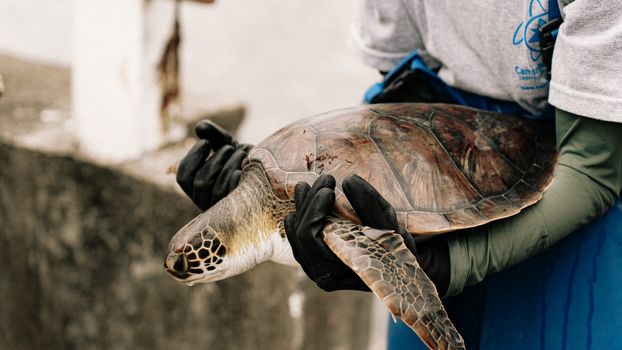
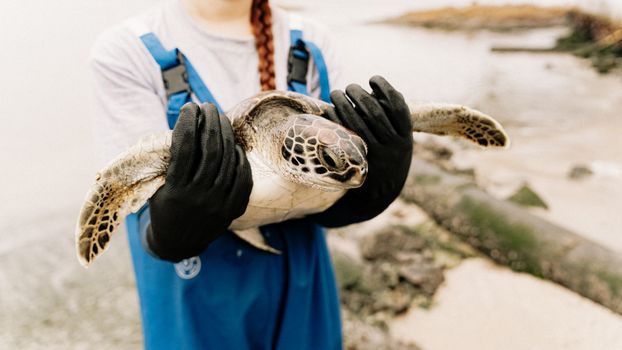
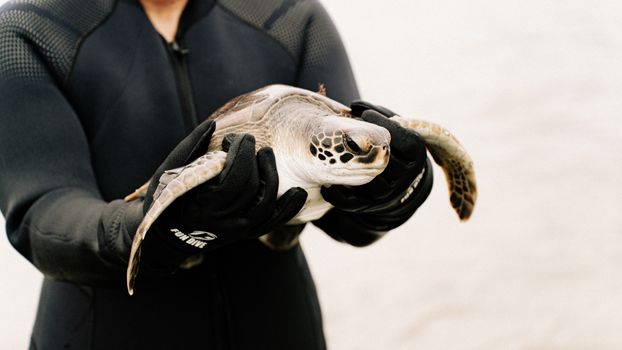
While not strictly "winter" in the northern hemisphere sense, the Galapagos experiences its "cool-harmattan" season from June to November, which is often preferred by divers due to calmer seas and rich marine life. Various research stations and responsible tour operators collaborate with visitors on projects ranging from sea turtle nesting surveys (though nesting is more prolific in warmer months, monitoring continues) to marine iguana counts and invasive species identification. Your participation directly supports the ongoing conservation of this UNESCO World Heritage site.
Pro-Tips:
* "Respect the 'Darwin's Rules'": Always maintain the mandatory 2-meter distance from wildlife.
* "Listen to your naturalist guide": They are your key to understanding the island's unique ecology and your role in its preservation.
* "Pack for all climates": Even in the cool season, the equatorial sun can be intense.
Quick Facts:
* Estimated Costs ($): $500-$1000+ per day (cruises are popular and often all-inclusive).
* Best Time to Visit: June to November for cooler temperatures and excellent diving conditions.
* How to Get There: Fly into Baltra Airport (GPS) or San Cristobal Airport (SCY) from mainland Ecuador (Quito or Guayaquil).
5. The Channel Islands National Park: California's "Galapagos" in Miniature
The Hook:
The crisp Pacific air carries the scent of wild sage and the briny tang of the ocean. As you approach Santa Cruz Island, the dramatic sea cliffs rise majestically, and the sound of crashing waves is a constant, soothing rhythm. This is California's "Galapagos," a haven for biodiversity and a prime spot for accessible winter citizen science.
The Meat:
Just off the coast of Southern California, the Channel Islands National Park is a sanctuary for unique flora and fauna, both on land and in its surrounding waters. Winter offers a fantastic opportunity to explore these islands with fewer crowds. Citizen science initiatives here often focus on intertidal zone surveys, bird counts (especially migratory species), and marine mammal sightings. Many accessible programs depart from Ventura or Santa Barbara.
Pro-Tips:
* "Check the ferry schedule": Inter-island ferries are weather-dependent, especially in winter.
* "Dress in layers": Coastal California weather can change rapidly.
* "Bring binoculars!": Essential for spotting seabirds and distant marine life.
Quick Facts:
* Estimated Costs ($): $100-$300 per day (including ferry tickets, park entrance fees, and food).
* Best Time to Visit: Year-round, but winter offers fewer crowds and good opportunities for birdwatching and intertidal exploration.
* How to Get There: Take a ferry from Ventura Harbor or Channel Islands Harbor.
Your Role in the Blue Economy: More Than Just a Tourist
Participating in citizen science isn't just about ticking off a bucket list item; it's about becoming an active steward of our planet's most precious resource: the ocean. The data you collect, no matter how small it may seem, contributes to a larger, more comprehensive understanding of marine ecosystems. This information is vital for:
- Informing Conservation Policies: Helping governments and organizations make better decisions about protecting vulnerable areas and species.
- Tracking Climate Change Impacts: Monitoring changes in species distribution, coral health, and ocean temperatures.
- Identifying Threats: Spotting pollution, invasive species, or unusual wildlife behavior that might otherwise go unnoticed.
- Raising Awareness: Your personal stories and photos can inspire others to care about ocean conservation.
The beauty of citizen science in these MPAs is that it's designed for everyone. You don't need a Ph.D. in marine biology. Enthusiasm, a willingness to learn, and a keen eye are often all that's required.
Planning Your Winter Eco-Adventure: Practical Tips for the Conscious Traveler
Embarking on a citizen science expedition requires a little more planning than a typical vacation, but the rewards are immeasurable.
- Research is Key: Before booking, thoroughly research the specific citizen science programs offered by MPAs. Look for reputable organizations with clear objectives and established protocols.
- Book in Advance: Especially for popular programs or during peak winter travel times, book your accommodation, tours, and program participation well in advance.
- Pack Appropriately: This means waterproof gear, layers, sturdy footwear, sun protection (even in winter!), and any personal medications. For diving or snorkeling, ensure you have appropriate thermal protection.
- Embrace the Local Culture: Engage with the local communities. Many coastal towns have a deep connection to the sea and can offer invaluable insights and support for your eco-adventures. Try the local seafood, learn a few phrases, and respect local customs.
- Be Flexible: Winter weather can be unpredictable. Be prepared for potential changes in schedules or activities and maintain a positive attitude.
- Leave No Trace: This is paramount. Minimize your environmental footprint by reducing waste, avoiding single-use plastics, and respecting all wildlife and natural habitats.
The Digital Footprint: Sharing Your Impact
Your journey doesn't end when you leave the MPA. Share your experiences! Post your incredible photos and stories on social media using relevant hashtags like #CitizenScience #MarineConservation #EcoTravel #WinterAdventures #ProtectOurOceans. Tag the organizations you worked with and encourage your followers to get involved. This digital advocacy is a powerful tool for raising awareness and inspiring future citizen scientists.
Beyond the Horizon: The Future of Citizen Science in MPAs
The trend towards accessible, impactful citizen science in marine protected areas is only set to grow. As technology advances and our understanding of the ocean's fragility deepens, these opportunities will become even more sophisticated and widespread. This winter, you have the chance to be at the forefront of this movement, to explore breathtaking landscapes, contribute to vital research, and return home with a profound sense of purpose and connection to our blue planet. So, what are you waiting for? The ocean is calling, and your adventure awaits!