Dive In: Your Passport to Emerging Marine Citizen Science Adventures This Year
I stepped off the ferry onto the sun-drenched pier, the salty spray kissing my face, and a symphony of gulls’ cries filled the air. The scent of brine and sun-baked wood was intoxicating. This wasn't just another picturesque island escape; this was the gateway to a mission, a chance to become a tiny, yet vital, cog in the grand machinery of ocean conservation. This year, the world of marine protected areas (MPAs) is buzzing with a thrilling new wave of citizen science opportunities, inviting us, the passionate travelers, to go beyond observation and actively contribute to the health of our blue planet. Forget just gazing at the coral; imagine being the one to document its health, to identify that elusive fish, to help shape its future.
The Rise of the Citizen Oceanographer: Why This Year is Different
For too long, the intricate work of marine research felt like an exclusive club, guarded by scientists with advanced degrees and specialized equipment. But the tide is turning. This year marks a significant surge in accessible, impactful citizen science projects within marine protected areas. Technology, a growing global awareness of ocean health, and a desire for authentic, meaningful travel experiences are converging. We're no longer just tourists; we're becoming citizen oceanographers, coastal custodians, and marine data collectors, all while experiencing some of the planet's most breathtaking underwater landscapes.
The beauty of these emerging programs lies in their inclusivity. You don't need a PhD in marine biology to make a difference. What you do need is a curious mind, a willingness to learn, and a deep respect for the ocean. These initiatives are meticulously designed to empower individuals like you and me to contribute valuable data that directly informs conservation strategies, helps monitor biodiversity, and ultimately protects these precious underwater sanctuaries for generations to come.
Spotlight: Emerging Hotspots for Citizen Science in 2024
The world is brimming with incredible MPAs, but this year, a few stand out for their innovative and accessible citizen science programs. These aren't just places to snorkel; they're living laboratories waiting for your contribution.
The Coral Guardians of the Mesoamerican Reef
The Hook:
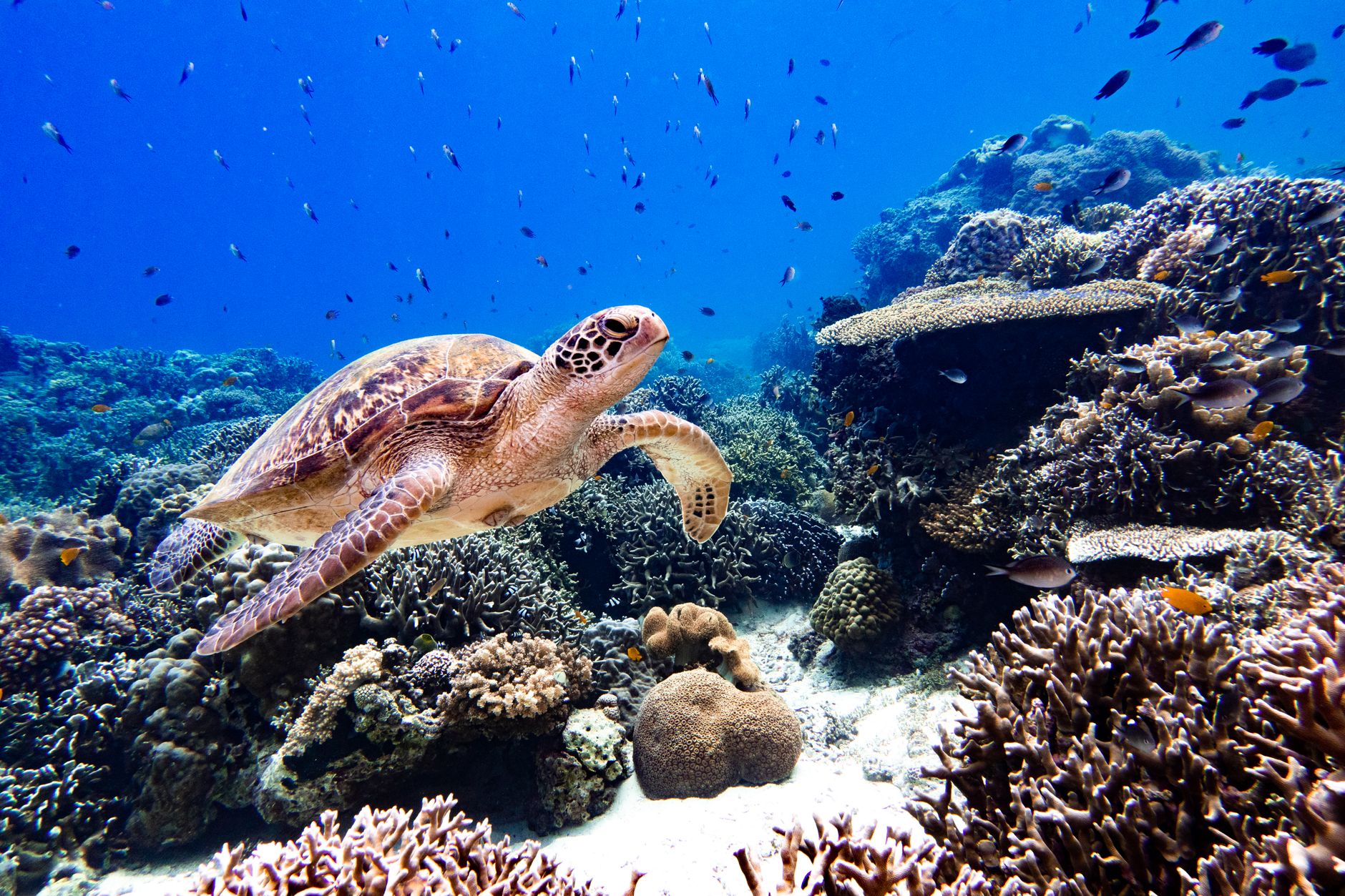
Picture this: vibrant parrotfish nibbling at algae, schools of iridescent damselfish darting through staghorn coral, and the gentle sway of sea fans. I remember my first dive here, the sheer explosion of color and life was overwhelming. But beneath the beauty, the reef faces threats.
The Meat:
This year, several conservation groups are launching expanded citizen science initiatives along the Mesoamerican Barrier Reef System, a UNESCO World Heritage site stretching across Mexico, Belize, Guatemala, and Honduras. Programs are focusing on coral health monitoring and fish population surveys. You'll be trained to identify different coral species, assess bleaching events, and even conduct visual census of key fish species. The data you collect helps scientists track the reef's resilience and inform local management decisions.
Pro-Tip:
Look for programs based in Placencia, Belize, or Mahahual, Mexico. Many offer integrated dive packages that include training and research dives. Visit in the dry season (December to April) for the clearest water and best visibility.
Quick Facts: Coral Guardians
- Estimated Costs ($): $500 - $2000+ (depending on program length, accommodation, and dive certifications)
- Best Time to Visit: December - April (dry season)
- How to Get There: Fly into Cancún (CUN) or Belize City (BZE), then take local buses or ferries to coastal towns.
The Sea Turtle Trackers of the Galápagos Islands
The Hook:
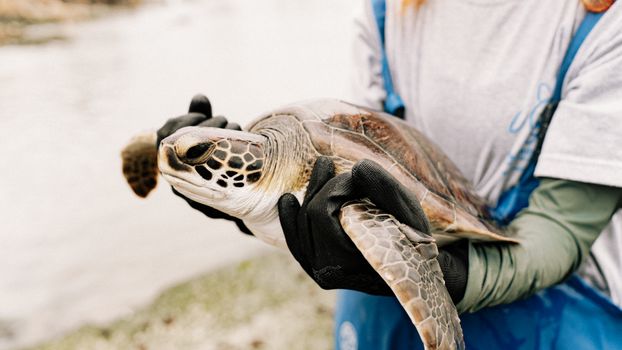
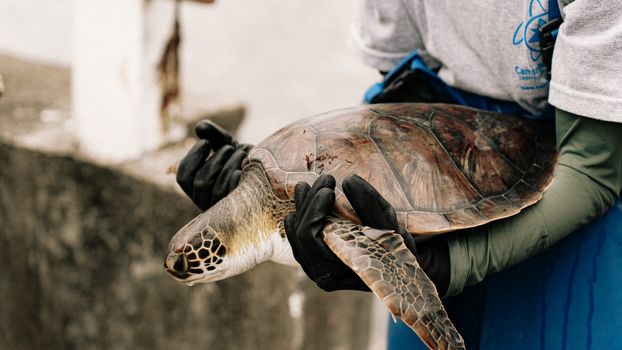
The air hummed with a prehistoric energy. I stood on a black lava rock shore, watching a majestic green sea turtle, ancient and unhurried, make its way back to the ocean. It felt like stepping back in time.
The Meat:
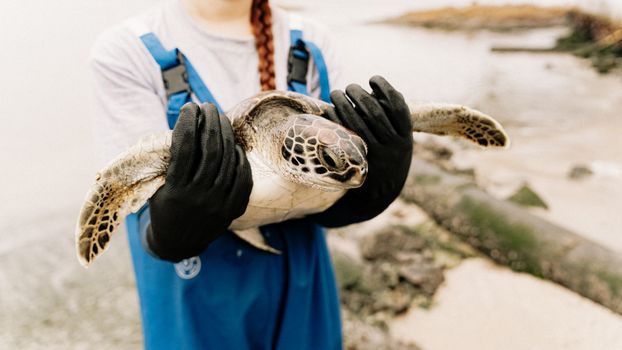
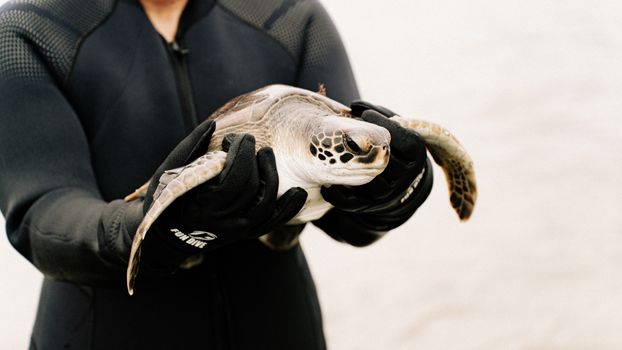
While the Galápagos are renowned for their unique wildlife, citizen science efforts here are increasingly focusing on sea turtle nesting and behavior monitoring. This year, expect more opportunities to participate in beach patrols, helping to identify nesting sites, measure hatchling tracks, and collect data on the health of adult turtles. Some programs even involve tagging and photo-identification, contributing to long-term studies on migration patterns and population dynamics. It's a chance to connect intimately with these gentle giants and contribute to their vital conservation.
Pro-Tip:
Programs are often run by accredited research institutions. Book well in advance, as these are highly sought-after opportunities. Be prepared for strict regulations to protect the fragile ecosystem.
Quick Facts: Sea Turtle Trackers
- Estimated Costs ($): $2000 - $5000+ (Galápagos tourism is pricier, and research permits are required)
- Best Time to Visit: Nesting season varies by species, but generally December to May for Green Sea Turtles.
- How to Get There: Fly into Quito (UIO) or Guayaquil (GYE) in Ecuador, then take a flight to Baltra Island (GPS) or San Cristóbal Island (SCY) in the Galápagos.
The Kelp Forest Keepers of California's Coast
The Hook:
The kelp forest pulsed with an emerald glow. Sunlight filtered through the towering fronds, creating an ethereal underwater cathedral. The water was cool, crisp, and alive with the silent ballet of fish.
The Meat:
California's iconic kelp forests are experiencing significant shifts, and citizen scientists are crucial for understanding these changes. This year, look for initiatives focused on kelp forest health assessment and urchin population monitoring. You might be tasked with diving to assess kelp density, identifying different invertebrate species, and even participating in efforts to manage invasive purple sea urchins that can decimate kelp. It's a hands-on way to engage with a vital coastal ecosystem.
Pro-Tip:
Many programs are based out of Monterey or the Channel Islands. Consider getting your advanced open water certification to access deeper kelp forests. Visit in late spring or early summer for the most stable weather conditions.
Quick Facts: Kelp Forest Keepers
- Estimated Costs ($): $300 - $1500+ (depending on program length and existing certifications)
- Best Time to Visit: May - July
- How to Get There: Fly into San Francisco (SFO) or Los Angeles (LAX), then drive or take public transport to coastal towns.
The Mangrove Mavericks of Southeast Asia
The Hook:
The air was thick with the earthy scent of mud and salt. Tiny crabs scuttled across the exposed roots, and the calls of unseen birds echoed from the dense canopy. This vital nursery of the sea felt profoundly important.
The Meat:
Mangrove ecosystems are critical for coastal protection and biodiversity, and this year, several MPAs in countries like Thailand, Malaysia, and the Philippines are expanding their citizen science efforts. These projects often involve mangrove reforestation, water quality monitoring, and biodiversity surveys of the unique flora and fauna that call these intertidal forests home. You'll be planting saplings, collecting water samples, and identifying species, directly contributing to the restoration and protection of these invaluable habitats.
Pro-Tip:
Look for opportunities in areas like the Sundarbans (though technically shared, accessible from India and Bangladesh) or coastal regions of Borneo. Participate during the cooler, drier months. Be prepared for muddy conditions and warm, humid weather.
Quick Facts: Mangrove Mavericks
- Estimated Costs ($): $200 - $1000+ (often very affordable, with a focus on community involvement)
- Best Time to Visit: November - February (cooler, drier season in many regions)
- How to Get There: Varies greatly by specific location. Major international airports in Bangkok (BKK), Kuala Lumpur (KUL), or Manila (MNL) followed by domestic flights and local transport.
Beyond the Dive: Making Your Citizen Science Trip a Success
Participating in a citizen science project is more than just a vacation; it's an immersive experience that requires preparation and a mindful approach.
Choosing the Right Program:
- Align with your interests: Are you passionate about turtles, corals, or kelp?
- Consider your skill level: Some programs require diving certifications, while others are open to snorkelers or even land-based volunteers.
- Research the organization: Ensure they are reputable and genuinely contributing to conservation. Read reviews and look for partnerships with established research institutions.
Packing Smart for Impact:
- Reef-safe sunscreen: Absolutely non-negotiable.
- Reusable water bottle and bags: Minimize your plastic footprint.
- Quick-dry clothing: Essential for humid climates and boat trips.
- Waterproof notebook and pen: For jotting down observations.
- Your camera (and underwater housing if applicable): To document your amazing discoveries!
Being a Responsible Citizen Scientist:
- Listen to your guides: They are experts in the local environment and research protocols.
- Follow all instructions meticulously: Data accuracy is paramount.
- Respect wildlife: Maintain a safe distance and never touch or feed animals.
- Leave no trace: Pack out everything you pack in.
- Be an advocate: Share your experiences and inspire others to get involved.
The Ripple Effect: Your Contribution Matters
Every data point collected, every sapling planted, every observation logged contributes to a larger, vital picture. These emerging citizen science programs in marine protected areas are not just about exploring beautiful places; they are about empowering individuals to become active stewards of our oceans. You’re not just a visitor; you’re a partner in conservation. This year, trade your passive gaze for active participation. Dive in, get your hands (or fins!) wet, and become a vital part of protecting our planet’s most precious underwater treasures. The ocean is calling – will you answer?