Dive In, Make a Difference: The Ultimate Guide to Marine Protected Areas for Citizen Scientists
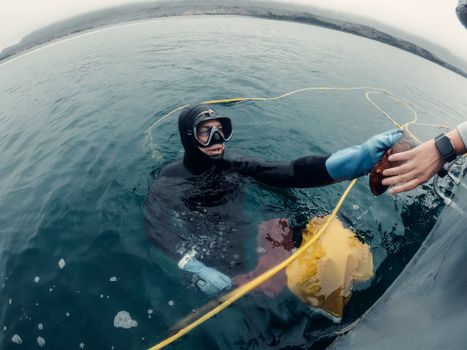
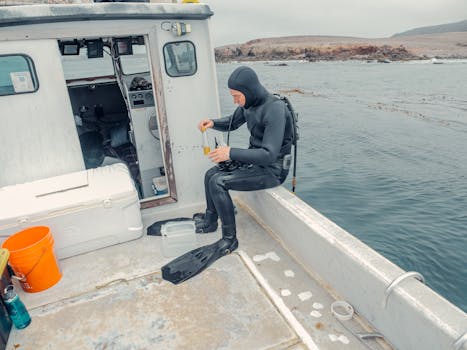
I stepped off the small, sputtering boat, the salty spray kissing my face, and my heart did a little flip-flop. Below me, a kaleidoscope of blues and greens shimmered. The scent of brine and something wild, untamed, filled the air. This wasn't just a vacation; this was an immersion. I was about to join a team of dedicated researchers and fellow travelers in a marine protected area (MPA), not just as an observer, but as a contributor. Forget passive sightseeing; this is about active participation, about becoming a steward of our precious oceans.
For too long, experiencing the underwater world meant simply gazing. But what if you could be part of something bigger? What if your next trip could directly contribute to the health and longevity of the very ecosystems you’re marveling at? That's the magic of citizen science in MPAs. These are areas where marine life is given a chance to thrive, shielded from many of the threats it faces elsewhere. And now, thanks to innovative programs, you can be part of the solution.
Why Citizen Science in MPAs? A Win-Win for You and the Ocean
Marine Protected Areas are the frontline defense for our oceans. They act as sanctuaries, allowing fish populations to recover, coral reefs to regenerate, and crucial habitats to flourish. But monitoring these vast underwater realms is a monumental task. This is where citizen scientists come in.
By participating in these programs, you're not just getting an unparalleled travel experience; you're providing invaluable data. Think of it: a few hours of your time, logging sightings, collecting samples, or assisting with surveys, can contribute to long-term research that informs conservation policy, helps track invasive species, and safeguards vulnerable marine life. It’s a powerful way to connect with nature on a profound level, transforming your vacation into a legacy.
Expert-Recommended Havens: Where to Make Your Mark
We’ve scoured the globe, consulted with leading marine biologists, and spoken to seasoned citizen scientists to bring you the absolute best MPAs offering incredible opportunities to get involved. These aren't just beautiful places; they are vibrant, living laboratories.
1. The Great Barrier Reef, Australia: Guardians of the Coral Kingdom
The Hook:
Imagine yourself gliding through water so clear, you can see your own shadow dancing on the sandy seabed. The sheer abundance of life here is breathtaking – parrotfish in a rainbow of hues nibbling on coral, shy reef sharks patrolling the edges, and anemones swaying gently, their resident clownfish peeking out. The hum of the reef, a subtle symphony of clicks and pops, is a constant reminder of its vibrant energy.
The Meat:
The Great Barrier Reef, the world's largest coral reef system, is a UNESCO World Heritage site and a prime example of an MPA under immense pressure. Citizen science here focuses on vital monitoring and research.
- Coral Bleaching Watch: Many programs involve trained volunteers documenting the health of coral colonies, noting any signs of bleaching or disease. This data is crucial for understanding climate change impacts.
- Marine Debris Surveys: Sadly, plastic pollution is a threat. You might be tasked with identifying and recording types and locations of marine debris, helping to inform cleanup efforts.
- Fish and Invertebrate Identification: Learn to identify key species and contribute to population counts, helping researchers understand ecosystem health.
Pro-Tip:
Many dive operators offer accredited citizen science courses. Look for those partnered with reputable research institutions. Visiting during the shoulder seasons (April-May or September-October) often means fewer crowds and excellent visibility.
Quick Facts:
| Category | Details |
| :---------------- | :---------------------------------------------------------------------------------------------------- |
| Estimated Cost | $$$$ (Flights, accommodation, dive courses/expeditions) |
| Best Time to Visit | April-October (Dry season, calmer seas, good visibility) |
| How to Get There | Fly into Cairns (CNS) or Proserpine (PPP) and take ferries or liveaboard boats to various reef locations. |
2. The Galapagos Islands, Ecuador: Darwin's Living Laboratory
The Hook:
The air here crackles with an ancient energy. You’ll hear the raucous calls of blue-footed boobies and the surprisingly loud bark of sea lions long before you see them. The water, a startlingly cool 70°F, teems with life so unafraid, it feels like stepping back in time. Marine iguanas, looking like miniature dragons, bask on volcanic rocks, while playful penguins dart through the water.
The Meat:
This archipelago is a biological marvel, a testament to evolution. Its MPAs are critical for protecting its unique endemic species.
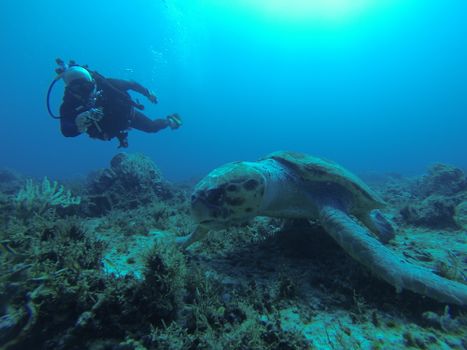
- Sea Turtle Monitoring: Participate in nesting surveys on protected beaches or assist in tracking studies to understand migration patterns.
- Marine Mammal Observations: Log sightings of whales, dolphins, and the endemic Galapagos sea lion, contributing to population estimates and behavioral studies.
- Seabird Colony Counts: Help monitor populations of iconic birds like albatrosses and penguins, crucial for understanding their breeding success.
Insider Lingo:
Don't be surprised if your guide uses terms like 'endemism' frequently. It's a key concept here, referring to species found nowhere else on Earth. The sheer density of unique life is what makes the Galapagos so extraordinary.
Pro-Tip:
Book well in advance, as visitor numbers are carefully managed. Consider a land-based stay with day trips for a more immersive experience than a cruise, allowing for more direct interaction with local conservation efforts.
Quick Facts:
| Category | Details |
| :---------------- | :-------------------------------------------------------------------------------------------------- |
| Estimated Cost | $$$$ (Flights, national park fees, accommodation, excursions) |
| Best Time to Visit | December-May (Warm season, calmer seas, better for snorkeling) & June-November (Cool season, richer marine life) |
| How to Get There | Fly into Baltra (GPS) or San Cristobal (SCY) from Quito or Guayaquil, Ecuador. |
3. Raja Ampat, Indonesia: The Coral Triangle's Crown Jewel
The Hook:
The moment you break the surface after a dive, the silence is profound, punctuated only by the gentle lapping of waves against the boat. But below, it's a riot of color and movement. The air is thick with the scent of salt and sun-baked wood from the local stilt villages. Raja Ampat boasts an almost unbelievable diversity of marine life – more fish species than anywhere else on Earth.
The Meat:
This remote corner of the Coral Triangle is a biodiversity hotspot and a leading destination for marine research and conservation.
- Reef Fish Surveys: Many dive resorts partner with research organizations to train guests in identifying and surveying reef fish populations. You’ll learn the subtle differences between angelfish and butterflyfish, contributing to vital biodiversity assessments.
- Manta Ray & Shark Tagging Assistance: If you’re lucky and the timing is right, you might assist researchers in non-invasive tagging efforts for manta rays and sharks, helping to track their movements and understand their behavior.
- Coral Health Monitoring: Similar to the Great Barrier Reef, you can get involved in assessing coral health, looking for signs of disease or damage.
Authenticity:
The local Papuan culture is deeply intertwined with the sea. Engage respectfully with communities, learn a few basic Bahasa Indonesia phrases, and savor the incredible local cuisine – think grilled fish seasoned with turmeric and lime, served with fragrant rice.
Pro-Tip:
Choose a responsible dive operator that actively supports local conservation initiatives. Liveaboard diving offers the best way to access remote dive sites and maximize your citizen science opportunities.
Quick Facts:
| Category | Details |
| :---------------- | :------------------------------------------------------------------------------------------------------- |
| Estimated Cost | $$$$ (Flights to Sorong (SOQ) are expensive, plus liveaboard or resort costs) |
| Best Time to Visit | October-April (Dry season, calmer seas, excellent visibility) |
| How to Get There | Fly to Sorong (SOQ) from major Indonesian cities like Jakarta or Bali. From Sorong, take ferries or boats. |
4. The Belize Barrier Reef Reserve System, Central America: Guardians of the Mesoamerican Reef
The Hook:
The Caribbean sun warms your skin as you paddle out in a kayak, the water beneath a mesmerizing turquoise. The air is sweet with the scent of tropical flowers mingling with the salty breeze. Schools of shimmering fish dart beneath your kayak, and the gentle sway of the seagrass beds is a calming rhythm. This is the Mesoamerican Barrier Reef, a vital, thriving ecosystem.
The Meat:
This UNESCO World Heritage site is the second-largest barrier reef system in the world and a crucial area for research and protection.
- Lionfish Derbies & Education: Invasive lionfish are a major threat. Participate in controlled derbies, where trained individuals help remove them, or join educational programs to learn about their impact and how to manage them.
- Coral and Seagrass Monitoring: Assist in surveys of coral health and seagrass beds, vital nurseries for many marine species. You might be involved in photo-quadrat surveys or benthic assessments.
- Whale Shark Tracking: During migration seasons, some programs offer opportunities to assist with whale shark sightings and data collection, contributing to understanding these gentle giants.
Pro-Tip:
Stay in eco-lodges that are committed to sustainability. Many are located near protected areas and offer direct access to citizen science programs. Visit during the Belize Barrier Reef Shield Festival in June for a concentrated period of conservation activities.
Quick Facts:
| Category | Details |
| :---------------- | :----------------------------------------------------------------------------------------------------- |
| Estimated Cost | $$$ (Flights to Belize City (BZE), plus accommodation and tour costs) |
| Best Time to Visit | November-May (Dry season, excellent visibility) |
| How to Get There | Fly into Philip S. W. Goldson International Airport (BZE) in Belize City. Then take domestic flights or water taxis. |
5. The Azores, Portugal: Whales, Dolphins, and Volcanic Wonders
The Hook:
As the boat cuts through the deep blue Atlantic, the air is crisp and clean, carrying the faint, invigorating scent of the ocean. Suddenly, a sleek, dark shape breaches – a sperm whale! The sheer power and grace of these magnificent creatures are humbling. The water here, while cooler, is incredibly rich, supporting a staggering array of marine life.
The Meat:
This volcanic archipelago in the mid-Atlantic is a haven for cetaceans and a pioneering MPA for marine research.
- Cetacean Spotting & Identification: Join whale and dolphin watching tours that actively contribute to scientific data. You’ll learn to identify different species, record behaviors, and log sightings, helping researchers track populations and understand their migration routes.
- Seabird Surveys: Assist in monitoring populations of endemic seabirds that rely on the rich marine environment.
- Marine Debris Collection: Participate in beach cleanups and boat-based collections to help keep these pristine waters free of pollution.
Insider Lingo:
The Azorean locals have a deep respect for the sea, often referring to the waters as the 'Azorean Sea,' emphasizing its unique character and importance. You'll hear about ‘baleias’ (whales) and ‘golfinhos’ (dolphins) with a palpable sense of pride.
Pro-Tip:
Look for tours certified by whale watching associations that adhere to strict ethical guidelines. Visiting in the shoulder seasons (April-May or September-October) can offer good whale sighting opportunities with fewer tourists.
Quick Facts:
| Category | Details |
| :---------------- | :---------------------------------------------------------------------------------------------------- |
| Estimated Cost | $$$ (Flights to Ponta Delgada (PDL) or Terceira (TER), plus accommodation and tour costs) |
| Best Time to Visit | April-October (Warmer weather, peak whale and dolphin season) |
| How to Get There | Fly into Ponta Delgada (PDL) on São Miguel Island from Lisbon or Porto, Portugal. Inter-island flights are available. |
Your Role: More Than Just a Tourist
Participating in citizen science in an MPA is a transformative experience. You’ll gain:
- Expert Knowledge: Learn from marine biologists and experienced researchers.
- Unique Skills: Develop skills in species identification, data collection, and ecological monitoring.
- Unforgettable Encounters: Witness marine life in its natural, protected habitat.
- A Sense of Purpose: Contribute directly to conservation efforts and ocean health.
Planning Your Citizen Science Adventure: Essential Tips
- Research Reputable Organizations: Look for programs affiliated with universities, research institutions, or well-established conservation NGOs.
- Check Prerequisites: Some programs may require specific certifications (like PADI Open Water Diver) or a basic understanding of marine biology.
- Pack Smart: Bring reef-safe sunscreen, a reusable water bottle, quick-dry clothing, and a waterproof bag for your essentials.
- Be Prepared for the Elements: You'll be outdoors, often on boats or in the water. Sun protection and staying hydrated are key.
- Embrace the Learning Curve: Citizen science is about learning. Be open to new experiences and information.
- Respect the Environment: Always follow guidelines for minimizing your impact. Leave no trace, and never touch marine life.
The Future of Travel is Conscious
These marine protected areas offering citizen science are more than just destinations; they are opportunities. Opportunities to connect with nature on a deeper level, to learn, to contribute, and to return home with a profound understanding of our planet's most vital ecosystems. So, pack your bags, your curiosity, and your commitment to conservation. The ocean is calling, and it needs you.
---