The Call of the Deep Blue: My First Dive into Citizen Science
I stepped off the small, sputtering boat, the salty spray kissing my face. The air hummed with the distant cries of seabirds and the gentle thrum of the engine. Below me, the water was an impossibly vibrant turquoise, promising a world teeming with life. But this wasn't just another breathtaking snorkel trip. This time, I wasn't just an observer; I was a contributor. Clutching my waterproof slate and my trusty underwater camera, I was about to become a citizen scientist in one of the world's most vital marine protected areas (MPAs). The scent of brine and something wild, something ancient, filled my lungs. This was it – the adventure I’d been craving, the one that promised to be more than just a vacation.
Why Citizen Science in MPAs? It's More Than Just a Pretty View.
Let's be honest, the ocean is in trouble. From plastic pollution to climate change, our underwater ecosystems are facing unprecedented threats. Marine Protected Areas are our best hope, acting as sanctuaries for marine life to recover and thrive. But these protected zones are vast, and their health needs constant monitoring. This is where you, the passionate traveler, come in. Citizen science empowers everyday individuals to contribute to vital research, from identifying fish species and counting coral polyps to documenting marine mammal sightings and tracking the health of seagrass beds. It’s about transforming your wanderlust into tangible conservation action.
Pro-Tip:
Many MPAs are actively seeking volunteers for specific projects. Before you book, research the conservation initiatives happening in your chosen destination.
Diving into the Heart of Biodiversity: Top MPAs for Citizen Scientists
The world is dotted with incredible marine protected areas, but some stand out for their commitment to citizen science engagement. These are places where the underwater tapestry is rich, the research opportunities are abundant, and the local communities are deeply invested in conservation.
1. The Great Barrier Reef, Australia: A Living Laboratory
The sheer scale of the Great Barrier Reef is mind-boggling. It's not just a natural wonder; it's a complex, interconnected ecosystem that desperately needs our eyes and ears. Many research stations and dive operators here offer structured citizen science programs.
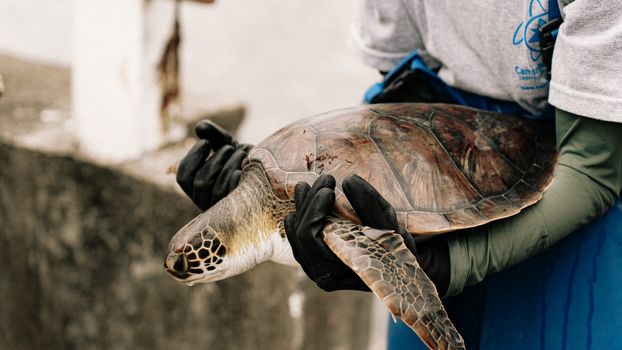
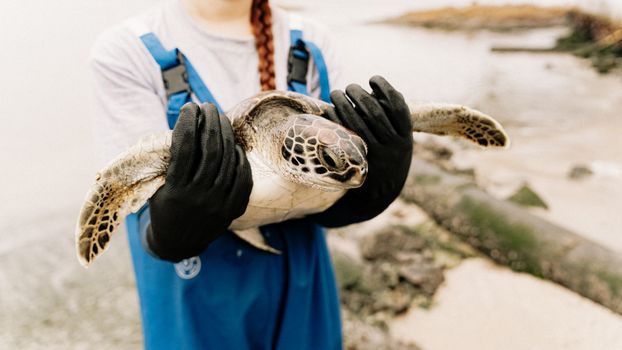
- What You'll Do: Participate in coral health monitoring, identify and photograph fish species for biodiversity surveys, assist in sea turtle nesting beach patrols, and even help with reef clean-up initiatives. Some programs involve collecting data on water quality.
- Insider Tip: Look for opportunities with organizations like the Great Barrier Reef Foundation or specific research institutes partnering with dive operators in Cairns or Port Douglas. Early morning dives offer the best light and often the most active marine life.
- The Vibe: Think vibrant, bustling dive hubs with a serious undercurrent of scientific purpose. The air is thick with anticipation, the scent of sunscreen, and the salty tang of the Coral Sea.
2. The Galapagos Islands, Ecuador: Evolution in Action
The Galapagos are synonymous with unique wildlife and groundbreaking scientific discovery. Their marine reserve is a UNESCO World Heritage site, and citizen science plays a crucial role in understanding its delicate balance.
- What You'll Do: Join marine iguana census projects, track sea lion populations, identify sharks and rays for population studies, and participate in underwater visual census of fish. You might even get to help with invasive species removal.
- Pro-Tip: Many eco-lodges and expedition cruises offer onboard citizen science components. Book well in advance, as these are highly sought-after. The best time to visit for marine life is generally December to May.
- The Feel: A sense of stepping back in time, where nature reigns supreme. The air is crisp, carrying the faint smell of guano and the wild, untamed spirit of evolution.
3. The Mesoamerican Barrier Reef System (MBRS), Mexico, Belize, Guatemala, Honduras: A Transnational Treasure
This incredible underwater highway is the second-largest barrier reef system in the world and a hotspot for marine biodiversity. The collaborative nature of conservation here makes citizen science particularly impactful.
- What You'll Do: Contribute to reef health assessments, monitor populations of iconic species like whale sharks and manta rays, assist in identifying and mapping coral bleaching events, and participate in coastal cleanups.
- Authentic Experience: In places like Cozumel or the Belize Barrier Reef, you can find dive shops that partner with local conservation groups. Look for those that offer training in specific data collection methods. The local ceviche, zesty with lime and cilantro, is a must-try after a day in the water.
- The Aroma: A blend of tropical blossoms, salty sea air, and the sweet scent of grilled seafood from beachside palapas.
4. The Raja Ampat Islands, Indonesia: The Epicenter of Marine Biodiversity
Often hailed as the "Amazon of the Seas," Raja Ampat boasts an unparalleled diversity of marine life. Its remote location and commitment to conservation make it a dream destination for citizen scientists.
- What You'll Do: Undertake fish identification surveys, monitor coral health and growth, conduct manta ray and shark population studies, and assist in documenting new species. You might even get to help with marine debris surveys.
- The Secret: Many liveaboard dive boats in Raja Ampat integrate citizen science into their itineraries. This is the ultimate way to explore multiple dive sites and contribute meaningfully.
- The Sensation: The air is thick and humid, carrying the scent of damp earth and exotic flowers from the lush jungle fringing the turquoise waters. The silence underwater is profound, broken only by the gentle crackle of coral.
5. The Channel Islands National Marine Sanctuary, California, USA: A Temperate Wonderland
Don't think citizen science is only for tropical paradises! The Channel Islands offer a different, yet equally vital, marine ecosystem to explore and protect.
- What You'll Do: Participate in kelp forest surveys, monitor sea otter and seal populations, identify and log marine invertebrates, and assist in whale and dolphin sighting reports.
- Pro-Tip: Year-round access makes this a great option for those seeking accessible citizen science. Many tours depart from Ventura or Santa Barbara.
- The Feel: The air is crisp and cool, carrying the distinct scent of kelp and sea spray. The rugged coastline hints at the wild beauty that lies beneath the waves.
Your Citizen Science Toolkit: What to Bring and What to Expect
Embarking on a citizen science adventure requires a little preparation, but the rewards are immense.
- Essential Gear:
- Waterproof Camera: Essential for documenting marine life and habitats.
- Waterproof Slate & Pencil: For recording observations and data.
- Field Guides: Species identification books or apps for your chosen region.
- Good Quality Snorkel/Dive Gear: While some operators provide this, having your own ensures comfort and fit.
- Sun Protection: High SPF reef-safe sunscreen, hats, and rash guards.
- Binoculars: For spotting marine mammals from boats.
- What to Expect:
- Training: Most programs will provide training on data collection methods.
- Dedication: Citizen science requires focus and accuracy. Be prepared to commit to the tasks.
- Collaboration: You'll likely be working alongside researchers and fellow volunteers.
- Inspiration: The sheer beauty and importance of the marine environment will be a constant source of motivation.
Budgeting Your Eco-Adventure: Quick Facts
| Location | Estimated Cost (USD) per Day | Best Time to Visit (Marine Life Focus) | How to Get There |
| :--------------------------- | :--------------------------- | :------------------------------------- | :--------------------------------------------------- |
| Great Barrier Reef, Australia | $150 - $500+ | September - November | Fly into Cairns (CNS) or Proserpine (PPP) |
| Galapagos Islands, Ecuador | $300 - $1000+ | December - May | Fly into Baltra (GPS) or San Cristobal (SCY) |
| MBRS (e.g., Belize) | $100 - $400+ | April - June | Fly into Philip S. W. Goldson Intl. (BZE) |
| Raja Ampat, Indonesia | $200 - $700+ | October - April | Fly into Sorong (SOQ) via Jakarta (CGK) or Makassar (UPG) |
| Channel Islands, USA | $75 - $250+ | Year-round | Fly into Los Angeles (LAX), then drive to Ventura/Santa Barbara |
Note:
Costs are estimates and can vary significantly based on accommodation, activity level, and specific tour operators. Citizen science programs themselves may be free or have a nominal fee, with costs primarily related to travel and accommodation.
Beyond the Dive: Supporting Local Communities and Sustainable Tourism
Choosing MPAs that actively involve citizen science often means supporting destinations committed to sustainable tourism. This engagement benefits local communities by providing economic opportunities and fostering a sense of stewardship.
- Choose Local Operators: Prioritize businesses that employ local guides and staff, and source local produce.
- Respect Marine Life: Always maintain a safe distance, never touch or feed animals, and avoid damaging coral.
- Reduce Your Footprint: Minimize single-use plastics, conserve water, and be mindful of your waste.
- Engage with Locals: Learn about their culture, traditions, and conservation efforts. Their insights are invaluable.
The scent of freshly caught fish grilling over an open fire, the rhythmic strumming of a local musician, the genuine smiles of people who are proud of their natural heritage – these are the moments that elevate a trip from memorable to truly transformative.
Your Call to Action: Become a Guardian of the Deep
The ocean is calling, and it needs your help. By choosing to participate in citizen science in marine protected areas, you're not just embarking on an extraordinary adventure; you're becoming an active participant in its preservation. You're trading passive observation for active contribution, turning your vacation into a force for good.
So, pack your bags, your curiosity, and your commitment. The vibrant reefs, the majestic whales, the ancient turtles – they're all waiting for you. Dive in, contribute, and discover the profound joy of being a guardian of our blue planet. The next incredible discovery might just be yours to make.