The Hook: Salt, Sonar, and the Midnight Shift
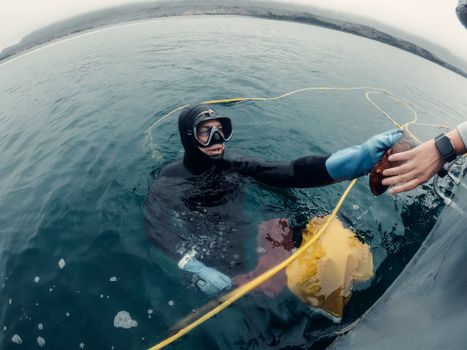
I stepped off the aluminum zodiac skiff into the pitch-black, 78°F water off Ningaloo Reef, the pungent tang of diesel, dried brine, and coastal spinifex lingering in my nose. Below me, illuminated only by the faint green phosphorescence of bioluminescent dinoflagellates and my handheld dive light, was a 30-foot female whale shark. She moved with effortless, hypnotic grace through the gloom.
My task wasn't just to gawk—it was to align my underwater laser-calibrated camera grid with her left pectoral fin, capture her unique spot pattern, and log her body length before she vanished into the deep shelf edge.
This isn't a staged eco-resort excursion. This is citizen science in 2026, where the boundary between adventure traveler and research assistant has vanished.
With ocean monitoring budgets stretched thin globally, Marine Protected Areas (MPAs) rely heavily on trained, paying expedition participants to gather baseline ecological data. July 2026 marks a crucial seasonal nexus: optimal water clarity in the Southern Hemisphere, peak megafauna migration corridors, and the launch of new AI-assisted marine survey tools accessible to anyone with a mask and snorkel.
If you are ready to trade sunburned indolence for true ecological legacy, these six Marine Protected Areas offer the world’s most impactful citizen science programs in July 2026.
---
1. Ningaloo Marine Park, Western Australia: Megafauna Photo-ID & Bioacoustics
```
Location: Exmouth & Coral Bay, Western Australia
Primary Focus: Whale Shark Photo-ID, Humpback Migration Tracking
Target Participant: Snorkelers, Freedivers, Intermediate Scuba Divers
```
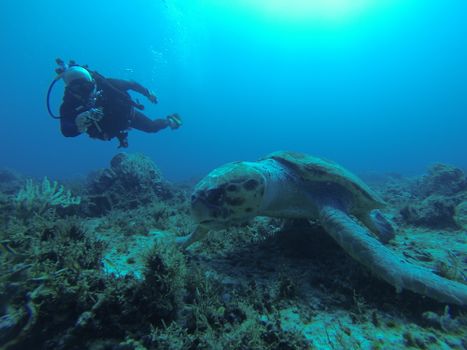
Ningaloo Reef is one of the few places on Earth where a fringing coral reef sits mere meters from a deep continental shelf drop-off. By July, the winter upwelling is in full swing, bringing nutrient-dense water that attracts late-season whale sharks and early-arriving humpback whale mothers with calves.
What You’ll Actually Do
Participants join daily boat runs out of Exmouth. You will deploy hydrophones (underwater microphones) to record humpback whale song frequencies for the Ocean Science Initiative, and enter underwater photography runs to shoot the spot patterns behind whale shark gills. You will upload these directly to Wildbook for Whale Sharks, an AI database that uses algorithms originally designed by NASA to identify individual animals.
- Pro-Tip: Skip the crowded town-center dive shops in Exmouth. Head to the Tantabiddi Boat Ramp at 6:30 AM to catch the research skiffs loading up. The local researchers often need last-minute volunteers to operate the digital surface GPS logging units.
---
2. Cabo Pulmo National Park, Mexico: Benthic Audits & Bull Shark Telemetry
```
Location: East Cape, Baja California Sur, Mexico
Primary Focus: Apex Predator Population Audits, Reef Biomass Surveys
Target Participant: Advanced Scuba Divers (Current-heavy conditions)
```
Once decimated by overfishing, Cabo Pulmo is the world's most successful marine restoration story, boasting a 463% increase in total fish biomass since its designation as an MPA. In July, water temperatures reach a balmy 82°F, bringing massive schools of mobula rays and territorial bull sharks into the shallow reef formations.
What You’ll Actually Do
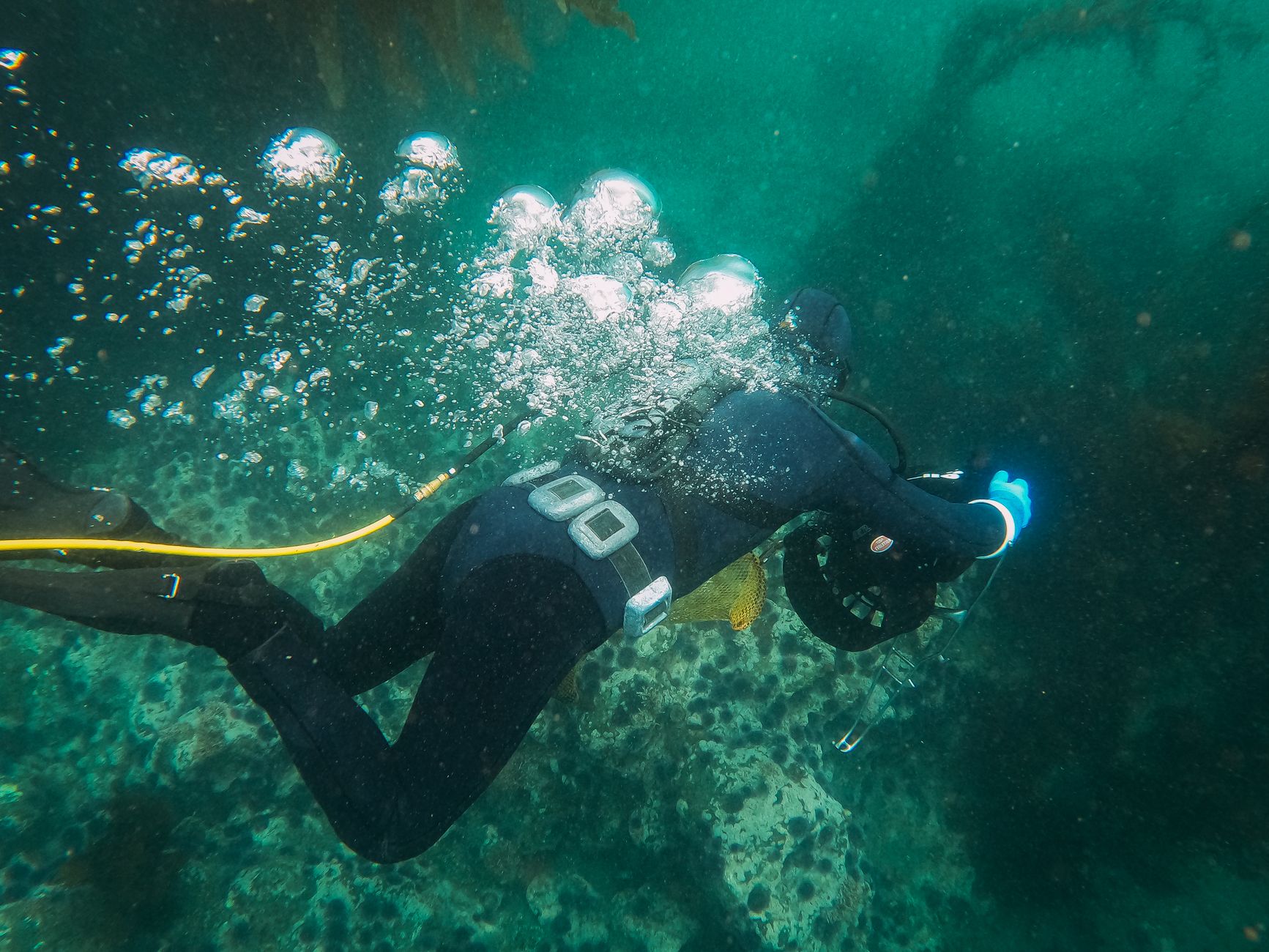
Working alongside the Instituto de Acuacultura y Pesca, volunteers conduct line-transect counts. You’ll dive with a plastic slate, counting target species like lemon sharks, snappers, and groupers along a 50-meter line laid across the reef bed. You'll also assist with retrieving underwater acoustic receivers that log tagged bull shark movements around the El Bajo seamount.
- Pro-Tip: The best authentic fuel in the village is Tacos de Pescado at Tacos Los Tigres, a tiny thatched hut hidden two dirt roads behind the dive center. Ask for their homemade habanero-pickle relish—it’s legendary among visiting marine biologists.
---
3. Misool Marine Reserve, Raja Ampat, Indonesia: Coral Spawning & Manta Ray Cataloging
```
Location: Southern Raja Ampat, Coral Triangle
Primary Focus: Coral Health Audits, Oceanic Manta Ray Database
Target Participant: Experienced Scuba Divers (Remote liveaboard stay)
```
Misool is a private 300,000-acre Marine Protected Area anchored by a community-enforced no-take zone. July brings cool, nutrient-laden currents from the south, triggering intense feeding aggregations of oceanic manta rays (Mobula birostris) at cleaning stations like Magic Mountain.
What You’ll Actually Do
Using CoralWatch color reference cards, citizen scientists record bleached or diseased hard coral colonies along fixed permanent transects. At manta cleaning stations, your job is to hover motionless along the substrate at 18 meters, photographing the unique spot patterns on the mantas' ventral (belly) sides to assist the Raja Ampat Manta Project.
- Pro-Tip: Pack your own slates and waterproof graphite pencils. While the resort supplies baseline dive gear, precision scientific slates are always in high demand on the research boats.
---
4. Great Barrier Reef (Ribbon Reefs), Australia: Dwarf Minke Whale Encounters
```
Location: Port Douglas / Cairns, Queensland, Australia
Primary Focus: Dwarf Minke Whale Acoustic & Visual Behavioral Mapping
Target Participant: Snorkelers of all fitness levels
```
July is the only month of the year when dwarf minke whales reliably congregate in the sheltered waters of the northern Ribbon Reefs. This is the world’s only predictable, habituated encounter site with these enigmatic, 8-meter cetaceans.
What You’ll Actually Do
Participating via specialized liveaboard charters partnered with James Cook University’s Minke Whale Project, guests enter the water on a tethered surface line. You remain stationary while the whales approach out of curiosity. Your job: record exact duration times of individual whale approaches, document behavioral interactions (like head-slaps and belly-rolls), and photograph white-patterened pectoral fins for individual cataloging.
- Pro-Tip: Avoid making sudden splashy movements. Minke whales are exceptionally shy; staying still on the surface rope for 45 minutes will bring them within arm’s reach of your lens.
---
5. Hol Chan & South Water Caye, Belize: Invasive Lionfish Control & Manatee Telemetry
```
Location: San Pedro & Caye Caulker, Belize
Primary Focus: Invasive Species Eradication, West Indian Manatee Tracking
Target Participant: Beginner to Intermediate Scuba Divers & Kayakers
```
Belize’s barrier reef system is the second-largest on Earth. In July, flat sea conditions make it ideal for navigating the mangrove channels of South Water Caye Marine Reserve, an essential sanctuary for vulnerable West Indian manatees.
What You’ll Actually Do
Citizen science here operates on two fronts. First, join targeted dive patrols to hunt invasive lionfish using pole spears, collecting stomach contents back on land to analyze local prey impact. Second, conduct boat-based visual transects across mangrove estuaries to record mother-calf manatee sightings using low-noise solar drones and acoustic hydrophones.
- Pro-Tip: The hidden entrance to the Belize Marine Trek Research Office in San Pedro is behind the blue wooden door adjacent to the main dock at Ambergris Caye. Walk right in at 8:00 AM to register for day-volunteer slots without paying agency middleman fees.
---
6. Mediterranean Waters: Pelagos Sanctuary, Italy/France: Cetacean Vocalization Surveys
```
Location: Portosole, Sanremo, Italy
Primary Focus: Sperm Whale & Striped Dolphin Population Audits
Target Participant: Sailors, Non-divers, Wildlife Enthusiasts
```
Covering 87,500 square kilometers of high seas between Italy, France, and Monaco, the Pelagos Sanctuary protects deep-water pelagic ecosystems. July provides calm Mediterranean summer seas, optimal for spotting the blow of sperm whales and massive pods of striped dolphins.
What You’ll Actually Do
Living aboard a historic 21-meter research sailboat operated by the Tethys Research Institute, volunteers take rotating three-hour shifts on visual watch using compass binoculars. You will assist in logging bioacoustic recordings using towed hydrophone arrays and collecting skin tissue micro-biopsies dropped by free-swimming dolphins.
- Pro-Tip: Be prepared for long, intense sun exposures during deck watches. Bring a dark blue, long-sleeved UPF 50+ rashguard rather than white, as white fabric reflects harsh glare into the spotter optics.
---
Expedition Logistics & Budget Snapshot
Plan your July 2026 conservation budget with this field breakdown:
| Marine Protected Area | Program Cost (USD/Day) | Primary Task | Required Skill Level | Gateway Airport |
| :--- | :--- | :--- | :--- | :--- |
| Ningaloo Reef, Australia | $250 - $400 | Whale Shark Photo-ID | Snorkel / Freedive | Learmonth (LEA) |
| Cabo Pulmo, Mexico | $150 - $280 | Apex Predator Transects | Advanced Open Water | San José del Cabo (SJD) |
| Misool Reserve, Indonesia | $450 - $700 | Coral Health Audits | Advanced Open Water | Sorong (SOQ) |
| Ribbon Reefs, Australia | $380 - $600 | Minke Whale Behavioral Logs | Basic Snorkel | Cairns (CNS) |
| Hol Chan, Belize | $120 - $220 | Lionfish Removal & Manatees | Open Water Scuba | Belize City (BZE) |
| Pelagos Sanctuary, Italy | $200 - $320 | Cetacean Acoustic Tracking | Non-diver / Sailing | Nice (NCE) or Genoa (GOA) |
---
Essential Gear for the Marine Citizen Scientist
Field research requires different gear than a leisurely vacation. Don't leave home without these four essentials:
- Underwater Writing Slate & Waterproof Pencil: A standard wrist-slate with a spiral-bound waterproof notepad (such as Rite in the Rain) is vital for underwater line-transect tallies.
- Standardized Color Reference Strip: If doing coral health surveys, standard CoralWatch Cards are required to measure color saturation accurately under varying light depths.
- Calibrated Action Camera Stick: Mount your GoPro to a rigid 1-meter rod with inch/centimeter markings etched along the shaft. This allows scientists to calculate exact fish length scale from your video footage.
- Reef-Safe Marine-Degradable Zinc: Titanium dioxide and zinc oxide sunscreens without nano-particles are non-negotiable inside strict MPA boundary waters.
---
The Field Verdict
Participating in citizen science inside a Marine Protected Area changes how you perceive the ocean. You cease to be a passive consumer of natural beauty and become an active custodian of its survival. In July 2026, as our oceans face unprecedented thermal stress, your underwater data entries will feed directly into open-source global databases that inform international fisheries policy, marine spatial planning, and habitat protection laws.
Pack your slate, calibrate your camera, and make your footprint count.
---