The aroma hit me first – a mix of freshly ground spices, simmering tomatoes, and something sweet, like caramelized onions. I was lost, in the best possible way, down a narrow, sun-dappled alley in Marrakech, far from the bustling Jemaa el-Fnaa square. My guide, a soft-spoken woman named Fatima, had led me away from the tourist-packed tagine restaurants to a tiny, unassuming doorway. Inside, "Naima's Kitchen" was less a restaurant and more a communal dining room, with three generations of women kneading dough, stirring pots, and laughing.
Naima, the matriarch, greeted me with a warm smile and a glass of mint tea so fragrant it felt like a hug. I wasn't just eating dinner; I was sharing a meal, a story, a moment with a family whose culinary traditions stretched back decades. The food was incredible, yes, but it was the experience – the connection, the authenticity, the feeling of being welcomed into someone's home – that truly stayed with me. It was a stark contrast to the mass-produced, overpriced meals I'd had earlier in the trip, and it hammered home a truth I’ve lived by ever since: the most profound travel experiences are found when you intentionally seek out and support local businesses.
We’ve all been there: lured by flashy signs, convenient locations, or familiar names, only to leave feeling…underwhelmed. A souvenir that breaks before you get home, a meal that tastes like it came from a chain, a tour that feels rushed and impersonal. But what if I told you there’s a way to travel that not only enriches your soul but also puts your money directly into the hands of the people who make these destinations so special? This isn't just about being a "good tourist"; it's about unlocking experiences so vibrant, so authentic, and so utterly unforgettable that you need to experience them before you die.
Ready to ditch the generic and dive deep? Here are the types of local businesses you absolutely must seek out, complete with personal anecdotes, practical tips, and why they’ll change the way you travel forever.
1. The Soul of the Plate: Culinary Gems & Hidden Eateries
Food is the universal language of travel, but there’s a world of difference between a "tourist menu" and a meal prepared with generations of love and tradition. Supporting local eateries means tasting the true essence of a destination.
My Unforgettable Bites:
- Mama Rosa's Pasta Lab, Trastevere, Rome, Italy: I stumbled upon Mama Rosa’s through a local friend’s recommendation. It’s not a restaurant in the traditional sense, but a tiny, bustling laboratorio where Mama Rosa, with her flour-dusted apron and booming laugh, teaches small groups how to make pasta from scratch. For about €70-€90 (depending on the season and ingredients), you spend three hours kneading, rolling, and shaping tagliatelle, ravioli, and gnocchi, all while sipping local wine and listening to Mama Rosa’s stories of growing up in Rome. The best part? You then sit down to feast on the fruits of your labor, alongside Mama Rosa’s family, who often join for dinner. It’s more than a cooking class; it’s an initiation into Italian family life. The pasta is divine, but the warmth and laughter are the real main courses. Pro Tip: Book well in advance, as classes fill up fast!
- The Spice Route Café, Fes El Bali, Fes, Morocco: Remember Fatima, my guide from the introduction? She introduced me to The Spice Route Café. Hidden in the labyrinthine alleys of the Fes medina, this family-run tea house isn't just about mint tea; it’s an olfactory journey. For a mere 30-50 dirhams (around $3-$5), you get a traditional Moroccan tea ceremony, complete with various pastries, and a guided tour of their family’s spice shop, where they explain the history and uses of each spice. The son, Omar, passionately shared stories of his grandmother’s recipes and the ancient trade routes. I left with bags full of saffron, ras el hanout, and a blend for digestion, knowing my money was directly supporting a family keeping ancient traditions alive. The vibrant colors and intoxicating aromas are incredibly Instagram-worthy, but the knowledge shared is priceless.
Practical Tips for Finding Your Culinary Bliss:
* Ask Locals (Politely!): Don't just ask "Where's good to eat?" Ask "Where do you eat when you want [specific dish]?" or "Where's your favorite spot that tourists don't usually know?"
* Wander Off the Main Drag: The best food is often found down side streets, away from the major landmarks.
* Look for Queues (of Locals!): A line out the door, especially if it’s full of residents, is always a good sign.
* Check Local Blogs & Forums: Often, smaller, authentic places haven't cracked mainstream travel sites.
2. Hands That Create: Artisanal Crafts & Souvenirs with a Story
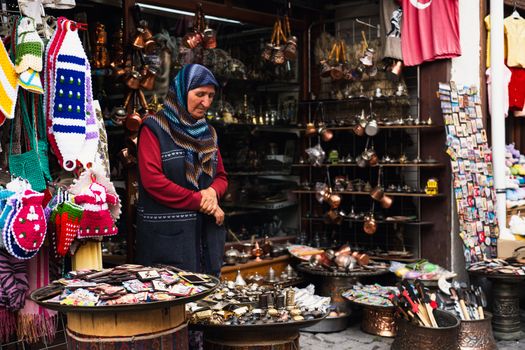
Souvenirs are more than just trinkets; they’re tangible memories. When you buy from local artisans, you’re not just getting a product; you’re acquiring a piece of culture, a story, and directly supporting skilled craftspeople.
My Treasured Keepsakes:
- Kyoto Kimono Co-op, Arashiyama, Kyoto, Japan: Forget the mass-produced kimonos in tourist shops. In a tranquil corner of Arashiyama, I found the Kyoto Kimono Co-op, a collective of master weavers and dyers dedicated to preserving traditional kimono-making techniques. For ¥5,000-¥8,000 (approx. $35-$55), you can take a small workshop where you learn about the intricate patterns, natural dyes, and the painstaking process of creating a kimono. I watched a 70-year-old artisan meticulously hand-dye silk threads, her movements precise and graceful. I ended up buying a beautifully hand-dyed silk scarf, knowing that the money was contributing directly to keeping this ancient art form alive and supporting the families involved. It’s not just a scarf; it’s a piece of Japanese heritage.
- Andean Weavers Collective, Sacred Valley, Peru: High in the Peruvian Andes, near Pisac, I visited a small village that hosts the Andean Weavers Collective. Here, Quechua women use ancient backstrap looms to create stunning textiles from alpaca and sheep wool, dyed with natural pigments from plants and insects. Their market stall might look simple, but the skill and tradition behind each piece are immense. Prices range from S/50 for small items to S/500+ for large blankets (approx. $15-$150+). I purchased a vibrant, naturally dyed alpaca scarf for S/120 ($32), and the woman who wove it, Elena, explained the symbols and stories embedded in its design. This direct purchase means fair wages for the weavers, helping them maintain their families and cultural practices, rather than lining the pockets of middlemen.
Practical Tips for Ethical Souvenir Shopping:
* Look for 'Made Here' or 'Handmade By': Avoid items with generic "Made in China" labels unless you're specifically in China.
* Engage with the Artisan: Ask about their craft, their process, and the story behind their work. This connection makes the purchase more meaningful.
* Visit Workshops or Co-ops: Many places offer tours or demonstrations, allowing you to see the creation process firsthand.
* Bargain Respectfully: In cultures where bargaining is common, do so with a smile and respect for the artisan's labor. Don't drive the price down to an unfair level.
3. Beyond the Guidebook: Immersive Experiences & Local Guides
While guidebooks are great for landmarks, the real magic happens when you step off the beaten path with someone who truly knows the lay of the land. Local guides offer unparalleled insights and access that simply aren't available through large tour operators.
My Deep Dive Adventures:
- Hanoi Street Food Safari, Old Quarter, Hanoi, Vietnam: Instead of a big bus tour, I booked a "Street Food Safari" through a local family-run company. For about $25-$35 per person, our guide, Linh, a university student, led a small group of six through the chaotic yet captivating streets of Hanoi’s Old Quarter. We sampled everything from bun cha (grilled pork with noodles) at a tiny stall where Anthony Bourdain once ate, to egg coffee at a hidden café. Linh didn't just point out food; she shared stories of her family, explained local customs, and even taught us a few Vietnamese phrases. It was an intimate, delicious, and incredibly informative journey that felt less like a tour and more like exploring with a new friend.
- Venetian Gondola Artisans, Dorsoduro, Venice, Italy: Everyone takes a gondola ride in Venice, but how many visit a squero (gondola workshop)? I discovered Squero di San Trovaso, one of the few remaining traditional gondola repair shops. While not a typical "business" for tourists, they often allow visitors to respectfully observe from the street for free, or you can sometimes arrange a small, informal tour for €10-€20 with one of the artisans during their downtime. Seeing the skilled craftsmen repair and build these iconic boats, using techniques passed down for centuries, was a profound experience. It gave me a newfound appreciation for the gondola and the dedication required to maintain this vital part of Venetian heritage. It’s a quiet, reflective experience that highlights the unseen labor behind the city's charm.
Practical Tips for Authentic Experiences:
* Seek Independent Guides: Look for guides recommended by guesthouses, local cafes, or through platforms like Airbnb Experiences, focusing on small, local operators.
* Check Community Boards: Often, local cultural centers or even cafes will have flyers for unique, community-led tours or workshops.
* Prioritize Learning Over Sightseeing: Choose experiences that teach you something new about the culture, history, or daily life.
* Be Open to Spontaneity: Sometimes the best experiences are found by simply striking up a conversation with a local.
4. Mind, Body & Soul: Wellness & Traditional Healing Havens
In a world of chain spas, finding a local wellness business offers not just relaxation, but a deep dive into traditional healing practices that have been perfected over centuries.
My Rejuvenating Retreats:
- Bali's Secret Garden Spa, Ubud, Bali, Indonesia: Away from the main tourist drag in Ubud, down a winding path through rice paddies, I found "Bali's Secret Garden Spa." This isn't a fancy resort spa; it’s a family-run establishment where Balinese women practice traditional healing arts. For around 200,000-350,000 IDR ($15-$25), I received an hour-long Balinese massage using locally sourced coconut oil and essential oils, followed by a traditional herbal bath. The therapist, Wayan, shared stories of her grandmother teaching her the massage techniques. The serene atmosphere, the gentle sounds of nature, and the genuine care made it an incredibly restorative and culturally rich experience, far superior to any five-star hotel spa.
- Çemberlitaş Hamamı, Istanbul, Turkey (Specifically a local, family-run section): While Çemberlitaş is famous, I sought out a specific, smaller section often used by locals, recommended by my guesthouse owner. For around 150-250 TL ($5-$8 for entrance, scrub, and wash), I immersed myself in a centuries-old Turkish bath ritual. It was less about luxury and more about authenticity. The women who performed the scrubbing and washing were warm and efficient, making me feel at ease despite the cultural differences. It was a powerful, cleansing experience that connected me to ancient traditions and left my skin feeling incredibly soft. Supporting such historic, family-run hammams helps preserve these vital cultural landmarks.
Practical Tips for Local Wellness:
* Research Traditional Practices: Understand what makes a local massage, bath, or healing session authentic.
* Ask for Recommendations: Your guesthouse host or local friends are the best source for genuine, reputable places.
* Look for Natural/Local Ingredients: Authentic places will often highlight the use of local herbs, oils, and remedies.
* Book Directly: Avoid third-party sites that take a cut; book straight with the establishment.
5. Stay Local, Live Local: Boutique Stays & Homestays
Where you lay your head at night can profoundly impact your travel experience. Choosing a local guesthouse, boutique hotel, or homestay over a large chain offers personalized service, unique charm, and a direct contribution to the local economy.
My Home Away From Home:
- Riad Dar Zitoune, Essaouira, Morocco: After the bustling medina of Marrakech, Essaouira was a breath of fresh air. I stayed at Riad Dar Zitoune, a beautifully restored traditional Moroccan house run by a local family. For about €40-€60 a night, I had a charming, individually decorated room, a rooftop terrace with ocean views, and the most incredible homemade Moroccan breakfast each morning. The owner, Aisha, treated every guest like family, offering tea, sharing stories, and providing invaluable local tips. It felt like I was staying in a friend's home, not a hotel. This personalized touch and genuine hospitality made my stay unforgettable and allowed my money to directly support Aisha's family and their staff.
Practical Tips for Choosing Local Stays:
* Use Local Booking Sites or Direct Booking: Some smaller places aren't on major international platforms.
* Read Reviews for "Authenticity" and "Hospitality": Look for mentions of the owners, homemade food, and local tips.
* Chat with Your Host: They are often a goldmine of local knowledge and can recommend other local businesses.
* Consider Homestays: For an even deeper immersion, a true homestay offers an unparalleled cultural exchange.
Why It Matters: The Ripple Effect of Your Dollars
Beyond the incredible experiences you gain, there's a profound reason to support local businesses: you become a force for good in the world.
- Economic Empowerment: Your money directly supports families, creates jobs, and keeps wealth within the local community, rather than siphoning it off to international corporations. It helps people send their children to school, put food on the table, and invest in their future.
- Cultural Preservation: Many local businesses, especially those in crafts, food, and traditional healing, are custodians of cultural heritage. Your support helps keep ancient traditions, skills, and art forms alive for future generations.
- Authenticity & Diversity: Local businesses offer unique, diverse experiences that reflect the true character of a place. They prevent destinations from becoming homogenized "anywhere" towns.
- Sustainable Tourism: Smaller, local businesses often have a lighter environmental footprint and are more integrated into the community, promoting a more sustainable form of tourism.
- Genuine Connection: These interactions foster real human connections, breaking down barriers and enriching your understanding of the world. You’re not just a transaction; you’re a guest, a learner, a friend.
The Journey Continues: Your Call to Action
My journey with Fatima, Mama Rosa, Linh, and countless others has taught me that travel isn't just about seeing sights; it's about making connections. It's about letting your curiosity lead you down an unknown alley, trusting a local’s recommendation, and knowing that every dollar you spend is a vote for authenticity, community, and a better world.
So, on your next adventure, challenge yourself. Skip the chain restaurant, bypass the generic souvenir shop, and seek out the heart and soul of your destination. Ask questions, listen to stories, and invest in the dreams of local entrepreneurs. These are the experiences that will not only stay with you long after your passport is stamped but will also leave a lasting, positive impact on the places you visit.
What local business has left the biggest impression on your travels? Share your stories and tips in the comments below! Let's inspire each other to travel more meaningfully.
---