The aroma hit me first – a rich, earthy scent of roasting coffee beans, mingled with something sweet, like warm pastries. I was in a bustling district of Lisbon, Portugal, on what was supposed to be a quick detour to find a specific souvenir shop recommended by a friend. But then, a tiny, unassuming doorway caught my eye, tucked between a vibrant tile shop and a quiet residential building. There was no flashy sign, just a hand-painted wooden board that read "A Tasca do Avô" – Grandfather's Tavern.
Curiosity, my most reliable travel companion, tugged me inside. The interior was small, dimly lit, and filled with the low hum of conversation, all in Portuguese. No English menus, no tourist trinkets, just a handful of locals sipping strong coffee and debating the day's news over flaky pasteis de nata. I ordered a coffee with a hesitant smile, pointing to a pastry. The owner, a kindly woman with laugh lines around her eyes, returned my smile with genuine warmth. That coffee, that pastry, and that brief moment of unadulterated local life became one of the most cherished memories of my entire trip. It wasn't in any guidebook, and it certainly wasn't catering to tourists. It was a secret, quietly shared among locals, and I had stumbled upon it.
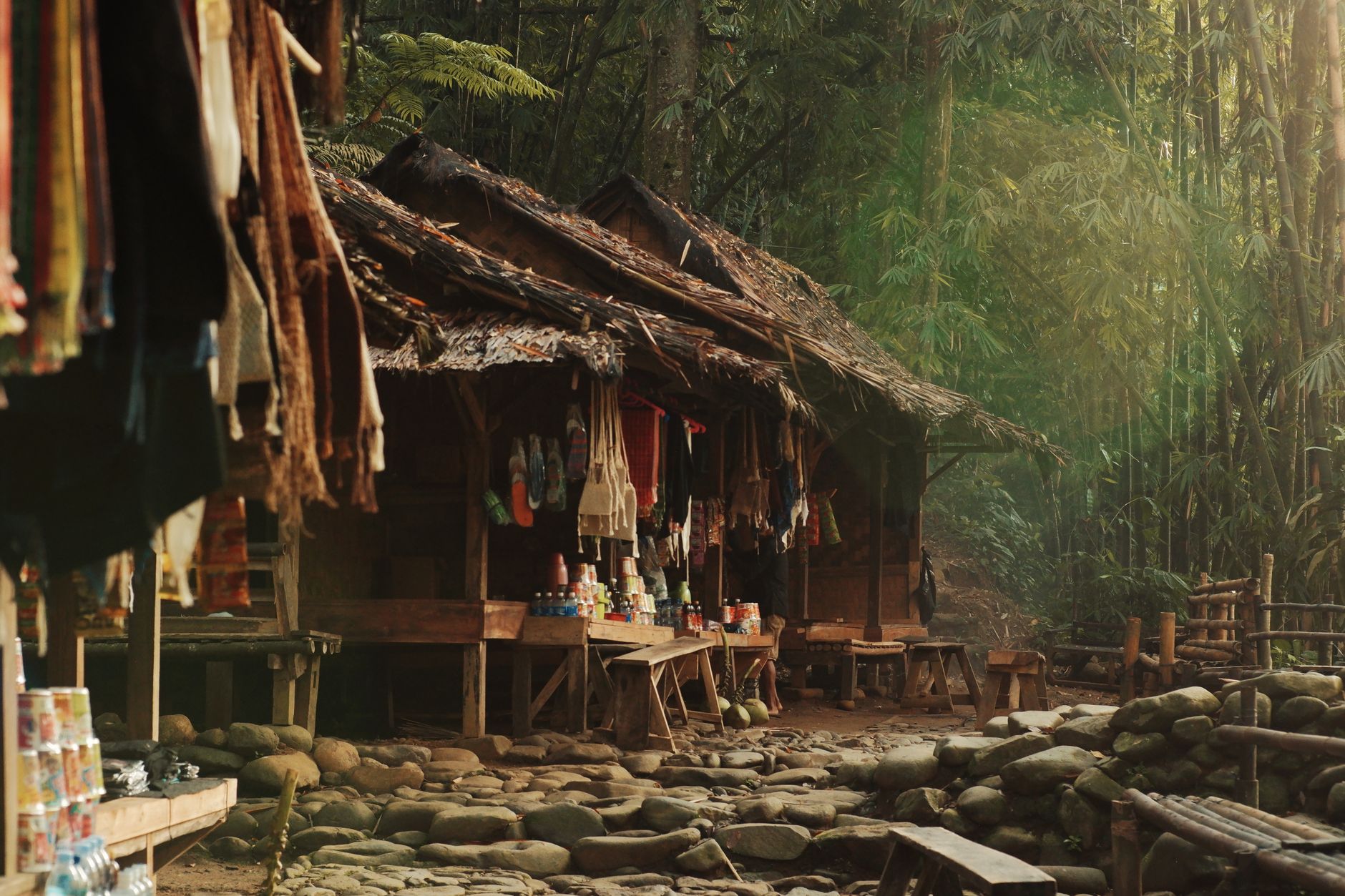
This experience ignited a passion in me: the quest for the real heart of a place. Not the polished, Instagram-perfect versions curated for mass tourism, but the gritty, authentic, beloved spots that locals frequent, often preferring to keep them to themselves. These are the businesses that truly define a community, offering genuine experiences, fair prices, and a direct way to support the people who make a destination so special. And today, I’m going to let you in on how to find them.
The Quest for Authenticity: Why Go Beyond the Guidebook?
Let’s be honest: guidebooks are great for hitting the major landmarks. But they often lead you down the same well-trodden paths, to the same crowded restaurants, and the same overpriced souvenir shops. While there’s nothing wrong with seeing the Eiffel Tower or the Colosseum, true travel magic happens when you peel back those layers and dive into the everyday life of a place.
Supporting local businesses that aren't geared towards tourists isn't just about finding a cheaper meal or a unique souvenir. It's about ethical, sustainable travel. It means your money goes directly into the hands of families and individuals, bolstering the local economy, preserving cultural heritage, and preventing the homogenization of travel experiences. When you choose a small, family-run eatery over a global chain, or an artisan workshop over a mass-produced gift store, you’re making a statement. You’re saying, "I value authenticity, connection, and community."
Locals often keep these places secret for good reason. They cherish the quiet familiarity, the fair prices, and the genuine atmosphere. They don't want their beloved coffee shop overrun by selfie-sticks, or their favorite bakery to suddenly double its prices. Our mission isn't to exploit these secrets, but to discover them respectfully, integrate ourselves, and support them responsibly.
Taste the True Culture: Hidden Eateries & Markets
Food is arguably the most direct path to a culture's soul. Forget the fancy Michelin-starred restaurants (unless that’s your jam, of course). I’m talking about the hole-in-the-wall eateries, the bustling street food stalls, and the unpretentious family-run diners where the aroma alone could write a novel.
I remember once, wandering through the labyrinthine streets of Hoi An, Vietnam, feeling overwhelmed by the sheer number of tourist-focused restaurants. I was hungry for something real. I ducked down a narrow alley, drawn by the clatter of woks and the murmur of Vietnamese voices. There, under a faded awning, was a tiny stall with just three plastic tables. An elderly woman was expertly dishing out steaming bowls of mì Quảng (a local noodle dish). There was no English menu, no flashy signs, just a line of locals patiently waiting. I pointed, smiled, and within minutes, had the most incredible, flavorful bowl of noodles I’d ever tasted, all for the equivalent of about $2. It was a symphony of textures and spices, a dish born from generations of culinary wisdom, not from a marketing brief.
How to Find Them:
* Follow Your Nose & Ears: Seriously, delicious food has a way of announcing itself. Listen for local chatter, the sizzle of cooking, and the general buzz.
* Look for Queues (of Locals!): If a local spot has a line, it's usually a very good sign.
* Walk Away from Main Squares/Attractions: The further you stray from tourist hotspots, the higher your chances of finding authentic gems.
* Ask Non-Tourism Workers: Your hotel receptionist might recommend a tourist trap. Ask a shop owner, a bus driver, or even a local park attendant. They'll often share their personal favorites.
* Google Maps Tactic: Search for a specific dish you know is local to the area (e.g., "best pizza al taglio Rome" or "authentic taco stand Mexico City") and then filter by "least reviewed" or "hidden gems" in local forums. Look for places with reviews primarily in the local language.
Practical Tips:
* Learn a Few Phrases: "Hello," "thank you," "please," and "delicious" in the local language go a long way.
* Embrace the Unknown: Pointing and smiling is a universal language. Don't be afraid to try something new, even if you don't know exactly what it is.
* Cash is King: Many of these smaller establishments only accept local currency.
Crafting Connections: Artisan Workshops & Community Hubs
Beyond food, the heartbeat of a community often lies in its creators and its gathering places. These aren't the polished galleries or trendy cafes designed for Instagram; they're the dusty workshops, the independent bookstores overflowing with stories, and the unassuming cafes where locals genuinely connect.
I once spent an afternoon in Oaxaca, Mexico, trying to find a specific type of black pottery. Every shop near the main square sold similar items, clearly mass-produced. Determined, I ventured into a quieter neighborhood, turning down a cobblestone street. There, behind an open wooden door, I saw a woman hunched over a spinning wheel, her hands covered in clay, meticulously shaping a vase. It was a tiny, one-room workshop. Her son, perhaps 10 years old, sat nearby, sketching. I spent an hour watching her work, mesmerized by her skill. I bought a small, perfectly imperfect piece directly from her, knowing my money was supporting her craft and her family, not some middleman. The cost? A fraction of what I'd seen in the tourist shops, but the value was immeasurable.
How to Find Them:
* Wander Aimlessly: Seriously, some of the best discoveries are made when you have no agenda. Turn down that intriguing alley, peek into that open doorway.
* Look for Subtle Signs: Hand-painted signs, unique window displays, or even the distinct sounds of tools at work can signal an artisan's space.
* Check Local Event Listings (Online & Offline): Community boards, local newspapers (even translated via an app), or local Facebook groups might mention craft fairs, book readings, or music nights at these hubs.
* Ask in Local Shops: A local grocer or pharmacist might know of a nearby artisan or a beloved community cafe.
Practical Tips:
* Engage, Don't Just Observe: If an artisan is working, ask (respectfully) about their craft. Show genuine interest.
* Buy Directly: This ensures the artist gets the full benefit of your purchase.
* Respect Their Space: Remember, these are often working environments, not just showrooms. Be mindful of noise and personal space.
Everyday Essentials, Extraordinary Finds: Local Markets & Specialty Stores
The true essence of a local economy isn't found in department stores, but in the daily rhythm of markets and specialty shops catering to everyday needs. These are the places where the community buys its bread, its spices, its fresh produce, and its unique, everyday items.
One crisp morning in Rome, I bypassed the famous Campo de' Fiori market (which, while lovely, is heavily tourist-oriented) and headed towards Testaccio Market. This covered market was a kaleidoscope of sights, sounds, and smells. Grandmothers haggling over artichokes, butchers meticulously preparing cuts of meat, bakers pulling fresh focaccia from ovens. I found a tiny stall selling regional cheeses I'd never heard of, and another with an elderly couple selling homemade olive oil and sun-dried tomatoes. I bought a small jar of their tomatoes for about €4, and they became the star of my picnic lunch that day. It wasn't a "souvenir" in the traditional sense, but an authentic taste of Roman life.
How to Find Them:
* Early Bird Gets the Worm: Many local markets open early and wind down by midday. Get there when the locals do.
* Ask Your Accommodation Host: If you're staying in an Airbnb or a smaller guesthouse, your host is an invaluable resource for local shopping spots.
* Observe Local Shopping Habits: Where do people carry their reusable bags? What kind of shops are busy mid-week?
* Look for Specific Product Needs: If you need a specific spice, a certain type of fabric, or a unique kitchen gadget, search for specialty stores rather than general souvenir shops.
Practical Tips:
* Bring Reusable Bags: Be eco-friendly and blend in.
* Don't Be Afraid to Haggle (Respectfully): In some cultures, polite haggling is expected, especially in markets. Observe how locals do it.
* Try Everything (Within Reason): Sample local produce, ask for recommendations, and be open to new flavors.
* Watch and Learn: Observe how locals interact with vendors, how they choose their goods. It's a fascinating cultural lesson.
Beyond the Postcard: Authentic Stays & Local Hangouts
While a fancy hotel might offer amenities, an authentic stay or a visit to a local hangout offers something far more valuable: a glimpse into daily life and a chance to truly connect. This could be a small guesthouse, a family-run B&B, a neighborhood park, or even a local bar where regulars gather.
During a trip through rural Ireland, instead of booking a chain hotel, my partner and I opted for a small, independently run B&B that we found through a local tourism website (not a major booking engine). Our host, Mary, welcomed us with tea and freshly baked scones, sharing stories of the village and recommending a tiny, ancient pub down the road. That evening, we found ourselves singing along to traditional Irish music with locals, sharing pints of Guinness, and truly feeling like part of the community. It wasn't a "tourist experience"; it was just life, happening around us, and we were invited in. The B&B cost about €70 a night, but the experience was priceless.
How to Find Them:
* Local Tourism Boards (Small Ones): Bypass the main national tourism sites and look for specific regional or village tourism websites. They often list smaller, local accommodations.
* Airbnb 'Experiences' (with Caution): While many are tourist-focused, some hosts offer truly unique, local activities like cooking classes in their home or guided walks through their neighborhood. Read reviews carefully to discern authenticity.
* Walk the Neighborhoods: Look for "Casa Rural," "Pensión," or "Guesthouse" signs in residential areas.
* Ask for Recommendations from Other Local Businesses: Your favorite cafe owner might know of a great local spot for a drink or a quiet park.
Practical Tips:
* Be Respectful Guests: Remember you are in someone’s home or local haunt. Follow local customs, keep noise down, and be considerate.
* Engage with Your Hosts/Locals: Ask questions, share stories, and be open to conversation.
* Learn Basic Etiquette: Understand tipping customs, greetings, and social norms to avoid accidental offense.
* Go with an Open Mind: These places might not have all the bells and whistles of a resort, but they offer something far richer.
Your Journey to Authentic Discovery Starts Now!
The world is brimming with incredible, authentic experiences just waiting to be discovered, often hidden in plain sight. These local businesses, cherished by the communities they serve, offer a deeper, richer, and more meaningful way to travel. They are the true heart of any destination, providing not just goods and services, but stories, connections, and a genuine taste of local life.
So, on your next adventure, challenge yourself. Step off the well-worn path. Ask a local, follow your intuition, and embrace the unexpected. You might just find that the greatest treasures aren't in the glossy guidebooks, but in the quiet corners, the bustling markets, and the unassuming doorways that locals prefer to keep secret.
Have you stumbled upon a hidden gem that locals kept under wraps? Share your stories and tips in the comments below! Let's inspire each other to travel more authentically and support the incredible communities that make our world so wonderfully diverse. Bookmark this guide, share it with your fellow adventurers, and let’s unlock the world’s true local secrets, one hidden business at a time!
---