The Ultimate Guide to Indigenous Tourism with Profit-Sharing Models Travel Advisors Suggest
I stepped off the small prop plane, the scent of damp earth and woodsmoke immediately filling my lungs. A chorus of unfamiliar bird calls echoed through the dense, emerald canopy, a stark contrast to the sterile hum of the aircraft I’d just left. My guide, a woman named Anya with eyes that held the wisdom of generations, greeted me with a warm, knowing smile and a hand-painted wooden pendant. This wasn't just a vacation; it was an immersion, a privilege to witness a way of life deeply intertwined with the land, and crucially, a trip where I knew my presence was contributing positively to the very community hosting me.
For too long, "tourism" has been a one-way street, often leaving local communities with little more than foot traffic and a handful of low-wage jobs. But a seismic shift is underway, championed by savvy travel advisors and a growing global consciousness. The secret? Indigenous tourism with profit-sharing models. This isn't just about seeing ancient ruins or beautiful landscapes; it's about actively participating in the preservation and prosperity of indigenous cultures.
Why Profit-Sharing is a Game-Changer for Indigenous Tourism
Let's be honest, the term "tourism" can sometimes conjure images of crowded souvenir shops and superficial interactions. But when we talk about Indigenous tourism with profit-sharing models, we're talking about a paradigm shift. It’s about ensuring that the economic benefits of your travel directly flow back to the people whose land you’re visiting and whose culture you’re experiencing.
Travel advisors are increasingly recognizing the profound impact of this approach.
They understand that true sustainability in travel goes beyond environmental consciousness; it's about social and economic equity. Profit-sharing models, in their various forms, ensure that indigenous communities have a tangible stake in the tourism ventures operating on their ancestral lands. This can range from direct revenue sharing to investments in community infrastructure, education, or cultural preservation projects.
Insider Tip:
When a travel advisor recommends an Indigenous tourism experience, ask them specifically about the profit-sharing mechanisms. A reputable advisor will be able to articulate how your booking directly benefits the local community.
Unlocking Authentic Cultural Immersion: Beyond the Tourist Trail
The most compelling aspect of Indigenous tourism with profit-sharing is the unparalleled authenticity it offers. When communities have a vested interest in their tourism offerings, they are motivated to share their stories, traditions, and knowledge in a genuine and respectful way.
H3: The Power of Community-Led Experiences
This isn't about staged performances or curated "experiences" designed for mass consumption. It's about being invited into a community, learning from elders, participating in daily life, and gaining a deep understanding of their worldview.
- Learning traditional crafts: Imagine spending an afternoon with a master weaver, her hands moving with practiced grace as she explains the symbolism behind each intricate pattern. You're not just buying a souvenir; you're understanding the heritage woven into its very fabric.
- Sharing meals: Breaking bread with a local family, tasting dishes prepared with ancestral recipes, and hearing stories passed down through generations is an experience that no guidebook can replicate.
- Understanding land stewardship: Many Indigenous communities are custodians of some of the world's most biodiverse ecosystems. Participating in guided walks with local rangers, learning about traditional ecological knowledge, and understanding their sustainable practices is incredibly eye-opening.
Pro-Tip:
Look for experiences that involve direct interaction with community members, not just guides who have been trained to speak to tourists. The best profit-sharing models empower community members to be the storytellers and hosts.
Travel Advisors Who Champion Ethical Indigenous Experiences
The role of a discerning travel advisor in navigating the world of Indigenous tourism cannot be overstated. They are the gatekeepers of authentic experiences and the champions of ethical travel.
H3: What to Look for in a Travel Advisor Specializing in Indigenous Tourism
- Deep Knowledge of Indigenous Cultures: They don't just book trips; they understand the nuances of different cultures, their histories, and their contemporary challenges.
- Commitment to Ethical Practices: They prioritize operators and lodges that demonstrably engage in profit-sharing and community empowerment.
- Personal Connections: The best advisors have established relationships with Indigenous communities and tourism providers, ensuring a deeper level of trust and authenticity.
- Focus on Sustainability: They advocate for travel that respects the environment and the cultural integrity of the destinations.
Insider Language:
When you speak to an advisor, use terms like "community benefit agreements," "revenue sharing," and "social impact tourism." This signals you're looking for more than just a pretty view.
Navigating Profit-Sharing Models: What It Means for Your Trip
Profit-sharing isn't a monolithic concept. It manifests in various ways, all with the shared goal of ensuring economic benefit for Indigenous communities.
H3: Common Profit-Sharing Structures in Indigenous Tourism
- Direct Revenue Sharing: A percentage of the tour or accommodation revenue is directly allocated to community development funds or individual community members.
- Joint Ventures: Indigenous communities partner with external tourism operators, sharing in ownership, management, and profits.
- Community-Owned Enterprises: The entire tourism venture is owned and operated by the Indigenous community, with all profits reinvested locally.
- Capacity Building and Training: A portion of the profits is dedicated to training and developing local skills, empowering community members to take on higher-paying roles within the tourism sector.
- Cultural Heritage Preservation Funds: Funds are set aside to support the maintenance of cultural sites, language programs, and traditional arts.
Pro-Tip:
Ask your travel advisor to provide documentation or clear explanations of the profit-sharing model employed by the Indigenous tourism operators they recommend. This transparency is key to ethical travel.
Case Study: A Glimpse into Regenerative Indigenous Tourism
Imagine visiting the Kichwa community of Sarayaku in the Ecuadorian Amazon. This is not a place you just "stumble upon." It's a destination that prioritizes its autonomy and cultural integrity. Travel here is meticulously managed, with a strong emphasis on community benefit.
Quick Facts: Sarayaku Community Tourism
- Estimated Costs ($$): $200 - $400+ per person per day (all-inclusive, supporting community initiatives)
- Best Time to Visit: Dry season (June to September) for easier jungle trekking, but the rainforest is vibrant year-round.
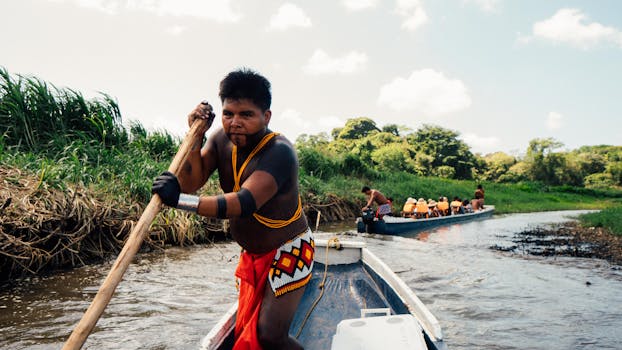
- How to Get There: Fly from Quito to Coca, then a multi-hour motorized canoe journey up the Bobonaza River. This journey itself is an integral part of the experience, offering glimpses of riverine life.
When you visit Sarayaku, your stay directly contributes to their efforts to protect their ancestral rainforest territory from oil extraction and other external threats. Profits are channeled into education, healthcare, and the preservation of their unique Kichwa culture. You'll learn about their ancestral knowledge of the forest, participate in traditional ceremonies (with their consent and guidance), and understand their philosophy of "living well" in harmony with nature.
Authenticity Check:
The guides here are not just guides; they are members of the Sarayaku community, sharing their lived experience and deep connection to their land. You'll taste freshly prepared Amazonian fruits and learn about medicinal plants used for generations.
Planning Your Impactful Indigenous Journey: Practical Advice
Embarking on a trip focused on Indigenous tourism with profit-sharing requires a thoughtful approach. It’s about being a conscious traveler, not just a consumer.
H3: Essential Steps for Planning
- Research Reputable Advisors: Seek out travel advisors who specialize in ethical, sustainable, and Indigenous tourism. Look for those who are passionate about community empowerment.
- Communicate Your Values: Clearly state your desire to support Indigenous communities through profit-sharing models.
- Be Prepared for a Different Pace: Indigenous tourism often operates at a slower, more mindful pace. Embrace it.
- Pack Appropriately: Respect local customs and dress codes. Your advisor can provide specific guidance.
- Learn Basic Phrases: Even a few words in the local language can go a long way in fostering connection.
- Be Open to Learning: Approach every interaction with humility and a genuine desire to understand.
- Respect Sacred Sites and Customs: Always ask for permission before taking photos and be mindful of cultural protocols.
Pro-Tip:
Many Indigenous communities have specific protocols regarding photography. Always ask permission before photographing people, especially elders, and be aware of any restrictions on photographing sacred objects or ceremonies.
The Future of Travel: Why Indigenous Tourism with Profit-Sharing is the Way Forward
The rise of Indigenous tourism with profit-sharing models is more than just a trend; it's a movement towards a more equitable and meaningful way of experiencing the world. Travel advisors who are at the forefront of this movement are not just booking holidays; they are facilitating transformative journeys that leave a positive legacy.
By choosing to travel with this ethos, you become an active participant in empowering Indigenous communities, preserving invaluable cultural heritage, and fostering a deeper, more respectful connection with our planet. It's travel that nourishes the soul, enriches the mind, and most importantly, benefits those who call these incredible places home.
---