The Year of the Conscious Traveler: Community Tourism's Rise
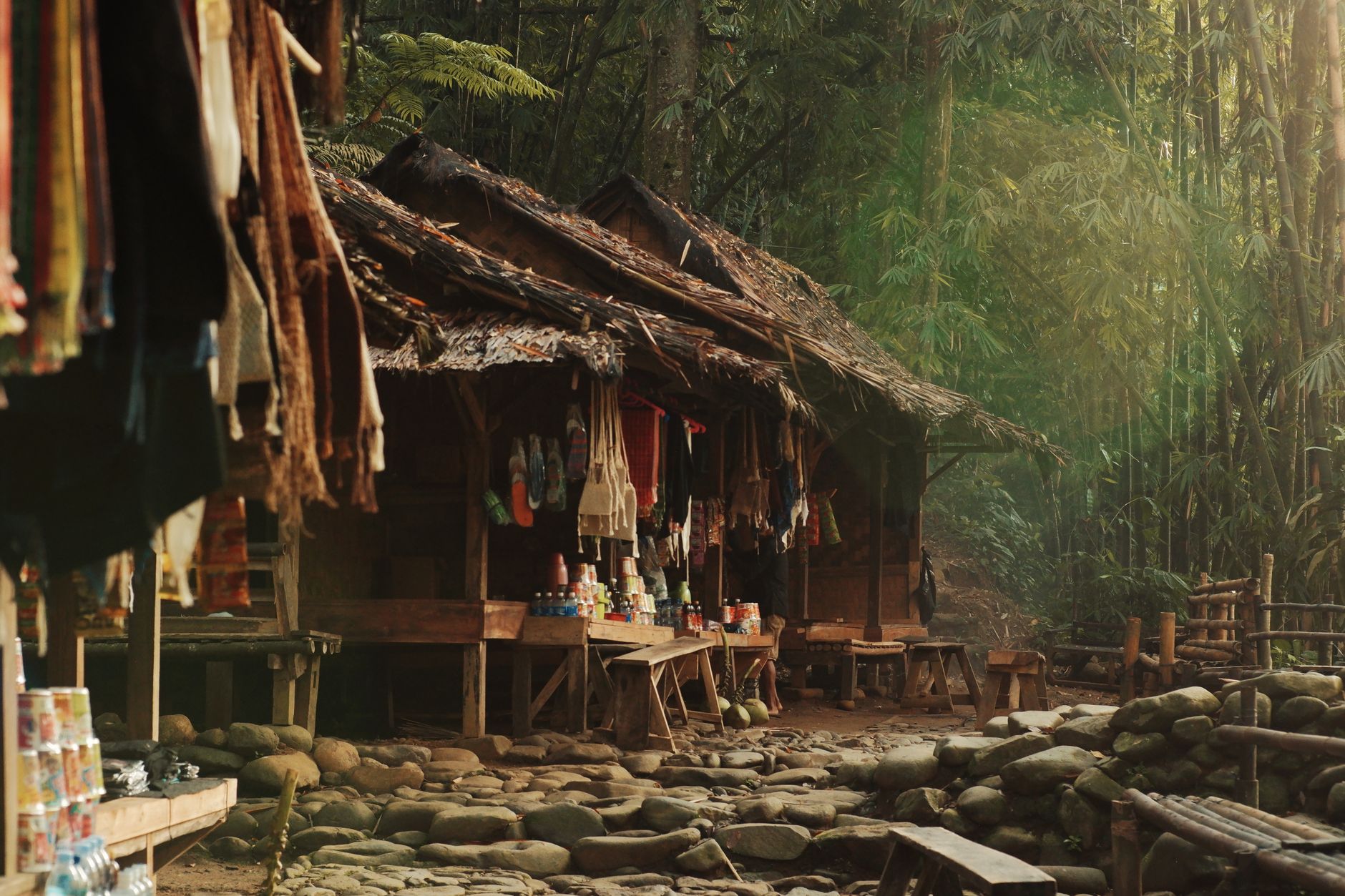
I stepped off the rickety bus, the scent of woodsmoke and roasting corn instantly wrapping around me like a warm hug. Dust motes danced in the shafts of late afternoon sun piercing the canopy of ancient trees. The air thrummed with a rhythm I’d only ever read about – the gentle murmur of conversation in a language I barely understood, the distant clang of a blacksmith’s hammer, the joyous laughter of children chasing a stray chicken. This wasn't a postcard-perfect resort; this was Kullu Valley, India, and in that moment, I knew I’d stumbled upon something profoundly special. This, my friends, is the essence of community tourism, and it’s not just a trend anymore; it’s a movement, and it’s emerging this year with unprecedented force.
For too long, travel has been about what we take from a place. Now, the pendulum is swinging. This year, the focus is firmly on what we give back, on experiences that weave us into the fabric of a destination, benefiting the very people who call it home. Forget generic souvenirs; we’re talking about tangible economic empowerment, cultural preservation, and genuine human connection.
Why Community Tourism is Your Next Must-Do Adventure
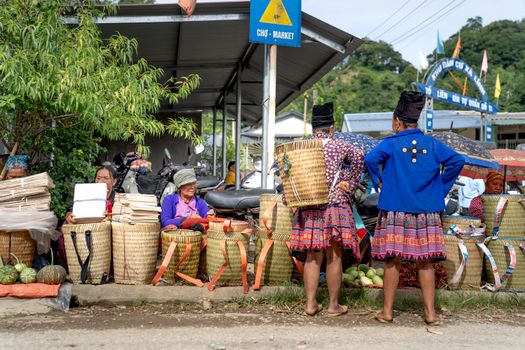
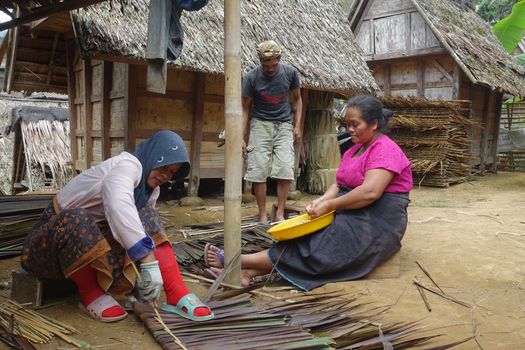
This isn't your typical package holiday. Community tourism is about deep immersion, about stepping beyond the curated facade and into the heart of a place. It’s about experiencing life as it’s lived, not as it’s performed for tourists.
- Economic Empowerment at its Core: When you choose community tourism, your money goes directly to local families, artisans, guides, and homestay owners. This creates sustainable livelihoods, reduces reliance on exploitative industries, and keeps wealth circulating within the community.
- Cultural Preservation: Often, these initiatives are born out of a desire to protect and share unique traditions, languages, and crafts. By participating, you become a patron of living heritage, ensuring these invaluable aspects of human culture don't fade away.
- Authentic Experiences, Unforgettable Memories: You’re not just seeing a place; you’re living it. Think learning to cook a traditional dish with a local matriarch, joining a village festival, or understanding the intricate art of weaving from the master craftsperson. These are the stories you’ll tell for a lifetime.
- Environmental Stewardship: Many community tourism projects are inherently eco-conscious, relying on sustainable practices and respecting the natural environment that sustains them. Your visit can directly support conservation efforts.
Emerging Hotspots: Where to Experience the Magic This Year
The beauty of community tourism is its diversity. It’s blooming in unexpected corners of the globe, each offering a unique flavor of authentic connection.
1. The Andes of Peru: Beyond Machu Picchu
While Machu Picchu reigns supreme, the surrounding Andean communities are where the real magic unfolds. I’ve spent weeks trekking through villages where the rhythm of life is dictated by the sun and the seasons, and the warmth of the people is as breathtaking as the mountain vistas.
Pro-Tip:
Seek out initiatives that focus on traditional weaving cooperatives in regions like Chinchero. The intricate patterns tell stories passed down through generations, and purchasing directly from the weavers ensures they receive fair compensation.
- What to Expect: Homestays with local families, learning about ancient agricultural techniques, participating in traditional ceremonies, guided treks with local guides who know every medicinal plant and hidden trail.
- Insider Lingo: You’ll hear terms like "Ayni" (reciprocity) frequently. It's the Andean philosophy of mutual support, which is at the heart of their community tourism efforts.
2. The Coastal Villages of Ghana: Rhythms of the Atlantic
The vibrant energy of Ghana is infectious, and nowhere is this more apparent than in its coastal communities. Forget the crowded beaches; here, life revolves around the sea, vibrant fishing villages, and a rich history of storytelling.
Pro-Tip:
Engage with Cape Coast’s fishing communities and learn about their daily lives. Many offer tours where you can understand the challenges and triumphs of their trade, and perhaps even help with the morning catch.
- What to Expect: Experiencing traditional fishing methods, learning about local drumming and dance, visiting historical sites with local storytellers who bring the past to life, enjoying incredibly fresh seafood prepared with local spices.
- Authentic Flavors: Don't miss "Jollof rice" – a Ghanaian staple that varies wildly from family to family. Ask your homestay host for their secret recipe!
3. The Highlands of Scotland: Gaelic Whispers and Wild Landscapes
The romantic image of Scotland often conjures up vast glens and ancient castles. But this year, delve deeper into the Scottish Highlands and discover the power of community-led initiatives preserving Gaelic culture and revitalizing rural economies.
Pro-Tip:
Look for small, family-run bed and breakfasts in the Outer Hebrides or Argyll and Bute. Many are actively involved in local heritage projects and can offer insights into Gaelic language classes or traditional music sessions.
- What to Expect: Learning about Gaelic language and folklore, participating in ceilidhs (traditional social gatherings with music and dancing), exploring remote coastlines with local guides, tasting artisanal whiskies and local produce.
- Sensory Detail: The "peat smoke" scent from a turf fire, the "haunting call" of a bagpipe echoing across a loch, the "rough wool" of a hand-knitted jumper.
4. The Mekong Delta, Vietnam: Emerald Rivers and Resilient Spirits
The labyrinthine waterways of Vietnam’s Mekong Delta are a world unto themselves. Community tourism here is about connecting with the incredible resilience and ingenuity of the people who have shaped their lives around this fertile region.
Pro-Tip:
Stay in a homestay on a small island accessible only by boat. You'll witness daily life unfold at a gentle pace, from fruit orchards to rice paddies, and learn about traditional handicraft making.
- What to Expect: Cruising through narrow canals on a sampan, visiting floating markets at dawn, learning to cook local delicacies like "Banh Xeo" (crispy savory pancakes), exploring fruit orchards, and understanding the importance of the river to local life.
- Insider Knowledge: The "best time to visit the floating markets" is between 5 AM and 7 AM for the most vibrant activity.
5. The Villages of Rajasthan, India: Desert Colors and Artisanal Treasures
Beyond the grand palaces and bustling cities, Rajasthan’s desert villages offer a glimpse into a way of life that’s both ancient and incredibly vibrant. Community tourism here is a lifeline for artisans and storytellers.
Pro-Tip:
Visit the "Blue City" of Jodhpur and then venture into the surrounding rural areas. Many initiatives focus on block printing workshops and pottery making, allowing you to learn directly from master craftspeople.
- What to Expect: Experiencing traditional Rajasthani hospitality, learning about intricate textile arts like bandhani (tie-dye) and block printing, participating in local cooking classes, and understanding the challenges faced by desert communities.
- Visual Feast: The "vibrant indigo hues" of Jodhpur’s houses, the "sun-baked ochre" of the desert landscape, the "gleaming silver" of traditional jewelry.
Making Your Community Tourism Trip a Success: The Practicalities
Embarking on a community tourism adventure requires a slightly different approach than a typical vacation. It’s about being prepared, being respectful, and being open to the unexpected.
Quick Facts: Your Community Tourism Toolkit
| Aspect | Estimated Cost ($) | Best Time to Visit | How to Get There |
| :------------------ | :----------------- | :---------------------------------- | :--------------------------------------------------------------------------------------------------------------------------------------------------------------------------------------------------------- |
| Peru (Andes) | $50 - $150/day | April - October (Dry Season) | Fly into Cusco (CUZ). Arrange transport with local tour operators or homestay providers. Many initiatives are in remote areas requiring 4x4 vehicles. |
| Ghana (Coast) | $40 - $100/day | November - March (Dry Season) | Fly into Accra (ACC). Local buses are common, but for remote villages, hiring a driver or using pre-arranged transport from community tourism organizations is recommended. |
| Scotland (Highlands) | $80 - $200/day | May - September (Warmer Months) | Fly into major Scottish airports (e.g., Edinburgh EDI, Glasgow GLA). Ferries are essential for island hopping. Car rental is highly recommended for exploring rural areas. |
| Vietnam (Mekong) | $30 - $70/day | December - April (Dry Season) | Fly into Ho Chi Minh City (SGN). Take buses or trains to provincial towns, then local boats or motorbikes to reach villages. Many homestays can arrange pick-ups. |
| India (Rajasthan) | $40 - $120/day | October - March (Pleasant Weather) | Fly into major cities like Jaipur (JAI) or Jodhpur (JDH). Trains and buses connect cities to smaller towns. Local taxis or pre-booked drivers are best for reaching rural villages. |
Pro-Tip:
Always book through reputable community tourism organizations or directly with homestays. This ensures your money goes where it’s intended and that you’re supporting ethical practices. Websites like the Global Sustainable Tourism Council (GSTC) can be a good starting point for finding certified organizations.
The Art of Being a Conscious Traveler
Community tourism is a partnership. Your presence is a gift, but so is your attitude.
- Be Present: Put down your phone and engage. Ask questions (politely!), listen actively, and be open to learning.
- Respect Local Customs: Dress modestly, learn a few basic phrases in the local language, and always ask permission before taking photos of people.
- Be Patient: Things may not run on a strict schedule. Embrace the slower pace and go with the flow.
- Buy Local: Whenever possible, purchase goods and services directly from community members. This is the most direct way to support their economy.
- Leave No Trace: Minimize your environmental impact. Conserve water and energy, and dispose of waste responsibly.
The Future is Local: Why This Movement Matters
This year marks a pivotal moment. The world is waking up to the fact that true travel experiences are not about ticking off landmarks but about forging connections. Community tourism offers a powerful antidote to mass tourism, fostering understanding, respect, and genuine appreciation for the diverse tapestry of human life.
When you choose community tourism, you’re not just going on vacation; you’re becoming part of something bigger. You’re a catalyst for positive change, an ambassador for a more equitable and sustainable way of exploring our incredible planet. So, this year, pack your curiosity, your open heart, and your sense of adventure. The world is waiting, and it’s ready to welcome you, not as a spectator, but as a welcomed guest.