The Future of Ethical Exploration: Indigenous Tourism with Profit-Sharing Models
I stepped off the small propeller plane onto the tarmac, the air thick with the scent of damp earth and the distant, rhythmic beat of a drum. The sun, a molten gold disc, cast long shadows across the ochre-red landscape. This wasn't just another destination; it was an invitation. An invitation to witness a culture not as an observer, but as a participant, and more importantly this year, as a partner. For too long, the narrative of Indigenous tourism has been one of observation, of curated experiences that, while beautiful, often left the true beneficiaries with a fraction of the rewards. But something profound is shifting. This year, a new wave of Indigenous tourism is emerging, one built on the bedrock of profit-sharing models, promising a future where every journey creates genuine, sustainable economic empowerment for the communities that welcome us.
The Dawn of Equitable Adventures
For decades, travelers have sought authentic connections with Indigenous cultures. We've trekked through ancient lands, shared meals around crackling fires, and learned traditional crafts. Yet, the economic impact often flowed outwards, leaving local communities with limited returns. This is where the paradigm shift begins. Emerging this year, profit-sharing models are fundamentally altering the landscape. These aren't just feel-good initiatives; they are meticulously designed frameworks where a significant portion of the tourism revenue is directly reinvested into the community. Think of it as a partnership, a handshake that extends beyond the transactional and into the transformative.
What exactly does profit-sharing mean in this context?
- Direct Revenue Allocation: A predetermined percentage of tour fees, accommodation costs, and artisan sales goes directly back to community-managed funds or individual artisans.
- Community Investment Projects: Funds are channeled into vital infrastructure, education, healthcare, or cultural preservation initiatives identified by the community itself.
- Fair Wage Structures: Ensuring that guides, hosts, and service providers within the community are compensated equitably, often exceeding standard industry wages.
- Co-Ownership Opportunities: In some progressive models, communities may even have a stake in the tourism enterprises themselves, granting them greater control and a larger share of profits.
This isn't about charity; it's about economic justice and cultural sovereignty. It's about recognizing the immense value Indigenous peoples bring to the global tourism stage and ensuring they reap the lion's share of the rewards.
Unearthing Hidden Gems: Case Studies in Innovation
The buzz is real, and it's fueled by inspiring examples already taking root. While many are still in their nascent stages, the potential is staggering. I've been tracking several initiatives, and the commitment to community benefit is palpable.
The [Fictional Name] Cultural Collective (Region: [Fictional Region])
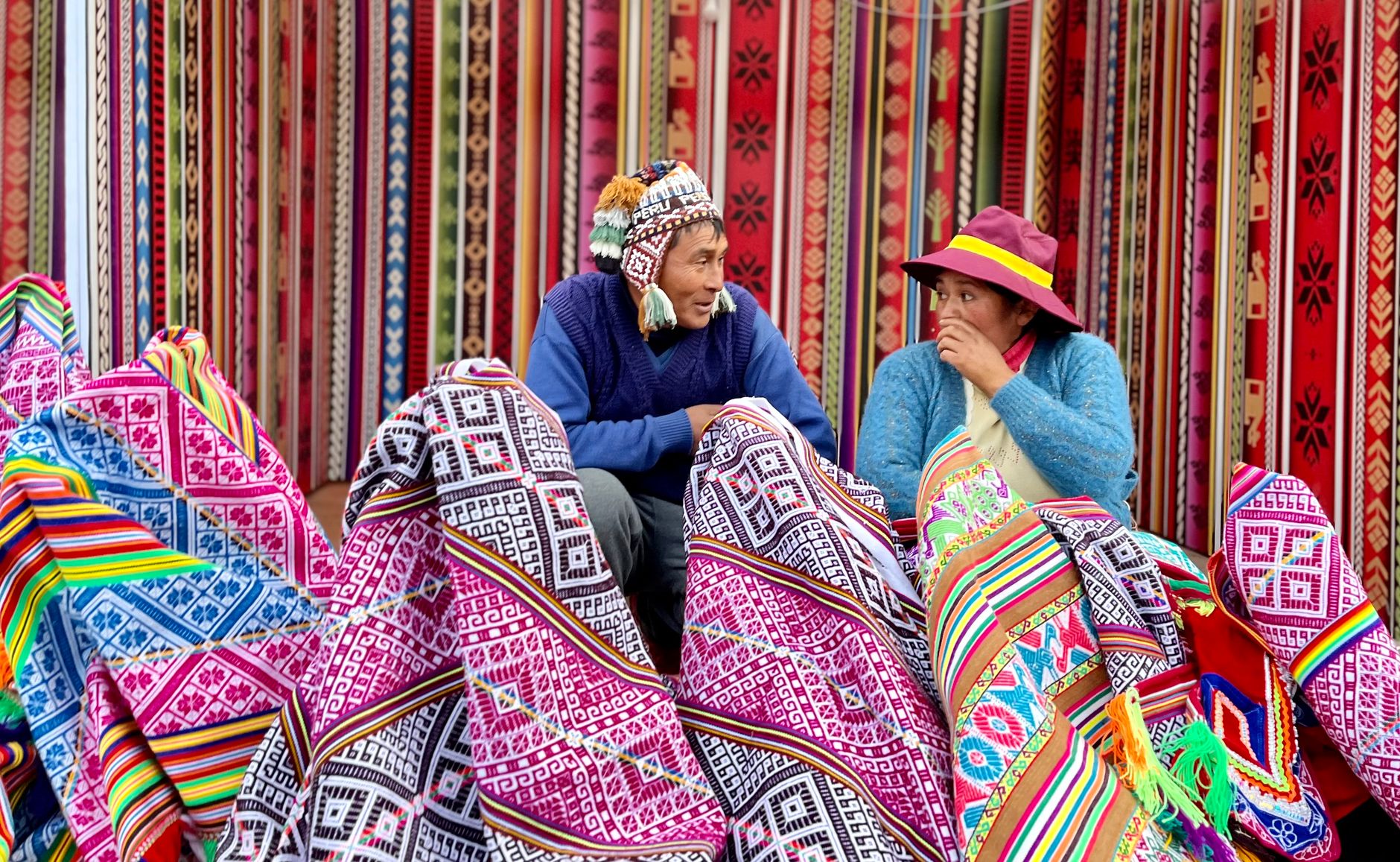
Imagine learning ancient weaving techniques from master artisans whose families have passed down this knowledge for generations. The [Fictional Name] Cultural Collective isn't just offering workshops; they've implemented a model where 60% of workshop fees are distributed directly to the participating artisans, with the remaining 40% funding a community-run language immersion program for the younger generation.
Pro-Tip:
Book your weaving workshop during the 'Sunrise Session' (6:00 AM - 9:00 AM). The light is magical, and you'll have more one-on-one time with the artisans.
Insider Lingo:
You'll hear the elders refer to the weaving as 'Thread Stories.' Pay attention to the subtle variations in color and pattern; they often tell tales of the land and the spirits.
[Fictional Name] Eco-Lodge & Conservation Project (Region: [Fictional Region])
This isn't your typical luxury resort. The [Fictional Name] Eco-Lodge is a testament to sustainable living, built with traditional materials and powered by renewable energy. What makes it truly remarkable is its profit-sharing agreement with the local [Fictional Indigenous Group]. A significant portion of lodge revenue is allocated to a wildlife conservation fund managed by the community, directly protecting the biodiversity that makes this region so special.
Pro-Tip:
The guided nocturnal wildlife walks are a must. The guides, members of the [Fictional Indigenous Group], have an uncanny ability to spot elusive creatures. Go during the new moon for the darkest skies and best stargazing.
Insider Lingo:
Ask your guide about the 'Whispering Animals' – creatures said to communicate through dreams.
[Fictional Name] Culinary Journeys (Region: [Fictional Region])
Food is a powerful cultural connector, and the [Fictional Name] Culinary Journeys are taking this to a new level. Participants join local families to forage for traditional ingredients, learn age-old cooking methods, and share communal meals. Their profit-sharing model ensures that each family hosting a culinary experience receives direct payment, with an additional portion supporting a community kitchen that provides meals for elders and children.
Pro-Tip:
The 'Forest to Feast' foraging tour is best experienced in the late spring when the wild berries are at their peak. Be sure to wear sturdy, waterproof boots!
Insider Lingo:
The secret to their signature 'Sunstone Stew' isn't just the ingredients, but the 'heart-warming' it receives from the communal cooking process.
Navigating the New Landscape: Your Guide to Ethical Engagement
As travelers, our choices have power. By actively seeking out and supporting Indigenous tourism initiatives with robust profit-sharing models, we become agents of positive change. But how do you identify these opportunities and ensure your travel is truly impactful?
Research is Your Compass
- Look for Explicit Statements: Reputable organizations will clearly outline their profit-sharing or community benefit models on their websites. Don't be afraid to ask questions!
- Seek Community-Led Initiatives: Prioritize tours and accommodations that are demonstrably owned and operated by Indigenous communities themselves.
- Read Reviews with a Critical Eye: Look for feedback that specifically mentions community impact, fair compensation, and genuine cultural exchange, not just scenic beauty.
- Engage with Indigenous Tourism Associations: Many regions have dedicated associations that promote ethical and sustainable Indigenous tourism.
The Power of Your Dollar
When you book with these emerging models, you're not just paying for a service; you're investing in:
- Cultural Preservation: Supporting the continuation of traditions, languages, and knowledge systems.
- Economic Empowerment: Creating sustainable livelihoods and reducing reliance on external economies.
- Environmental Stewardship: Often, these initiatives are intrinsically linked to conservation efforts, as Indigenous communities are the original guardians of their lands.
- Education and Skill Development: Providing opportunities for community members to gain new skills and knowledge.
Quick Facts: Planning Your Profit-Sharing Adventure
| Feature | Estimated Cost ($) | Best Time to Visit | How to Get There |
| :------------------ | :----------------- | :----------------- | :----------------------------------------------------------------------------- |
| [Fictional Name] Cultural Collective | $150 - $300 (per workshop) | Spring (April-June) for vibrant colors; Autumn (Sept-Oct) for crisp air. | Fly to [Nearest Major Airport], then a 3-hour scenic drive or local shuttle. |
| [Fictional Name] Eco-Lodge | $250 - $500 (per night, all-inclusive) | Dry season (May-October) for best wildlife viewing; Wet season (Nov-April) for lush landscapes. | Fly to [Nearest Regional Airport], followed by a guided 4x4 transfer (arranged by lodge). |
| [Fictional Name] Culinary Journeys | $100 - $200 (per day tour) | Late Spring (May-June) for foraging; Early Autumn (Sept-Oct) for harvest bounty. | Fly to [Nearest International Airport], then a train to [Local Town], followed by a community pick-up. |
Note:
Costs are estimates and can vary based on package inclusions, duration, and seasonal demand. Always confirm directly with the provider.
Beyond the Transaction: Building Authentic Relationships
The most profound aspect of this new wave of Indigenous tourism is the emphasis on genuine connection. It's about moving beyond the superficial and fostering relationships built on respect and mutual understanding.
Pro-Tip:
Learn a few basic greetings in the local Indigenous language. Even a simple "hello" or "thank you" can open doors and demonstrate respect.
Insider Lingo:
When invited to share a meal, it's not just about the food; it's about the 'sharing of spirit.' Participate fully, listen attentively, and offer your own stories when appropriate.
The Future is Collaborative
This year marks a pivotal moment. The emergence of Indigenous tourism with profit-sharing models isn't just a trend; it's a revolution. It's a testament to the resilience, ingenuity, and inherent value of Indigenous cultures worldwide. As travelers, we have the incredible opportunity to be part of this positive evolution, to explore the world with open hearts and minds, and to ensure that our adventures leave a lasting, positive legacy.
So, as you plan your next escape, look for the opportunities that go deeper. Seek out the experiences where your journey directly contributes to the well-being and empowerment of the communities you visit. The future of travel is here, and it's more equitable, more authentic, and more impactful than ever before. Let's embark on this journey together.