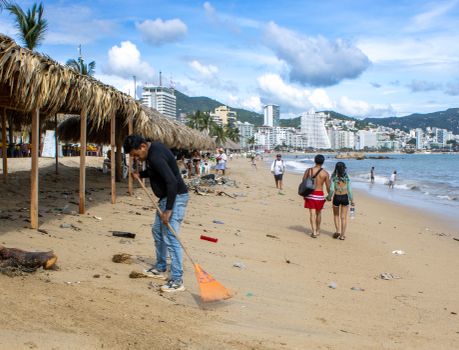
The air was thick with the scent of sunscreen and stale pizza. I stood, shoulder-to-shoulder, in a suffocating throng, all of us craning our necks, cameras aloft, trying to catch a glimpse of the iconic landmark. It was a beautiful, historic place, yes, but my enduring memory isn't of its grandeur; it's of the jostling elbows, the selfie sticks, and the crushing disappointment that this "once-in-a-lifetime" moment felt utterly devoid of magic. I had come seeking wonder, and instead, I found myself just another cog in the machine of mass tourism.
That day was a turning point. It wasn't just about my personal experience; it was about realizing the cumulative impact of millions of "me's" on these cherished places and the communities that call them home. Overtourism isn't just about crowds; it's about strained resources, cultural degradation, environmental damage, and the erosion of what makes a place unique.
But here's the good news: it doesn't have to be this way. My journey since then has been dedicated to discovering a different kind of travel – one that reclaims the joy of discovery, fosters genuine connection, and leaves a positive footprint. This isn't just about being a "good tourist"; it's about unlocking experiences so rich, so authentic, so profoundly rewarding, you'll wonder why you ever traveled any other way. These are the before-you-die travel experiences you need to have, and they all start with one simple principle: travel without contributing to overtourism.
The Problem with Postcards: Understanding Overtourism's Shadow
Before we dive into solutions, let's briefly grasp the beast we're trying to tame. Overtourism occurs when too many visitors flock to a particular destination, exceeding its capacity to sustainably manage the influx. Think Venice sinking under the weight of cruise ship passengers, Barcelona's residents protesting against Airbnb, or Everest's slopes littered with trash.
It manifests in various ways:
* Environmental Degradation: Pollution, waste, damage to natural ecosystems.
* Cultural Erosion: Sacred sites becoming photo ops, commodification of local traditions, loss of authenticity.
* Economic Strain: Rent increases, local businesses being pushed out by tourist traps, jobs that don't benefit the community.
* Quality of Life for Locals: Noise, congestion, feeling alienated in their own homes.
The goal isn't to stop traveling; it's to travel smarter, kinder, and deeper. It's about shifting our mindset from ticking off a list of famous sights to truly experiencing the soul of a place.
1. The Art of Slow Travel: Unpacking Deeper, Living Longer
My most profound travel memories aren't from whirlwind tours, but from settling into a place, letting its rhythm wash over me. Slow travel is the antithesis of the "if it's Tuesday, it must be Belgium" mentality. It's about spending more time in fewer places, allowing for deeper immersion and genuine connection.
Practical Tips for Slow Travel:
* Embrace the Shoulder Seasons: Instead of fighting summer crowds in Paris or Rome, consider spring (April-May) or autumn (September-October). The weather is often pleasant, prices are lower, and the crowds are significantly thinner. I once spent a magical September week in Cinque Terre, Italy – still warm enough for a swim, but the trails were peaceful, and I could actually hear the waves, not just chatter.
* Go Off-Peak, Even in Peak Season: If you must visit a popular spot during high season, strategize. Visit major attractions first thing in the morning (like, before opening) or late in the afternoon. I saw the Sagrada Familia in Barcelona at 8 AM, and for a glorious 30 minutes, it felt like a private viewing.
* Longer Stays, Deeper Roots: Instead of a weekend sprint, aim for a week or more. Rent an apartment through platforms like Airbnb (but choose locally owned properties or guesthouses over corporate rentals) or consider a house swap. This allows you to shop at local markets, cook your own meals, and discover neighborhood gems that guidebooks often miss.
* One Region at a Time: Instead of trying to "do" an entire country, pick a region. For example, explore Puglia in southern Italy instead of rushing from Venice to Florence to Rome. You’ll spend less time traveling and more time experiencing. I spent two weeks exploring the trulli houses and olive groves of Puglia, feeling like I had stumbled into a secret Italy, far from the tourist hordes.
2. Beyond the Postcard: Embracing Local & Lesser-Known Gems
This is where the real magic happens – stepping off the well-trodden path and discovering places that haven't been sanitized for mass tourism. These are the experiences that become legendary stories, not just Instagram posts.
Practical Tips for Finding Hidden Gems:
* Consult Local Experts: Forget the big tour operators. Seek out small, local tour companies, community-based tourism initiatives, or even ask your guesthouse host for recommendations. They know the authentic spots, the best family-run restaurants, and the quietest trails. In Vietnam, a homestay owner in Mai Chau valley introduced me to a local weaving cooperative, an experience far more enriching than any mass-market souvenir shop.
* Seek Out Second Cities & Regional Towns: Instead of Barcelona, consider Valencia or Seville. Instead of Amsterdam, explore Utrecht or Leiden. These cities offer rich culture, history, and beauty without the crushing crowds. My trip to Porto, Portugal, instead of Lisbon, offered equally stunning architecture, delicious food, and a more relaxed, authentic vibe – and a much more affordable experience too!
* Community-Based Tourism (CBT): This is a game-changer. CBT projects are designed and managed by local communities, ensuring that the benefits of tourism directly support them. Think homestays in indigenous villages, guided treks led by local tribes, or cultural workshops. These are often found in places like Nepal, Laos, or Central America. I once spent a week volunteering with a local women's cooperative in a remote village in Guatemala, living with a family, learning basic weaving, and truly understanding their way of life. It was challenging, humbling, and utterly transformative.
* Go Deeper than Google: Use resources like travel blogs from locals, niche travel forums, or even old-fashioned paper guidebooks (often highlight lesser-known spots). Look for places that don't have hundreds of thousands of identical photos on Instagram.
3. Mindful Spending: Supporting Local Economies Ethically
Your money has power. Every dollar, euro, or peso you spend can either contribute to global corporations or directly empower local communities. Choosing wisely is a cornerstone of responsible travel.
Practical Tips for Ethical Spending:
* Eat Local, Drink Local: Skip the international fast-food chains and chain restaurants. Seek out family-run eateries, street food vendors, and local markets. Not only will you discover incredible flavors, but you'll also be putting money directly into the hands of local families. That €5 street crepe in Paris or the $1 bowl of pho in Hanoi tastes infinitely better when you know you're supporting a small business.
* Choose Local Accommodation: Opt for boutique hotels, guesthouses, homestays, or locally owned B&Bs over large international hotel chains. Not only do these often offer a more authentic experience, but your money stays within the community. I stayed at a small riad in Marrakech, run by a local family, and the hospitality and personal touches were unmatched by any resort.
* Shop Smart, Buy Authentic: Resist the urge to buy mass-produced souvenirs. Instead, look for artisan markets, cooperatives, or small independent shops where you can purchase handmade crafts, local art, or regional products. Ask about the origins of goods and support fair trade initiatives. That hand-stitched leather journal I bought from a small artisan in Florence carries a story that a factory-made keychain never could.
* Hire Local Guides: When you need a guide for a hike, a city tour, or a cultural experience, always choose a local, independent guide over a large, international tour company. They often have more in-depth knowledge, personal stories, and a direct stake in preserving their heritage. Plus, their fees directly support their families.
4. Eco-Conscious Choices: Leaving No Trace, Taking Only Memories
Responsible travel extends beyond people to the planet itself. Every decision, from how you pack to how you get around, impacts the environment.
Practical Tips for Eco-Friendly Travel:
* Pack Light, Pack Smart: Reduce your carbon footprint by minimizing luggage weight. Bring reusable items like a water bottle, a coffee cup, a tote bag, and solid toiletries to reduce plastic waste. My reusable water bottle has saved me countless plastic bottles (and money!) over the years.
* Public Transport is Your Friend: Embrace trains, buses, trams, and even bicycles. They're often more scenic, cheaper, and significantly more environmentally friendly than taxis or rental cars. Navigating Tokyo's incredible subway system or cycling through the Dutch countryside are experiences in themselves.
* Respect Nature & Wildlife: Stick to marked trails, don't feed wild animals, and never leave trash behind. Support ethical wildlife sanctuaries and avoid attractions that exploit animals (e.g., elephant riding, tiger petting).
* Conserve Resources: Be mindful of your water and electricity consumption in your accommodation. Turn off lights and AC when you leave, take shorter showers.
* Learn a Few Phrases: Making an effort to speak the local language, even just "hello," "please," and "thank you," shows respect and can open doors to warmer interactions.
5. The Digital Nomad's Advantage: Deep Dives & Extended Stays
For those with the flexibility, remote work offers an unparalleled opportunity to travel without contributing to overtourism. By settling in a place for weeks or months, you transition from tourist to temporary local.
Practical Tips for the Long-Term Traveler:
* Rent Locally: Instead of hotels, rent an apartment or house for an extended period. This allows you to integrate into a neighborhood, discover local hangouts, and support local landlords.
* Join Local Groups: Seek out expat groups, language exchange meetups, or hobby clubs. You'll meet locals and other long-term residents who can share insider tips and introduce you to authentic experiences.
* Volunteer or Learn a Skill: Dedicate part of your extended stay to volunteering with a local organization or taking a class (cooking, language, art). This provides a structured way to connect with the community and give back. I spent a month in Chiang Mai, Thailand, taking a traditional Thai massage course, and it completely changed my perception of the city – I was no longer a visitor, but a student, part of the fabric.
* Explore Surrounding Areas: With more time, you can take day trips to smaller towns and villages that are inaccessible to short-term tourists, further spreading the economic benefits of your presence.
6. Before You Die: Transformative Experiences You Need to Have
These aren't just trips; they're journeys that change you, leaving an indelible mark on your soul. They embody the spirit of mindful, anti-overtourism travel.
- Trek the Lesser-Known Annapurna Foothills (Nepal): Instead of the crowded main Everest Base Camp route, explore the quieter, equally stunning trails of the Annapurna region, staying in local teahouses. The views are breathtaking, the hospitality is genuine, and your trekking fees directly support mountain communities. Budget: ~$50-70/day including guide, porter, food, and accommodation.
- Live in an Agriturismo in Rural Tuscany/Puglia (Italy): Forget Florence's Uffizi queues. Spend a week or two on a working farm in the Italian countryside. Learn to make pasta, harvest olives, or tend vineyards. You'll eat incredible, hyper-local food, interact with the family, and wake up to rolling hills, not bus fumes. Budget: ~$100-200/night for accommodation, often includes meals or cooking classes.
- Explore Slovenia's Julian Alps & Lake Bohinj: While Lake Bled gets the Instagram fame, its quieter, larger neighbor, Lake Bohinj, offers equally stunning scenery, fewer crowds, and endless opportunities for hiking, kayaking, and connecting with nature. Stay in a small guesthouse in a nearby village. Budget: ~$70-120/night for accommodation, activities vary.
- Discover Japan's Shikoku Island: Beyond Tokyo and Kyoto, Shikoku offers ancient pilgrimage routes (the 88 Temple Pilgrimage), remote fishing villages, and dramatic coastlines. It's a land of myths and natural beauty, largely untouched by mass tourism. Rent a car and explore at your own pace, staying in traditional ryokans. Budget: ~$100-200/day for accommodation and food, car rental extra.
- Volunteer at an Ethical Wildlife Sanctuary in Costa Rica: Spend a few weeks contributing to conservation efforts, caring for rescued animals, and learning about biodiversity. You'll gain a profound appreciation for nature and leave with a sense of purpose. Many sanctuaries offer programs for ~$500-1000/week, including food and accommodation.
- Explore the Southern Balkans (Albania, North Macedonia): These countries offer incredible history, stunning mountains, pristine lakes, and vibrant cultures at a fraction of the cost and crowd levels of Western Europe. Think ancient Roman ruins, Ottoman bazaars, and crystal-clear waters, all with warm, welcoming locals. Budget: ~$40-80/day for accommodation, food, and transport.
Conclusion: Your Journey, Reimagined
Traveling without contributing to overtourism isn't about sacrifice; it's about enhancement. It's about choosing quality over quantity, connection over consumption, and authenticity over superficiality. It’s about rediscovering the true spirit of exploration and leaving places better than you found them.
The world is vast and full of wonders, many still waiting to be discovered by those willing to look beyond the obvious. By adopting these principles, you're not just taking a trip; you're embarking on a journey of mindfulness, empathy, and profound personal growth. You're becoming part of the solution, ensuring that the beauty and culture of our planet endure for generations to come.
So, what are you waiting for? Stop dreaming of crowded landmarks and start planning your next transformative adventure. Share your favorite off-the-beaten-path destinations in the comments below, and let's inspire each other to travel more consciously!
---