The year was 2017, and I was standing on a tiny, picturesque bridge in Venice, elbow-to-elbow with what felt like a thousand other people, all jostling for the same photo of a gondola passing beneath. The air was thick with selfie sticks, the sound of a hundred different languages clamoring, and a distinct lack of the romantic, serene Venice I’d dreamt of. Instead of enchantment, I felt a crushing disappointment, a sense of being part of a problem I hadn't fully understood: overtourism.
That moment was my wake-up call. I’d spent years chasing Instagram-perfect shots in popular destinations, often feeling more like a commodity than a traveler. The magic was gone, replaced by an overwhelming sense of guilt and exhaustion. Venice wasn't just crowded; it felt stressed. Its canals were choked, its infrastructure strained, its local residents priced out or fed up. It hit me like a ton of bricks: I was part of the problem.
This wasn't just about my personal experience; it was about the profound impact mass tourism was having on fragile ecosystems, local cultures, and the very authenticity of the places I claimed to love. I knew then that my approach to travel had to change, not just for my own enjoyment, but for the health of the planet and its people. And let me tell you, that decision to travel differently didn't just alter my itineraries; it changed my life forever. It opened up a world of deeper connections, richer experiences, and a profound sense of purpose I never knew travel could offer.
The Overtourism Wake-Up Call: Why We Need a New Way to Wander
Overtourism isn't just a buzzword; it's a critical issue where the sheer volume of visitors overwhelms a destination's capacity, leading to environmental degradation, cultural erosion, economic displacement of locals, and a diminished experience for everyone. Think of the disappearing coral reefs, the plastic-choked beaches, the skyrocketing rents in historic city centers, or the local traditions commodified into tourist traps. This was the reality I faced in Venice, and it spurred me to action.
My journey to mindful travel began with a simple question: "How can I explore the world without being part of the problem?" It wasn't about stopping travel altogether; it was about redefining what travel meant. It meant moving beyond the curated highlights reel and seeking out experiences that truly enriched both me and the places I visited. This transformation wasn't instant, but it began with a conscious choice to slow down, look deeper, and listen more. The shift from "tourist" to "traveler" isn't just semantics; it's a fundamental change in mindset, and it's the most rewarding journey I've ever embarked on.
1. Beyond the Postcard: Embracing Off-Peak & Off-Grid Adventures
One of the simplest yet most impactful ways to combat overtourism is to diversify when and where you go. For years, I was a slave to peak season, lured by the promise of perfect weather and bustling atmospheres. Now, I actively seek out the "shoulder season" or even the low season.
Practical Tips:
* Travel in Shoulder Seasons: Instead of July/August, consider May/June or September/October for Europe. You'll still get great weather, but fewer crowds and often better prices. I once visited Cinque Terre in late October; the weather was crisp, the trails were quiet, and the local focaccerias were filled with locals, not just tourists. It was magical.
* Explore Lesser-Known Regions: Instead of flocking to Tuscany, consider Puglia in southern Italy. I spent a week in Alberobello, staying in a charming trullo for just €80/night, exploring whitewashed towns like Ostuni and Lecce, feasting on orecchiette pasta made by nonnas, and discovering empty beaches along the Adriatic coast. It was authentically Italian, incredibly beautiful, and blissfully uncrowded.
* Seek Out Second Cities: Everyone goes to Paris, Rome, or Barcelona. But what about Lyon, Bologna, or Valencia? These cities offer incredible culture, food, and history without the same level of tourist saturation. My trip to Lyon, France, was a culinary revelation – the food scene is arguably better than Paris, and I could actually get a table at a bouchon (traditional Lyonnaise restaurant) without a two-week reservation.
* Embrace Rural Tourism: Focus on national parks, small villages, or agricultural regions. In Vietnam, instead of the bustling Halong Bay, I ventured to the stunning rice terraces of Ha Giang. I rented a motorbike for $7/day and spent four days navigating the incredible "Ha Giang Loop," staying in homestays for $10/night, sharing meals with local Hmong families, and witnessing landscapes that felt untouched. It was an adventure that transcended any Instagram feed.
Why it changed my life:
Discovering these hidden gems felt like unlocking secret levels of the world. I wasn't just seeing sights; I was experiencing places in their natural rhythm, free from the overwhelming tourist infrastructure. It made me feel like a true explorer, not just another face in the crowd.
2. Slow Travel: Deeper Connections, Lighter Footprint
The biggest shift in my travel philosophy has been embracing slow travel. Forget the frantic dash to see five cities in seven days. Slow travel is about immersing yourself, staying longer, and truly connecting with a place. It’s about quality over quantity, depth over breadth.
Practical Tips:
* Stay Longer in Fewer Places: Instead of short hops, aim for a week or more in one location. This allows you to unpack, settle in, and explore beyond the main attractions. My longest slow travel stint was a month in Oaxaca, Mexico. I rented an Airbnb for $600 for the month, giving me a base to learn Spanish, take a traditional cooking class, volunteer at a local animal shelter, and truly understand the vibrant culture.
* Rent an Apartment or Homestay: Ditch the chain hotels. Opt for local guesthouses, B&Bs, or Airbnb/Vrbo rentals owned by locals. This puts money directly into the local economy and offers a more authentic living experience. I’ve learned so much about daily life just by chatting with my hosts over morning coffee.
* Live Like a Local: Shop at local markets, cook your own meals, use public transport, and frequent local cafes and bars. In Rome, instead of tourist traps near the Colosseum, I discovered a bustling local market in Testaccio, where I'd buy fresh produce, cheese, and cured meats for a fraction of the price, and enjoy an authentic carbonara at a family-run trattoria tucked away on a side street.
* Walk, Bike, or Public Transport: Minimize your carbon footprint and experience a place more intimately. I've discovered so many hidden gems simply by walking aimlessly down a street I hadn't planned to explore.
Why it changed my life:
Slow travel transformed me from a passive observer into an active participant. I stopped collecting passport stamps and started collecting stories, friendships, and a genuine understanding of different cultures. It taught me patience, adaptability, and the profound joy of simply being in a place.
3. Empowering Local Communities: Your Dollar, Their Future
One of the most powerful ways to travel responsibly is to ensure your money directly benefits the local people and economy, rather than multinational corporations. Every dollar you spend has an impact, and choosing wisely can be a game-changer for communities struggling with the pressures of mass tourism.
Practical Tips:
* Support Local Businesses: Choose locally owned restaurants, shops, tour operators, and accommodations. Skip the global chains. My favorite memories often involve a tiny, family-run restaurant where the owner insists you try their special dish, or a small artisan shop where you can watch the craftsman at work.
* Buy Local Crafts & Souvenirs: Look for authentic, handmade goods directly from artisans. Avoid mass-produced items often imported from other countries. In Guatemala, I visited a women's weaving cooperative in the highlands, where I bought a beautiful huipil (traditional blouse) directly from the women who made it, knowing my money went straight to supporting their families and preserving their ancient craft.
* Eat Local, Eat Fresh: Seek out street food, local markets, and small eateries. Not only is it often more delicious and authentic, but it also supports local vendors. In Thailand, my daily budget for food was often less than $10, spent entirely on incredible street food from vendors who had been perfecting their pad Thai or mango sticky rice for generations.
* Hire Local Guides: When taking tours, choose small, local companies or independent guides who truly know the area and its history, rather than large international operators. They often provide richer insights and ensure your money stays in the community. I hired a local guide for a hike through the Atlas Mountains in Morocco, and his stories about Berber culture and the local flora and fauna were far more enriching than any guidebook.
* Community-Based Tourism (CBT): Look for initiatives where tourism is managed and owned by local communities, with profits directly benefiting residents and conservation efforts. These often involve homestays, cultural experiences, and treks that are designed to be sustainable and respectful.
Why it changed my life:
This approach transformed my travel from a personal indulgence into a form of active contribution. It felt good to know my presence was a positive force, not a burden. The connections forged with local people, seeing their pride in their culture and craft, are some of my most cherished memories. It taught me the true meaning of "travel with purpose."
4. Mindful Exploration: Treading Lightly, Learning Richly
Responsible travel isn't just about economic impact; it's also about environmental and cultural stewardship. Being a mindful traveler means minimizing your footprint and maximizing your positive interactions.
Practical Tips:
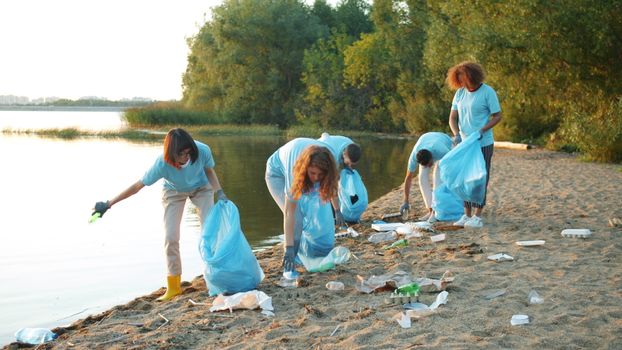
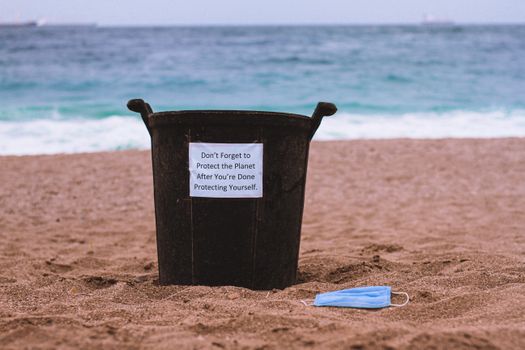
* Reduce Your Waste: Carry a reusable water bottle (many hotels now have filtered water stations), a reusable shopping bag, and a coffee cup. Say no to plastic straws. This is especially crucial in places with limited waste management infrastructure. In Southeast Asia, witnessing the plastic pollution first-hand solidified my commitment to zero-waste travel.
* Respect Local Culture & Customs: Research local etiquette, dress codes, and social norms before you go. Learn a few basic phrases in the local language. Ask for permission before taking photos of people. Being respectful shows you value their culture, not just their scenery. A simple "hello" or "thank you" in the local tongue can open doors and warm hearts.
* Support Ethical Wildlife Tourism: Avoid attractions that exploit animals (e.g., elephant riding, tiger petting, swimming with captive dolphins). Instead, opt for reputable sanctuaries, national parks, or ethical wildlife viewing tours where animals are observed in their natural habitats. My visit to a genuine elephant sanctuary in Chiang Mai, Thailand, where rescued elephants roamed freely, was profoundly moving and a stark contrast to the exploitative camps I'd seen before.
* Leave No Trace: Pack out everything you pack in. Stick to marked trails. Don't disturb wildlife or natural habitats. This applies to both wilderness and urban environments.
* Educate Yourself: Learn about the history, challenges, and aspirations of the places you visit. This deeper understanding enriches your experience and helps you make more informed choices.
Why it changed my life:
This mindful approach made me a more observant and empathetic traveler. I started seeing the world not just as a backdrop for my adventures, but as a complex tapestry of interconnected ecosystems and cultures, each deserving of respect and protection. It instilled in me a sense of responsibility that extends far beyond my travels.
5. The Art of Unplanning: Embracing Serendipity
For years, my travel itineraries were meticulously planned, every hour accounted for. But the biggest revelation in my journey away from overtourism was learning the art of unplanning. It’s about leaving room for spontaneity, embracing the unexpected, and allowing a place to reveal itself to you.
Practical Tips:
* Book Less in Advance: While some things (flights, initial accommodation) need booking, leave room for flexibility. Don't book every single day of your trip.
* Follow Local Recommendations: Talk to your guesthouse host, a local shopkeeper, or a friendly barista. Ask them where they go for dinner, what their favorite local park is, or what hidden gem they love. These insider tips are invaluable. In Lisbon, my Airbnb host suggested a tiny fado bar in Alfama that was completely off the tourist radar, where I spent an unforgettable evening listening to soulful music with a handful of locals.
* Wander Aimlessly: Allocate time each day or week to simply walk without a specific destination in mind. Get lost (safely, of course!). You'll stumble upon charming cafes, street art, local markets, and architectural details you'd never find in a guidebook. My favorite discoveries often happen when I turn down an alley just because it looks interesting.
* Embrace Downtime: Don't feel pressured to see everything. Sometimes the best travel moments are simply sitting in a park, people-watching, or enjoying a quiet coffee. This allows for reflection and absorption, which is crucial for genuine connection.
Why it changed my life:
Unplanning taught me to trust my instincts, to be present, and to find beauty in the unexpected. It freed me from the pressure of "checking off boxes" and allowed me to truly connect with the serendipitous magic of travel. It made every trip feel like an unfolding adventure, full of delightful surprises.
My Life, Transformed by Mindful Travel
The decision to travel without contributing to overtourism wasn't just a tweak to my itineraries; it was a complete overhaul of my perception of the world and my place within it. I’ve traded crowded landmarks for quiet moments of profound connection. I’ve swapped rushed itineraries for deep dives into local life. I’ve replaced superficial sightseeing with meaningful interactions that have enriched my understanding of humanity.
This shift has made me a more patient, empathetic, and resourceful person. It’s taught me the value of slowing down, listening intently, and appreciating the subtle nuances of different cultures. My adventures now feel purposeful, not just pleasurable. I’ve found a way to explore the world that aligns with my values, leaving a lighter footprint and fostering genuine connections.
From sharing home-cooked meals with families in rural Vietnam to discovering hidden artisanal workshops in Moroccan medinas, from hiking pristine trails in Patagonia far from the crowds to learning traditional weaving techniques in Guatemala – these are the moments that truly changed my life forever. They are the stories I carry, the lessons I've learned, and the connections that continue to inspire me long after I've returned home.
Are you ready to redefine your travel story? Are you ready to move beyond the crowds and discover the profound beauty of authentic, responsible exploration? The world is waiting, not just to be seen, but to be truly experienced, respected, and cherished.
So, what's your next mindful adventure going to be? Share your thoughts in the comments below, or tell us about a hidden gem you've discovered! Let’s build a community of conscious travelers who make a difference, one journey at a time.
---