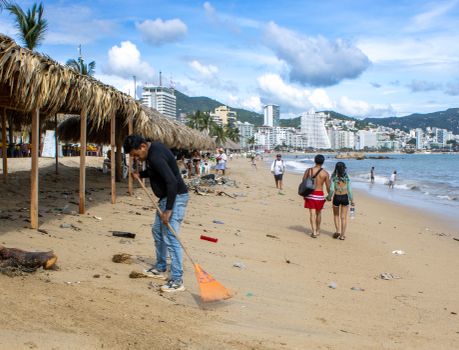
The sun was setting over Oia, Santorini, painting the iconic caldera in hues of orange and pink. It was breathtaking, truly. But as I squeezed past a hundred other tourists, all vying for the exact same Instagram shot, I felt a familiar pang of guilt. The magic was diluted, not just for me, but for the residents whose homes were now backdrops for a global photo op. A local woman, her face etched with a mix of weariness and resignation, swept her doorstep, her gaze darting past the selfie sticks with an almost imperceptible sigh. In that moment, the romantic veneer of my "dream trip" cracked. I realized I was part of the problem.
That wasn't the first time, nor the last, I'd felt that unease. From the choked canals of Venice to the overcrowded trails of Machu Picchu, overtourism has become the silent, destructive undertow of our wanderlust. It erodes local cultures, strains infrastructure, displits residents, and ultimately, diminishes the very authenticity we seek. But what if there was another way? What if we could explore the world, marvel at its wonders, and connect with its people without leaving a trail of environmental and social disruption?
I’ve spent years chasing authentic experiences, often stumbling, sometimes succeeding, and always learning. And through it all, I’ve discovered a collection of "secrets" – not really secrets, but rather conscious choices and mindful practices – that allow us to travel in a way that truly enriches both us and the places we visit. These are the insights locals often wish tourists knew, the keys to unlocking a more respectful, sustainable, and deeply rewarding journey. Ready to travel better? Let’s dive in.
---
1. Beyond Peak Season & Postcard Spots: The Art of Timing and Location
The most direct way to avoid overtourism is to simply not be there when everyone else is, or not go there at all. It sounds obvious, but it requires a shift in mindset from ticking off bucket-list items to embracing flexibility and discovery.
The Timing Tactic: Embrace the Shoulder Season
Everyone wants to see Rome in July or Kyoto during cherry blossom season. The result? Shoulder-to-shoulder crowds, inflated prices, and stressed locals. Instead, consider the shoulder seasons – the periods just before or after peak.
* My Story: A few years ago, I dreamt of seeing Cinque Terre. All my friends warned me about the summer crowds. Instead, I went in late September. The weather was still glorious, the water warm enough for a dip, and the trails were pleasantly busy, not overwhelmingly packed. I found a quiet spot in Manarola to watch the sunset, shared a delicious pesto pasta with a local family at a trattoria they recommended, and felt like I was truly experiencing Italy, not just observing a tourist spectacle. The train tickets were cheaper, my Airbnb was more affordable, and the locals seemed genuinely more relaxed and welcoming.
* Actionable Tip: Research a destination's peak season and aim for 2-4 weeks before or after. You'll often find better weather than the off-season, lower prices, and significantly fewer crowds. Avoid major holidays and festivals unless you're specifically traveling for them and are prepared for the influx.
The Location Tactic: Disperse, Discover, Delight
Instead of flocking to the most famous city or attraction, broaden your horizons. Many countries have equally beautiful, culturally rich, and less-visited regions.
* My Story: When friends asked for Italy recommendations, everyone said Venice or Florence. I suggested Puglia. They looked at me blankly. "Puglia? Where's that?" I spent two weeks there, exploring whitewashed towns like Ostuni and Alberobello, lounging on pristine beaches near Polignano a Mare, and indulging in incredible, affordable food. I stayed in a charming masseria (farmhouse) for about €80 a night, learning to make orecchiette pasta from the owner's nonna. It was authentic, unhurried, and refreshingly devoid of massive tour groups. The locals were genuinely curious and welcoming, not jaded by constant tourist demands.
* Actionable Tip: If your heart is set on a popular country, research its lesser-known regions. Instead of Barcelona, consider Valencia or San Sebastian. Instead of Amsterdam, explore Utrecht or Groningen. Instead of Bali, look into Lombok or Flores. Use local blogs, travel forums, and even academic papers on sustainable tourism to find recommendations for places actively trying to attract mindful travelers.
---
2. Money Talks: Empowering Local Economies, Not Exploiting Them
Where your money goes matters. A lot. The tourism industry can be a double-edged sword, bringing in revenue but often funneling it to large international corporations rather than directly benefiting the local community. Conscious spending is your superpower.
Support Small, Support Local, Support Authentic
This means choosing independently-owned businesses over international chains, from your coffee shop to your souvenir purchases.
* My Story: In Chiang Mai, Thailand, I consciously avoided the large tour operators and chain restaurants. Instead, I sought out a cooking class run by a local family from their home kitchen – it cost me about 1200 THB (~$35 USD) and included a market visit and a feast of dishes I'd helped prepare. I ate street food from vendors who'd been there for decades, bought textiles from a co-op supporting hill tribe women, and even got my laundry done at a tiny shop run by an elderly couple. Each interaction felt genuine, and I knew my money was directly supporting their livelihoods, not some distant corporate HQ.
* Actionable Tip:
* Accommodation: Opt for locally-owned guesthouses, boutique hotels, homestays, or even ethical glamping sites. Websites like Airbnb can be good, but prioritize hosts who are actual residents, not absentee landlords running multiple properties.
* Food: Eat at local markets, street food stalls, family-run restaurants (trattorias, izakayas, warungs). Ask your guesthouse host or a local shopkeeper for recommendations – they know the best spots!
* Shopping: Buy souvenirs directly from artisans, local craft markets, or fair-trade shops. Avoid mass-produced items made abroad.
* Tours/Activities: Hire local guides directly. They offer invaluable insights, often share personal stories, and ensure your money stays in the community. Look for community-based tourism initiatives.
---
3. Slow Down, See More: Embracing the Pace of True Immersion
The "if it's Tuesday, it must be Belgium" mentality is a major contributor to overtourism. Rushing through a destination means you're just skimming the surface, hitting the highlights, and moving on. This concentrated pressure on a few key sites is exactly what overtourism thrives on.
The Art of Slow Travel
Slow travel isn't just a trend; it's a philosophy. It means spending more time in fewer places, allowing yourself to truly absorb the atmosphere, connect with people, and stumble upon unexpected joys.
* My Story: My first trip to Paris was a whirlwind: Eiffel Tower, Louvre, Notre Dame, repeat. I saw everything but felt nothing. On a subsequent trip, I decided to "slow travel." I rented an apartment in the 11th arrondissement for a week. Instead of daily museum sprints, I spent mornings at local bakeries, afternoons wandering obscure arrondissements, and evenings picnicking by the Canal Saint-Martin with wine bought from a neighborhood caviste. I befriended the owner of a tiny bookstore, learned a few French phrases beyond "bonjour," and discovered hidden courtyards and street art. I didn't "do" as much, but I experienced infinitely more. It cost me about €600 for the week for the apartment, but the memories were priceless.
* Actionable Tip:
* Longer Stays: Instead of visiting 5 cities in 10 days, pick 1 or 2 and spend 4-5 days in each. Or even better, choose one base and take day trips.
* Unschedule: Leave blank spaces in your itinerary. Allow for spontaneity. Get lost. Follow a scent, a sound, or a local's recommendation.
* Embrace Public Transport: Instead of rushing between cities by plane, take a train or bus. The journey itself becomes part of the experience, offering glimpses into local life you'd otherwise miss.
---
4. Ditch the List, Embrace the Local: Finding Authentic Experiences
Guidebooks and Instagram feeds often lead us to the exact same spots. While some iconic landmarks are worth seeing, true immersion comes from veering off the well-trodden path.
Seek Out the Unscripted
The most memorable travel moments often happen when you least expect them, away from the tourist traps.
* My Story: In Lisbon, Portugal, everyone flocks to the historic Alfama district. I did too, initially. But then, chatting with a barista at a tiny cafe, I asked him where he went to unwind. He pointed me towards the LX Factory, an industrial area transformed into a hub of independent shops, restaurants, and art studios. It was vibrant, authentic, and filled with locals enjoying their city. I spent an entire afternoon browsing quirky boutiques, sipping craft beer, and listening to live music. It wasn't in any guidebook I had, and it became one of my favorite memories – a glimpse into Lisbon's contemporary soul, far from the sardine-can crowds of Alfama.
* Actionable Tip:
* Ask Locals: The simplest and best way to find hidden gems. Ask your hotel staff, a shopkeeper, a taxi driver, or even someone you strike up a conversation with at a park: "Where do you go for [best coffee/quietest park/authentic meal]?"
* Explore Neighborhoods: Go beyond the main tourist areas. Every city has residential neighborhoods with their own unique charm, local markets, and community life.
* Use Niche Apps/Blogs: Look for blogs written by locals or expat residents. Apps like Atlas Obscura can point you to quirky, overlooked attractions.
* Learn Basic Phrases: Even a few words in the local language (hello, thank you, please, excuse me) can open doors and show respect, making locals more likely to engage with you.
---
5. Leave No Trace, Leave a Legacy: Respecting People and Planet
Responsible travel isn't just about where you go or how you spend your money; it's fundamentally about how you behave. This encompasses both environmental and cultural respect.
Be a Mindful Visitor
Think of yourself as a guest in someone else's home – because you are.
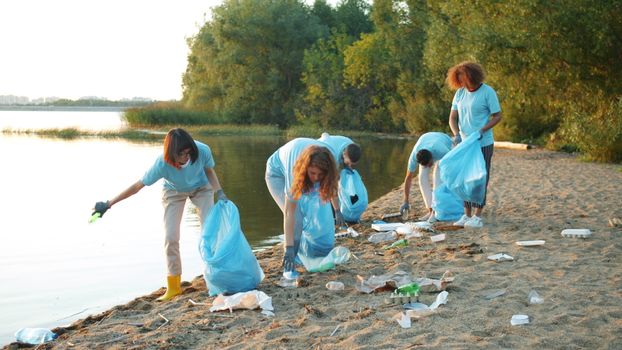
* My Story: Hiking in Patagonia, Argentina, I was struck by the pristine beauty of the landscapes. It was heartbreaking to see the occasional plastic bottle or food wrapper discarded along the trail. Our guide was meticulous about packing out everything we packed in, even our food scraps. He also shared stories about the local Tehuelche people and their deep connection to the land. This reverence for both nature and culture resonated deeply. It wasn't just about not littering; it was about understanding the spirit of the place.
* Actionable Tip:
* Environmental Impact:
* Reduce Waste: Carry a reusable water bottle, coffee cup, and shopping bag. Say no to plastic straws.
* Conserve Resources: Turn off lights and AC when leaving your room. Take shorter showers.
* Respect Wildlife: Maintain a safe distance, never feed wild animals, and choose ethical animal encounters (e.g., avoid elephant riding).
* Pack it Out: If you're hiking or visiting natural areas, leave absolutely no trace.
* Cultural Impact:
* Dress Appropriately: Especially when visiting religious sites. Research local customs beforehand.
* Ask Before Photographing: Always ask for permission before taking photos of people, especially children. Be mindful of cultural sensitivities around photography.
* Learn & Observe: Take time to understand local customs, traditions, and social etiquette. Acknowledge and respect differences.
* Bargain Fairly, Not Aggressively: If bargaining is customary, do so respectfully. Remember that a few cents might mean little to you but a lot to a local vendor.
* Be Patient and Polite: Things might operate differently than what you're used to. Embrace the difference, don't get frustrated.
---
6. The Unsung Heroes: Choosing Responsible Accommodation & Transport
Your choices for where you sleep and how you move around have a significant impact on your travel footprint and contribution to overtourism.
Conscious Choices, Big Impact
Beyond just supporting local, consider the ethics of your choices.
* Accommodation:
* My Story: In Hoi An, Vietnam, I chose a small, family-run guesthouse just outside the bustling Ancient Town. It cost me about $25/night, including breakfast. The family was incredibly warm, offering me homemade spring rolls and sharing stories about their lives. They also provided bicycles for guests, encouraging us to explore the rice paddies and less-visited parts of the town, diverting us from the main tourist drag. I felt like I was truly part of the community, not just a guest in a soulless hotel.
* Actionable Tip: Look for eco-certified hotels, guesthouses with strong community engagement programs, or those that clearly state their commitment to sustainability. Prioritize places that employ locals, source food locally, and minimize their environmental footprint. Read reviews carefully – sometimes "eco-friendly" is just greenwashing.
* Transportation:
* My Story: Exploring Copenhagen, I didn't once hail a cab or use a ride-sharing app. I walked everywhere, rented a bike for a day (for about 100 DKK or $15 USD), and utilized their excellent public transport system. It was efficient, affordable, and allowed me to move through the city like a local, observing daily life rather than being insulated in a private vehicle.
* Actionable Tip:
* Walk & Bike: The best ways to experience a city up close and with zero emissions.
* Public Transport: Buses, trains, trams, and subways are often excellent, affordable, and a great way to observe local life.
* Offset Flights: If flying is unavoidable, consider offsetting your carbon emissions through reputable programs.
* Choose Direct Flights: Fewer take-offs and landings mean less fuel consumption.
* Consider Overland Travel: For shorter distances, trains, buses, or even carpooling can be more environmentally friendly and offer a richer travel experience.
---
7. Digital Detox for Deeper Connection: Be Present, Be Real
In our hyper-connected world, it's easy to travel with one eye on our phone, curating content for social media. But this constant digital engagement often pulls us away from the very real, authentic experience we're seeking.
Put Down the Phone, Pick Up a Conversation
The pressure to get that perfect Instagram shot often leads to competing for space at crowded landmarks, rather than seeking out genuine interactions.
* My Story: I once challenged myself to a "digital detox day" in a small fishing village in the Algarve, Portugal. My phone stayed in my bag. Instead of scrolling, I spent an hour watching fishermen mend their nets, sketching in my journal, and eventually striking up a broken-English conversation with an elderly woman selling fresh figs. I felt a profound sense of peace and connection that I rarely achieve when I'm constantly documenting. The memory isn't a picture on my phone, but a vivid feeling in my heart.
* Actionable Tip:
* Designated Photo Times: Set aside specific times for photography, rather than constantly snapping.
* Leave Your Phone at the Hotel: For an hour, a morning, or even a full day, challenge yourself to explore without your digital tether.
* Engage with Locals: Instead of looking at your screen, look up, smile, and try to initiate conversation.
* Journal: Capture your memories the old-fashioned way. It forces you to be present and articulate your experiences more deeply.
* Be Mindful of Others: Don't block views for others with your camera, especially at popular spots. Respect privacy.
---
The Future of Travel is in Our Hands
Traveling without contributing to overtourism isn't about sacrificing adventure or staying home. It's about traveling smarter, more consciously, and with a deeper sense of responsibility. It's about shifting our perspective from "what can this place offer me?" to "how can I experience this place respectfully and contribute positively?"
Every choice we make – from the season we travel to the cafe we choose for our morning coffee – has an impact. By embracing slow travel, supporting local economies, and practicing mindful respect for both people and planet, we become more than just tourists; we become responsible global citizens. We become the kind of travelers that locals welcome, not resent.
So, next time you plan a trip, remember these insights. Challenge yourself to seek out the unscripted, to spend your money wisely, and to truly connect. Not only will you help preserve the magic of these incredible destinations, but you'll also unlock a richer, more authentic, and infinitely more rewarding travel experience for yourself.
What's your favorite tip for avoiding overtourism? Share your wisdom in the comments below! Let's build a community of conscious travelers together.