The Real World Awaits: How to Travel Without Contributing to Overtourism (The Secrets Influencers Don't Want You to Know)
I remember standing there, squinting through a sea of outstretched arms and smartphone screens, trying to catch a glimpse of the Mona Lisa. The Louvre, Paris – a bucket-list destination for millions, including me. But instead of feeling awe, I felt… claustrophobic. Disconnected. It wasn't the magical, inspiring moment I'd envisioned; it was an organized chaos, a photo-op factory, and I was just another cog in its well-oiled machine.
That day, something shifted. I realized that the travel I was chasing – the one plastered across my Instagram feed, curated by perfectly posed influencers – wasn't the travel I actually craved. I wanted connection, discovery, authenticity. I wanted to see the real world, not just its most Instagrammed corners.
And that's when I started exploring a different way to travel – a way that actively avoids contributing to the very real problem of overtourism, a way that often leads to far richer experiences, and yes, a way that many mainstream travel influencers, with their sponsored posts and iconic backdrops, might not want you to know about. Because, let's be honest, it's harder to get that perfect, aspirational shot when you're truly off the beaten path, engaging with locals, or simply sitting in quiet contemplation.
But trust me, what you gain is infinitely more valuable than a thousand likes. Ready to ditch the crowds, discover genuine magic, and become a more mindful traveler? Let's dive in.
What is Overtourism, Really? (And Why Should You Care?)
Before we talk about solutions, let's understand the problem. Overtourism isn't just about too many people at a landmark. It's when the sheer volume of visitors to a particular destination starts to negatively impact the local environment, culture, and residents' quality of life. Think Venice sinking under the weight of cruise ship passengers, local shops being replaced by souvenir stalls, or residents being priced out of their homes by Airbnbs.
The rise of social media, particularly platforms like Instagram, has undeniably fueled this phenomenon. A single viral post can send thousands flocking to a previously quiet village or pristine natural wonder, often without the infrastructure to cope. Influencers, while inspiring travel, often inadvertently create "hotspots" that quickly become unsustainable. They showcase the "best" spots, and everyone follows, leading to a homogenization of travel experiences and the erosion of local charm.
But here’s the good news: you, as a traveler, have immense power to change this narrative. By making conscious choices, you can ensure your adventures leave a positive footprint, not a destructive one.
The Art of the 'Shoulder Season' & Off-Peak Adventures
This is perhaps the easiest and most impactful shift you can make. Everyone wants to go to Rome in July, Kyoto during cherry blossom season, or Santorini in August. And guess what? So does everyone else. These peak periods mean inflated prices, sardine-can crowds, and often, locals who are burnt out from the constant influx.
Practical Tips:
* Travel during the shoulder season: This is the period immediately before or after the peak season (e.g., April-May or September-October for many European destinations). You'll still get good weather, but with significantly fewer crowds and often better deals on flights and accommodation. My trip to Portugal in late October, for instance, saw me strolling through nearly empty streets in Lisbon’s Alfama district, enjoying warm sunshine and unhurried conversations with café owners, something impossible in July.
* Embrace the 'off-season': Don't dismiss winter travel! Cities like Venice or Amsterdam transform into magical, moody landscapes when dusted with snow or shrouded in mist. Sure, you might need a heavier coat, but imagine exploring St. Mark's Square with just a handful of people, or ice skating along an Amsterdam canal, a truly local experience. I once visited Kyoto in February, and while it was chilly, seeing the golden Kinkaku-ji temple dusted with snow, with hardly any other tourists, was an unforgettable, almost spiritual experience. Plus, you get to witness authentic local life, unburdened by tourist demands.
Why it works:
Fewer crowds mean you can actually experience a place, rather than just navigate around people. Locals are more relaxed and open to interaction. Prices are lower, stretching your travel budget further. It’s a win-win-win for you, the locals, and the destination.
Beyond the Postcard: Embracing the 'Second City' & Local Living
The influencer playbook tells you to go to Paris, London, New York, Tokyo. And while these cities are incredible, their sheer popularity contributes massively to overtourism. What if, instead of the main event, you sought out the equally charming, often more authentic, "second city" or a lesser-known region?
Practical Tips:
* Choose alternatives to iconic cities: Instead of Barcelona, consider Valencia or Seville for a vibrant Spanish experience. Swap Amsterdam for Utrecht, a Dutch city with equally picturesque canals, fewer tourists, and a more relaxed vibe. In Italy, while Rome and Florence are magnificent, cities like Bologna (the culinary capital!), Turin, or even a smaller town in Puglia offer incredible culture, food, and history without the suffocating crowds.
* Stay in local neighborhoods: Ditch the hotel chains in the main tourist hub. Opt for a guesthouse, a locally-owned B&B, or even a responsibly managed Airbnb (one that doesn't displace residents) in a residential area. This allows you to immerse yourself in daily life, find local eateries, and support small businesses directly. On a trip to Mexico City, staying in the Roma Norte neighborhood (rather than the more touristy Zona Rosa) meant mornings at local panaderías, evenings at hidden mezcal bars, and genuinely feeling like a temporary resident, not just a visitor.
* Utilize local transport: Skip the expensive tourist buses. Jump on local trains, subways, or buses. It's often cheaper, more efficient, and offers a glimpse into local routines. Plus, walking and cycling are fantastic ways to discover hidden gems that a bus window would never reveal.
Personal Anecdote:
Instead of heading straight to the crowded Cinque Terre, I once spent a week exploring the less-frequented Ligurian coast, specifically the charming fishing village of Camogli. It had all the colorful buildings, dramatic cliffs, and delicious seafood of its famous neighbors, but with a fraction of the crowds. I spent my days hiking quiet trails, swimming in the clear waters, and enjoying Aperitivo with local families at a small bar overlooking the harbor – an experience far more authentic and memorable than battling for a photo spot in Manarola.
Your Money, Their Community: Supporting Local Economies Ethically
Where you spend your money has a direct and profound impact. Every dollar, euro, or yen you spend can either bolster international corporations or empower local communities. Choosing the latter is a cornerstone of responsible travel.
Practical Tips:
* Eat local, drink local: Seek out family-run restaurants, street food vendors, and local markets. Not only will you discover incredible, authentic flavors (often at better prices), but your money goes directly to the people living and working there. Avoid international fast-food chains or restaurants catering exclusively to tourists. My rule of thumb: if the menu is only in English and has pictures of every dish, it's probably not where the locals eat. In Hanoi, I spent pennies on bowls of pho from street stalls, each one a testament to generational recipes, knowing my purchase directly supported the vendor's family.
* Choose local accommodation: Prioritize locally owned guesthouses, boutique hotels, or homestays over large international chains. These establishments keep profits within the local economy and often offer a more personal, culturally rich experience.
* Hire local guides: When booking tours or activities, opt for independent local guides or small, community-based tour operators. They offer invaluable insights into their culture, history, and environment, and ensure that the financial benefits stay within their community. On a trek through the Atlas Mountains in Morocco, our Berber guide, Omar, not only showed us breathtaking landscapes but also shared stories of his village, invited us for tea with his family, and introduced us to local traditions. This wasn't just a tour; it was an immersion.
* Shop conscientiously: Buy souvenirs and crafts directly from artisans or local cooperatives. This ensures fair wages and supports traditional craftsmanship. Be wary of mass-produced items that might be imported from elsewhere. Look for fair trade certifications or ask about the origin of goods.
Specifics:
Before you go, research if your destination has any community-based tourism initiatives or social enterprises. For example, in many parts of Southeast Asia, you can find restaurants or craft shops that train and employ disadvantaged youth, offering a truly impactful way to spend your money.
Slow Down, See More: The Power of Mindful Exploration
The "if it's Tuesday, it must be Belgium" approach to travel is a significant contributor to overtourism. Rushing from one landmark to the next, ticking boxes, means you rarely get beneath the surface. Slow travel, however, is about savoring the journey, connecting deeply, and truly understanding a place.
Practical Tips:
* Extend your stays: Instead of cramming five cities into a week, pick one or two and spend more time in each. A week in a small town allows you to establish routines, get to know local shopkeepers, and discover hidden corners. I spent ten days in a small apartment in Oaxaca, Mexico, and by the end, I knew which market stall had the best mole, where to find the freshest tortillas, and which park was best for people-watching.
* Walk, cycle, or use public transport: These modes of transport force you to slow down and observe. You notice the architecture, the street art, the smells from a bakery, the rhythm of daily life. Renting a bike in Copenhagen or navigating Tokyo's subway system are experiences in themselves.
* Engage in local activities: Take a cooking class, learn a few phrases of the local language, attend a local festival, volunteer for a day, or simply spend an afternoon people-watching in a park. These are the moments that create lasting memories and foster genuine connection.
* Embrace spontaneity: Don't plan every minute. Leave room for serendipitous discoveries. Follow a charming alleyway, strike up a conversation with a local, or simply sit and observe. Some of my most cherished travel memories are of unplanned detours.
Why it matters:
Slow travel reduces your footprint by limiting rapid transit between locations. It also encourages a deeper appreciation for the culture and environment, making you a more respectful and less demanding visitor.
Digital Detox & Authentic Connection: The Anti-Influencer Playbook
This is where you truly diverge from the influencer script. While a beautiful photo is lovely, the obsession with capturing the "perfect shot" for social media often detracts from the actual experience. It turns travel into a performance, a content creation exercise, rather than a journey of discovery.
Practical Tips:
* Put the phone down: Seriously. Challenge yourself to have phone-free meals, or even entire phone-free days. Be present. Look with your eyes, not through a screen. You'll be amazed at how much more you notice and how much richer your sensory experience becomes.
* Engage with people, not just places: Learn a few basic phrases in the local language (hello, thank you, please, excuse me). A simple "Bonjour!" or "Gracias!" can open doors to friendly interactions. Ask questions, listen to stories. A meaningful conversation over a cup of coffee with a local is far more memorable than a perfectly filtered selfie.
* Document differently: Instead of chasing the iconic shot everyone else has, focus on capturing unique details: a street artist's hands, the intricate pattern on a door, the way light filters through a specific alley. These are the details that tell your story, not just a generic one. Consider journaling, sketching, or even just absorbing moments without any digital capture.
* Share responsibly: If you do post on social media, think about the impact. Avoid geo-tagging extremely sensitive or fragile natural sites. Instead of just showing the "pretty" side, share insights about responsible travel, local culture, or challenges faced by the destination. Inspire responsible action, not just aspiration.
Personal Anecdote:
I remember being in a bustling market in Marrakech, completely overwhelmed by the sights, sounds, and smells. My initial instinct was to pull out my phone and try to capture it all. But then I put it away. I simply walked, absorbed, and let my senses take over. I watched a spice vendor meticulously arrange his colorful mounds, listened to the rhythmic calls of the sellers, and felt the energy of the place. It was messy, vibrant, and utterly authentic – an experience that would have been diluted by the filter of a screen.
Be a Guest, Not a Spectator: Respecting Culture & Environment
Ultimately, traveling responsibly means being a good guest. You are visiting someone else's home, their community, their natural environment. Treat it with the respect it deserves.
Practical Tips:
* Learn and respect local customs: Research cultural etiquette before you go. This includes dress codes for religious sites, appropriate greetings, dining manners, and understanding non-verbal cues. For instance, in many Asian countries, pointing with your foot is considered rude. A little research goes a long way.
* Ask before you photograph: Especially when photographing people. A simple gesture or a polite "May I?" can make all the difference. Respect a "no."
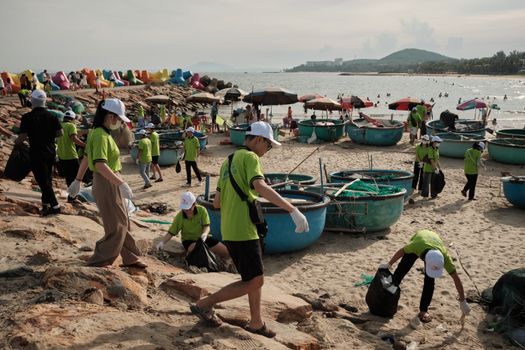
* Reduce your waste: Carry a reusable water bottle, coffee cup, and shopping bag. Say no to plastic straws. Dispose of your trash properly, or better yet, produce less of it. Many destinations are struggling with waste management, and tourists often contribute significantly to the problem.
* Conserve resources: Be mindful of your water and electricity consumption, especially in areas where these resources are scarce.
* Support conservation efforts: If you're visiting natural parks or wildlife sanctuaries, ensure they are reputable organizations committed to conservation and ethical animal treatment. Avoid any activities that exploit animals (e.g., elephant riding, tiger petting).
* Leave no trace: If you're hiking or exploring natural areas, pack out everything you pack in. Stick to marked trails. Don't disturb wildlife or remove natural elements.
Why this matters:
Your actions, however small, contribute to the overall impact of tourism. By being a respectful and conscious traveler, you help preserve the very beauty and authenticity that drew you to a place, ensuring it remains vibrant for future generations and, crucially, for its own residents.
The Journey Continues: Your Role in a Better Travel Future
The shift away from overtourism isn't just about avoiding crowds; it's about reclaiming the true spirit of travel. It's about curiosity, connection, respect, and leaving a positive mark on the world. It’s about discovering the quiet beauty, the genuine smiles, the unexpected conversations that truly enrich your soul.
This isn't just a trend; it's a movement towards more meaningful, sustainable exploration. And it's a movement that, frankly, many Instagram influencers might not find as "glamorous" to promote because it requires a deeper engagement than just a pretty backdrop. But for us, the true wanderers, it's the only way forward.
So, next time you plan a trip, ask yourself: Am I chasing a photo, or an experience? Am I contributing to a problem, or being part of the solution? Choose wisely, travel mindfully, and share your discoveries – not just the perfect shot, but the profound stories and the quiet magic of truly authentic travel.
What are your favorite ways to travel responsibly and avoid the crowds? Share your tips and hidden gems in the comments below! Let's build a community of conscious explorers.
---