The Best Way to Travel Europe Entirely by Train: Travel Advisor Secrets
I stepped off the train in Venice, the scent of brine and espresso mingling in the crisp morning air. No frantic taxi queues, no stressful airport security. Just the gentle lapping of water against stone and the distant chime of church bells. My luggage, a manageable backpack, was easily navigated through the station and onto a vaporetto, whisking me towards my accommodation. This, I thought, is how travel is meant to be. Effortless, immersive, and utterly enchanting.
For years, the idea of traversing Europe by train felt like a romantic notion, reserved for a bygone era or a select few with unlimited time and budgets. But the truth, as I’ve discovered through countless journeys and countless conversations with seasoned travel advisors, is that train travel is the undisputed champion for exploring Europe. It’s sustainable, comfortable, and offers a front-row seat to the continent’s breathtaking diversity.
This isn't just about hopping between capitals; it's about unlocking hidden gems, experiencing spontaneous detours, and arriving at your destination with a sense of calm and anticipation, not exhaustion. Let’s dive into the secrets seasoned travel advisors share to make your European train adventure not just a trip, but a masterpiece.
1. The Art of the Itinerary: Beyond the Obvious Routes
Travel advisors always emphasize that a well-crafted itinerary is the bedrock of any successful trip. When it comes to Europe by train, this means thinking beyond the "big six" cities.
Pro-Tip:
Don't just string together London-Paris-Rome. Consider adding lesser-known, but equally stunning, routes. For instance, instead of flying into a major hub and then taking a long train, consider flying into a smaller city and starting your rail journey from there. Think Basel, Switzerland, or Lyon, France, as excellent starting points with fantastic rail connections.
Insider Insight:
Advisors often recommend building your itinerary around a central theme or region. Are you a history buff? Focus on a route connecting ancient Roman sites from Rome to Split, Croatia, with a scenic detour through Slovenia. Are you a foodie? Trace a path through Italy’s Emilia-Romagna region, France’s Bordeaux, and Spain’s San Sebastián.
My Favorite Advisor Hack:
Look for the "diagonal" routes. Instead of north-south or east-west, think about journeys that cut across the continent, revealing unexpected cultural fusions. A route from Budapest to Vienna, then onto Prague, and finishing in Berlin offers a fascinating glimpse into Central European history and modern resurgence.
2. Mastering the Passes: Eurail vs. Individual Tickets
The eternal question for train travelers: should you invest in a rail pass or buy individual tickets? Travel advisors have nuanced answers.
- Eurail Pass: Ideal for spontaneous travelers or those planning extensive, multi-country journeys with many train changes. It offers flexibility and can be cost-effective if you plan to take at least 5-7 long-distance journeys within your pass validity.
- Pro-Tip: Understand the different types of passes (Global, One Country, Select). A Global Pass is generally best for covering multiple countries.
- Insider Insight: Many advisors suggest that a Eurail Pass is most valuable for its peace of mind. You’re not constantly worrying about booking individual tickets for every leg.
- Individual Tickets: Often cheaper if you book well in advance (up to 3-6 months out) and have a fixed itinerary. High-speed trains, in particular, can be significantly cheaper when booked early.
- Pro-Tip: Use comparison websites like Omio, Trainline, or Rail Europe, but always check the national rail operator’s website directly as well – sometimes they have exclusive deals.
- Insider Insight: For shorter, regional journeys, individual tickets are almost always the way to go.
My Take:
For my first major European train trip, I opted for a Eurail Global Pass. The freedom to hop on and off, to change my mind about a destination, was invaluable. As I became more experienced, I found myself booking individual tickets for more structured trips, especially for popular high-speed routes where advance booking yields significant savings.
3. The Scenic Routes That Will Steal Your Breath Away
This is where train travel truly shines. Forget cramped airline windows; these journeys are about the panorama.
- The Glacier Express, Switzerland: Often called the "slowest express train in the world," this is less about speed and more about the journey. It winds through the Swiss Alps, past dramatic peaks, verdant valleys, and quaint villages.
- Pro-Tip: Book a window seat months in advance, especially during peak season. The panorama cars with their all-glass ceilings are an unforgettable experience.
- Insider Insight: Pack a picnic from a local Swiss bakery – the cheese and cured meats are divine, and enjoying them while gazing at the Matterhorn is peak travel bliss.
- The West Highland Line, Scotland: From Glasgow to Mallaig, this route is a masterpiece of engineering and natural beauty, featuring viaducts (yes, the Harry Potter one!) and dramatic coastal vistas.
- Pro-Tip: Consider the Jacobite Steam Train for a truly nostalgic experience, but book way ahead – it sells out annually.
- Insider Insight: The feeling of remoteness as you traverse the Scottish Highlands is profound. Keep an eye out for red deer and golden eagles.
- The Cinque Terre Train, Italy: While not a long-distance journey, the local train connecting the five villages of Cinque Terre is essential. It’s frequent, affordable, and allows you to hop between villages without driving the narrow, winding roads.
- Pro-Tip: Buy a Cinque Terre Card which includes unlimited train travel between the villages and access to hiking trails.
- Insider Insight: The train stations are right in the heart of each village, making it incredibly convenient. Arrive early in the morning for the best light for photos and fewer crowds.
My Personal Favorite:
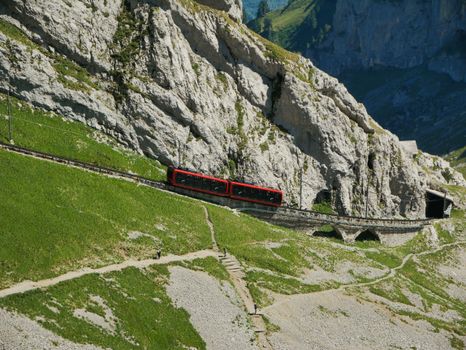
The Bernina Express from Chur, Switzerland, to Tirano, Italy. It crosses the UNESCO-listed Rhaetian Railway, offering a jaw-dropping ascent over the Alps and a descent into the Italian lake district. The engineering is astounding, and the scenery is simply otherworldly.
4. Navigating Stations & Onboard Life: The Unspoken Rules
Train stations can be bustling hubs, but with a little knowledge, they become gateways to adventure, not sources of stress.
- Station Savvy:
- Pro-Tip: Arrive at least 30 minutes before departure for major stations. This gives you time to find your platform, grab a coffee, and mentally prepare.
- Insider Insight: Most major European stations have luggage lockers. If you have a few hours between trains and want to explore a city, this is a lifesaver. Look for signs indicating "Gepäckaufbewahrung" (German), "Consigne" (French), or "Deposito Bagagli" (Italian).
- Pro-Tip: Platforms are usually announced 15-20 minutes before departure. Keep an eye on the departure boards.
- Onboard Comforts:
- Insider Insight: Seat reservations are often mandatory on high-speed trains (like TGV, Thalys, Frecciarossa) and can be a good idea on popular routes even if not required, especially if traveling with luggage or in a group.
- Pro-Tip: Pack a small backpack with essentials: a book, headphones, a portable charger, snacks, and a reusable water bottle. Many trains have dining cars or offer refreshments, but having your own provisions is always wise.
- Insider Insight: Embrace the slower pace. Train travel is about the journey. Strike up conversations with fellow passengers (a smile and a "Bonjour" or "Guten Tag" goes a long way!) or simply watch the world go by.
My Station Ritual:
I always seek out the local bakery within the station for a pastry and a coffee. It’s a small act that grounds me and connects me to the local flavor before I even leave the station.
5. Budgeting Your European Train Adventure: Smart Spending
Train travel doesn't have to break the bank. Advisors are masters of maximizing value.
Quick Facts Table:
| Feature | Estimated Cost (USD) | Best Time to Visit | How to Get There |
| :------------------ | :------------------- | :----------------- | :---------------------------------------------------- |
| Eurail Pass (1 month continuous) | $700 - $1200+ | Spring (Apr-May), Fall (Sep-Oct) | Purchase online via Eurail.com or through a travel agent. |
| Individual Tickets (Advance Booking) | $50 - $200+ per leg | Year-round (book 3-6 months ahead) | National rail websites (e.g., SNCF, DB, Trenitalia), Omio, Trainline. |
| Accommodation (Hostel/Budget Hotel) | $40 - $80 per night | Shoulder seasons for better rates | Booking.com, Hostelworld, Airbnb. |
| Food (Mix of Groceries & Casual Dining) | $40 - $70 per day | Shoulder seasons for better rates | Local markets, bakeries, casual trattorias/bistros. |
| Activities/Entrance Fees | $20 - $50 per day | N/A | Varies by city and attraction. |
Pro-Tip:
Travel during the shoulder seasons (spring and fall). You’ll find lower prices on accommodation and fewer crowds on trains and at attractions.
Insider Insight: Many trains have different classes. While first-class is luxurious, second-class on most European trains is perfectly comfortable and significantly cheaper. The legroom is usually ample.
My Budget Hack: I often book a combination of overnight trains and budget hotels. An overnight train saves you the cost of a night's accommodation and gets you to your next destination refreshed (or at least ready for a strong coffee!).
6. Packing Light, Traveling Smart: The Advisor's Mantra
The golden rule of train travel is to pack light. You'll be carrying your own luggage on and off trains, through stations, and to your accommodation.
- The Essentials:
- Pro-Tip: A good quality, durable backpack or a small, wheeled suitcase is your best friend. Aim for something that can fit comfortably in overhead racks or under your seat.
- Insider Insight: Think layers! European weather can be unpredictable. Comfortable walking shoes are non-negotiable.
- Pro-Tip: Bring a small travel towel – many hostels don’t provide them, and it’s useful for unexpected situations.
- Luggage on Trains:
- Insider Insight: Most trains have overhead luggage racks and dedicated spaces at the ends of carriages for larger suitcases.
- Pro-Tip: Always keep your valuables (passport, wallet, phone, camera) in a small daypack that you keep with you at all times.
- My Packing Philosophy: I aim for a "carry-on only" approach whenever possible. It makes transitions seamless and minimizes the risk of lost luggage. A versatile scarf can be a lifesaver for both warmth and covering up for religious sites.
Conclusion: Your European Rail Odyssey Awaits
Traveling Europe entirely by train isn't just a mode of transport; it's an experience that unfolds with every mile. It’s the quiet hum of the rails, the ever-changing landscapes outside your window, and the genuine connection you feel to the places you visit. By following these travel advisor secrets, you can craft a journey that is as seamless and enriching as it is sustainable. So, pack your bags, embrace the rhythm of the rails, and prepare for an adventure that will stay with you long after you've arrived at your final destination. The continent awaits, one scenic mile at a time.